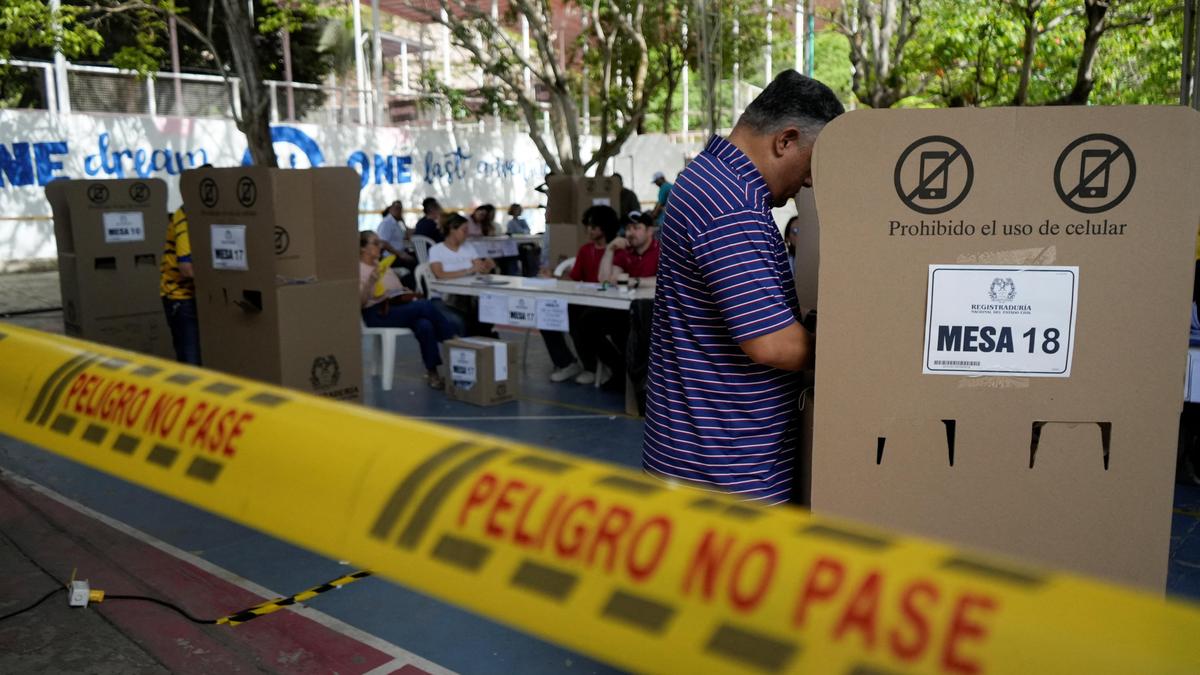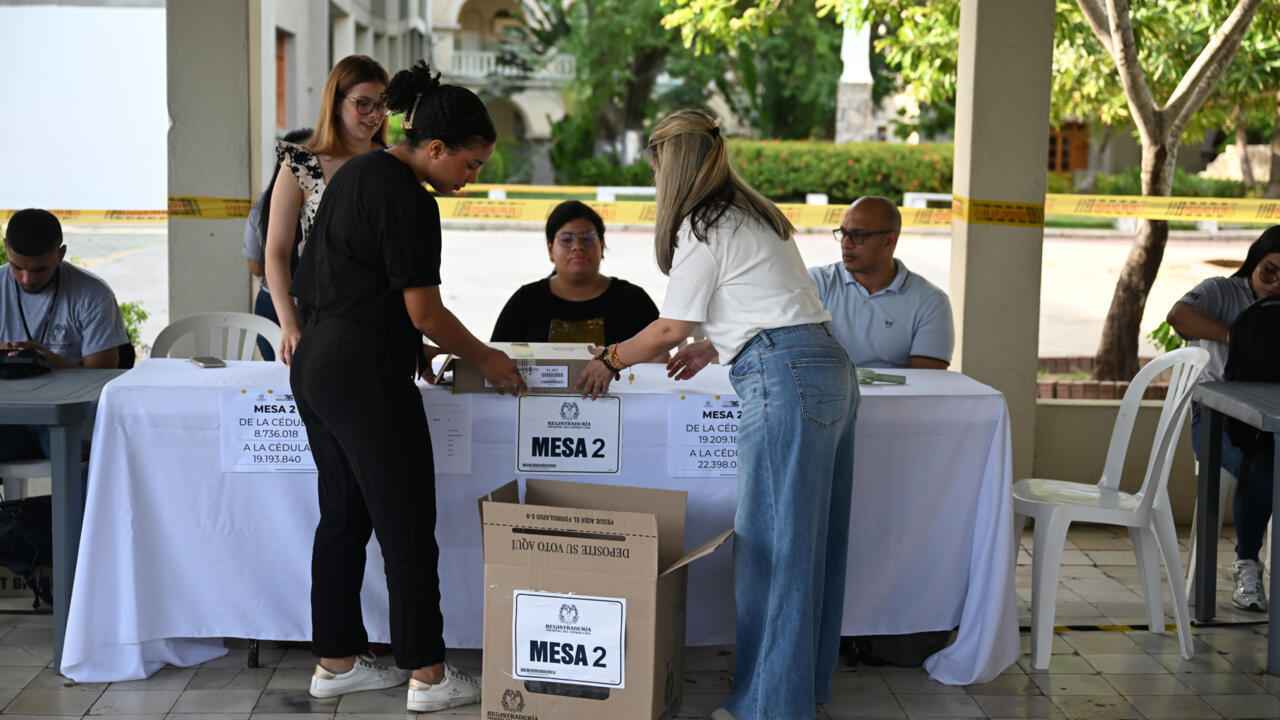
Colombians headed to the polls on June 21 in a presidential runoff that pits two ideological opposites against each other, with the outcome poised to reshape everything from drug enforcement policy to the country’s relationship with the United States. For a nation that processed roughly $6.7 billion in crypto transactions in 2024, the result also carries quieter but meaningful implications for digital asset regulation in Latin America’s fourth-largest economy.
Far-right independent candidate Abelardo de la Espriella, a criminal defense attorney running on a hardline anti-cartel platform, faces off against left-wing Historic Pact senator Iván Cepeda, a human rights activist pushing progressive taxation. Neither cleared the 50% threshold needed to win outright in the first round on May 31, setting the stage for today’s decisive vote.
How we got here
The first round wasn’t particularly close, but it wasn’t a blowout either. De la Espriella captured 43.7% of the vote compared to Cepeda’s 40.9%, with overall turnout reaching 57.9%. No election-related violence was reported during that initial round, according to international observers.
De la Espriella enters the runoff as the heavy favorite. Polling and prediction markets have tilted decisively in his direction since the first round.