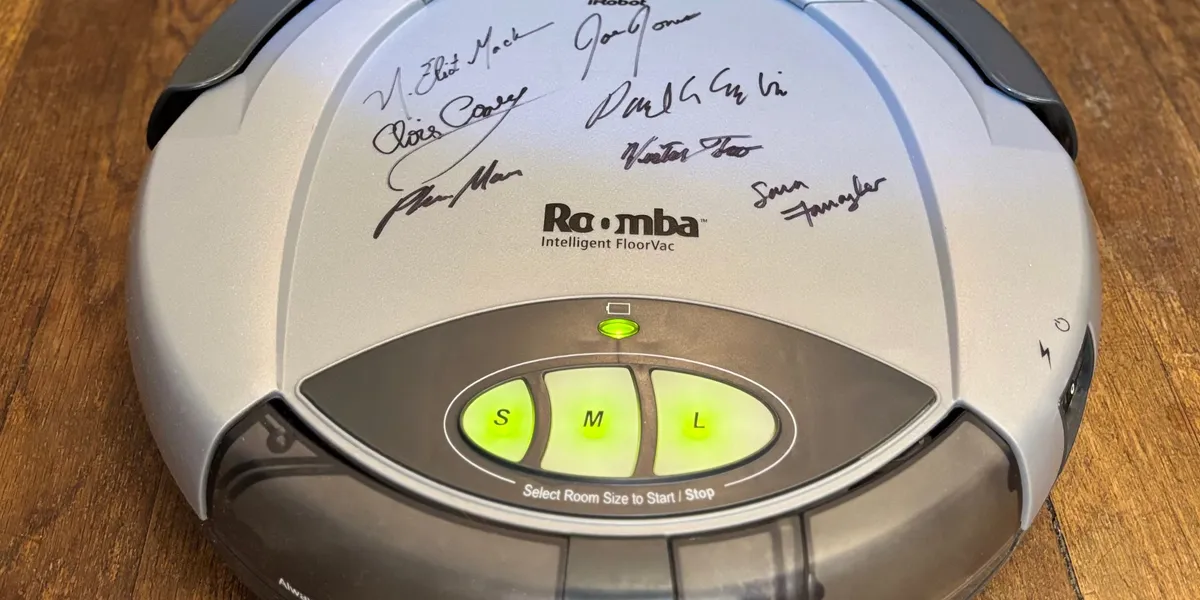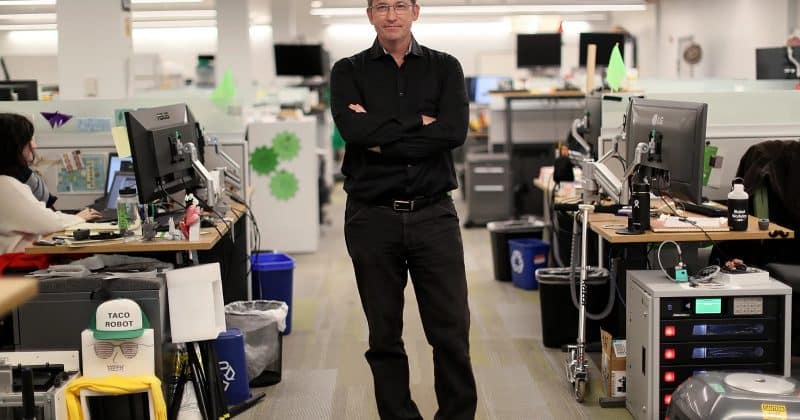
Colin Angle spent 15 years trying to make robots people would actually buy. Then he released a small, round vacuum that bumped into furniture, and people started giving it names.
The iRobot co-founder has been making the media rounds in 2026, appearing on podcasts like How I Built This and Automated, reflecting on the Roomba’s unlikely path from engineering curiosity to cultural phenomenon. His story is equal parts triumph and cautionary tale, because the company he built sold over 50 million robot vacuums but ultimately filed for bankruptcy.
From MIT hallways to 50 million living rooms
iRobot was founded in 1990 by Angle and several MIT colleagues. The Roomba didn’t arrive until 2002, which means a full dozen years of development preceded the product most people associate with the brand.
Owners treated their Roombas like pets. They named them. They felt guilty when the little disc got stuck under the couch. Angle has pointed to this anthropomorphization as a key driver of the product’s success, noting that the emotional bond consumers formed with their devices was something the team hadn’t fully anticipated but quickly learned to embrace.