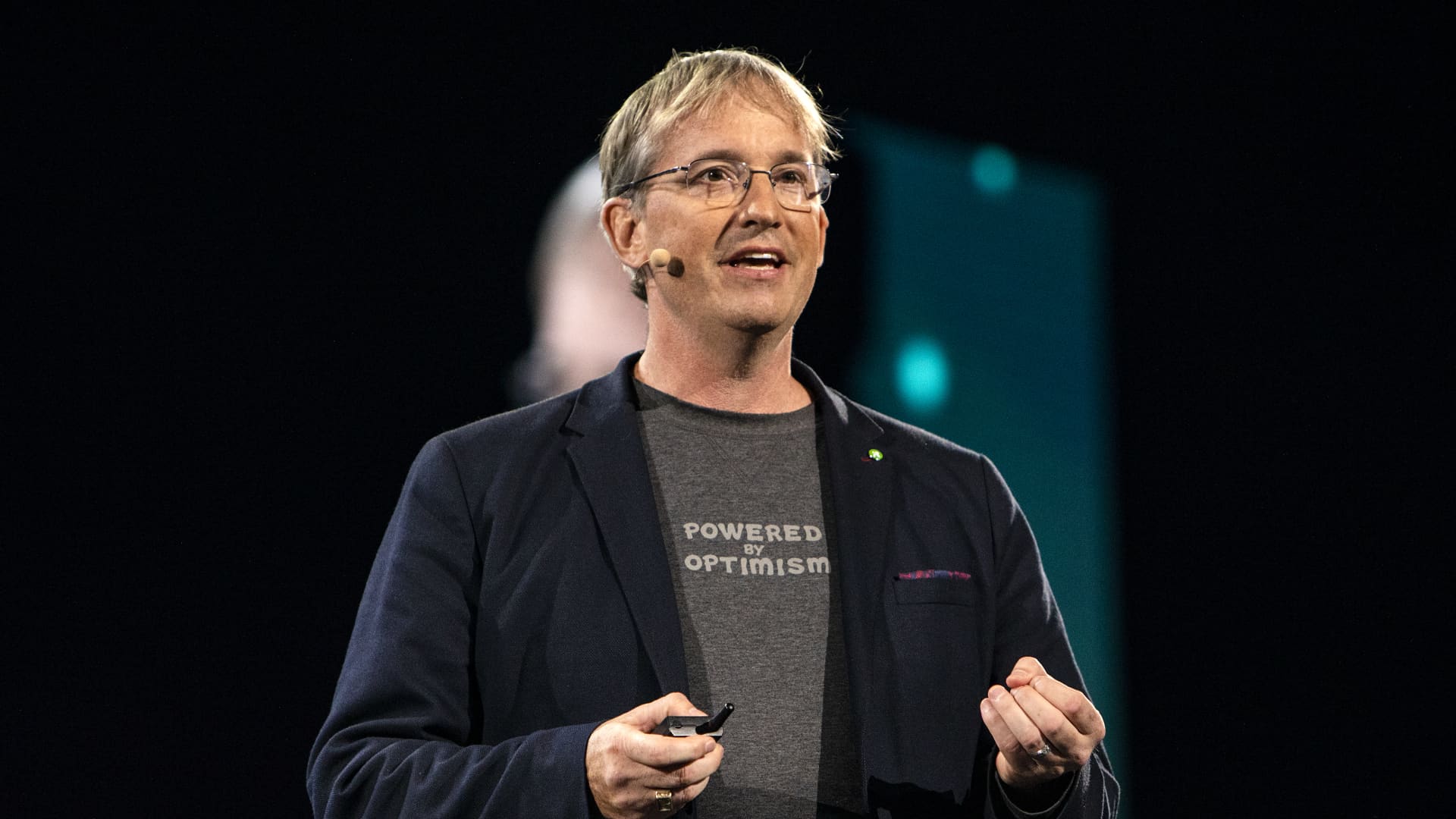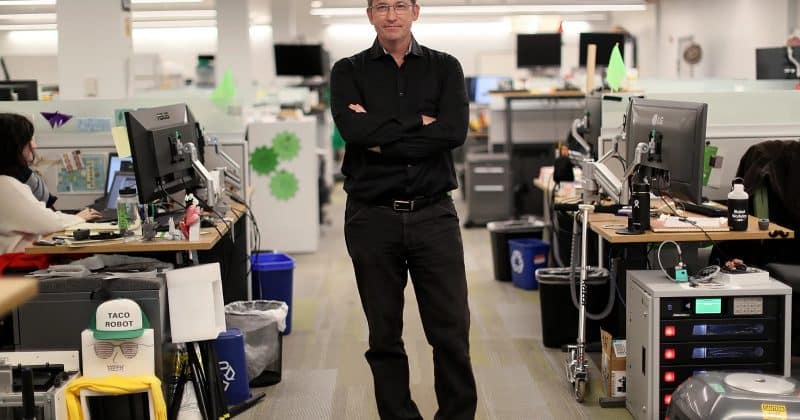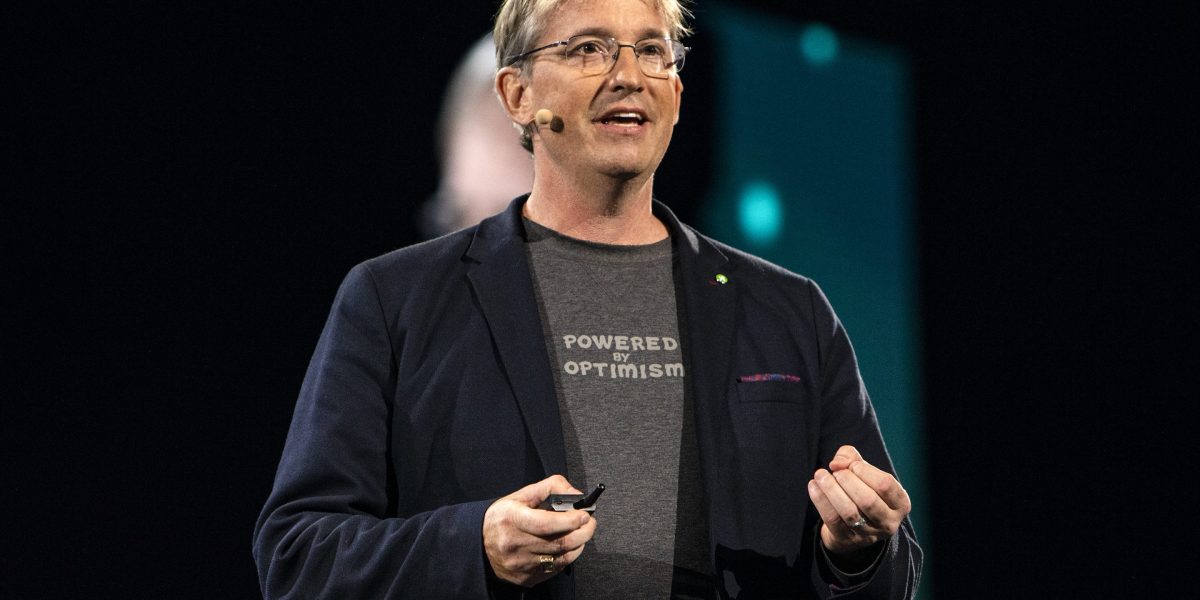
After Roomba-maker iRobot filed for Chapter 11 bankruptcy last week, cofounder and former CEO Colin Angle did not shy away from sharing what went wrong.
Angle, who cofounded iRobot in 1990 alongside other members of MIT’s Artificial Intelligence Lab, said in a recent episode of the New York Times’ Hard Fork podcast that one of the core problems with remaining competitive in its market was growing Chinese competition.
“It’s certainly the advent of this new type of competitor, the Chinese fast follower who had access to the Chinese marketplace, which iRobot effectively did not,” Angle said. “I also think that the marketplace was not a level playing field.”
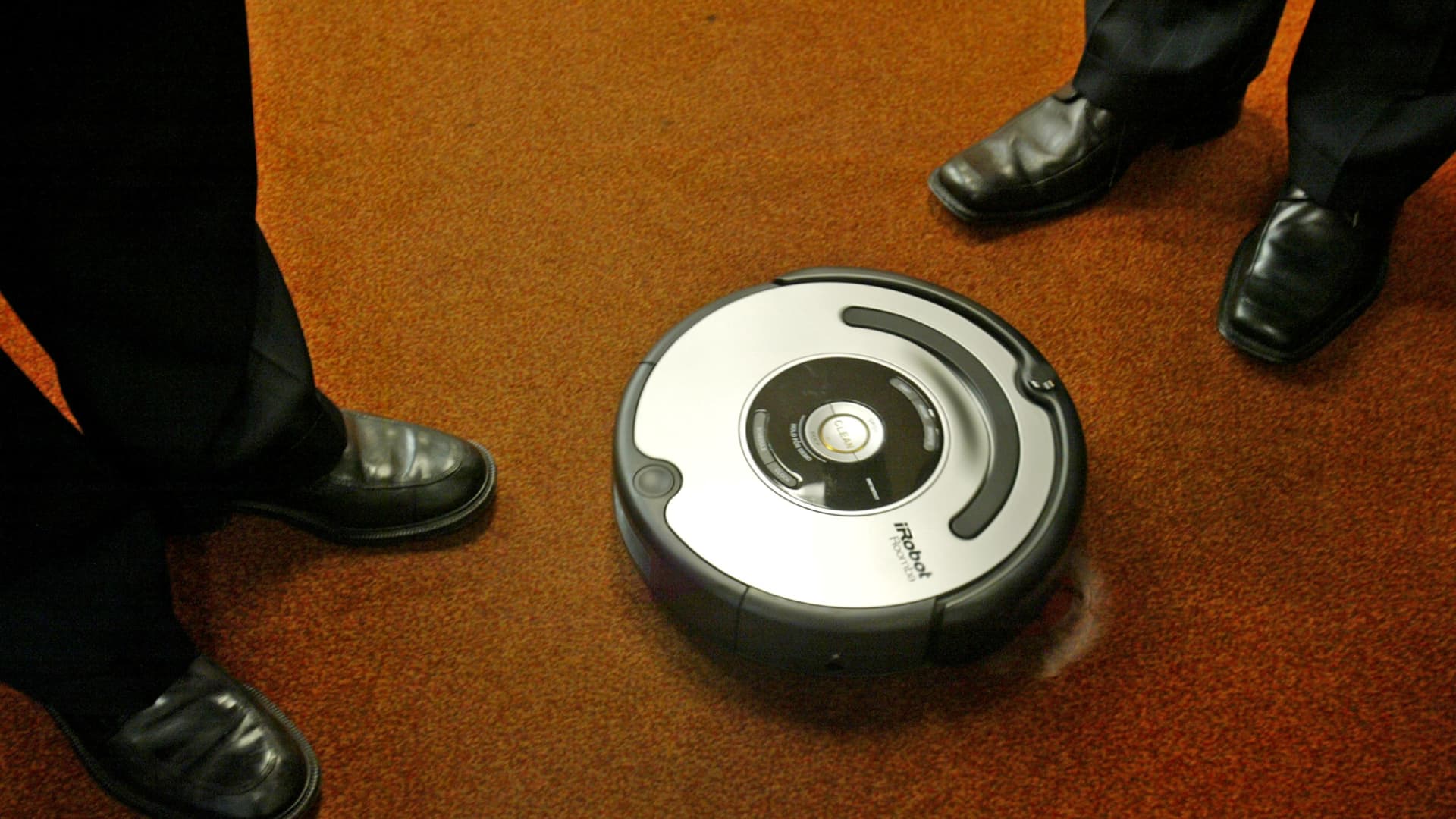
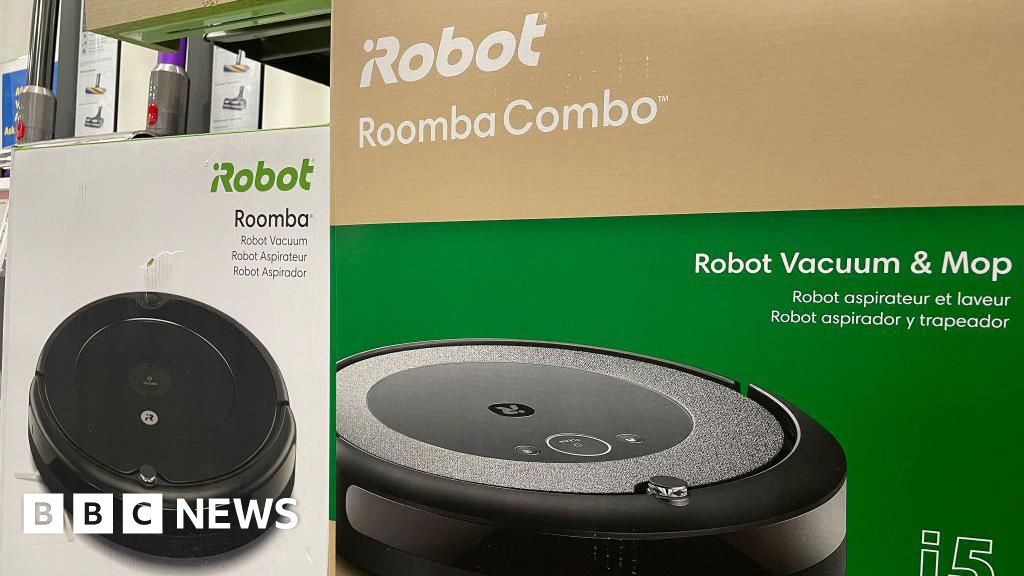
Roomba became a household name—and appliance—in numerous American homes after the vacuuming robot hit the market in 2002, a pioneer in the household robotics sector. The 2018 self-emptying Roomba i7+ vacuum was even able to tidy dust and detritus from specific rooms using mapping technology. The company reached its peak revenue in 2021 at nearly $1.6 billion. Now, following its bankruptcy filing, iRobot will be acquired by the China-based Picea Robotics, its primary manufacturer and lender.
Despite the Roomba’s initial success, it began losing market share to its Chinese rivals, a death knell for the company, according to Angle.