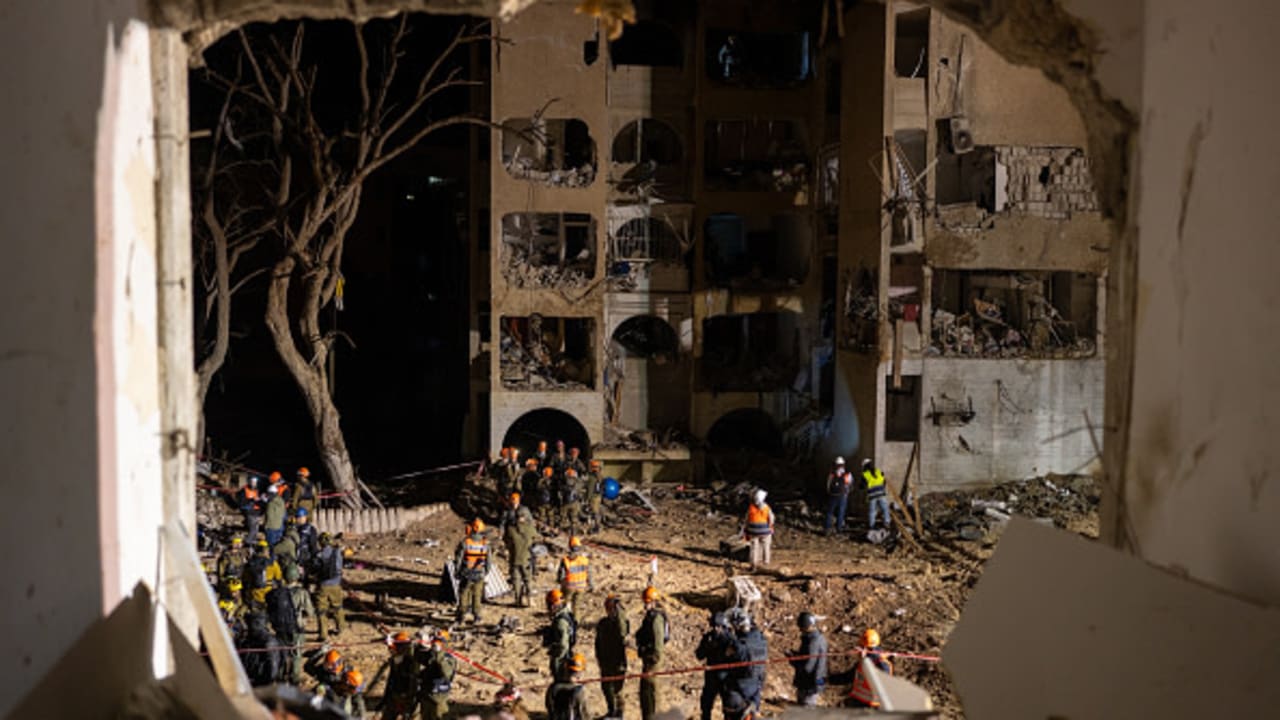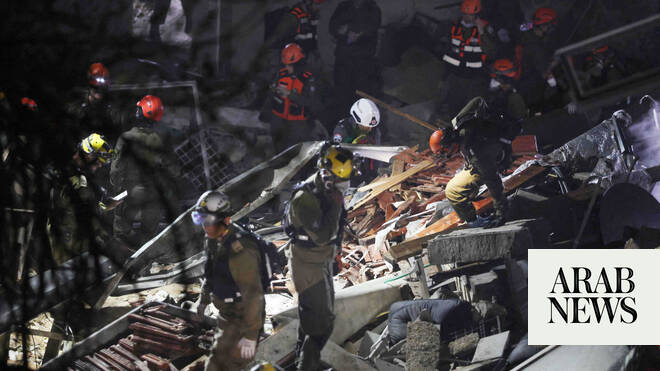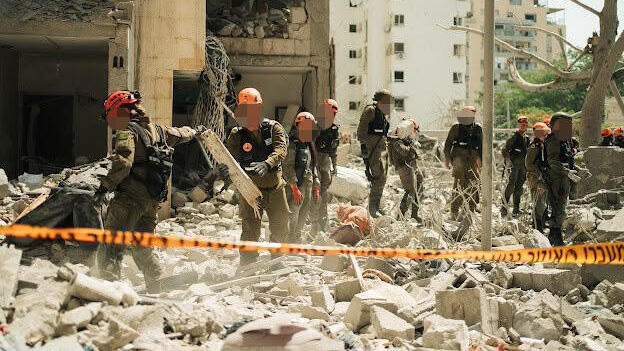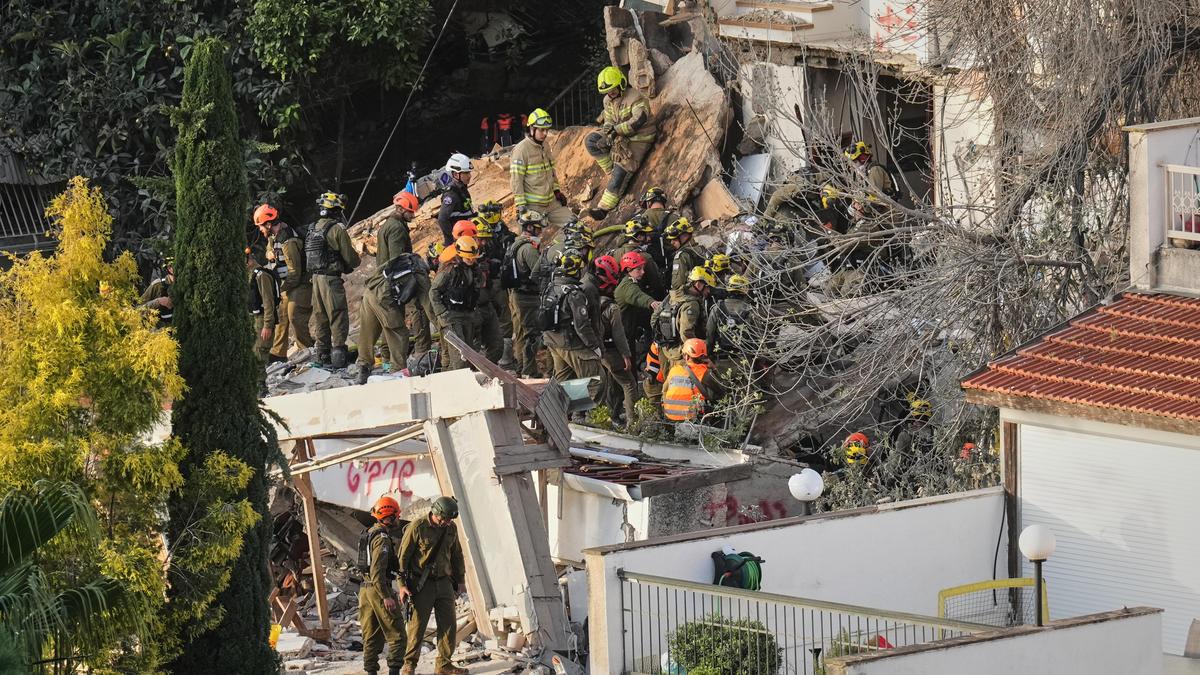
When a ballistic missile flattens a residential building, the clock starts immediately. Rescue teams need to know where the load-bearing walls were, how the floors were stacked, where the stairwells ran. That information exists, buried somewhere in municipal permit archives. The problem is that “somewhere” might as well be “nowhere” when people are trapped under rubble.
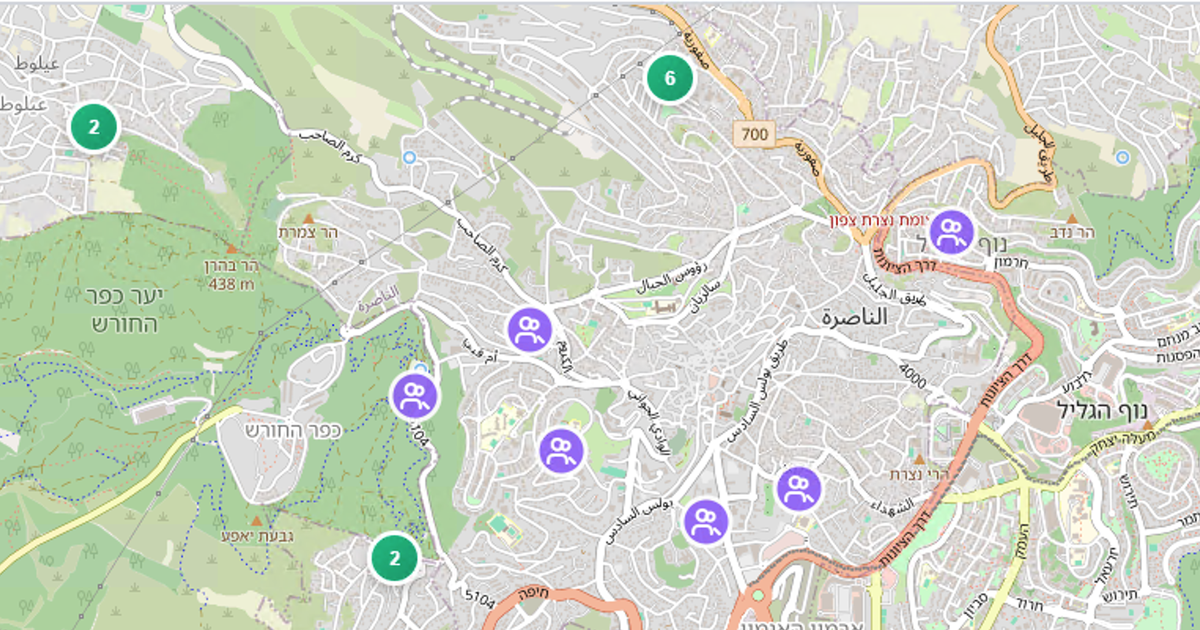
Researchers at the Technion-Israel Institute of Technology and the University of Haifa have built an AI system that solves exactly this problem. The tool retrieves building permits from municipal databases in real time, analyzes the engineering data, including architectural diagrams and structural layouts, and delivers actionable information directly to first responders’ mobile devices.
Two rounds of war exposed the gap
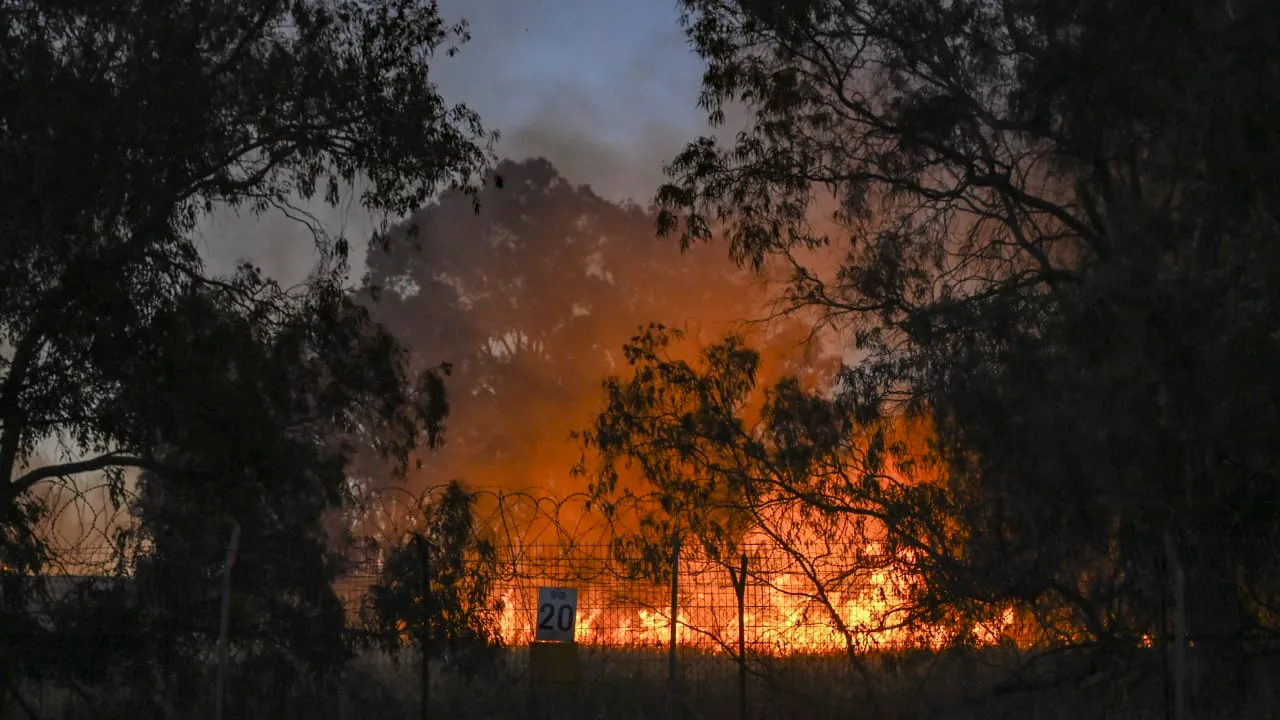
The project didn’t emerge from a theoretical exercise. It was born from failure. Two rounds of conflict with Iran, featuring ballistic missile strikes that caused fatalities and significant property destruction, revealed just how little real-time structural information rescue units actually had access to when they arrived at collapse sites.
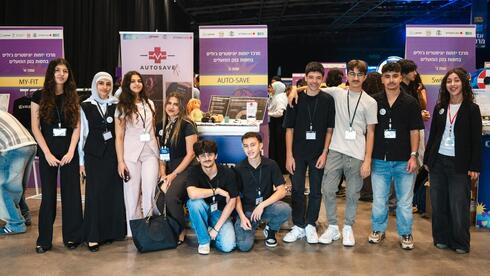
Professor Yael Allweil, who leads the effort through Technion’s Housing Lab, had already been working on digitizing and organizing Israel’s archive of architectural records. The missile attacks accelerated that work from academic research into an urgent operational priority.