Show Caption
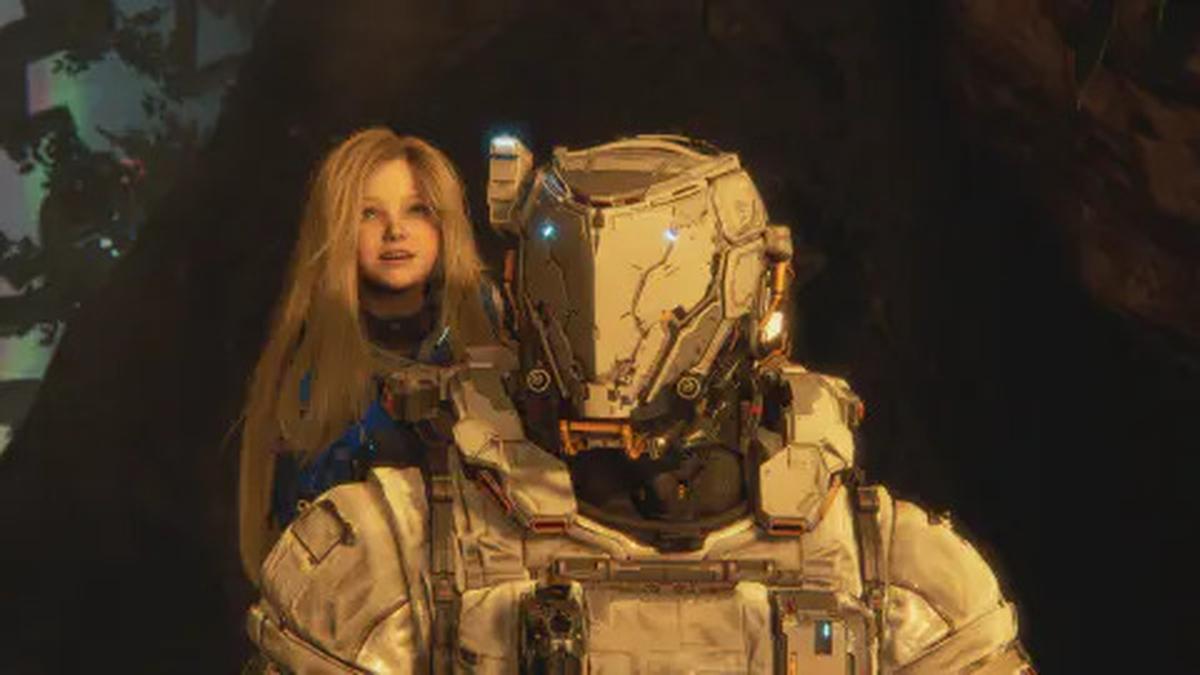
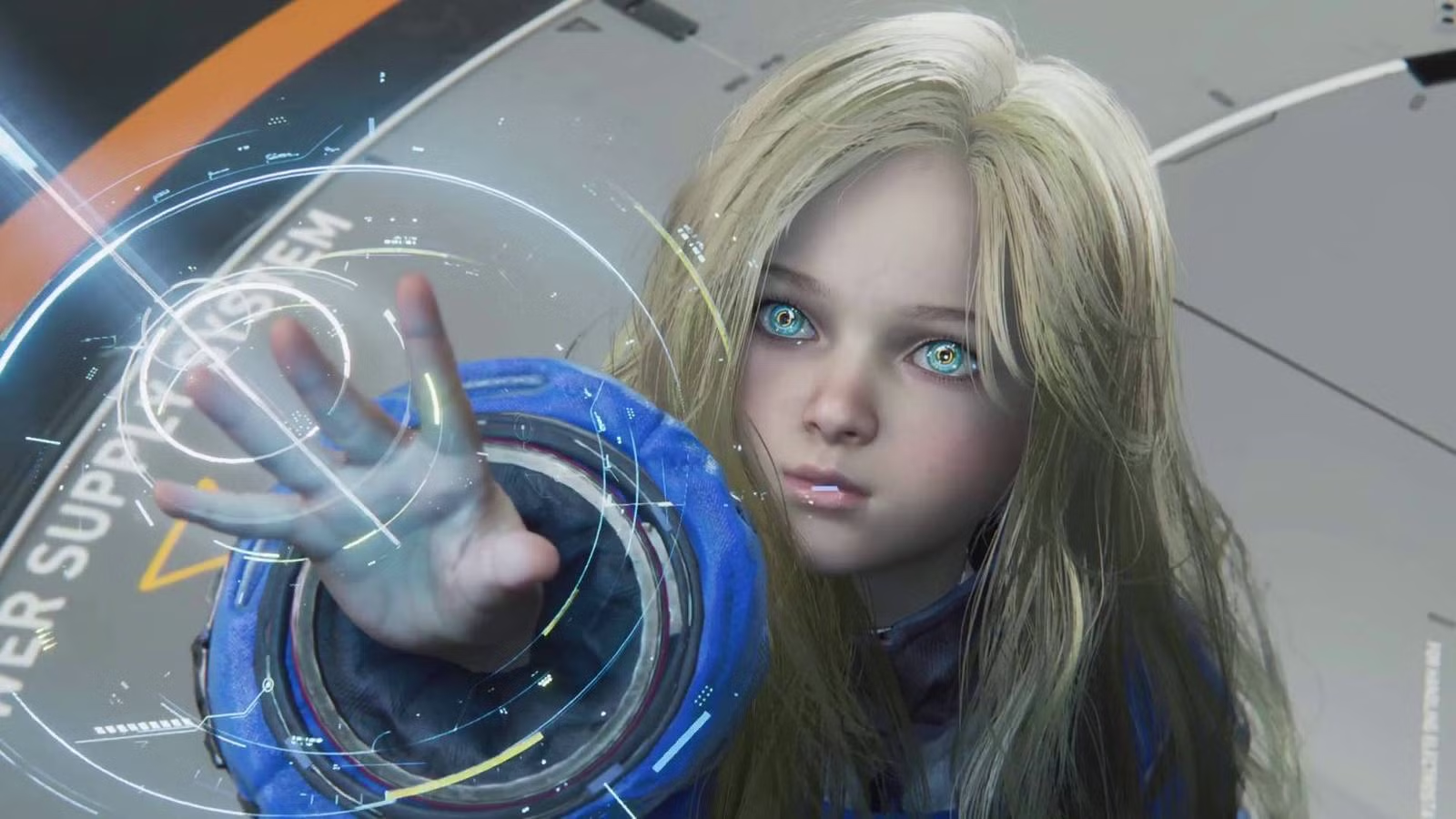
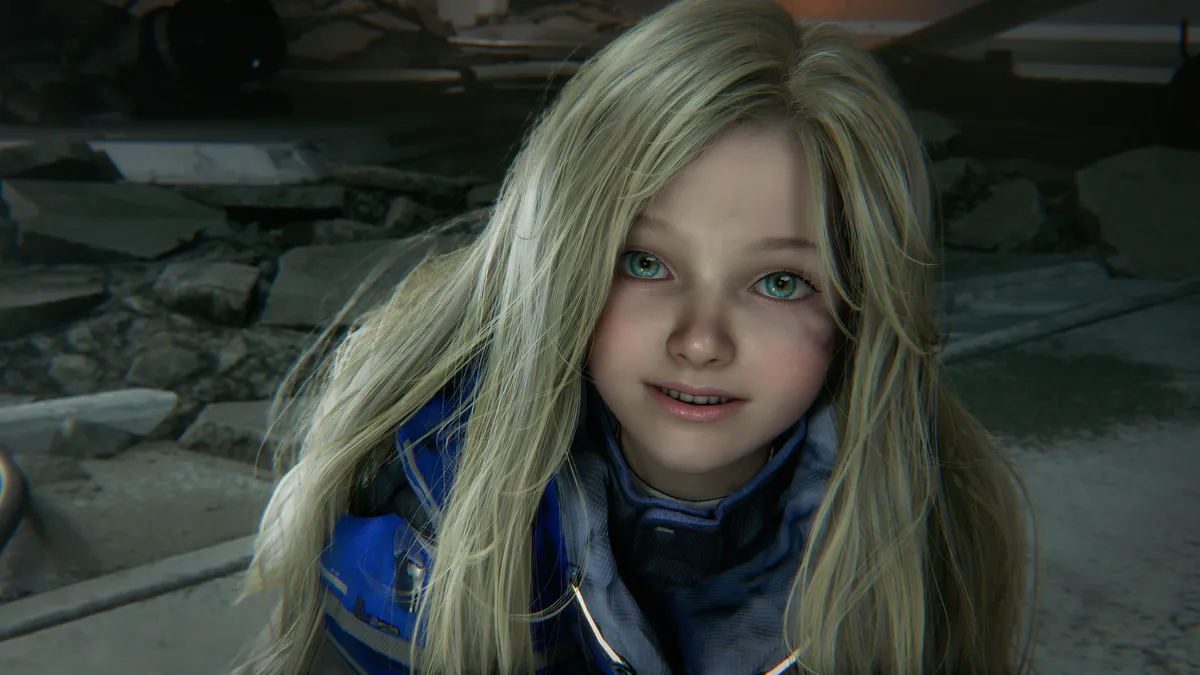
There's a video game that's going viral for making players break down in tears.It's called "Pragmata" − and from the outside, it looks like your typical sci-fi action game. There's guns. There's explosions. Throughout the game, you play as Hugh, an astronaut fighting to get back to Earth from a lunar research facility.But you're not alone. You have a companion, a robot girl named Diana, whom you fight alongside and protect throughout the game. As the story progresses, Hugh and Diana develop a sort of father-daughter bond − and that's the part of the game hitting players right in the feels and sparking massive discussion online."What... what is this feeling inside me? It can't be... It's like... I wanna protect... it's like... I want to be a... a... DAD..." one X user wrote. "I will burn anyone and anything that tries to harm her," wrote another. One Reddit user described playing the game as "therapeutic for my soul," following the death of his own daughter at the age of 8 in 2009.Turns out, psychologists say, the instinct to nurture isn't something that just belongs to women, though much of popular culture may indicate otherwise. Men do by and large have an innate, paternal instinct as well, and it's something that can get activated whether or not they have children of their own.It's no wonder then that "Pragmata" has made such a stir by tapping into this deep part of men's psychology. About three weeks after its release on April 17, the game had already sold over two million copies worldwide."The caregiving instinct, as I understand it, is a way that mother nature helps us keep the human race going," relationship therapist Philip Lewis says. "If children were born and mom didn't want to care for them, dad didn't want to care for them, they die. There has to be some motivation."How 'Pragmata' taps into paternal instinctMany men want to become dads one day. Many men have an instinct to protect and care for the vulnerable, too.However, the familial drives of men are something seldom acknowledged by society more broadly, Lewis says, and certainly not to the same degree that women's are. He ventures to guess many of the men playing "Pragmata" likely don't have much encouragement in day-to-day life to envision themselves in a parental role."This is helping people experience relating to another person," he adds. "We need to connect with other people. It's like eating, breathing, sleeping. We must have connection."Psychotherapist Stephanie Sarkis says it's no wonder that some of the men who've played "Pragmata" have expressed a newfound desire for fatherhood."It's (about) experiencing a caregiving role, and it may be the first time that someone has experienced that," she says. "So they're discovering parts of themselves that they may not express in day-to-day life."The game also probably resonates with those who've experienced parental trauma in their own lives. By giving players an opportunity to simulate a positive parental bond, the game may also provide important psychological healing for some players, Lewis says."Most people have had some form of relational ruptures, relational challenges growing up," Lewis says. "It's just inherent in life. If things were going specifically wrong, say, with a family member or something like that, being able to experience a healthy parenting connection could be quite a shift for people. ... There is a psychological drive to try to get a second chance at doing something that didn't turn out well the first time."Men's paternal instinct in societyThough men do have an innate paternal instinct, the nurturing, parental side of men's psychology often gets overlooked in cultural messaging toward men, Sarkis says."Men tend to get less cultural messages about nurturing," she says. "So, when a game does a caregiving role, it can bring those feelings to the forefront. It can make someone more aware of them."Instead, in much of popular culture, men often get messages encouraging them to be stoic and unemotional. In reality, Lewis says, men have a deep, wide range of feeling that encompasses both traditionally masculine and traditionally feminine aspects. So do women."Men are supposed to stereotypically be stoic and leaders and unemotional. Women, the opposite," Lewis says. "These are stereotypes. They're not real life. Different people are different in different ways, but there's also pressure to live in those roles. And it does a number on boys growing up, and girls."When a game like "Pragamata" comes along and taps into a deep part of men's psychology that's often overlooked, it's bound to resonate."There is, again, a desire to connect, a desire to care, to be altruistic, to be a team, to be just, frankly, emotional with another person," Lewis says. "And men very frequently don't get the opportunity for that."