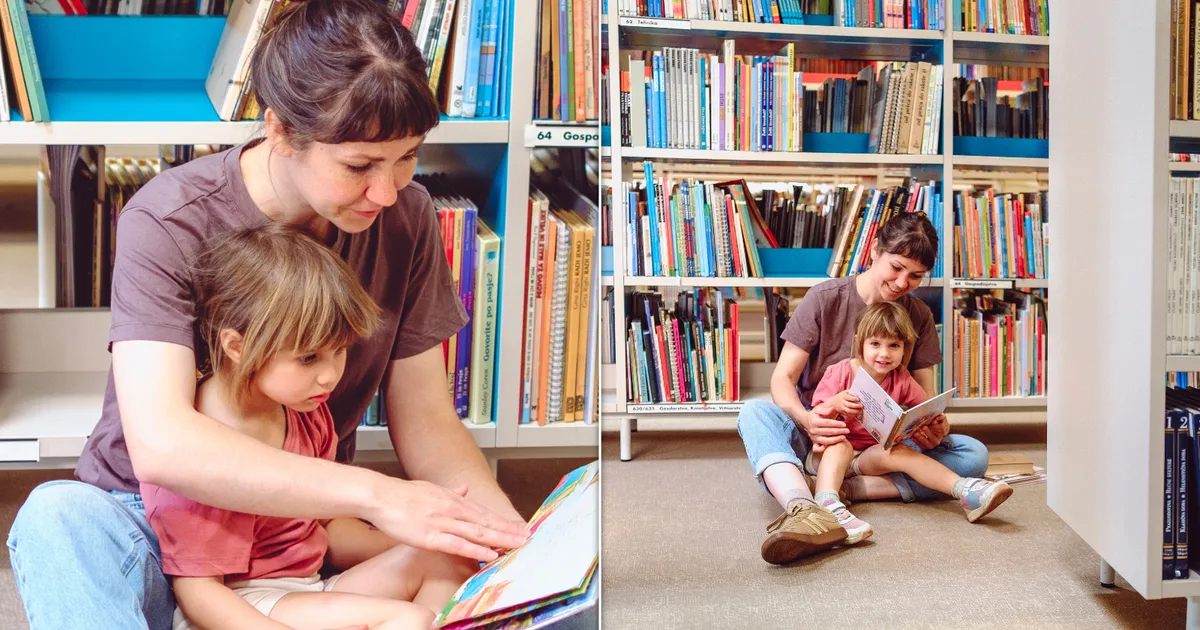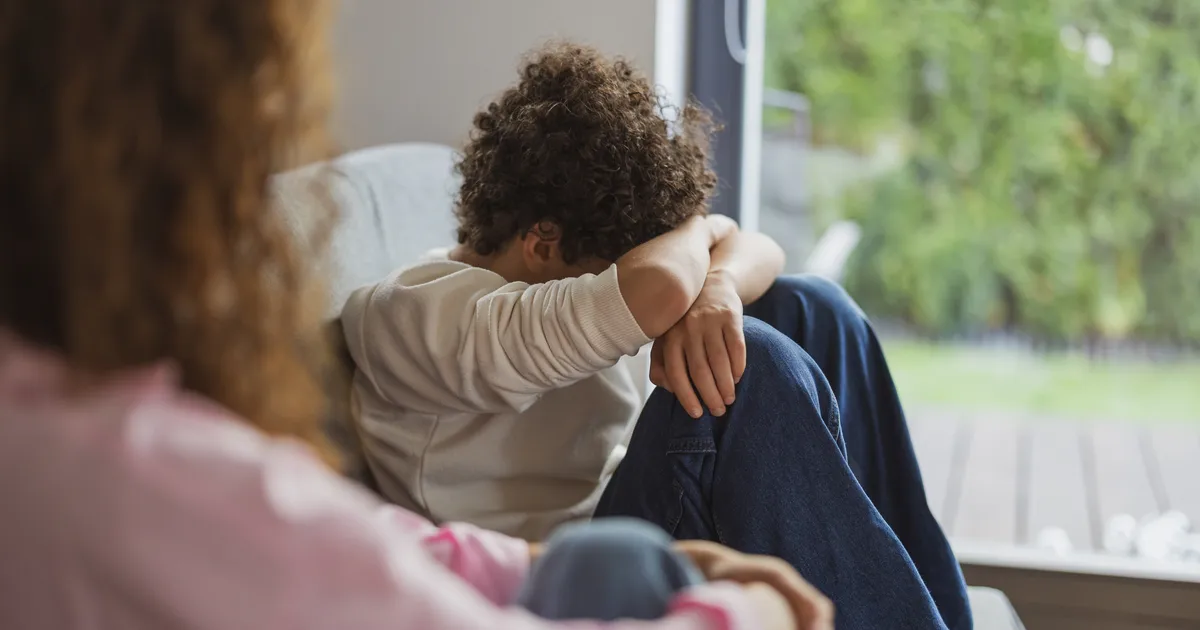
The author said that bedtime was a struggle with his toddler. A technique he researched online changed everything for his family.
Courtesy of Zack Barnes.
Modern parenting advice seems to be to limit how much you praise your child. I disagree.Nothing really prepares you for parenting a 2-year-old. Toddlers are known for their developing independence and language, as well as their strong emotions. I should know, I have one living with me.These rapid developments can lead children to push boundaries and have tantrums. For our family, this led to our struggle with managing our son's behavior. One way we improved our son's behavior was through a technique called behavior-specific praise, which is explicitly praising the positive behaviors you see. Sure, it can be hard at times, but it's paying off.Praise is importantAs an associate professor of literacy, I spend my days researching the link between self-regulation, executive function, and academic achievement.In my own home, I discovered that the type of praise we give needs to be more than just saying, "Good job!" It's saying, "I loved the way you cleaned up after playing. Look at how clear the floor is!"This approach is something I came across while searching for evidence-based strategies that could help with the issues we were having at home. I knew praise was important, but I needed more guidance on how to use it effectively in my house. Dr. Alan Kazdin, a child psychologist who used to lead the Yale Parenting Center, believes that delivering praise with lots of excitement and physical touch, such as a hug or high five, can also amplify its impact. For our family, it has really helped. But even without that physical touch, behavior-specific praise has shown promise.For example, in school settings, behavior-specific praise is an evidence-based strategy supported by extensive research. When teachers, like I used to be, increase this type of praise, we see an increase in students' on-task behaviors. This strategy is now embedded in many different types of parenting programs because of its effectiveness.While this technique has worked with my young child, it has been shown to work across age ranges. This is because this type of praise builds on children's motivation. They love being noticed for doing something "right", and they want to keep doing that behavior. Children start to feel proud of themselves as they continue to meet these goals, and soon, they will be doing behaviors on their own without any praise. That will build their self-regulation, so in the future, when they are off task, they can self-regulate and get back on task.