Somalia’s main opposition alliance just did something that, by the standards of Somali politics, qualifies as genuinely remarkable: it agreed on something.
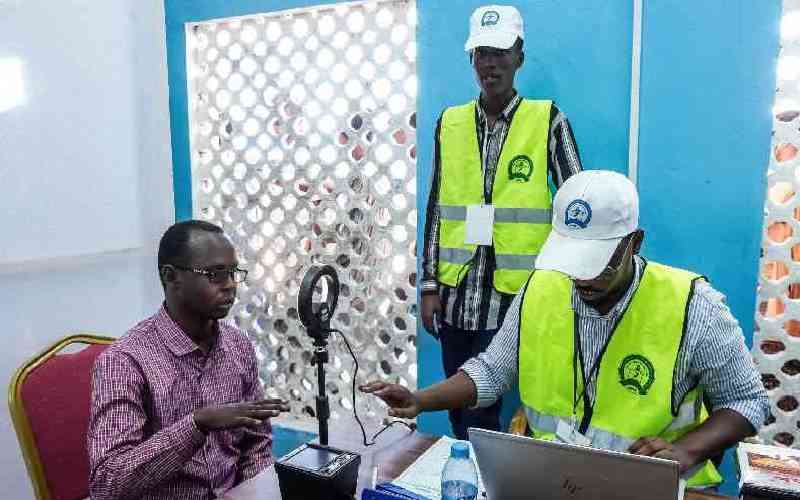
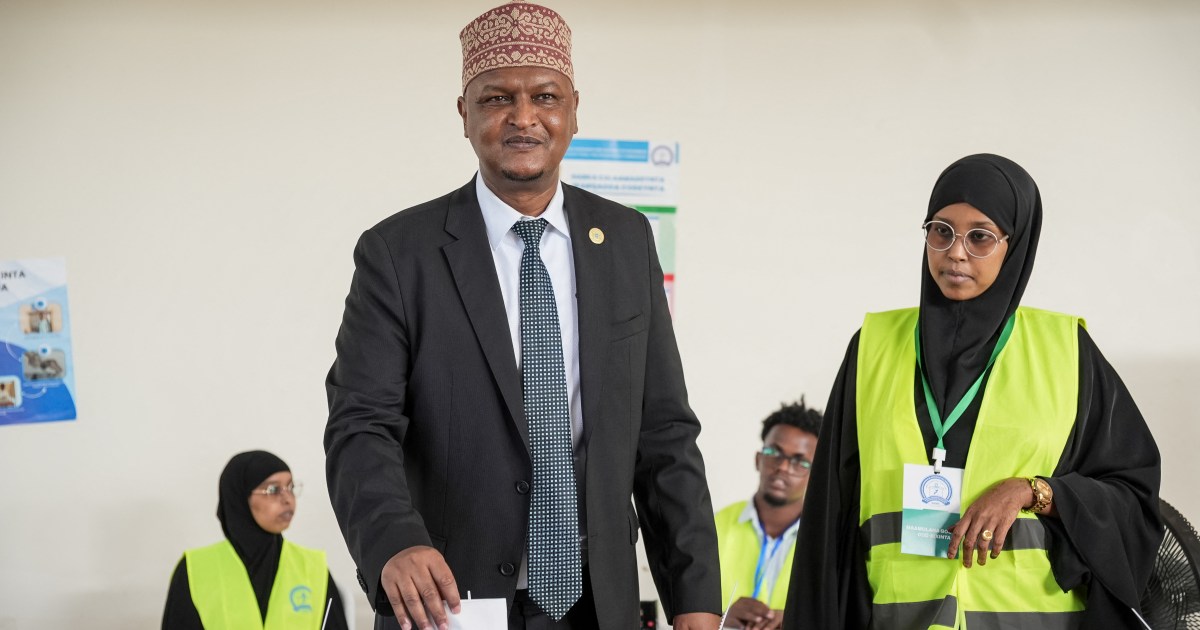
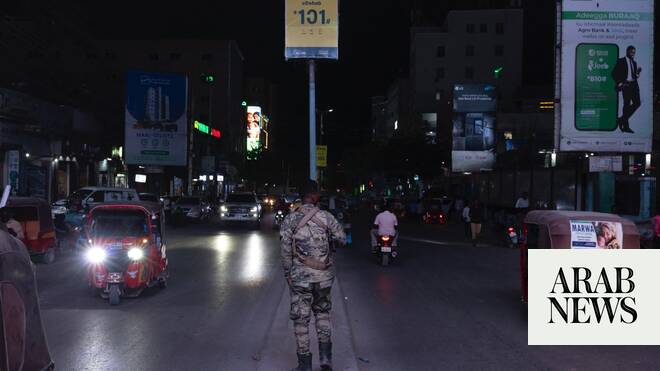
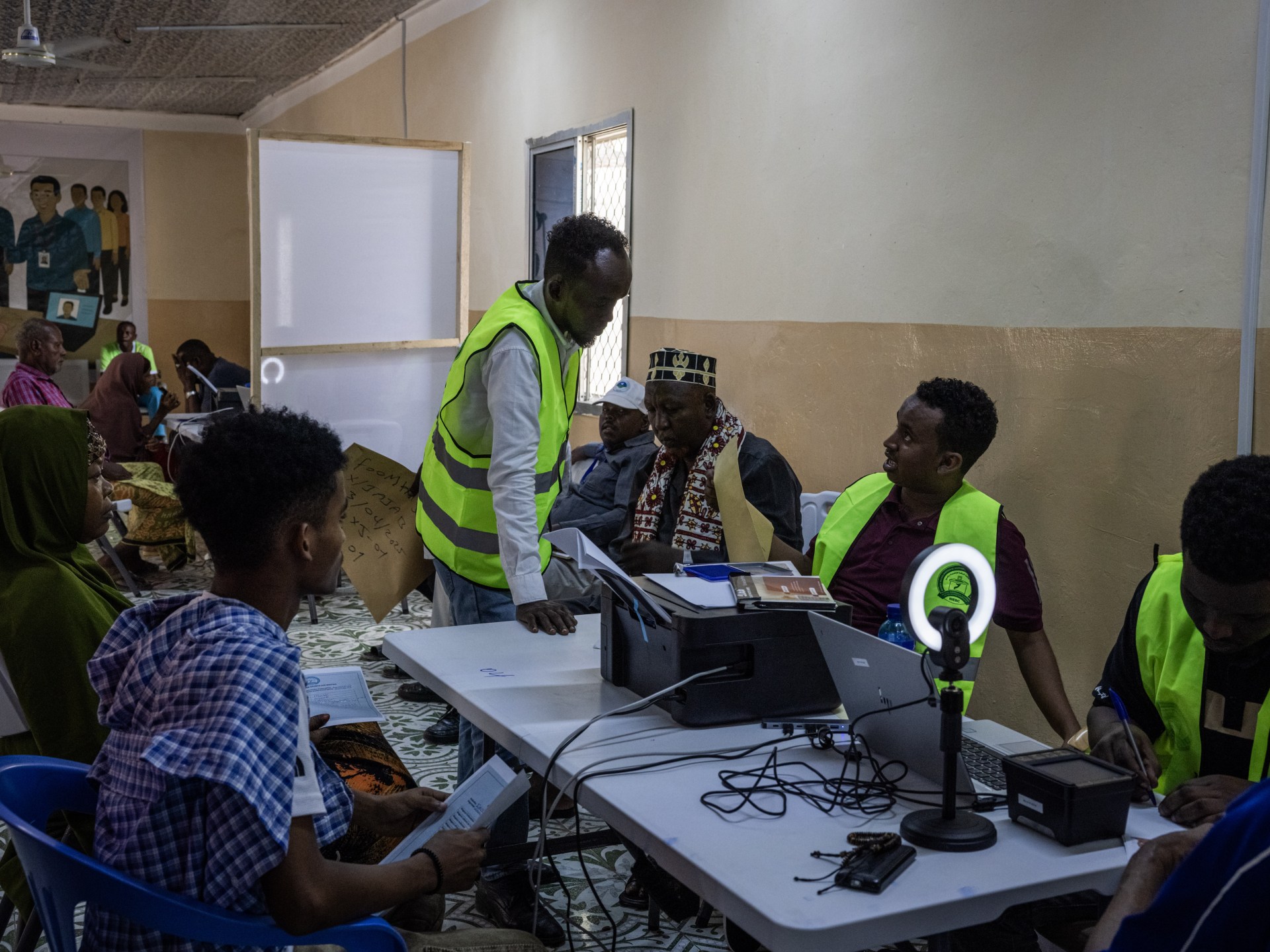
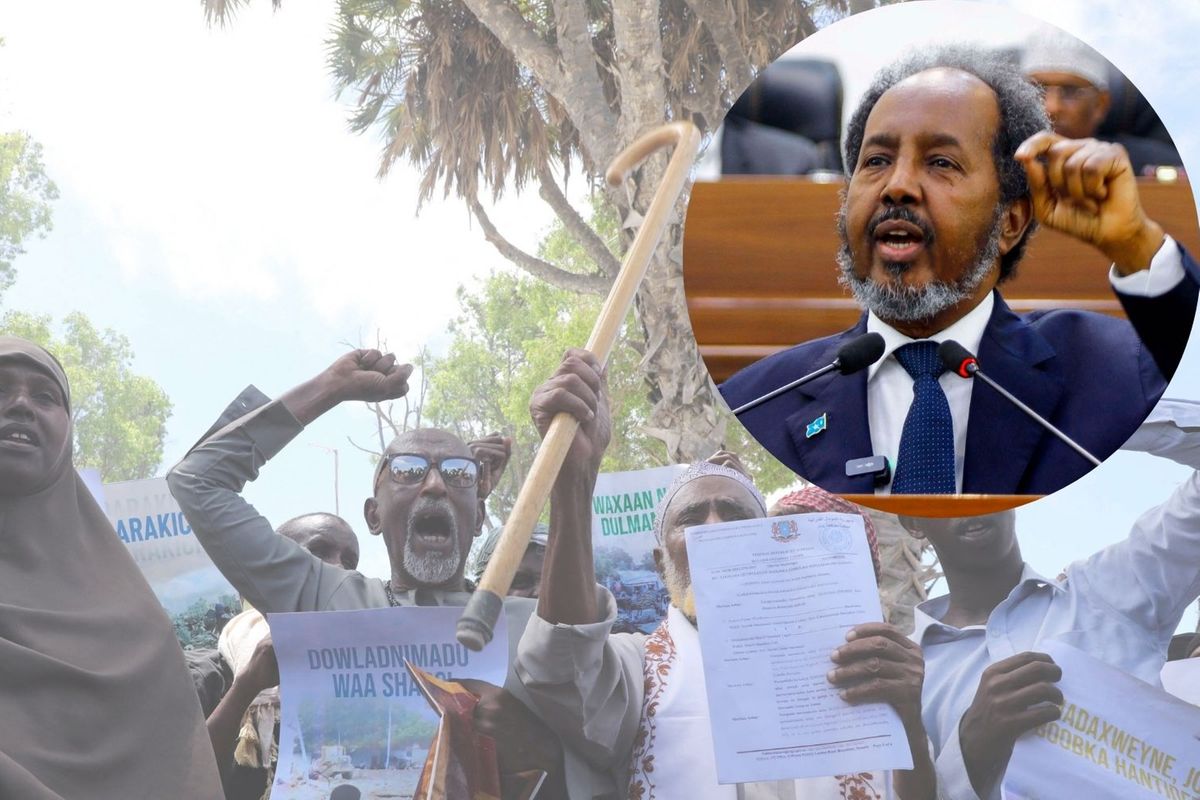
The Somali Future Council endorsed a transitional direct elections framework on June 20, 2026, backing a model that would blend public voting with the country’s entrenched 4.5 clan-based representation system. The goal is to break a political deadlock that has paralyzed the country’s electoral process and fueled violent clashes in the capital.
A hybrid approach to a stubborn problem
The country hasn’t held a nationwide one-person-one-vote election in decades. Instead, it relies on an indirect system where clan elders and delegates select members of parliament, who then choose the president.
The 4.5 system divides political representation among Somalia’s four major clan families, with a coalition of minority groups collectively receiving a half-share. It was designed to prevent any single clan from dominating, but critics argue it has calcified into a patronage structure that blocks genuine democratic participation.