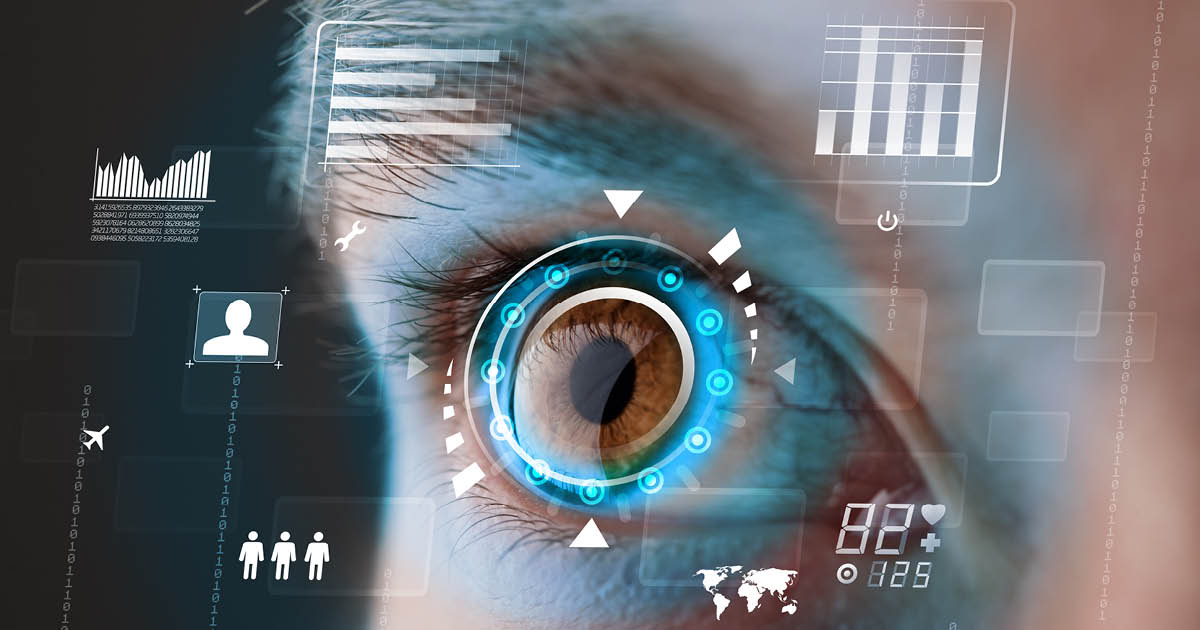
Jerusalem Post/Health & Wellness/Health and Wellness Around the WorldThe Israeli Medical Association has published a position paper that sets boundaries for the growing use of artificial intelligence systems in medicine.Follow us on GoogleIllustration: A doctor using AI(photo credit: Maariv Online)ByDR. ITAY GALJUNE 21, 2026 10:00The new digital frontier: Artificial intelligence is no longer on the fringes of the medical world, but is entering emergency rooms, community clinics, imaging institutes, and computerized medical records. The new position paper of the Israel Medical Association, published this month through the Institute for Quality in Medicine and the Israeli Society for Risk Management and Patient Safety in Medicine, attempts to define the rules of the game: To use the technology, but not to become enslaved by it; to be assisted by it to improve diagnosis and treatment, but not to turn it into a hidden doctor making decisions instead of the person facing the patient.The position paper clarifies right at its beginning that these are general principles for integrating artificial intelligence–based systems, and not guidelines for treating an individual patient or a recommendation for a specific system. In other words, the document does not tell a doctor how to treat a patient who enters the emergency room with chest pain or a child with a fever, but rather defines how a medical organization is supposed to introduce artificial intelligence tools into a treatment environment where a mistake can cost human lives. The document also mentions that position papers are intended to serve as a tool for medical staff members, and do not replace their judgment in any given situation.The rapid spread of artificial intelligence in medicine has intensified since the entry of generative AI tools into broad public use. But in the medical world, the uses preceded this: Machine learning systems already assist in interpreting CT and X–ray scans, identifying pathological findings, assessing risks before medical procedures, prioritizing patients, and surfacing recommendations within the computerized medical record.According to the position paper, as of May 2024, the US Food and Drug Administration has approved 882 medical devices that use artificial intelligence. The largest field is radiology, with 671 devices, which constitute 76% of all approved devices. Following it are devices in the field of cardiovascular diseases with 10%, neurology with 3%, hematology with 1.9%, gastroenterology and urology with 1.5%, and anesthesia with 1%.Illustration: A doctor using AI (credit: Maariv Online)In Israel, the change can already be seen in practice. At Sheba, the Aidoc system was implemented, which was developed at the hospital and assists in identifying urgent findings in CT and X–ray scans. The system scans imaging tests, detects suspicion of emergency situations such as stroke, cerebral hemorrhage, pulmonary embolism, aortic dissection, or pneumothorax, and alerts radiologists.The meaning is that the suspicious test rises to the top of the queue, and the doctor receives a marking of the suspicious area. This does not replace the medical interpretation, but adds an important safety layer in a system where radiologists are required to go over thousands of images in a short time, sometimes during heavy shifts.Another example is the Rounds system, which attempts to address one of the main focal points of doctor burnout: Typing. The system records the medical visit, transcribes the conversation, and generates a full visit document or medical summary from it. From the doctor's perspective, this is a major change: Instead of diverting their gaze to the screen for a significant part of the encounter, they can look at the patient, listen, ask, examine, and at the end review the summary, correct it, and sign it.From a risk management perspective, this is also a challenge: Recording a medical conversation requires strict maintenance of privacy, information security, clarification to the patient, and medical control ensuring that the generated summary accurately reflects what was said and done.CT scanner (credit: Mor Institute Spokesperson)Clalit Health Services implemented an artificial intelligence system called AI–PRO, based on the C–Pi platform, which assists family doctors in proactive and personalized medicine. The system scans medical information from computerized records every night, cross–references it with clinical guidelines and knowledge bases, and surfaces recommendations and patients at risk to the doctor.For example, a patient with diabetes who has not performed tests, a female patient with unbalanced hypertension, patients at risk for osteoporosis, or medication combinations that require attention. The decision, according to this model, remains with the doctor: The system raises a flag, and the doctor decides whether to contact the patient, change treatment, send for a test, or ignore the recommendation.The position paper of the Medical Association emphasizes that the promise is great, but so are the risks: The first is related to the technology itself: An artificial intelligence system generates an answer based on the model on which it was built and based on the data on which it was trained. If the data is partial, biased, or unrepresentative of the patient population, the recommendations may also be biased. A system trained mainly on one population might make mistakes with patients from different age groups, different origins, different social backgrounds, or complex medical situations that did not appear sufficiently in the training data.A second risk is a false sense of security. When a computerized system gives a fast, well–phrased, and self–confident answer, it is easy to believe it. In a crowded medical environment, where doctors work under pressure, lack of time, and burnout, the temptation to rely on the computer's answer can be great.Illustration: A doctor and a patient (credit: INGIMAGE)The guidelines warn against addiction to using artificial intelligence and against a situation where the doctor stops "seeing the patient" and starts seeing only the recommendation on the screen. In medicine, the human context is no less important than the data: The appearance of the patient, body language, family history, anxiety, pain, trust, culture, adherence to treatment, and every small detail that might not appear in the algorithm.An additional risk concerns "hallucinations" of artificial intelligence systems: Answers that look reliable but are incorrect. In the world of medicine, such an error can manifest as an inappropriate medication recommendation, a wrong interpretation of a test result, or ignoring a dangerous diagnosis. Therefore, the position paper requires organizations to define in advance in which situations it is permitted to use the system, in which situations it is not, who is authorized to operate it, and what level of human control is required.The legal issue is also not yet fully regulated. Who is responsible if a doctor acted according to a recommendation of an artificial intelligence system that turned out to be wrong? Is there a need to obtain informed consent from the patient for every such use? Does the patient need to know that an answer they received from the doctor was based on a computerized tool? The position paper quotes the Chairman of the Ethics Bureau of the Medical Association, who said in a Knesset discussion: "The doctor must disclose that the answer to the patient is based on artificial intelligence." This is a significant statement, because it connects artificial intelligence not only to the question of accuracy, but also to the question of trust between a doctor and a patient.The guidelines detail a series of rules before introducing an artificial intelligence system into use. First of all, one needs to check if the system is truly necessary, and if it improves a medical or administrative process without harming safety. Then, it is necessary to find out if it has regulatory approval or medical professional approval, even when dealing with a system that is not defined as a medical device. The organization needs to perform a risk management process before implementation, identify possible failure scenarios, define solutions, build an implementation plan, establish a mechanism for reporting unusual events, and train end users.Such training cannot be a general presentation about artificial intelligence. It needs to be practical: How to operate the system, what the meaning of each alert is, what data enters it, what its limitations are, when it is mandatory to consult an expert, and how to document a decision made contrary to the system's recommendation. The guidelines also emphasize the need for continuous monitoring, because artificial intelligence models can change over time. Good performance on launch day does not guarantee good performance a year later, especially when the patient population changes, treatment protocols are updated, or system data expands.The position paper also addresses the other side of the coin: The risk of non–implementation. A system capable of identifying early medical deterioration, detecting missing treatment, or alerting to a life–threatening finding, may prevent harm. According to the document, real–time monitoring systems already integrated into computerized medical records identified more than 10 times more cases of unusual events in real time, and were capable of predicting medical deterioration up to 72 hours before its occurrence. That is to say, the question is no longer boiled down to fear of the technology, but to its responsible management.In the field of risk management itself, artificial intelligence may change the work of hospitals and health funds. It can assist in analyzing unusual event reports, identifying root causes, detecting dangerous treatment patterns, tracking the implementation of recommendations from investigations, redesigning workflows, and integrating patient feedback. But here too, caution is required: A system can suggest general and formulaic solutions, such as staff training or refreshing procedures, without deeply understanding the organizational culture, the department, the workload, the shift, or the true point of failure.The authors of the position paper concluded that artificial intelligence can be a safety layer, not an independent medical authority. It can shorten the time to interpretation, return conversation time with the patient to the doctor, remind of forgotten tests, identify risk, alert to worsening, and improve processes. But all of these require clear boundaries, transparency, appropriate consent, information security, staff training, documentation, and continuous control. The doctor remains the one who listens, examines, decides, explains, and bears the professional responsibility.Follow us on Google
Artificial intelligence enters medicine – and doctors receive new boundaries | The Jerusalem Post
The Israeli Medical Association has published a position paper that sets boundaries for the growing use of artificial intelligence systems in medicine.
TL;DRAI
Israeli Medical Association establishes governance boundaries for clinical AI following 882 FDA approvals, warning of algorithmic bias and false confidence. Healthcare's demand for human oversight signals market opportunity for AI governance frameworks and compliance infrastructure.
1,650 words~8 min read