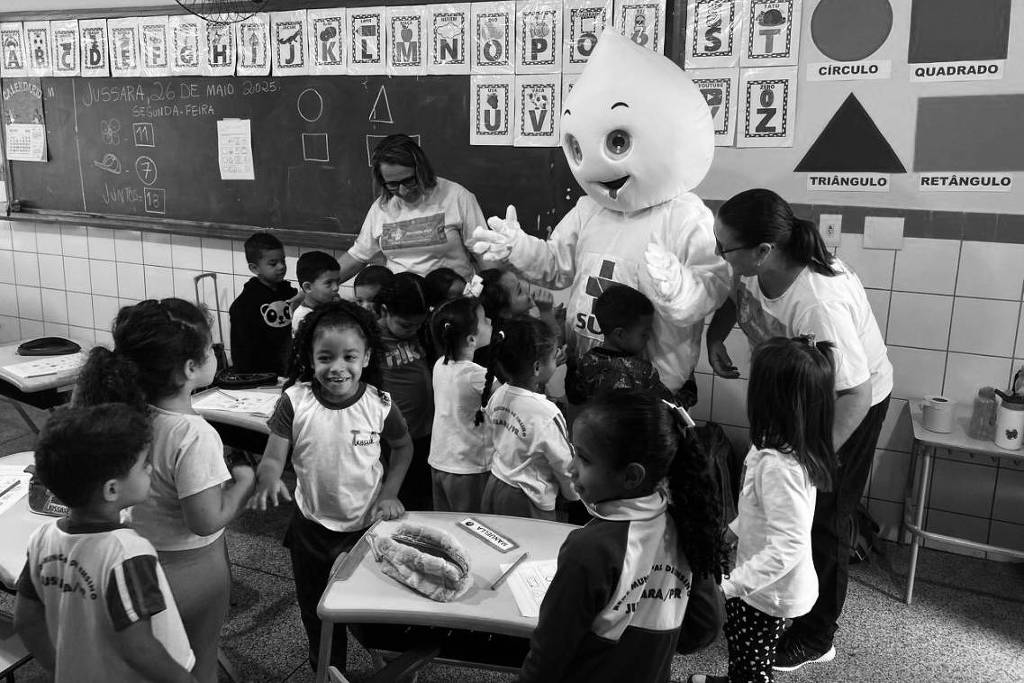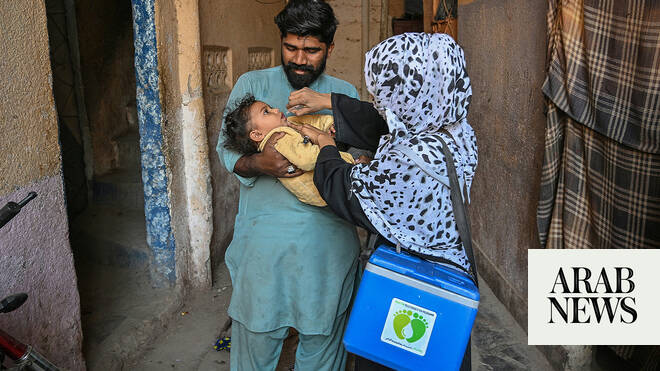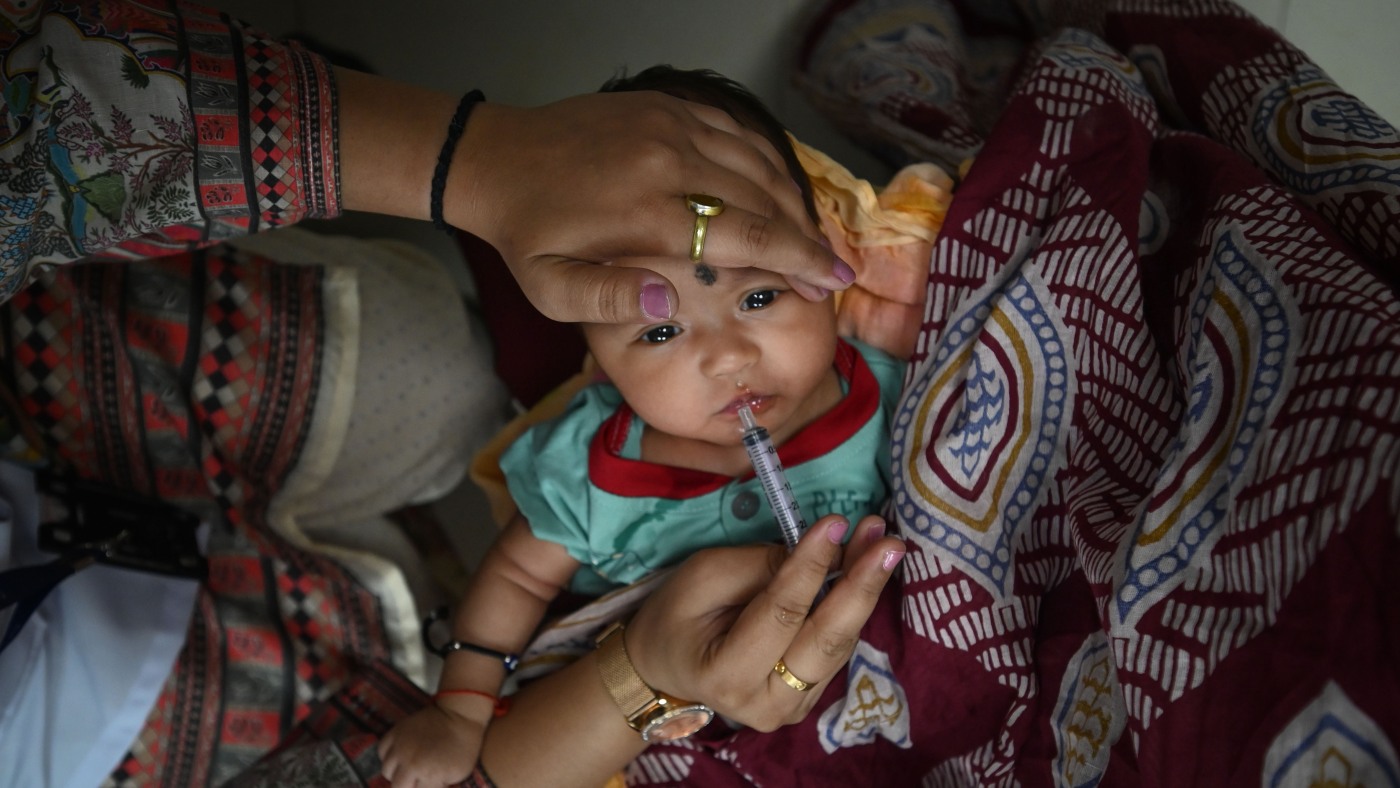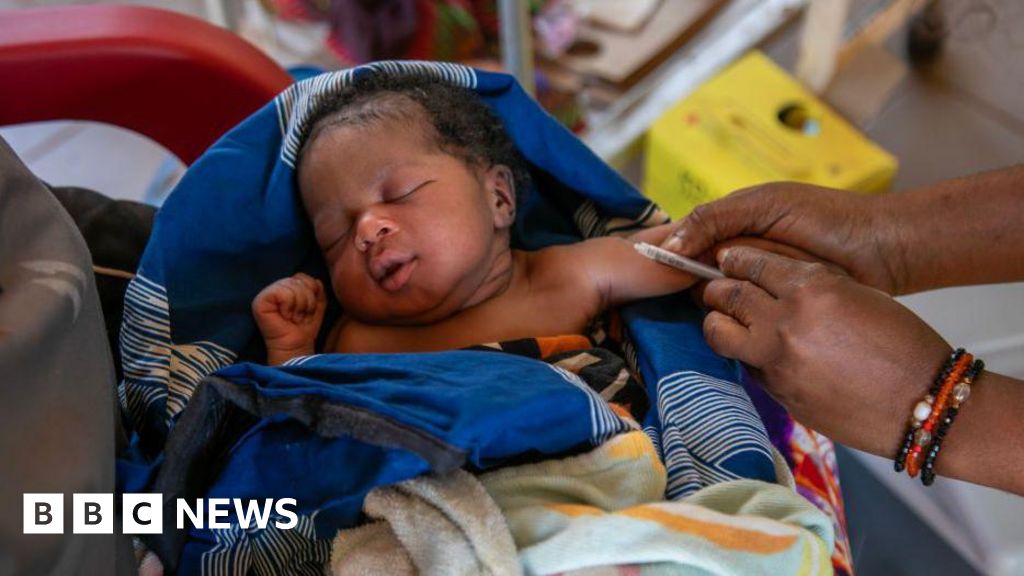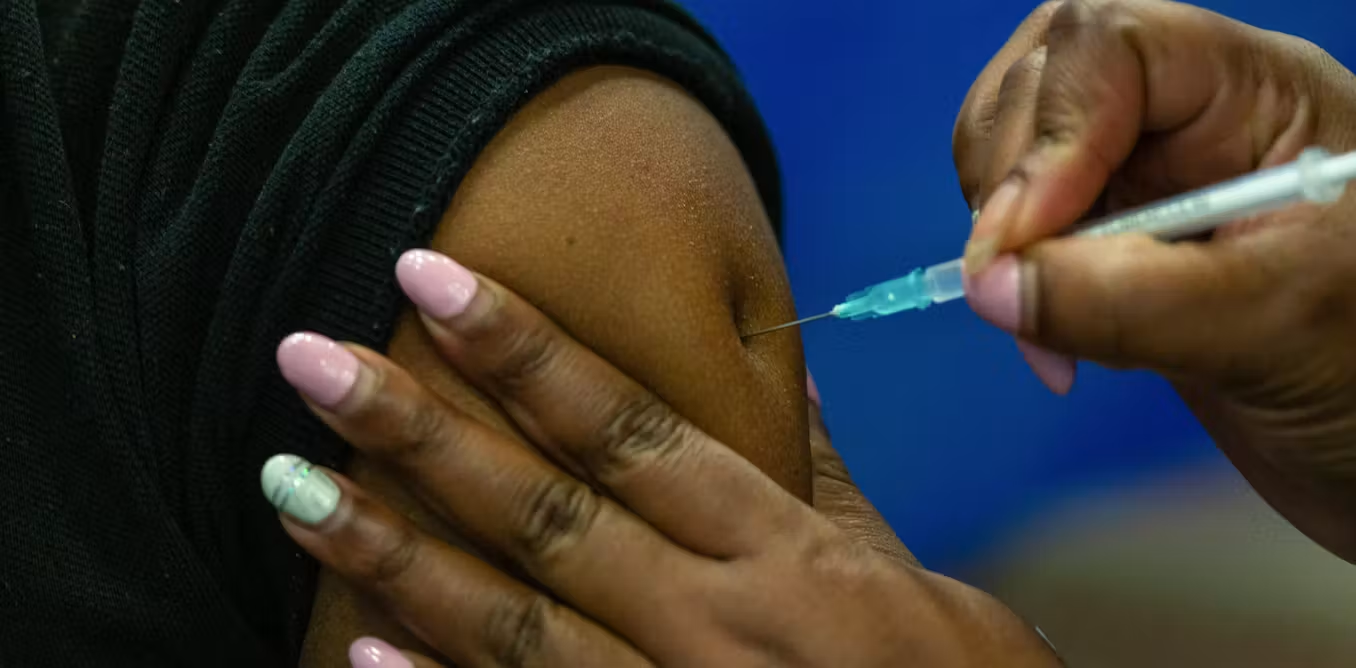
Vaccine uptake has been declining in Brazil and South Africa over the last decade. This decline has reversed important gains in protecting children against vaccine-preventable diseases such as measles, polio, diphtheria and whooping cough.
Both countries have well-established, universal and free childhood immunisation programmes. In Brazil, coverage has dropped 10-20 percentage points since 2016 and remains below the 95% target for several routine vaccines. In South Africa, vaccination coverage has steadily declined since 2015. For example, coverage for the first dose of measles-containing vaccine (MCV1), a key indicator of immunisation programme performance, decreased from 86% in 2015 to 76% in 2024.
Reasons include social conditions, personal experiences, cultural beliefs, and access to health services. These vary across groups and contexts.
As researchers in public health, we have studied how these different social contexts shape routine childhood immunisation in Brazil and South Africa.
The study formed part of the PhD research of physician and lecturer Camila Matos, conducted under the supervision of professors Marcia Couto in Brazil and Charles Shey Wiysonge in South Africa.