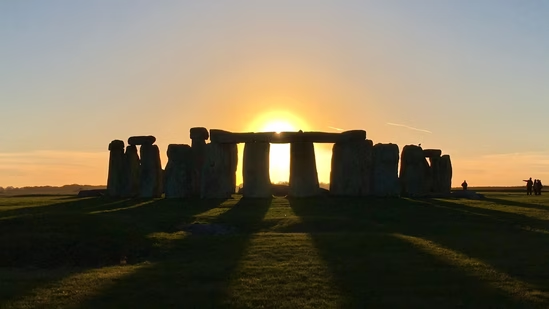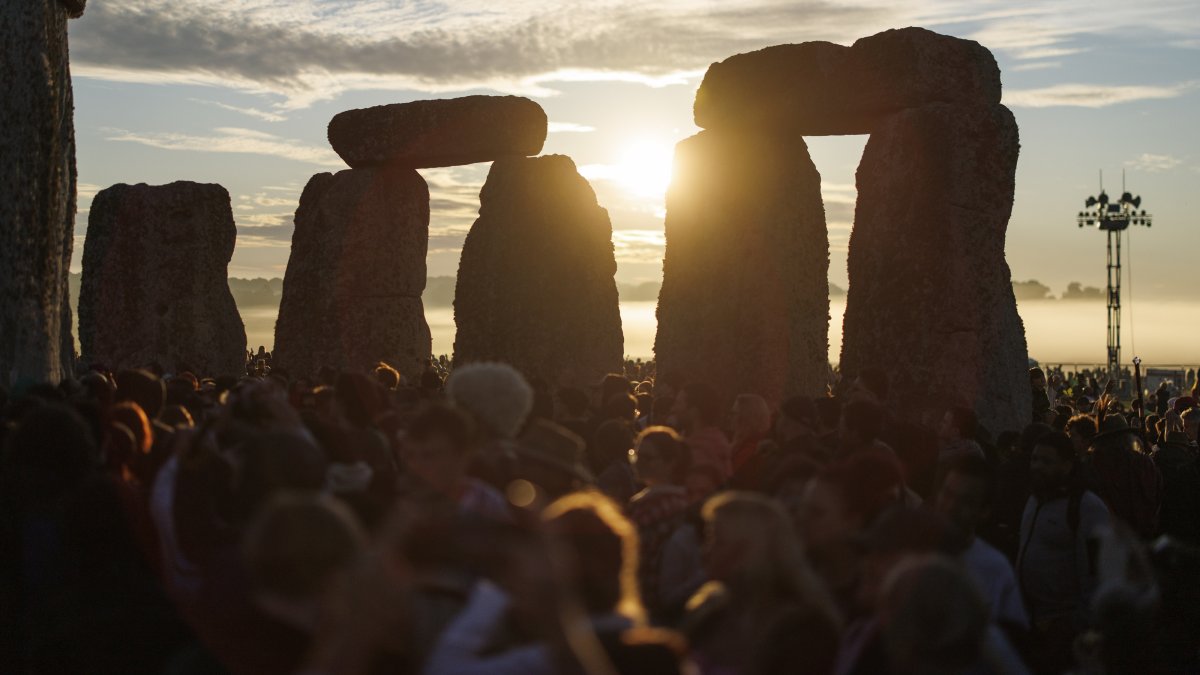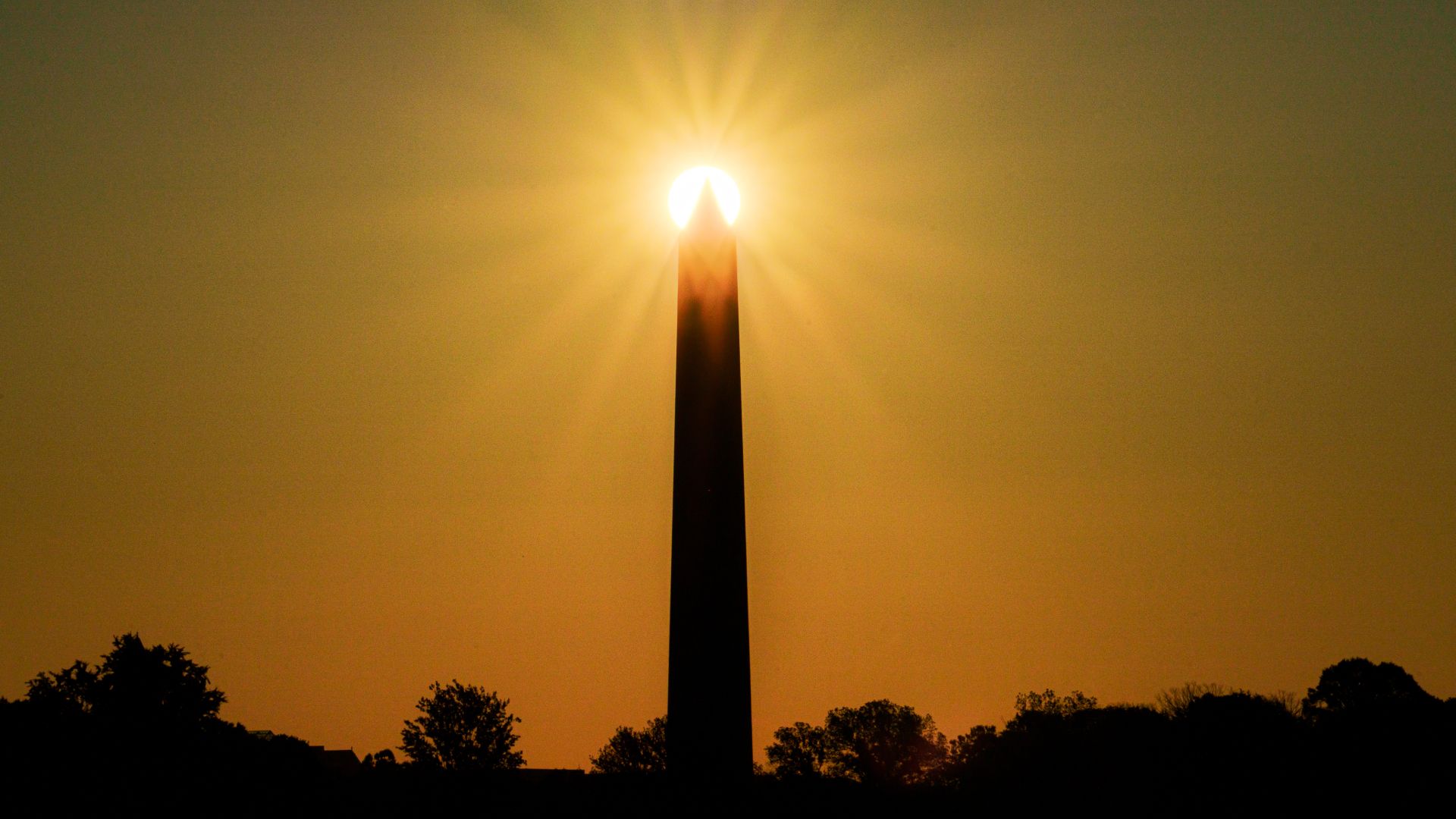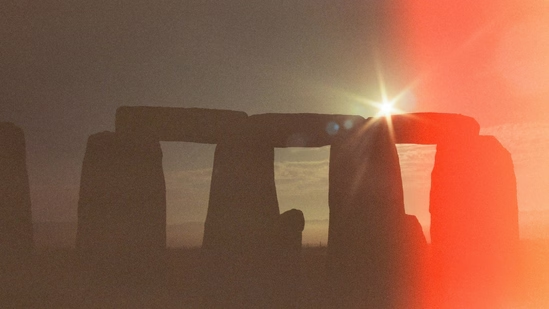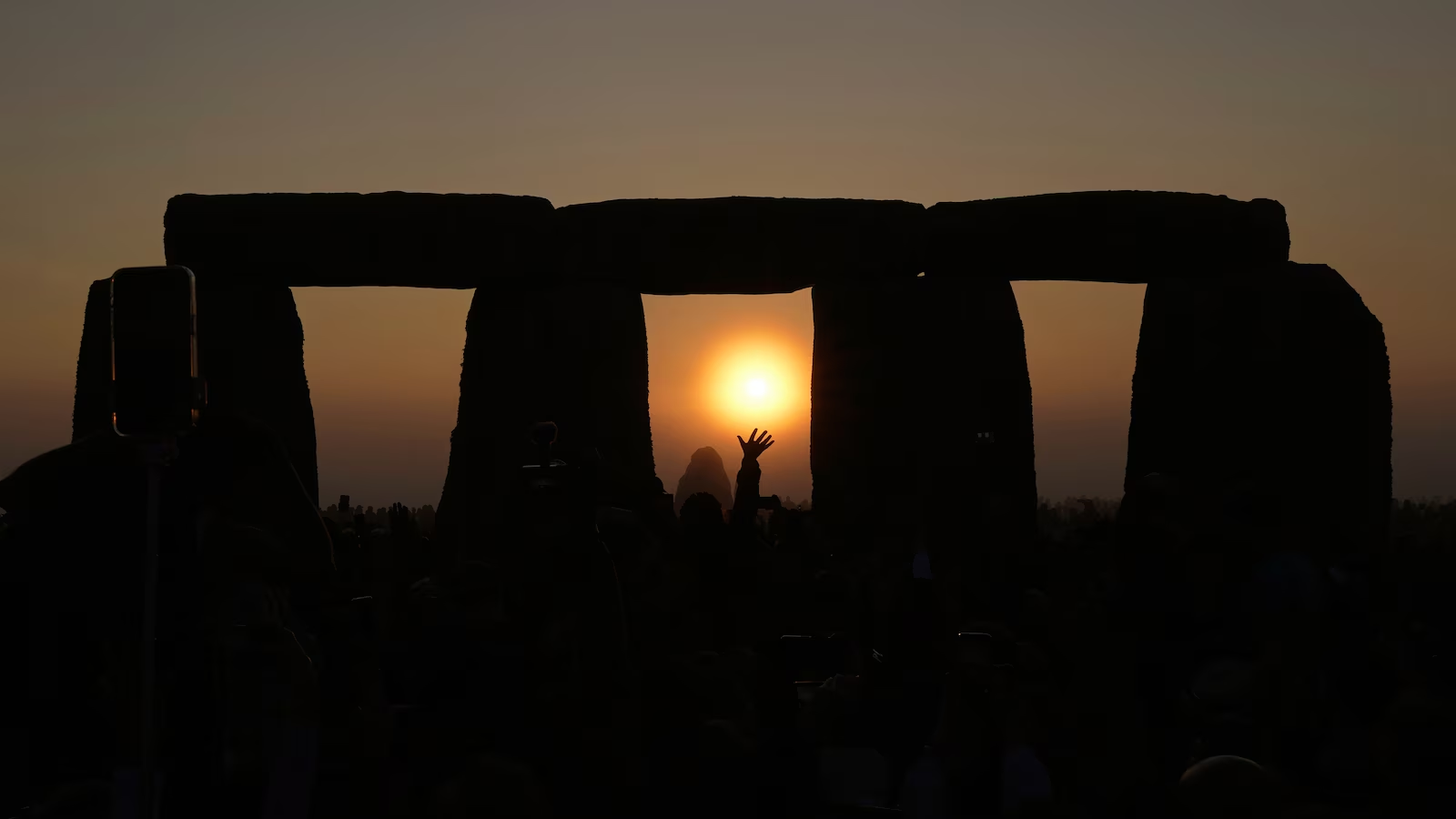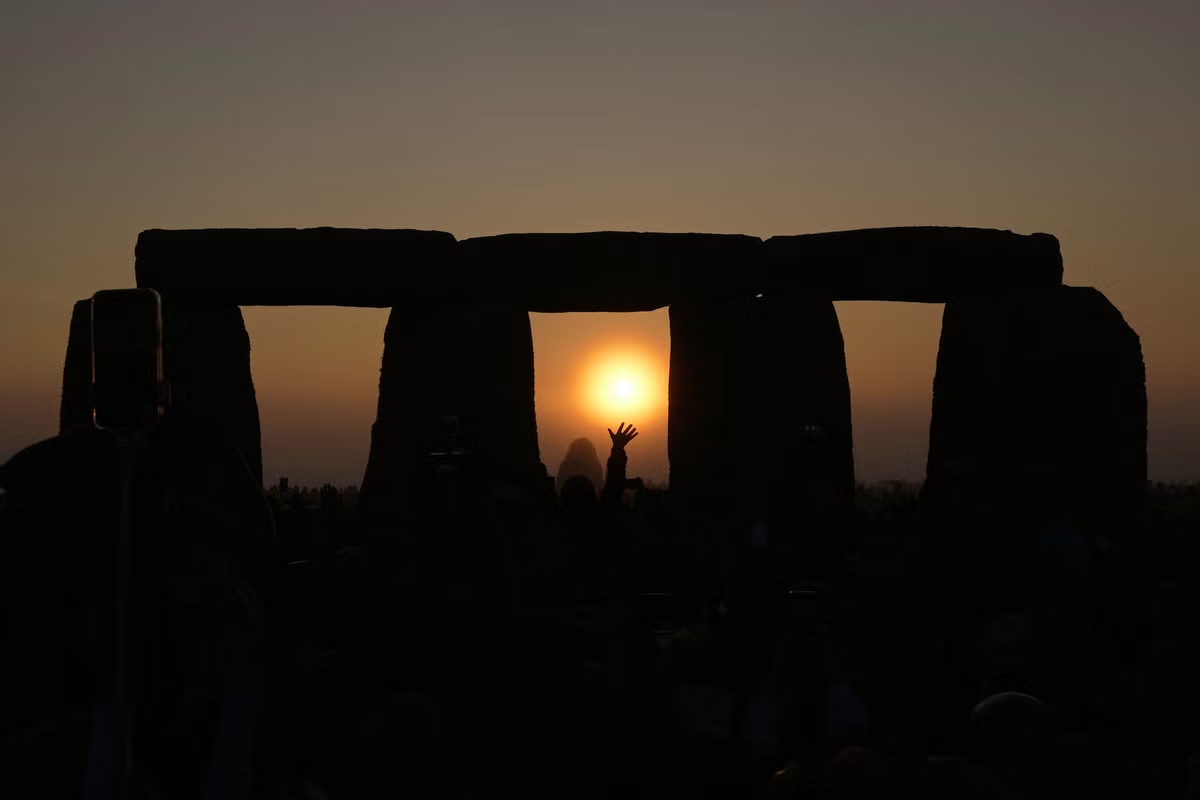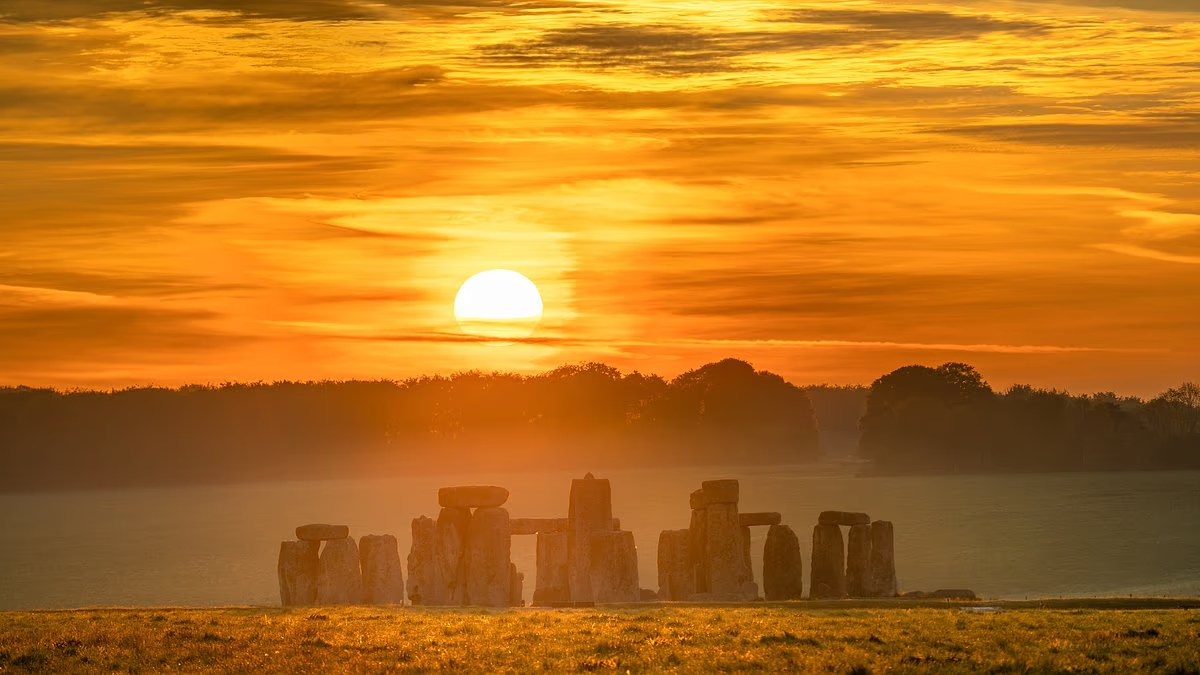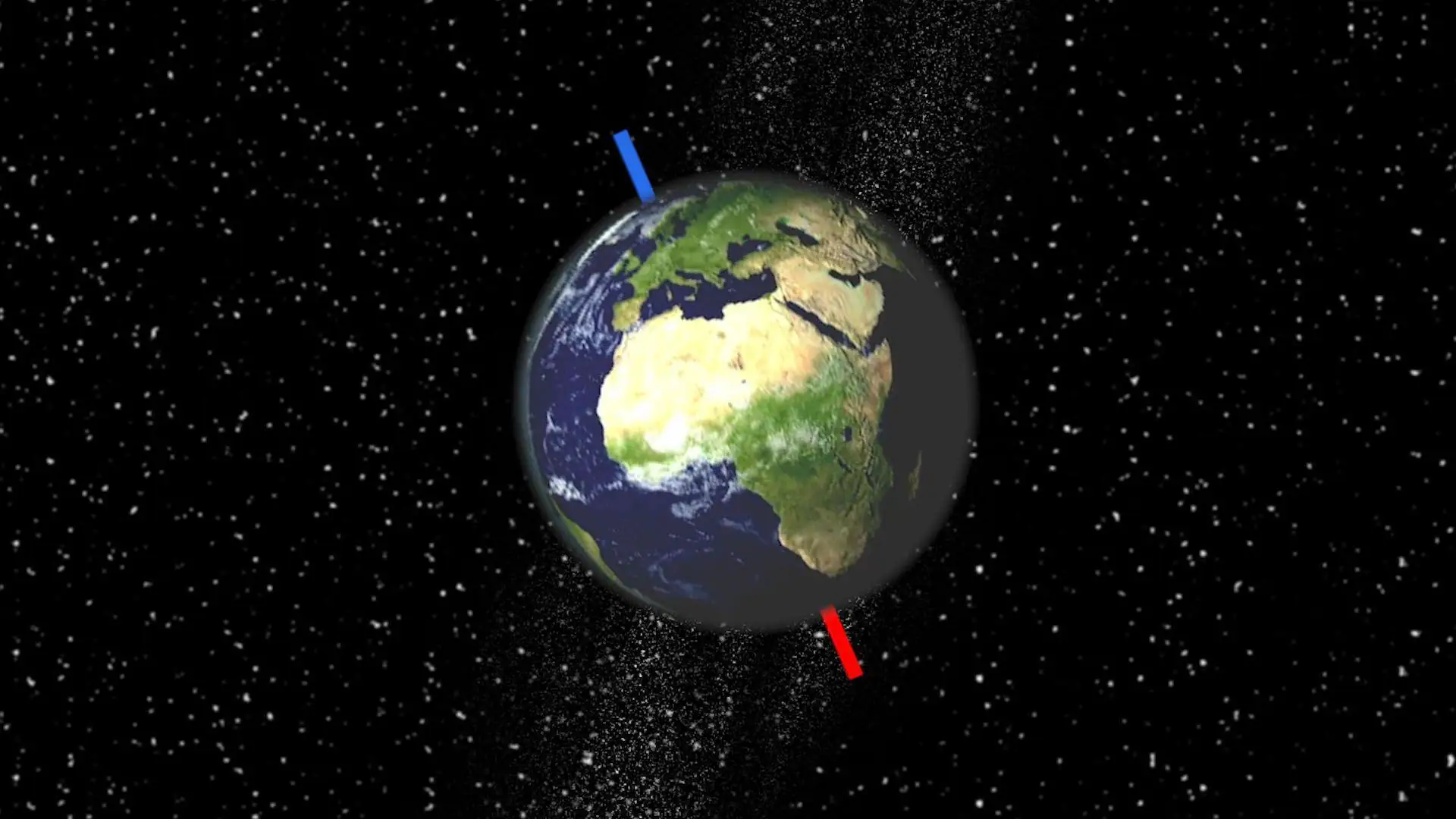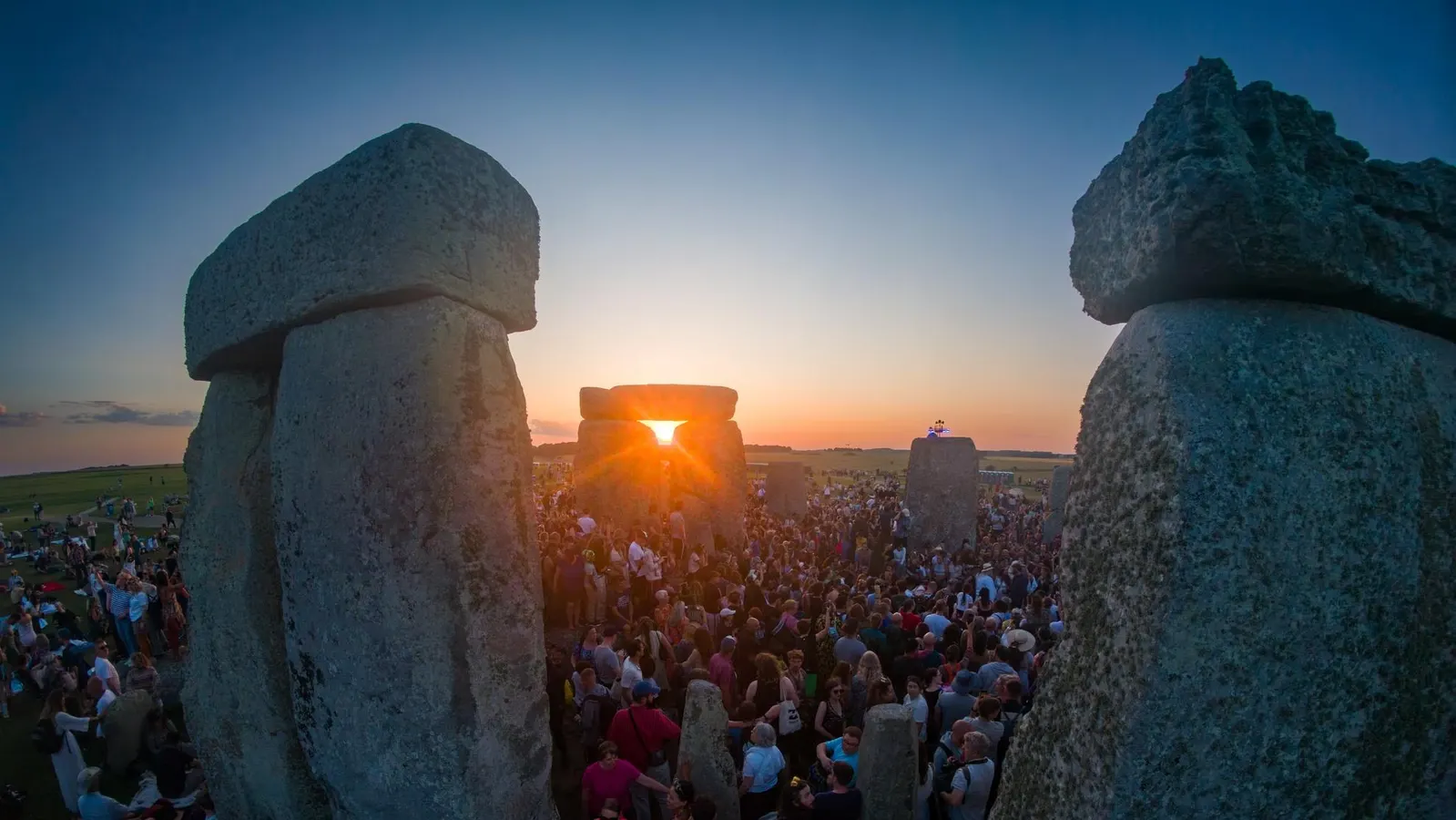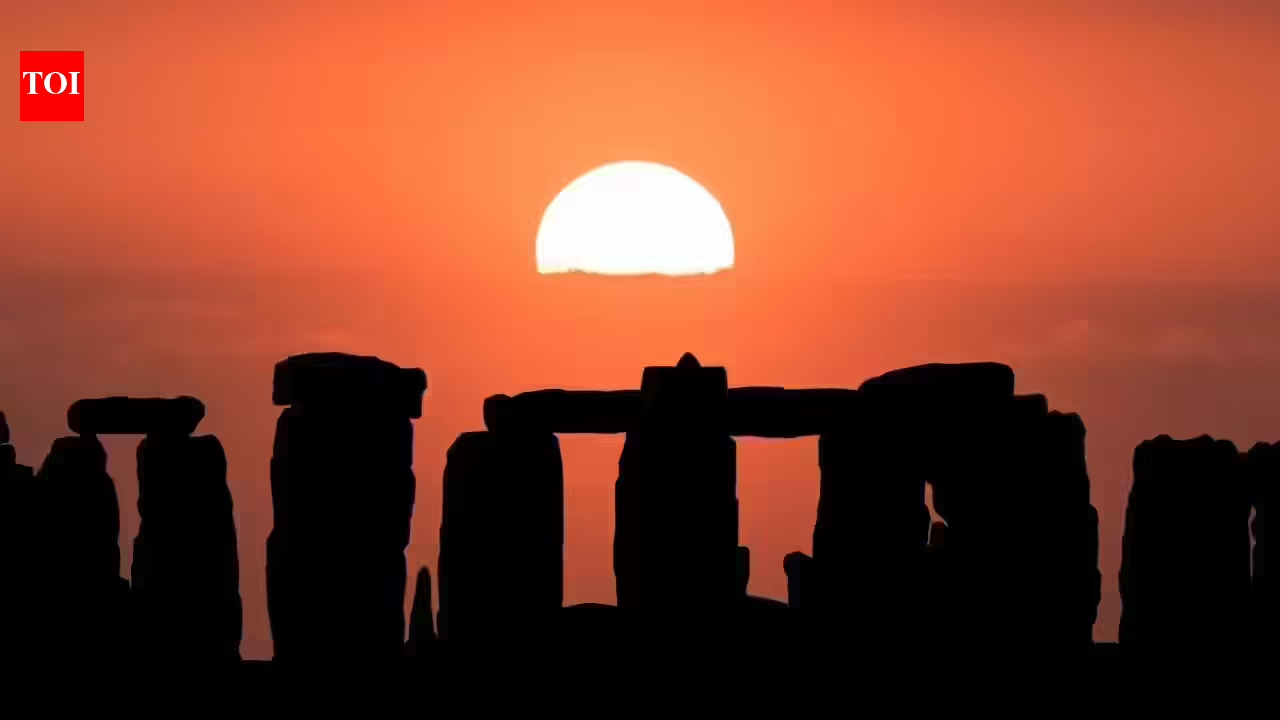
Summer Solstice 2026 is being observed today, 21 June, marking the longest day and shortest night of the year in the Northern Hemisphere. This annual astronomical event occurs when the Sun reaches its highest point in the sky, giving many places their maximum amount of daylight. For centuries, the Summer Solstice has fascinated scientists, astronomers and cultures around the world. Interestingly, it also falls on International Yoga Day, making 21 June a day associated with both science and well-being.But why does today have more daylight than any other day of the year? The answer lies in the way Earth is tilted as it travels around the Sun.What is the Summer Solstice?The Summer Solstice is the moment when the Northern Hemisphere is tilted most directly towards the Sun. Because of this position, the Sun appears higher in the sky and remains above the horizon for a longer period than on any other day of the year.In 2026, the Summer Solstice falls on 21 June, officially making it the longest day of the year for countries in the Northern Hemisphere.Why is 21 June the longest day of the year?The reason is Earth's 23.5-degree axial tilt. As Earth orbits the Sun, different parts of the planet receive varying amounts of sunlight. On 21 June, the Northern Hemisphere is tilted towards the Sun more than at any other time during the year.This means:Daylight lasts longer than on any other dayThe Sun follows its highest and longest path across the skyThe Northern Hemisphere receives the most direct sunlightNight-time hours are at their shortestAs a result, today experiences the greatest amount of daylight in the year.The science behind the Summer SolsticeAlthough the Summer Solstice is often linked with summer holidays and warm weather, it is actually an astronomical event.The phenomenon occurs because:Earth is tilted at approximately 23.5 degreesThe Sun is positioned directly above the Tropic of CancerThe Northern Hemisphere receives maximum solar exposureThe Sun reaches its highest noon position of the yearThese factors combine to create the longest day and shortest night.How does the Summer Solstice affect India?In India, the difference in daylight hours is noticeable but not extreme compared with countries located much further north.On the Summer Solstice:Days are slightly longer than averageSunrise occurs earlierSunset takes place laterThe Sun appears higher overheadCities such as Delhi, Mumbai and Chennai experience only modest variations in daylight compared with regions closer to the Arctic Circle.Why is the Summer Solstice linked to International Yoga Day?Every year, International Yoga Day is celebrated on 21 June, the same day as the Summer Solstice. The date was chosen because the solstice has long been associated with balance, energy and renewal in many traditions.The connection symbolises:Harmony between humans and naturePhysical and mental well-beingBalance in everyday lifeAwareness of natural cyclesThis gives 21 June both scientific and cultural importance.Does the longest day mean the hottest day?No. The longest day of the year is not necessarily the hottest. Even after the Summer Solstice, the Earth's surface and oceans continue to absorb heat. This process, known as thermal lag, causes temperatures to keep rising for several weeks.As a result:Peak summer temperatures often arrive laterJuly and August are usually hotter than JuneLand and water take time to warm fullyThis is why the hottest days generally occur after the Summer Solstice.What happens after 21 June?Once the Summer Solstice has passed, daylight hours gradually begin to decrease.After today:Days slowly become shorterNights become longerThe Sun's position shifts southwardThe journey towards the Winter Solstice beginsThe change is gradual at first but becomes more noticeable as the year progresses.Why has the Summer Solstice been important throughout history?For thousands of years, people have celebrated the Summer Solstice as a significant moment in the seasonal calendar.Historically, it has been viewed as:A symbol of light and abundanceA marker for agriculture and harvest cyclesA seasonal turning pointA time for cultural and spiritual celebrationsAncient sites such as Stonehenge are famously aligned with the solstice sunrise, highlighting its importance to earlier civilisations.Summer Solstice 2026: A celebration of Earth's journeyThe Summer Solstice is much more than the longest day of the year. It is a reminder of the remarkable way Earth moves through space and how its tilt creates the changing seasons.As people around the world mark International Yoga Day and enjoy the extra daylight, the Summer Solstice continues to inspire curiosity about the natural world and our place within it.Inputs from agencies
Summer Solstice 2026 June 21: Why it’s the longest day of the year, its significance, science behind it, and how it affects you
Summer Solstice 2026: Today, 21 June 2026, marks the Summer Solstice, the longest day of the year in the Northern Hemisphere. Caused by Earth's 23.5-degree axial tilt, this astronomical event brings the maximum number of daylight hours and the shortest night of the year. Interestingly, it coincides with International Yoga Day, linking a significant scientific phenomenon with themes of balance and well-being. While India experiences slightly longer days today, the hottest days of summer usually arrive later due to a phenomenon known as thermal lag.
723 words~3 min read