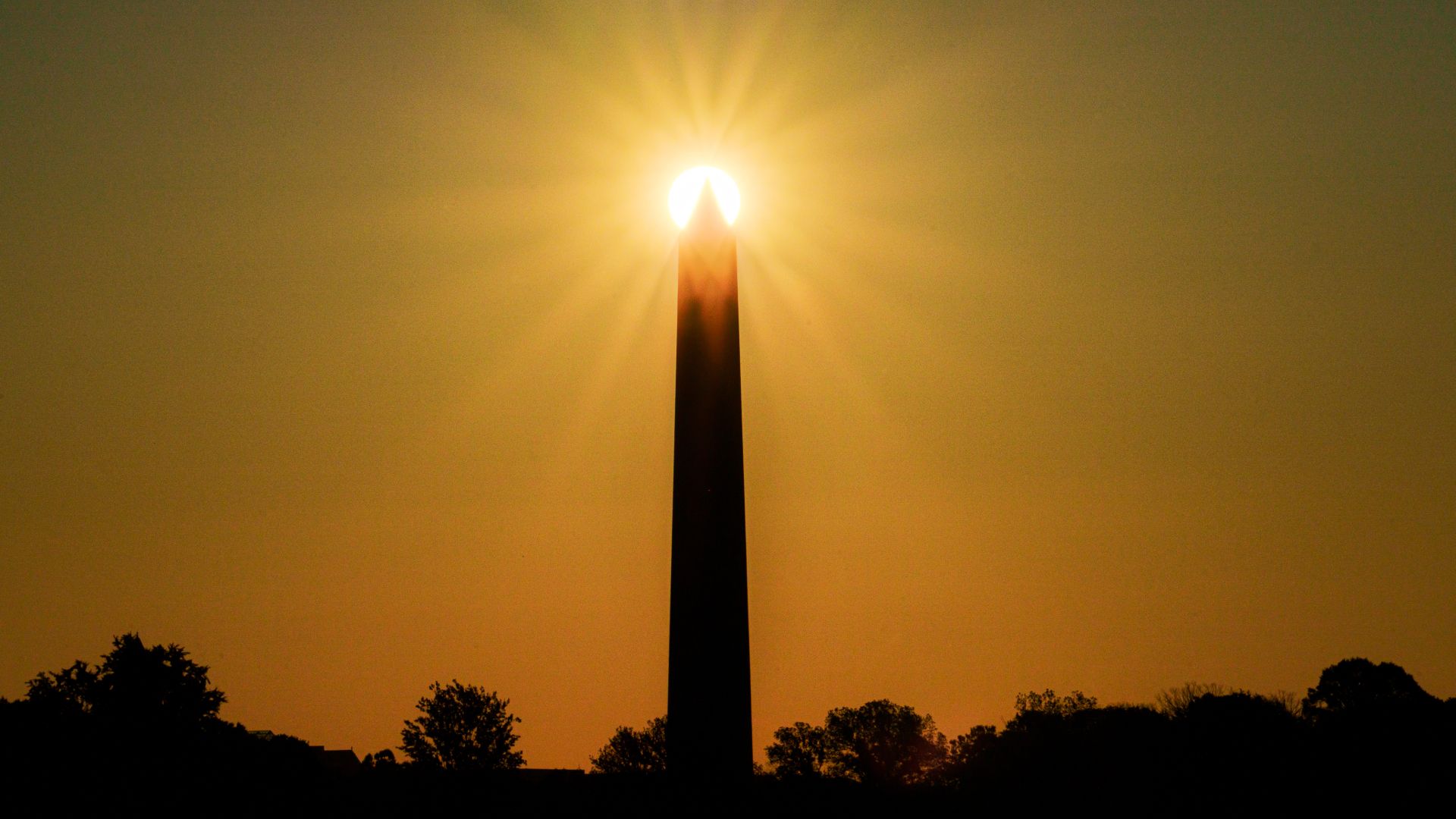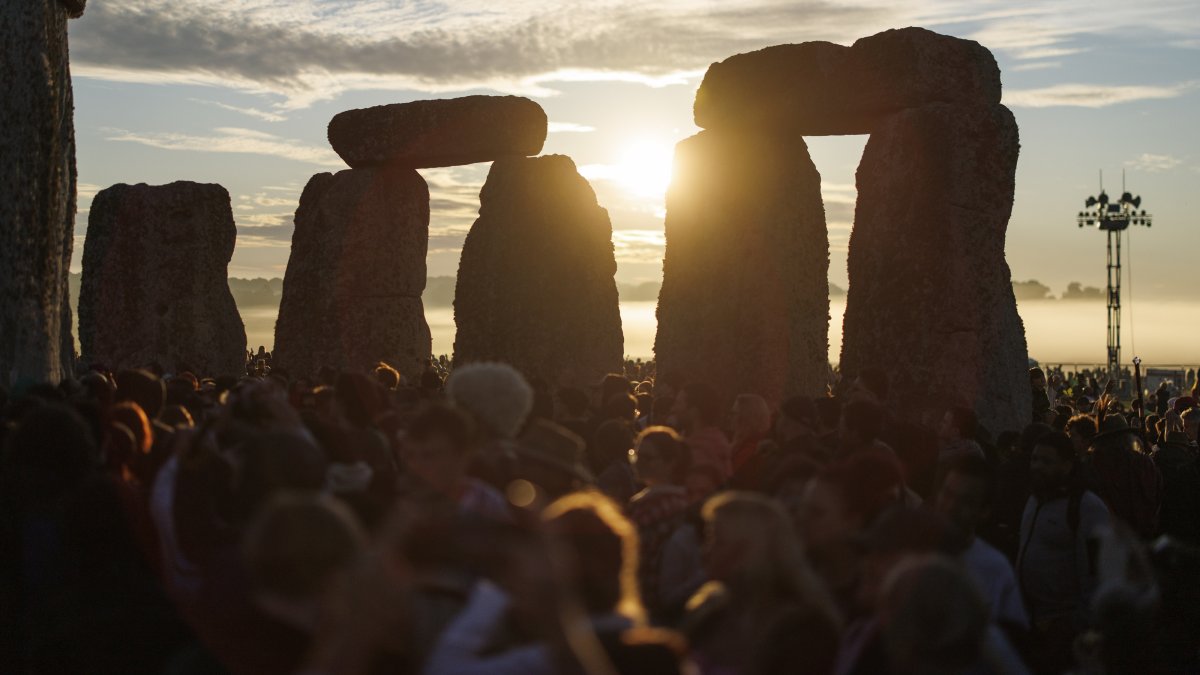
This is the sun's time to shine: June 21 is the longest day of the year in the Northern Hemisphere.
June 21 is the solstice, marking the start of astronomical summer north of the equator. It’s the opposite in the Southern Hemisphere, where it is the shortest day of the year and winter will start.
The word "solstice” comes from the Latin words "sol,” for sun, and "stitium,” which can mean "pause” or "stop.” The summer solstice is the end of the sun’s annual march higher in the sky, when it makes its longest, highest arc. The bad news for sun lovers: It then starts retreating and days will get a little shorter every day until late December.
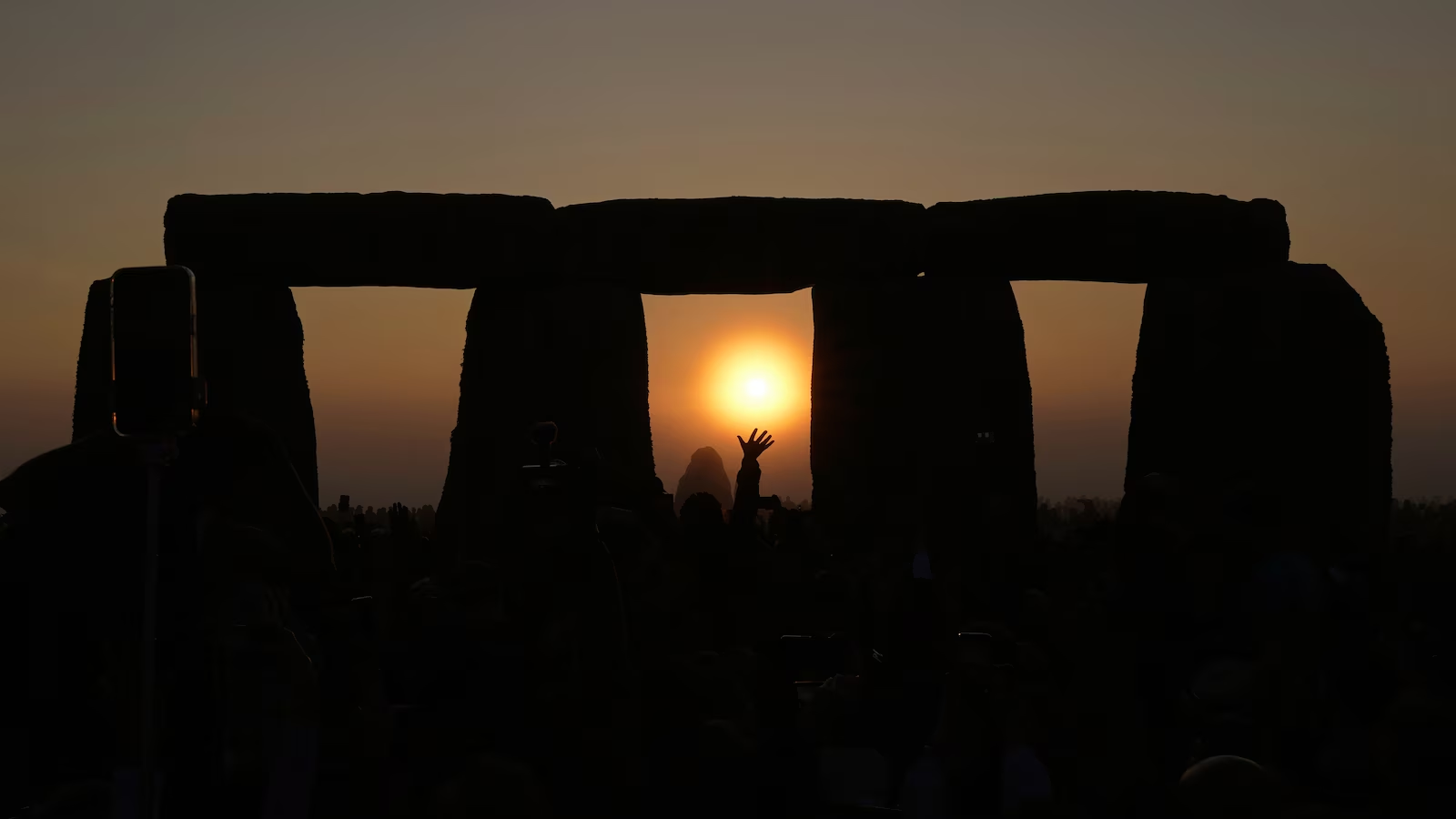
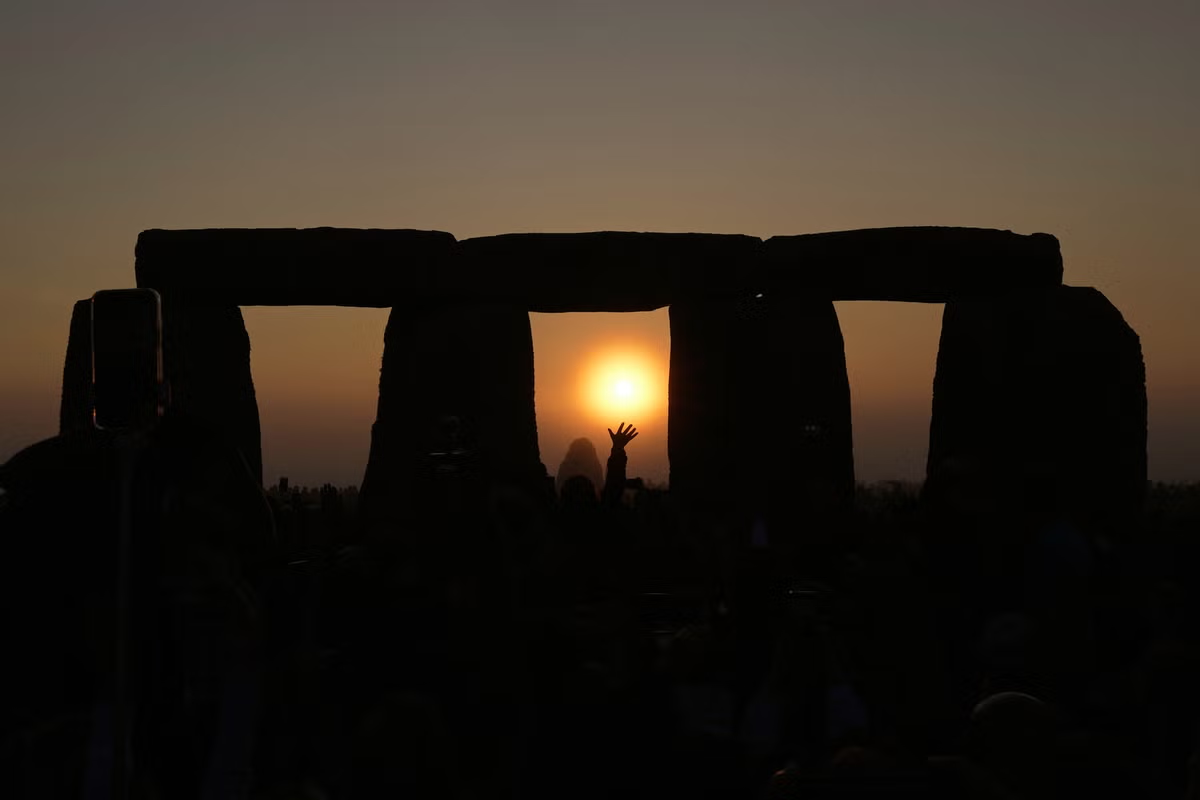
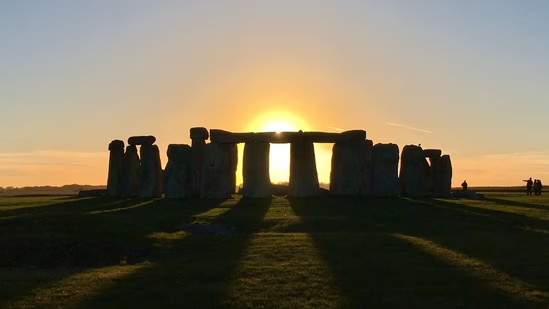
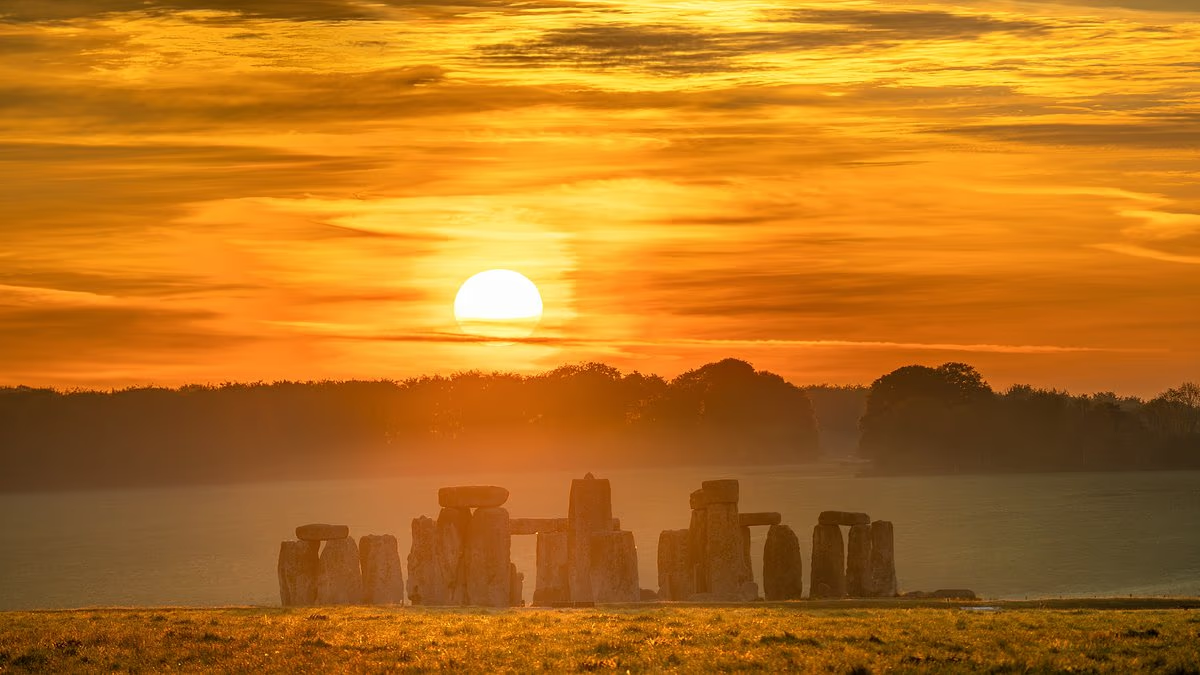
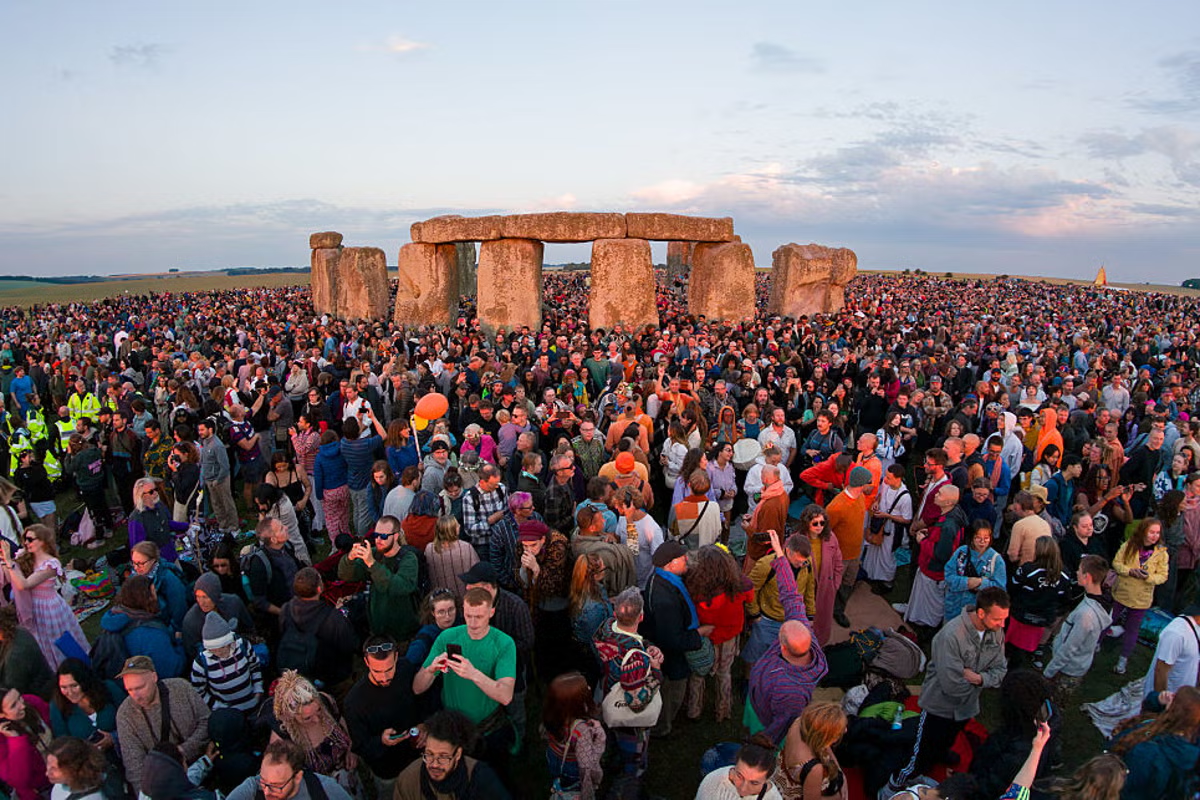
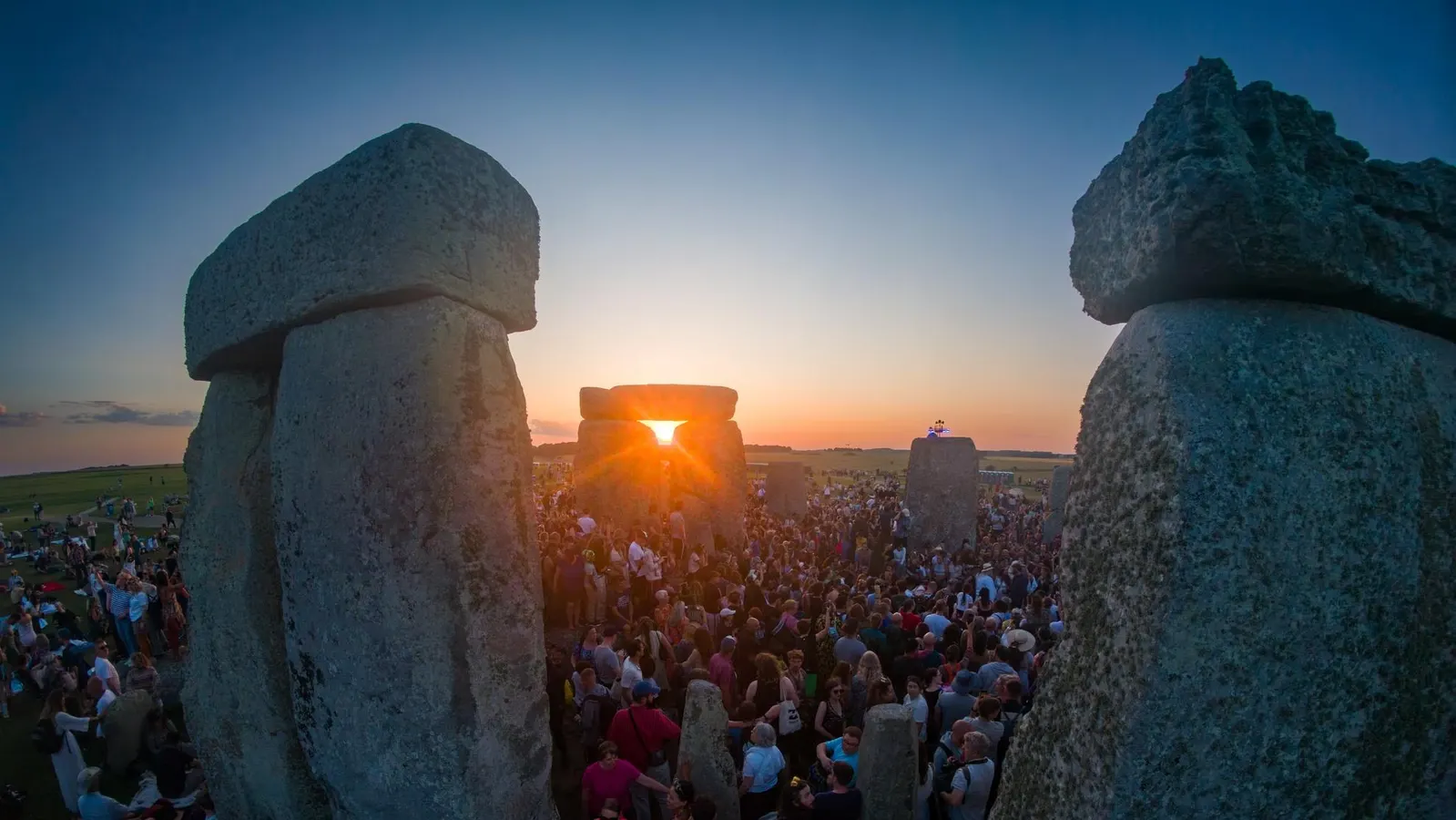
People have marked solstices for eons with festivals and monuments, including Sweden's midsummer eve celebrations and Stonehenge, which was designed to align with the sun’s paths at the solstices.
Here’s what to know about the Earth’s orbit.