(Image credit: Getty Images)
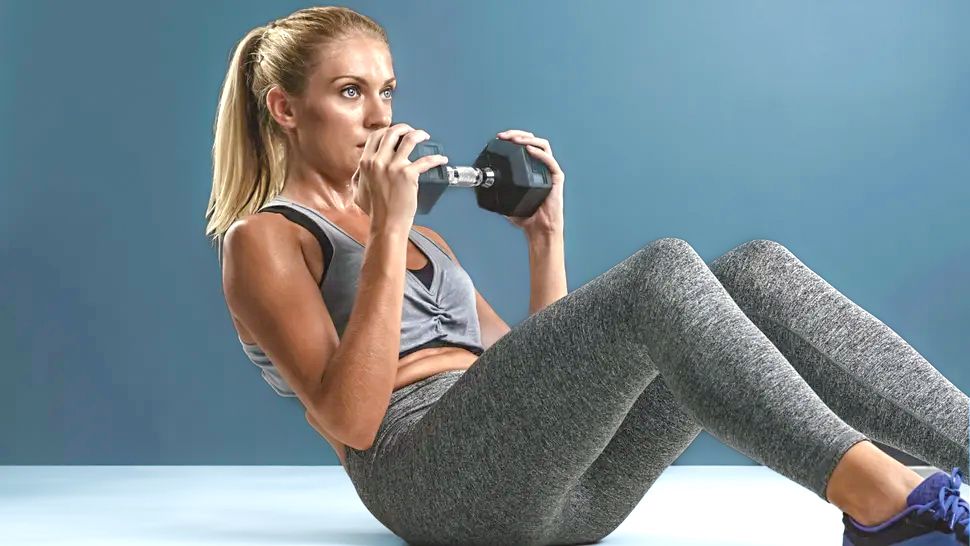
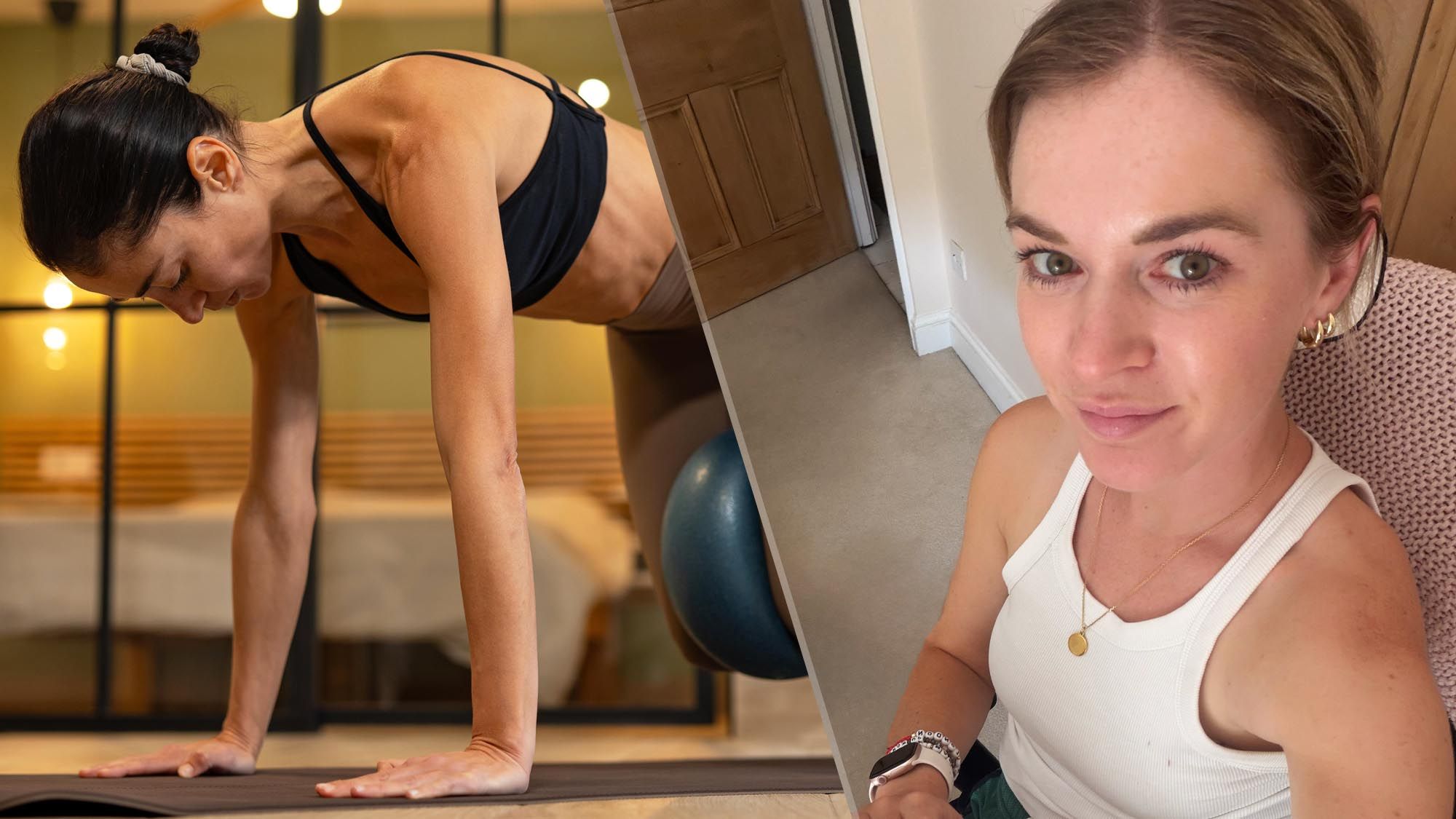
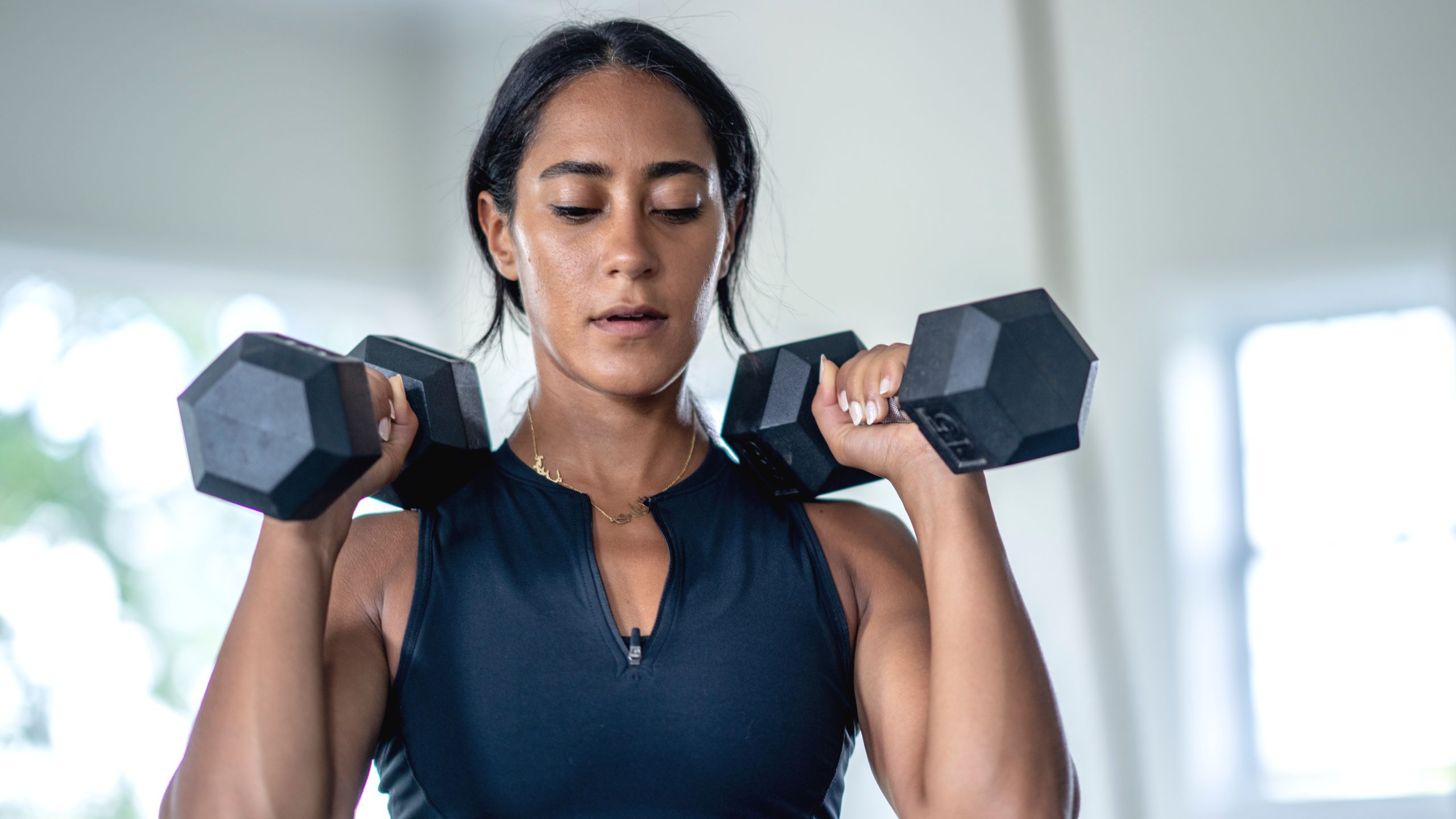
When we talk about building a strong core, we’re referring to a lot more than six-pack abs. Your core is a collection of muscles that make up your midsection, acting as your body’s corset, as well as protecting your spine from injury. Yet when we think of core exercises, we typically picture sit-ups and crunches performed on an exercise mat.Standing ab exercises are not only more accessible to a lot of people, but they’ll often work your core harder than you would lying down, as your deep stabilizer muscles have to fire to work against gravity and keep you upright. According to one personal trainer, the dumbbell overhead march is the best deep-core exercise for building functional fitness and addressing muscle imbalances in the body. Read on to find out how to do it, and what happened when I swapped my regular core exercises with this one for a week.As a reminder, if you’re a complete beginner or you’re currently dealing with an injury, it’s always best to seek personalized advice before trying something new. This exercise is safe for pregnant and postpartum women, but please seek advice from your doctor or midwife before working out.What is the exercise? All you’ll need for this exercise is a set of dumbbells (check out the best adjustable dumbbells for working out at home here).As a reminder, the right weight will feel challenging, but not impossible, by the final few reps. If at any time you feel like holding the weights above your head is making you arch your back or hunch, the weight is too heavy. It’s better to use a lighter weight and move with good form than put yourself at risk of injury.Here’s how to do a dumbbell overhead march with good form:Start by standing with your feet slightly wider than hip-width apart, holding a dumbbell in each hand.Engage your core, thinking about squeezing your belly button into your spine and zipping your abs up and in, and raise both dumbbells above your head. Keep your arms reaching to the ceiling.Keeping your upper body still, bend one knee and bring it up towards your torso. Pause at the top, before lowering it back to your starting position.Repeat on the opposite leg, moving slowly and with control.Keep switching sides, ensuring you complete the same number of reps on each leg.It’s important to really think about your abs during this move — keep your torso braced throughout. Don’t let the dumbbells creep down towards your shoulders too. Keep your elbows locked, thinking about pushing the dumbbells up towards the ceiling.Get instant access to breaking news, the hottest reviews, great deals and helpful tips.What are the benefits? Compared to sit-ups and crunches, this exercise helps you build functional fitness in your deep core. By this, we mean the kind of fitness you need to carry a heavy bag of groceries or lift something down from a shelf. All of the core muscles will be firing throughout this move to stabilize your torso as you keep the weights lifted and march your legs.Standing ab exercises are also fantastic for anyone who finds it tricky to lie down on an exercise mat, whether that be because of mobility issues, injuries, or pregnancy. You’ll probably burn more calories during standing ab exercises like this one, as you’ll also be working your upper and lower body at the same time.I swapped my dead bugs and crunches for this exercise as my abdominal finisher for a week, and really felt this exercise working my core, but also my shoulders and hip flexors. As a runner and a fitness editor who spends most of her day sitting down behind a desk, if my hip flexors weren’t tight, I’d be superhuman. I had to really think about slowing this move down and pausing at the top of the exercise with one leg lifted to my torso, balancing on one leg. As a runner, single-leg exercises like this are essential for addressing any imbalances in my body, helping avoid injuries, so this is a move I’ll be keeping in my routine for the foreseeable.More from Tom's GuideNot sit-ups, planks, or crunches: I do this simple Pilates exercise every single day to build a strong and stable core and work on my hip flexor mobilityNot sit-ups or lunges — I use this simple Pilates exercise to sculpt strong obliques, inner thighs and hip stabilizers'I’m a Pilates instructor, and I recommend these 5 core exercises to help older clients build strength and improve posture'