Park Jun-hee
I ask the hard questions, so you don't have to 🗞️📝
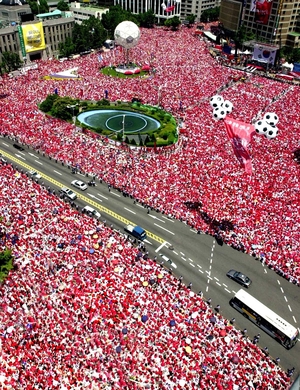
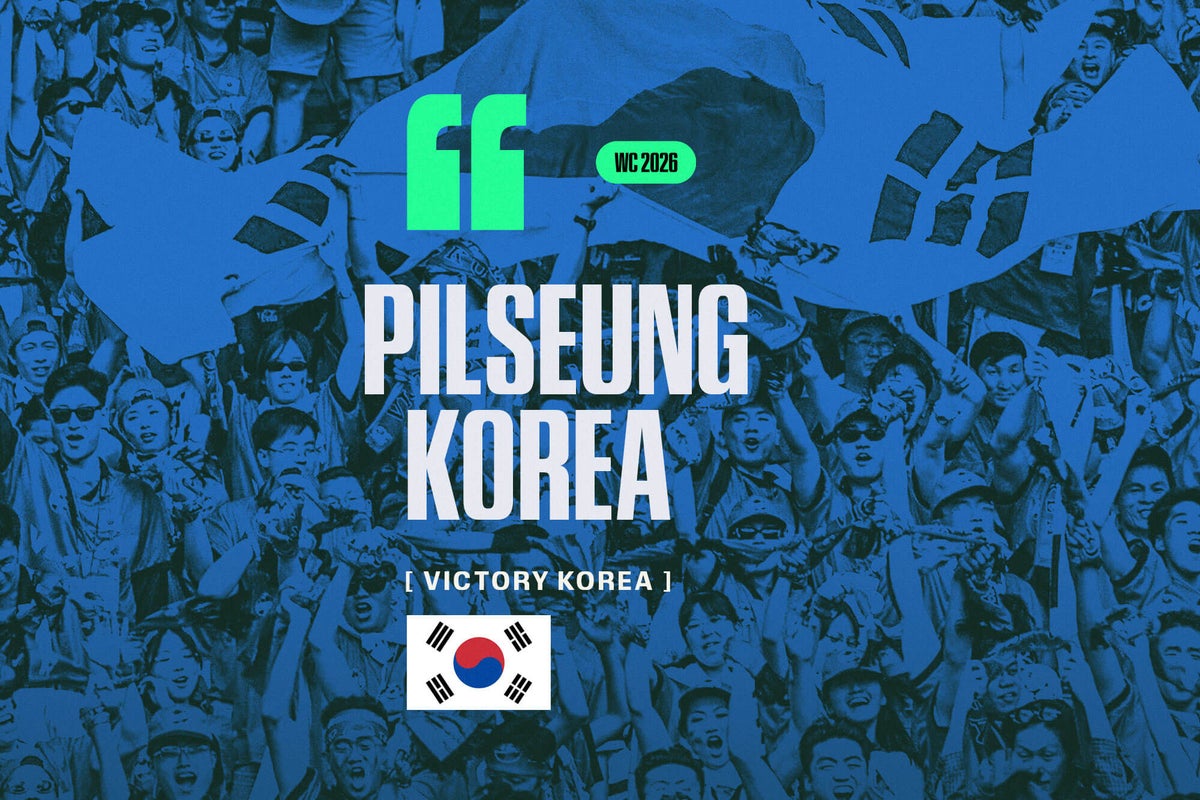
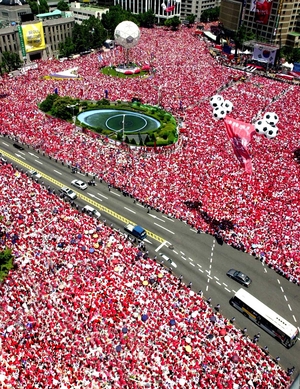
Anchored by memories of the country’s 2002 miracle run, World Cup transcends sport in S. Korea, becoming an expression of unity, belonging and collective emotion Soccer fans gather in the streets of central Seoul in this file photo from June 29, 2002, during the World Cup. (The Korea Herald) Every four years, something shifts — almost overnight.People who rarely follow soccer start checking kickoff times. Office chatter turns from deadlines to defensive lines. Group chats fill with lineup predictions, referee complaints and late-night watch plans.This is the pull of the FIFA World Cup. Arguably the world’s biggest single-sport spectacle, it has a way of transforming South Korea every four years.Streets grow louder, emotions run higher and a shared sense of national pride takes over. The feeling may be temporary, but few events — not even the Olympics or the World Baseball Classic — stir the same level of collective passion.Korea’s four-year soccer obsessionEvery World Cup season brings back a familiar figure: the “fly-by-night fan,” referring to people who generally pay little attention to the sport, but become fully invested once the tournament begins.Park Jun-seo, a 26-year-old job seeker, calls herself one of them. She normally would not sit through a full soccer game and admits she barely even knows the rules, formations or how many players make up a team. But upon kickoff, Park finds herself completely swept up in an excitement she didn’t know she had.“Unlike me, my family members are all avid soccer fans. They regularly watch the men’s national team matches and friendlies. My dad and sister even follow the Premier League and the UEFA Champions League,” Park told The Korea Herald.Once the World Cup starts, even her family members can’t match her enthusiasm.When Korea played Brazil in the Round of 16 at the 2020 FIFA World Cup, Park was the only member of her family who stayed up to watch the game, which started at 4 a.m. in Korea.“For some reason, the World Cup creates an atmosphere where participation feels almost inevitable. It’s fun reacting to the matches and making predictions,” she added. Fans wave the South Korean flag during the 2002 FIFA World Cup. (National Archives of Korea) The same goes for Ha Yoo-rim, a 20-year-old university student.“For some reason, the World Cup hits differently. Even people who normally don’t care about soccer start paying attention. Once it starts, it’s hard not to get caught up in the atmosphere,” she said.Ha went on to say that she “feels part of the team,” especially when players sing the national anthem before the match.“The World Cup has a power that pulls everyone in. Even people who normally don’t follow soccer suddenly start caring about the matches and the players,” Ha said.Ha’s experience reflects a broader phenomenon in Korea, where the World Cup often transcends sport and becomes a shared national event.A survey by CJ Mezzomedia in March found that 6 in 10 Koreans plan to watch national team matches during the ongoing World Cup, with those in their 30s to 50s showing the strongest intention. The survey was conducted among 300 people ages 15-59.During and after games, respondents said they might search for match results and player information and revisit highlights on video platforms and portal sites, suggesting that support for the team goes beyond expectations of victory or interest in star players.Soccer and collective identityExperts point to Korea’s strong sense of collective identity, rooted in shared history and a culture that values social unity, as one reason the World Cup resonates so deeply with the public, even among people who pay little attention to the sport outside the tournament.Huh Chang-deog, a sociology professor at Yeungnam University, noted that soccer has long held a unique place in Korean society because of the unusually strong sense of unity and collective emotion it generates.As one of the earliest modern team sports to gain mass popularity in Korea, soccer gradually became woven into the country’s culture, the professor said. He also noted the sport’s strong emphasis on teamwork and collective play, which has strengthened the emotional sense of unity felt by supporters. Crowds gather at Beomeo Intersection in Daegu to support South Korea during its match against Togo during the 2006 FIFA World Cup. (Daegu Metropolitan City) “People sometimes question whether patriotism still exists in modern-day society. But moments involving clear external competition, particularly in international sports, often bring out a sense of unity and harmony among Koreans,” the professor said.Even before South Korea established itself as a regional soccer powerhouse, the sport had already become a major source of public passion. In the 1960s and 1970s, matches against regional rivals often sparked nationwide emotional reactions, while stars such as Cha Bum-kun — one of the greatest soccer players South Korea has ever produced — became symbols of national pride.“Players don't just compete as athletes, but as symbols of their countries, representing far more than soccer in a competition that determines the best nation in the world. That brings out the sense of belonging people feel within a larger community,” Huh said. South Korea's men's national soccer team (Korea Football Association) Lim Myung-ho, a psychology professor at Dankook University, said the emotional bond is linked to the human desire to belong.“While the country has become increasingly individualistic in recent years, the society still places strong value on collective belonging and group identity,” Lim said.“So even if Koreans are not avid fans of the sport, that sense of belonging can trigger intense emotional reactions and a brief wave of fandom during the World Cup."The professor explained that the World Cup encourages fans to emotionally project themselves onto the national team, making each match feel deeply personal.“When the national team wins or even scores a goal, people often feel a sense of pride as though they had achieved it themselves. That emotional connection tends to grow even stronger when people feel part of a larger collective,” Lim said.