Park Jun-hee
I ask the hard questions, so you don't have to 🗞️📝
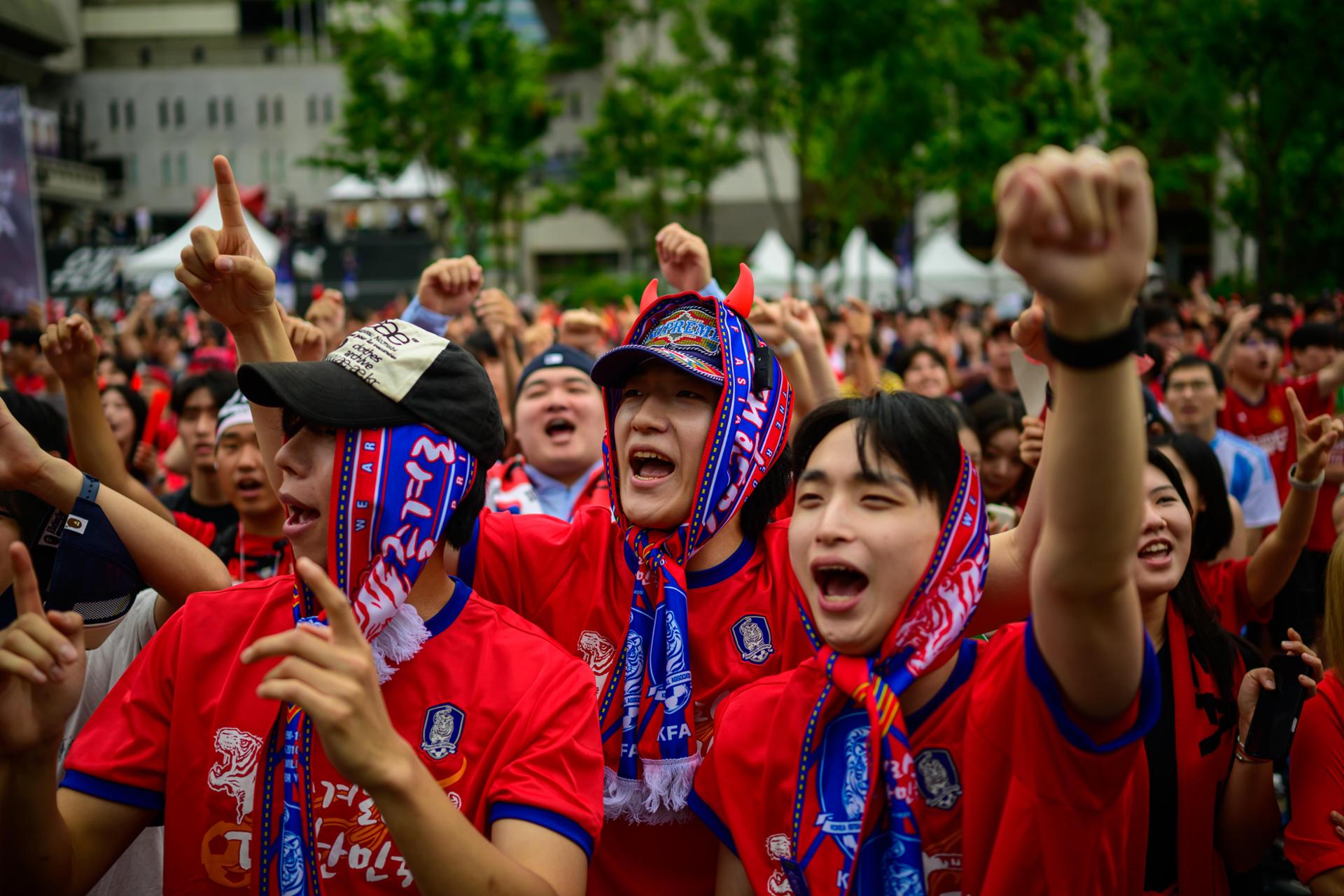
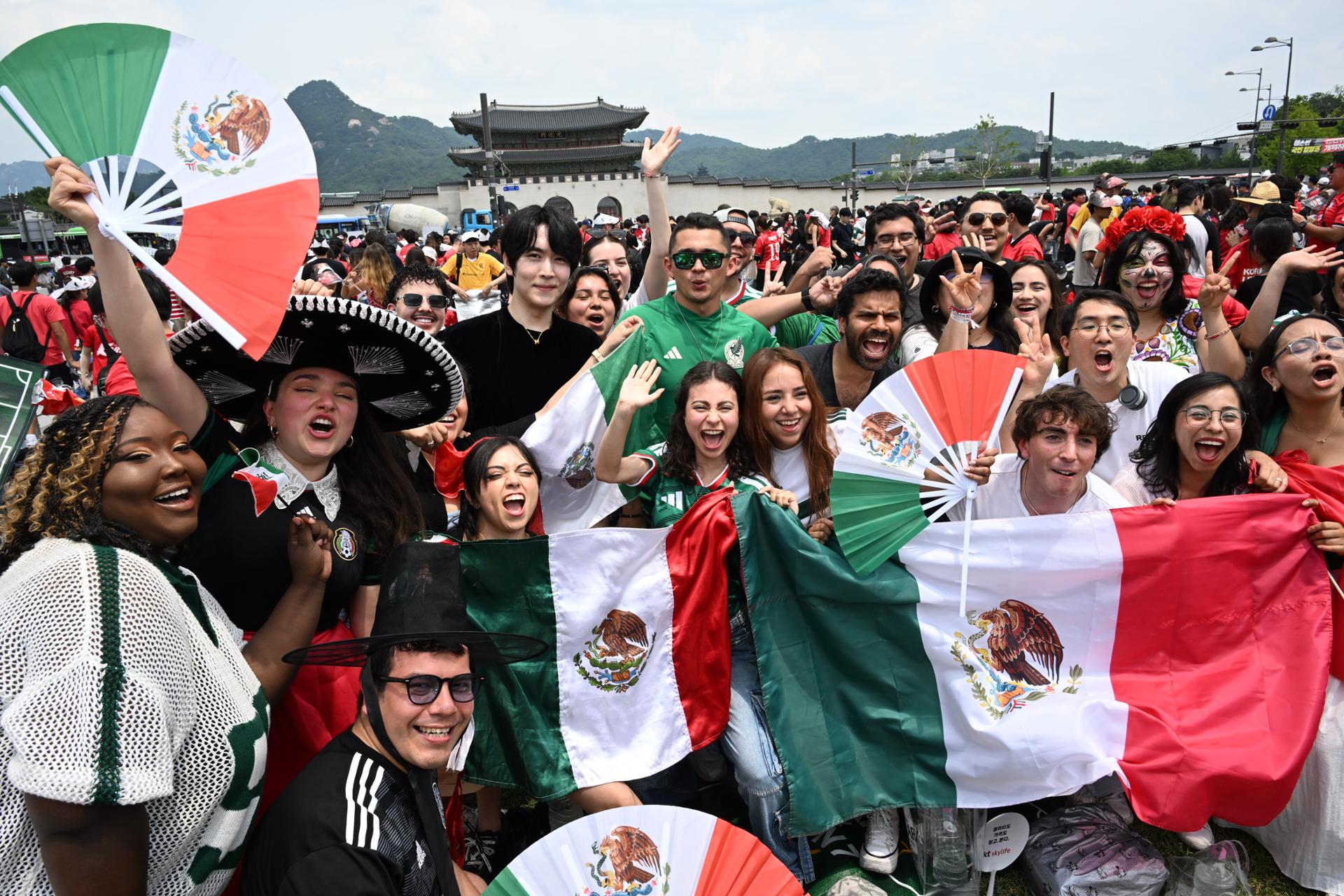
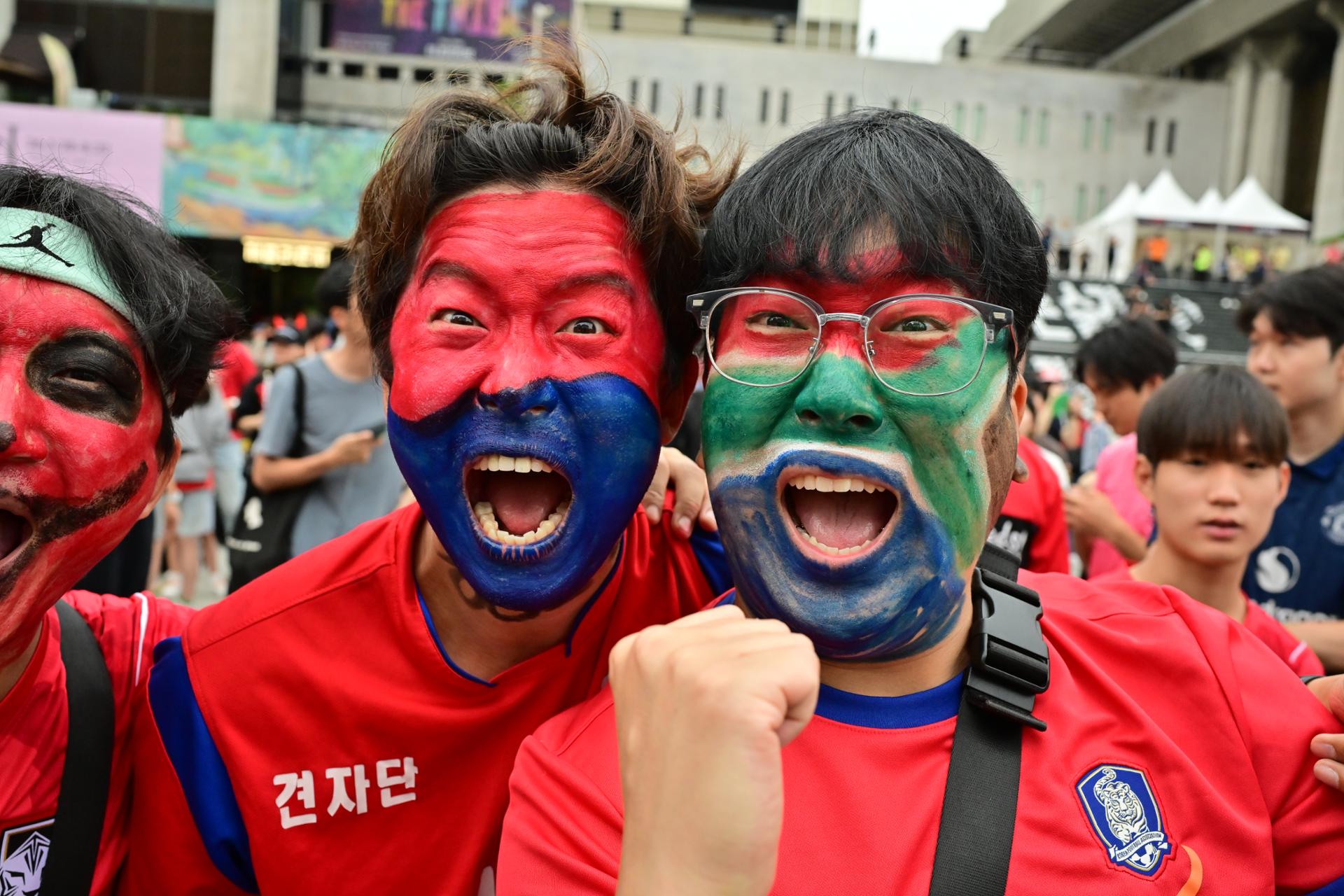
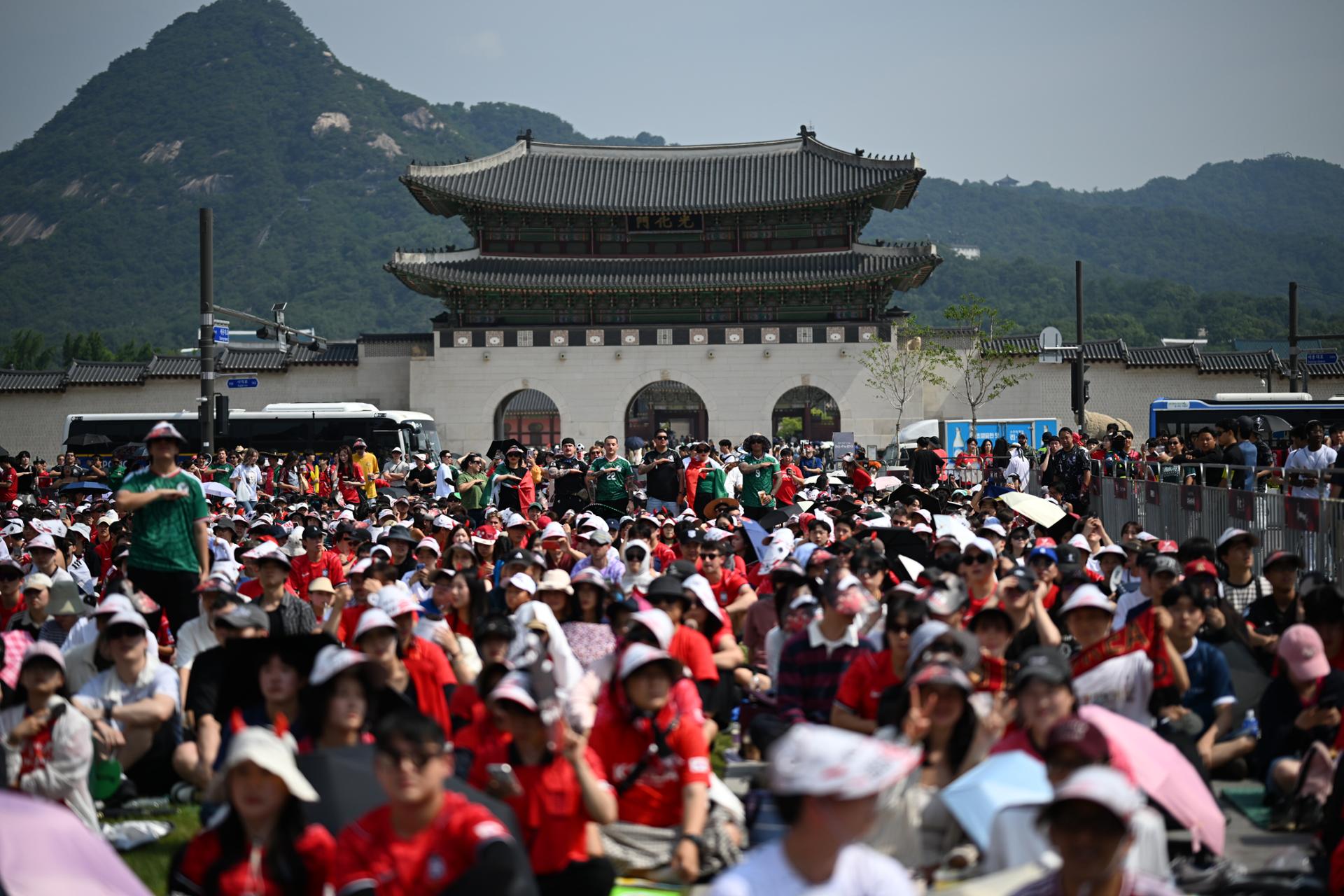
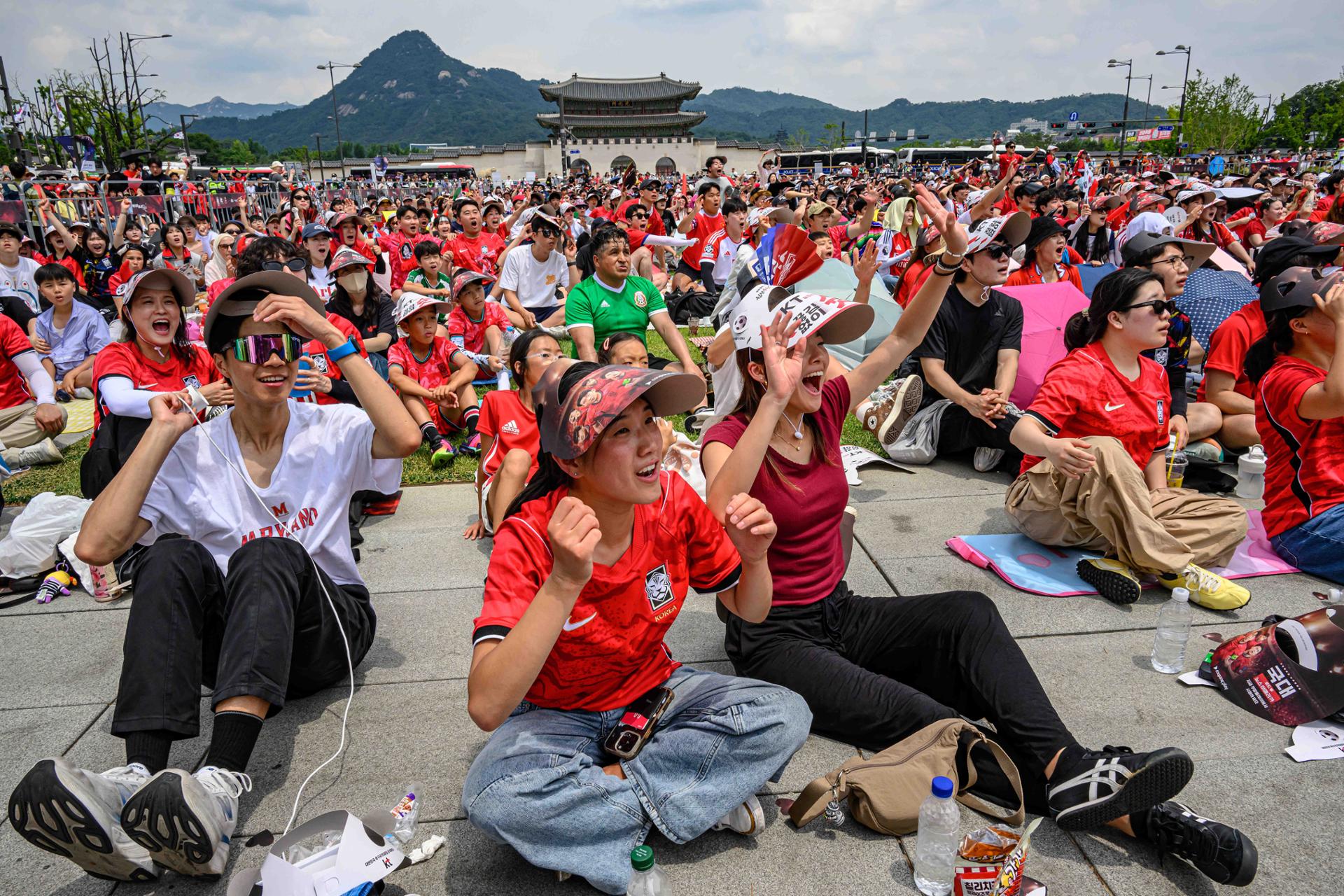
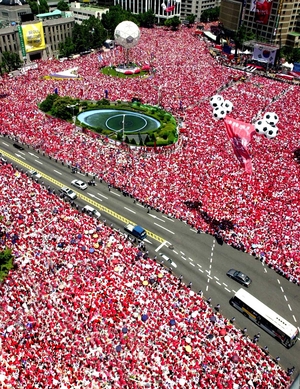
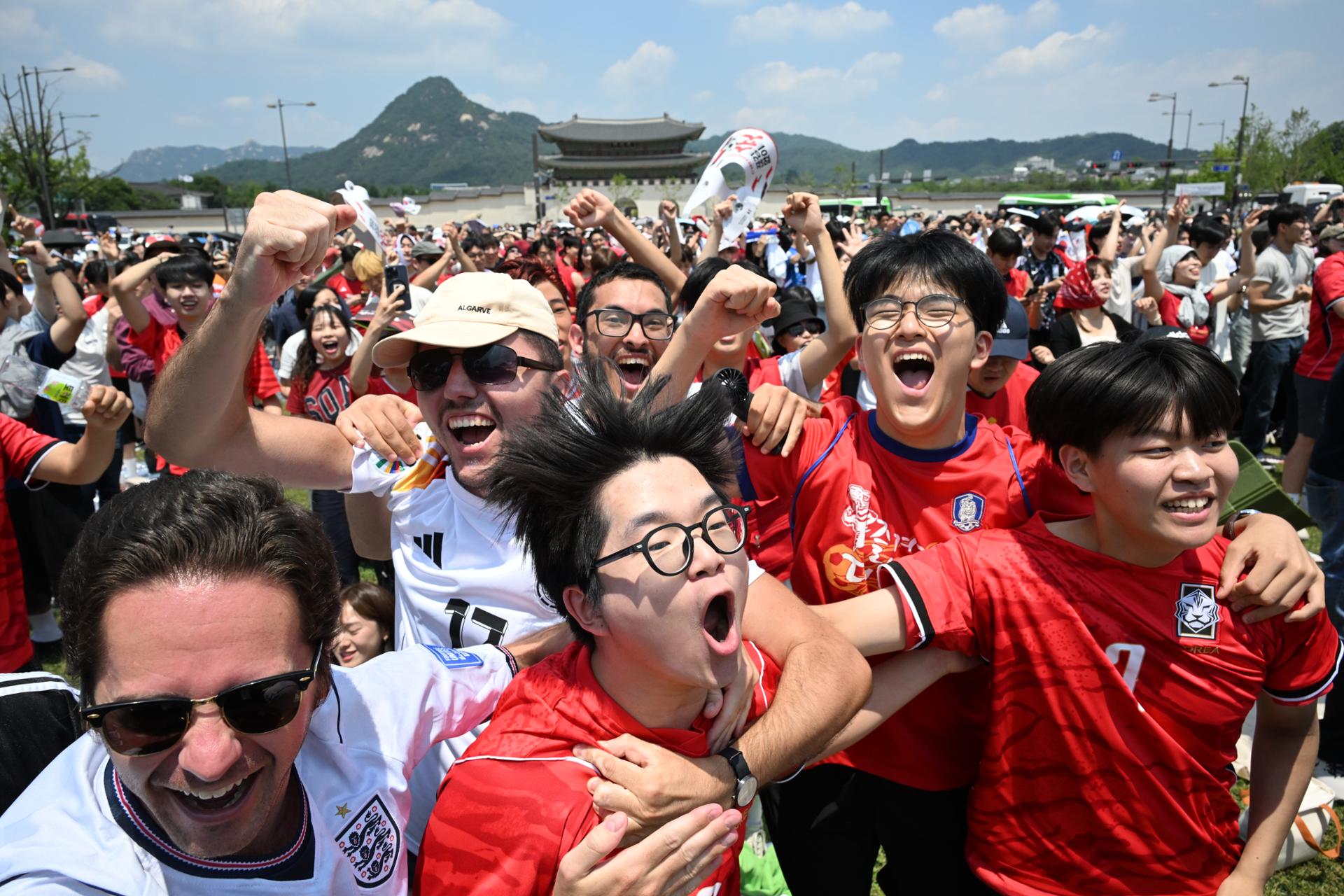
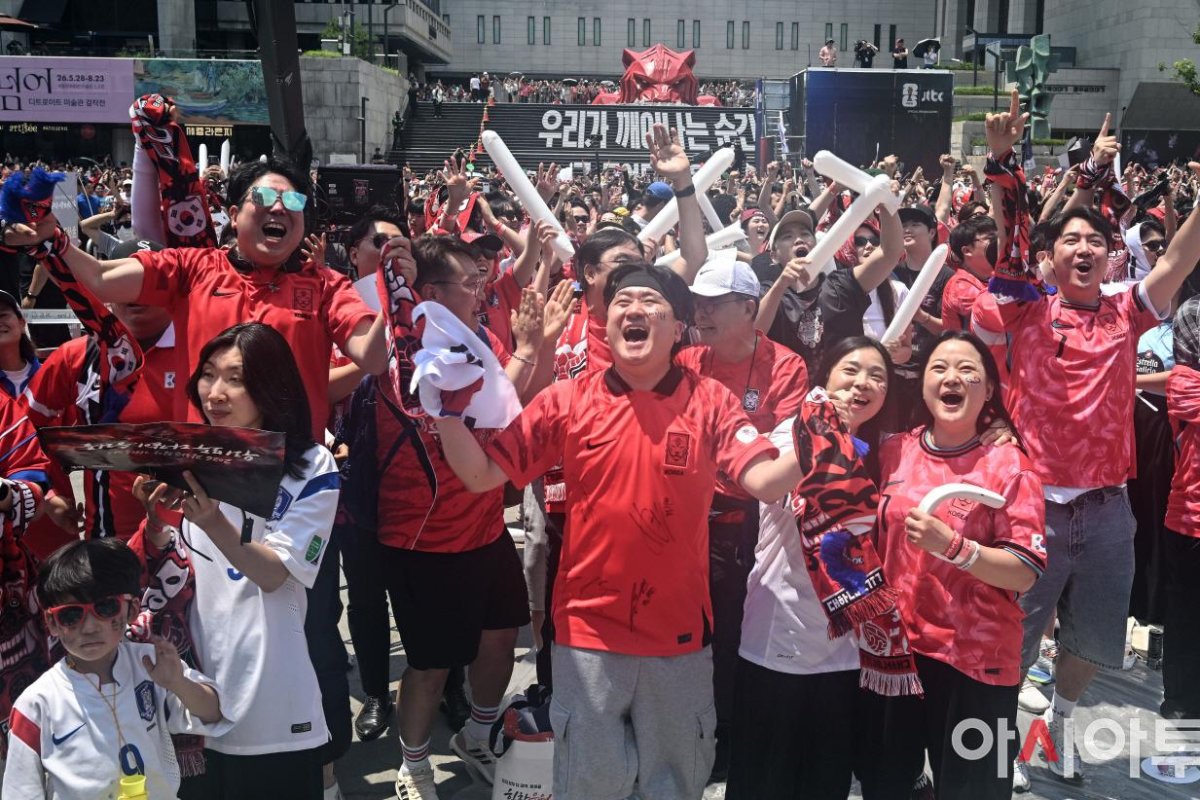
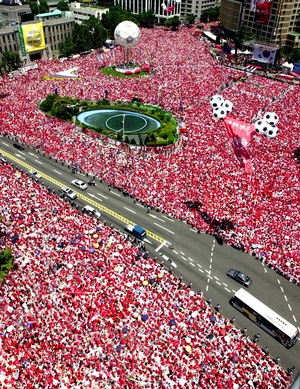
Giant red squares may no longer define Korea’s World Cup culture as cheering shifted indoors, but the desire to cheer together remains Soccer fans fill the streets of central Seoul in this file photo taken June 29, 2002, during the FIFA World Cup cohosted by South Korea and Japan. (The Korea Herald) In summer 2002, South Korea became one giant public square.Corporate workers poured into city plazas after work. Families gathered in front of giant outdoor screens. College students wrapped themselves in red flags and painted Korean flags on their cheeks, dressing as the “Red Devils,” or the South Korean national football team’s iconic supporters.Strangers hugged, cried and screamed together in the streets as South Korea advanced to the semifinals of the 2002 FIFA World Cup, turning city centers into scenes of collective joy rarely seen before or since.The memory is vivid for many Koreans: hearing countless voices chanting “Dae-han Min-guk,” South Korea's official name in Korean, in perfect rhythm, as though the entire country had, for a moment, become one.Back then, street cheering was not just a part of the World Cup experience. It defined it. Soccer fans gather at Gwanghwamun Square in central Seoul in this file photo dated July 6, 2002, during the FIFA World Cup. (The Korea Herald) “There was a strong sense of emotional release at the time,” says Huh Chang-deog, a sociology professor at Yeungnam University, about the phenomenon of the mass street-cheering.“The country had gone through significant economic and social stress. The World Cup became a symbolic moment that made people feel united and energized.”Korea was still recovering from the Asian financial crisis of the late 1990s, and the 2002 World Cup offered a rare outlet for collective celebration, optimism and national pride, he explained.More than two decades later, football still stirs the same emotions in many Koreans. But the surrounding culture has evolved.Today, many fans are more likely to watch matches in their living rooms, or at nearby pubs or cafes than in public squares, reflecting a cheering culture reshaped by changing lifestyles and digital media.The shift is already visible ahead of the ongoing World Cup season. Neighborhood pubs accommodating 20-30 people are turning to Instagram to promote match-day gatherings and attract fans seeking a more intimate viewing experience.At one sports bar in Jongno, central Seoul, reservations for South Korea’s opening tournament match against the Czech Republic on June 12 at 11 a.m. were quickly snatched up.By the time The Korea Herald tried to secure a spot at the venue, registration had already closed, underscoring growing demand for smaller, more intimate viewing spaces. A staff member said the 57 seats were fully booked within hours after reservations opened on May 26. Citizens gather at a pub near Jeonbuk National University on the morning of June 19 to cheer on the South Korean team during its Group A match against Mexico at the 2026 FIFA World Cup. (Yonhap) Customers watch a live broadcast of South Korea’s Group A match against Mexico at the 2026 FIFA World Cup at a BBQ Chicken restaurant in Jung-gu, central Seoul, on June 19. (Yonhap) Viewing events for Korea’s June 19 and June 25 matches against Mexico and South Africa also quickly reached capacity.“Although the matches are held in the morning, I was surprised how willing people were to sign up,” the employee told The Korea Herald.Experts noted the transformation reflects broader changes in Korean society itself — one that has become increasingly individualized, convenience-oriented and digitally connected.Rather than pouring into downtown plazas, younger viewers watch in quieter locations while sharing live reactions on social media and group chats. The appeal is convenience: avoiding large crowds and the hassle of getting home late at night, while enjoying the game across multiple screens in a more comfortable setting.“The 2002 World Cup represented an era when people strongly desired physical togetherness and collective participation in public spaces,” said professor Huh.“But today, people still seek emotional connection and a sense of belonging, just through different environments and different forms,” he noted.Lee Eun-hee, a consumer science professor at Inha University, says the meaning of togetherness has changed over the years.“Back then, people gathered in plazas to watch matches on giant screens because traveling to the stadium was not realistic for most fans, so public screenings became a way to participate and share the experience,” the professor explained.“Also, physically gathering in the same place was important in the past because that was how people shared emotion. But now people can feel connected digitally even while being physically separated,” Lee underscored.That shift accelerated rapidly during the COVID-19 pandemic, when restrictions on gatherings normalized home viewing and smaller-scale socializing, according to the professor.Many people who had become accustomed to watching sports privately simply never returned to the large street-cheering culture that had once dominated international tournaments, she explained.Yoo Seung-chul, a professor of media convergence at Ewha Womans University, says the rise of streaming platforms and mobile viewing has reshaped how audiences consume sports.High-speed mobile streaming now allows fans to follow games almost anywhere — from subway commutes to convenience stores and late-night cafes during overseas tournaments.Now, the World Cup itself competes for attention in a media environment increasingly shaped by personalized digital content.“Younger generations are used to consuming content in highly personalized ways,” Yoo said. “They curate playlists, follow algorithms and build entertainment experiences around their own preferences. Sports viewing is increasingly following the same pattern.”Yet experts say the decline of large-scale street cheering does not necessarily reflect weaker enthusiasm for football. Citizens watch and cheer for South Korea during its Group A match against Mexico at the 2026 FIFA World Cup at a pub in Wolgye-dong, Gwangsan-gu, Gwangju, on the morning of June 19. (Yonhap) “The 2002 cheering culture is meaningful for older generations because it still carries a distinct emotional weight tied to memories of national unity and shared excitement,” said professor Huh.Younger fans, however, often understand participation differently.Part of that intensity comes from the tournament’s rarity. Unlike domestic leagues that run every year, the World Cup arrives only once every four years, turning even casual viewers into temporary fans.“Football has long occupied a unique emotional position in Korean society,” Huh said. “People may not follow the sport consistently, but once the national team competes internationally, many begin psychologically identifying themselves with the team.”Professor Yoo echoed that posting reactions online, joining live chats or gathering casually with close friends can feel just as meaningful as standing among tens of thousands of strangers in a downtown plaza.“The form has changed, but the desire to share emotions remains,” he said. “People naturally seek moments of connection, and the World Cup still provides that.”