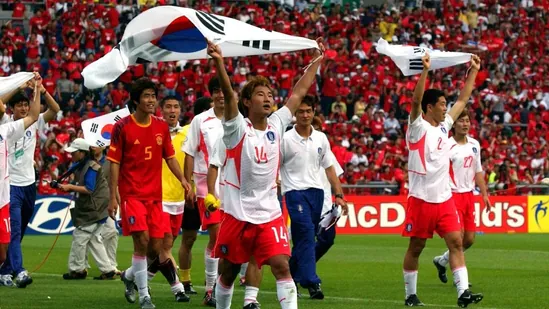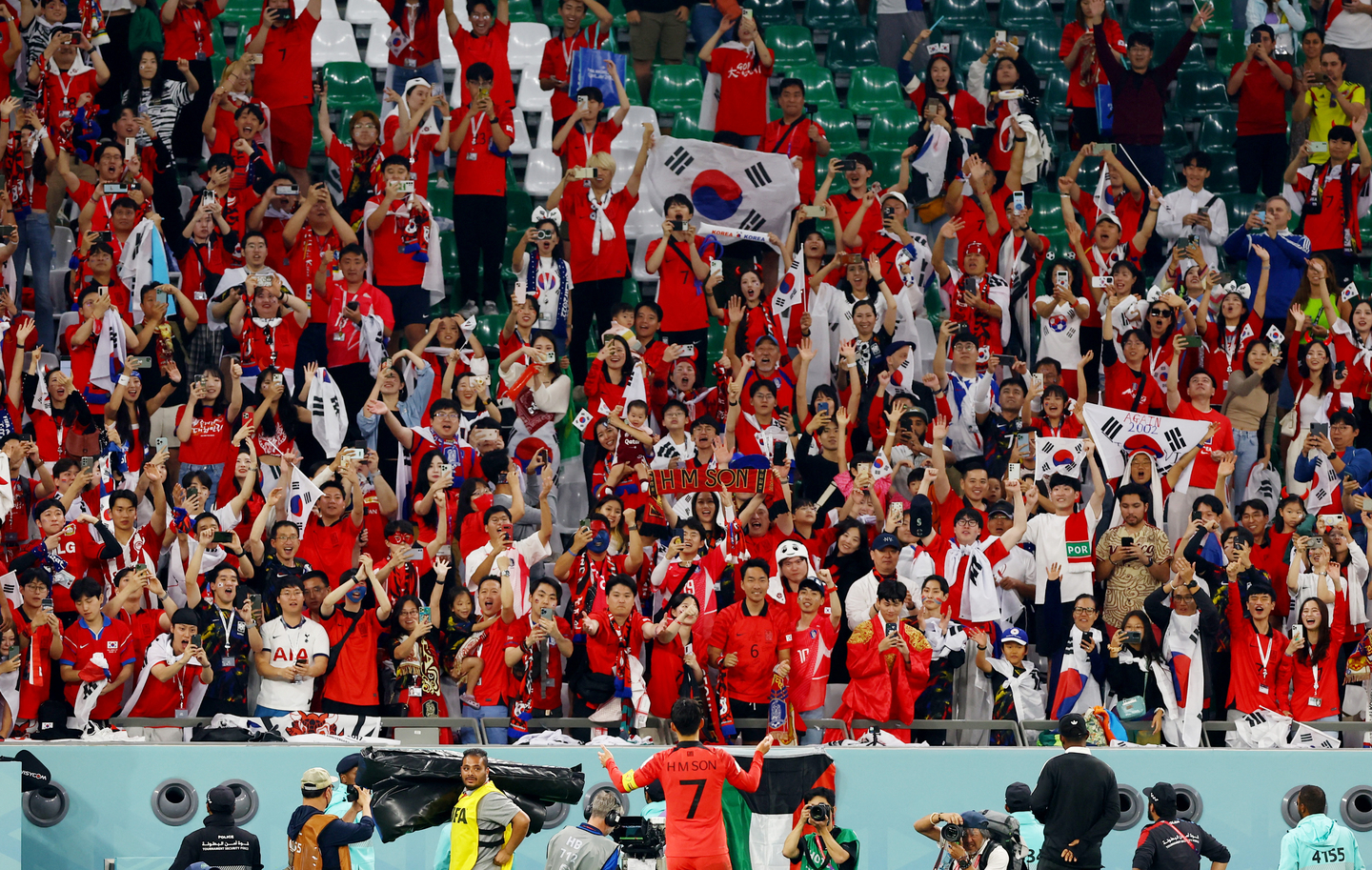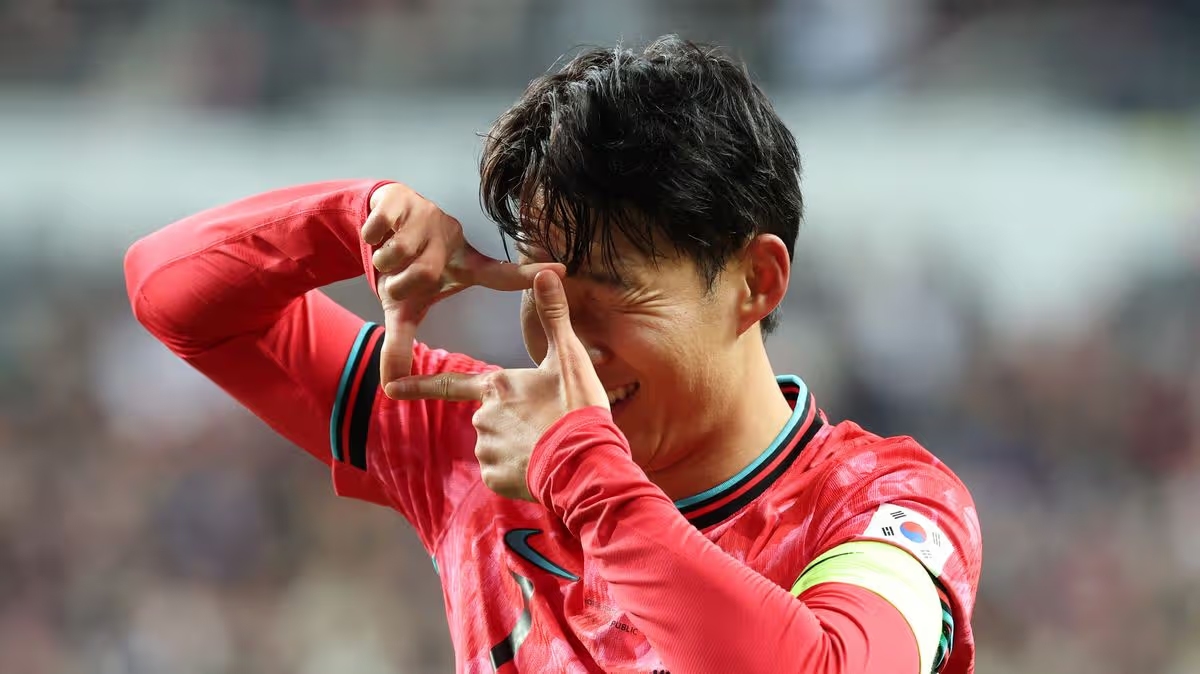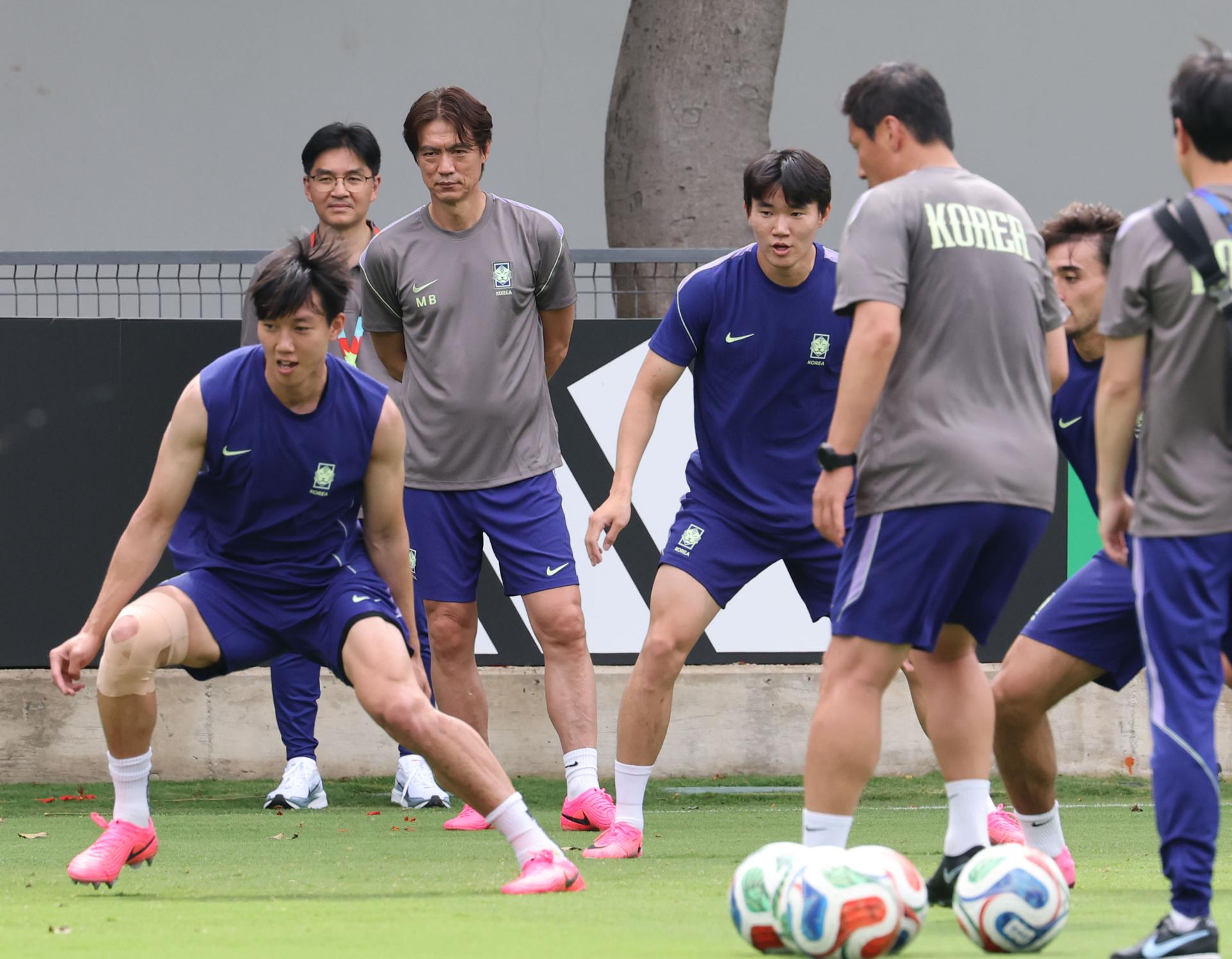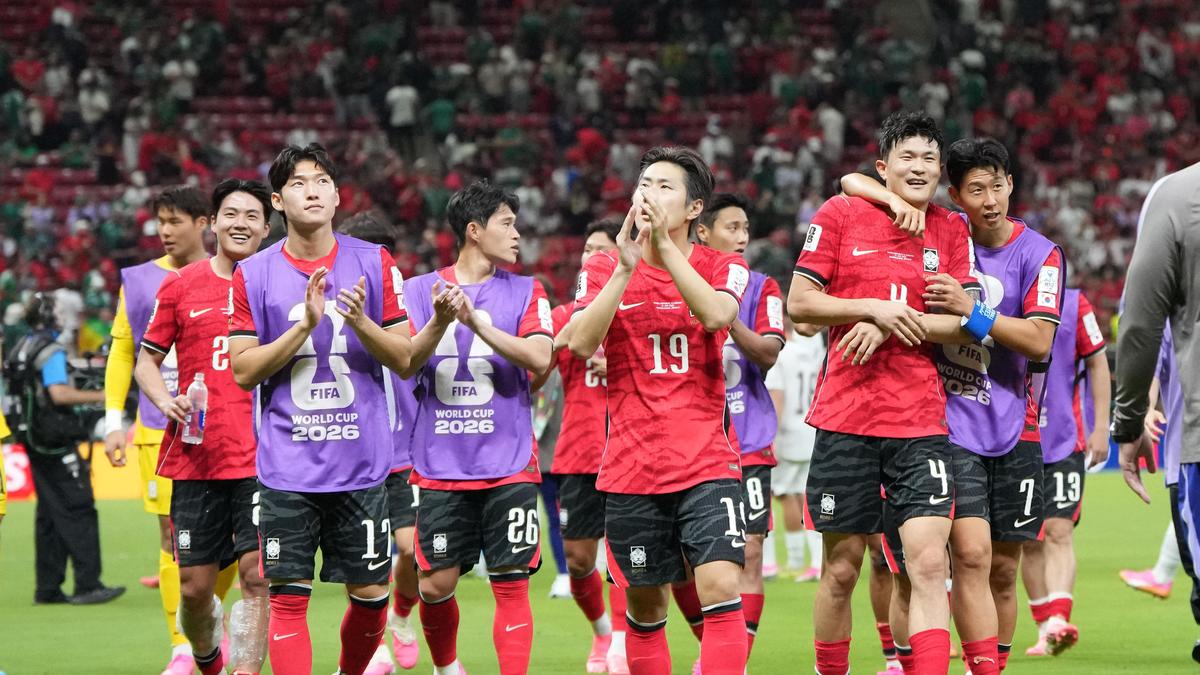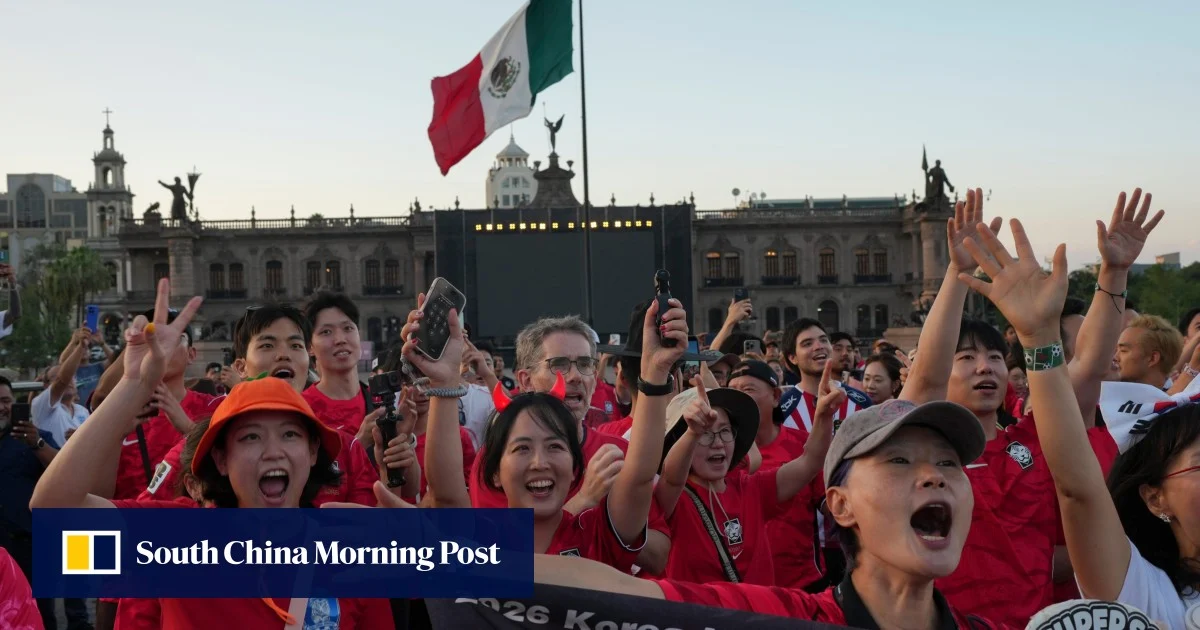
As part of our Language of Soccer World Cup series, The Athletic is speaking to supporters of all 48 nations competing at the 2026 edition to capture their unique football culture, distilled into a single phrase. You can read the articles in one place here.Pilseung Korea — Victory KoreaThe desire to win is tangible in South Korea.When they failed to lift the Asian Cup in 2024, hundreds of people turned up at Seoul’s Incheon Airport to demand answers.“Do you plan on resigning?” was the first question asked to then-manager Jurgen Klinsmann by one of the assembled journalists, after the team were knocked out at the semi-final stage by Jordan. Tough crowd.The lofty expectations reflect a growing cultural shift in South Korea which, like the team, has gone on a journey of increasing Western prominence in the past decade or so.Football-wise, the low point was 2014 in Brazil. For the first and only time since 1998 they did not win a single match at the tournament (a 4-2 defeat by Algeria was particularly tough to take) and dropped to 69th in the FIFA world rankings, their lowest point since those were introduced in the early 1990s.None of the squad were playing for a top-level European club side. Park Ji-sung had just retired and a 21-year-old Bayer Leverkusen forward by the name of Son Heung-min was just starting to find his way.Fast forward to 2026 and Son’s wonderful Premier League career with Tottenham Hotspur, plus the presence of Lee Kang-in at Paris Saint-Germain and Kim Min-jae at Bayern Munich, have lifted the profile of South Korea players to unseen heights.At the same time, BTS and K-pop have changed the game for Korean culture. Squid Game, Parasite winning Best Picture at the Oscars and big electronic tech brands like Samsung and LG have influenced the Western world. “There’s definitely more of a sense of national confidence, which you can also see in our football culture,” fan Lee Keung-hun says.“Before there was a ‘happy to be there’ mentality but now maybe there’s a psychological shift.“It’s been a really interesting period of cultural development. The older generation perhaps are concerned that traditional Korean values are weakened, but for younger people there is national pride bordering on swagger, albeit there’s also pressure for perfection. It’s complex.”The 2002 World Cup, which South Korea hosted jointly with Japan, was clearly a high-water mark for Korean football.
Victory Korea reflects a growing belief in the country’s global status – on and off the pitch
As part of a special World Cup series, The Athletic is speaking to fans of all 48 competing nations to capture their unique football culture
1,129 words~5 min read