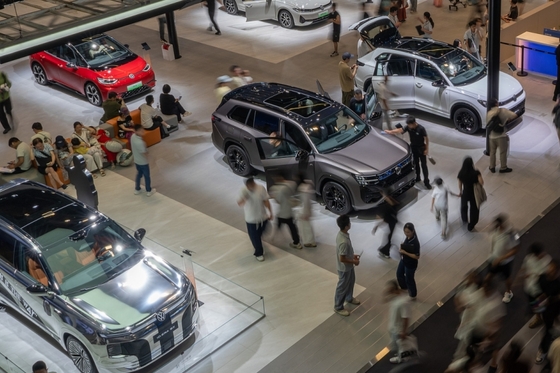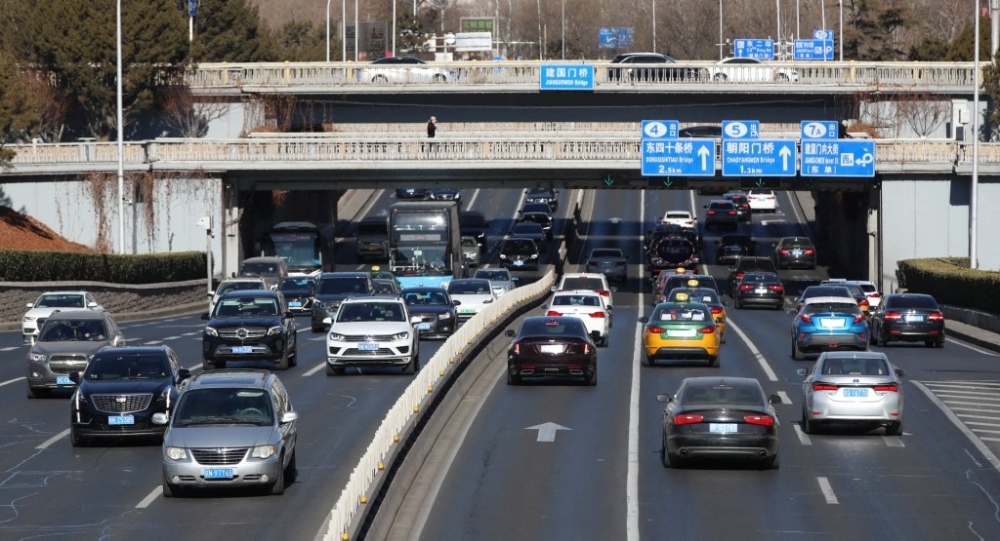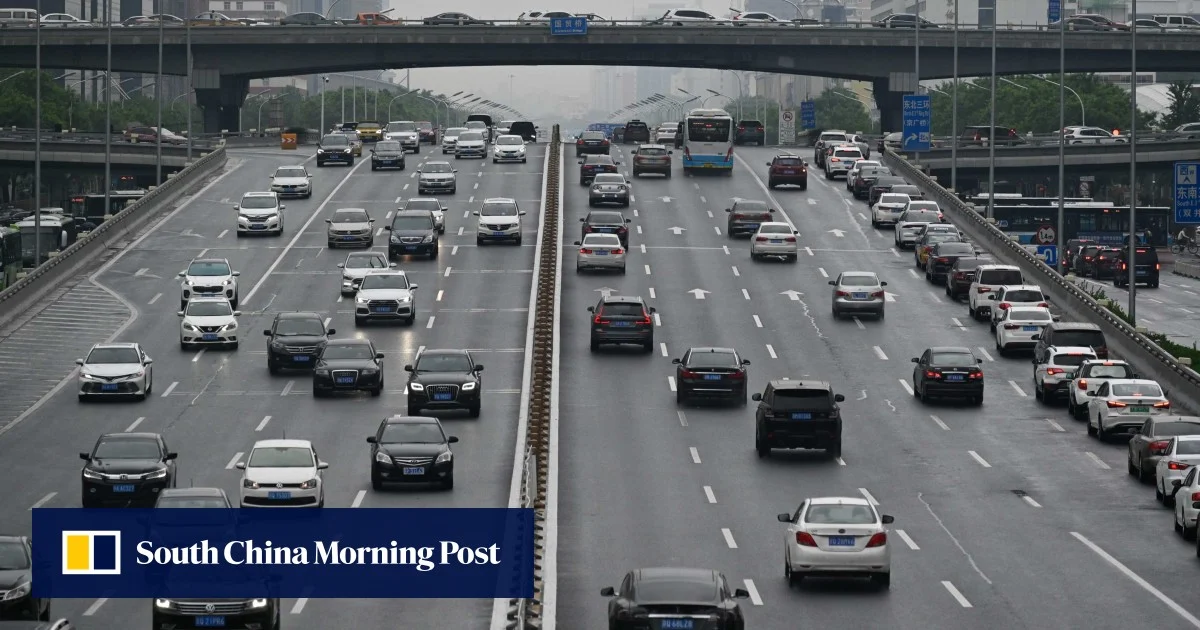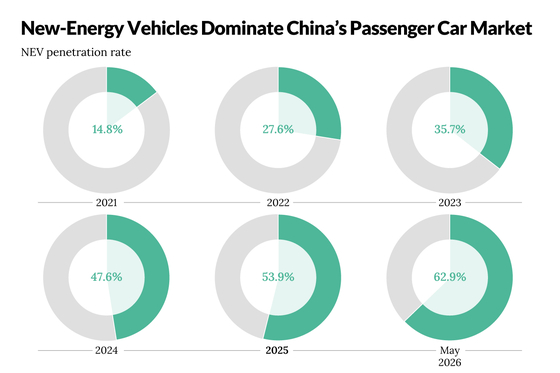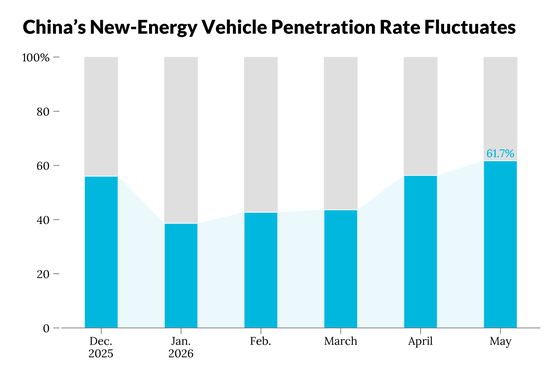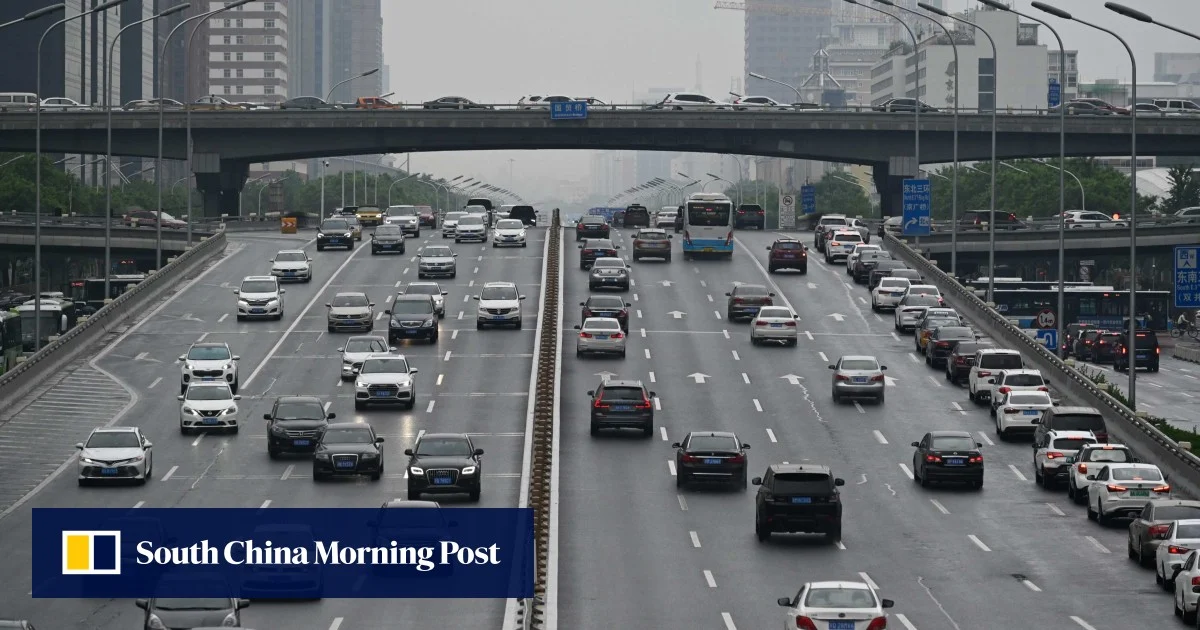
China’s rapid transition to electric vehicles (EVs) has been widely hailed as an economic success story. But it is also creating a serious headache for the country’s local governments, which are tasked with maintaining one of the world’s largest road networks.Chinese drivers have gone electric in massive numbers in recent years, with new-energy vehicles accounting for more than 60 per cent of new car sales last month, according to data from the China Passenger Car Association.But the pivot is creating a growing fiscal black hole, as heavier electric cars send roadwork costs spiralling while simultaneously undercutting the tax revenues used to fund repairs.While China does operate some toll expressways, most roads in the country generate no direct revenue, and so for decades the government has relied on a tax on petrol consumption to pay for road maintenance.In 2021, the petrol tax covered more than 80 per cent of China’s annual maintenance costs for ordinary roads, according to a study by researchers at China’s Transport Planning and Research Institute. The funds are collected by the central government, which then disperses the money to local authorities to undertake the works.However, the number of repairs required is rising fast, as China’s road network ages and millions of electric cars place surfaces under greater strain.
The hidden cost of China’s electric car boom: a spiralling roadworks bill
China needs to raise taxes to meet a soaring roadworks bill, as the country’s roads groan under the weight of millions of electric cars.
211 words~1 min read