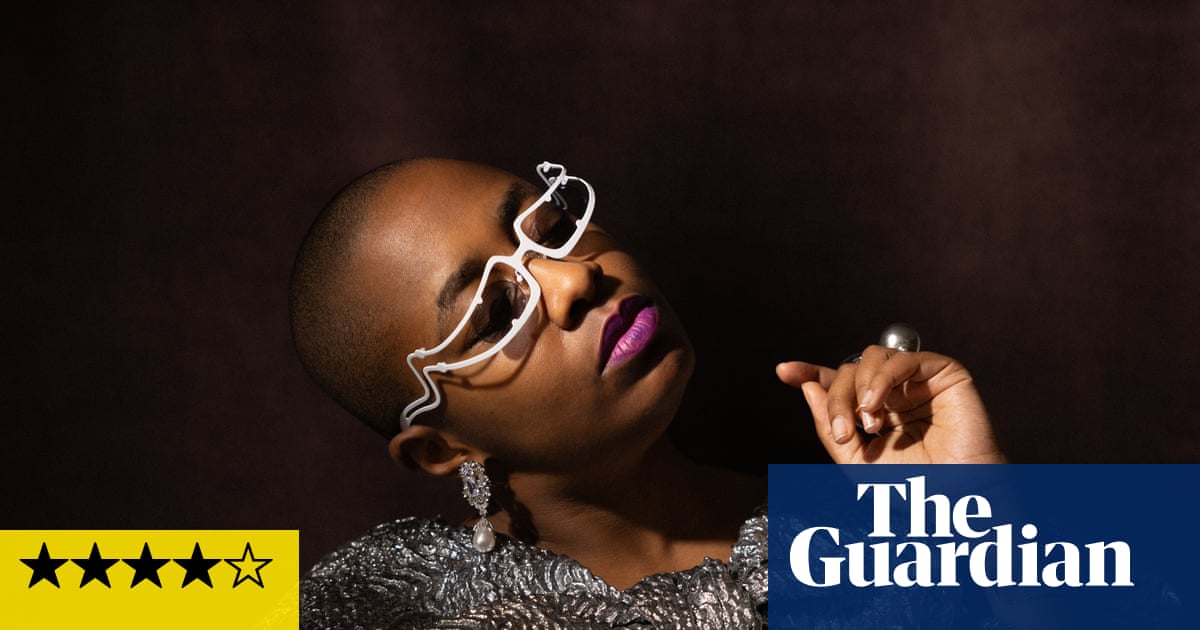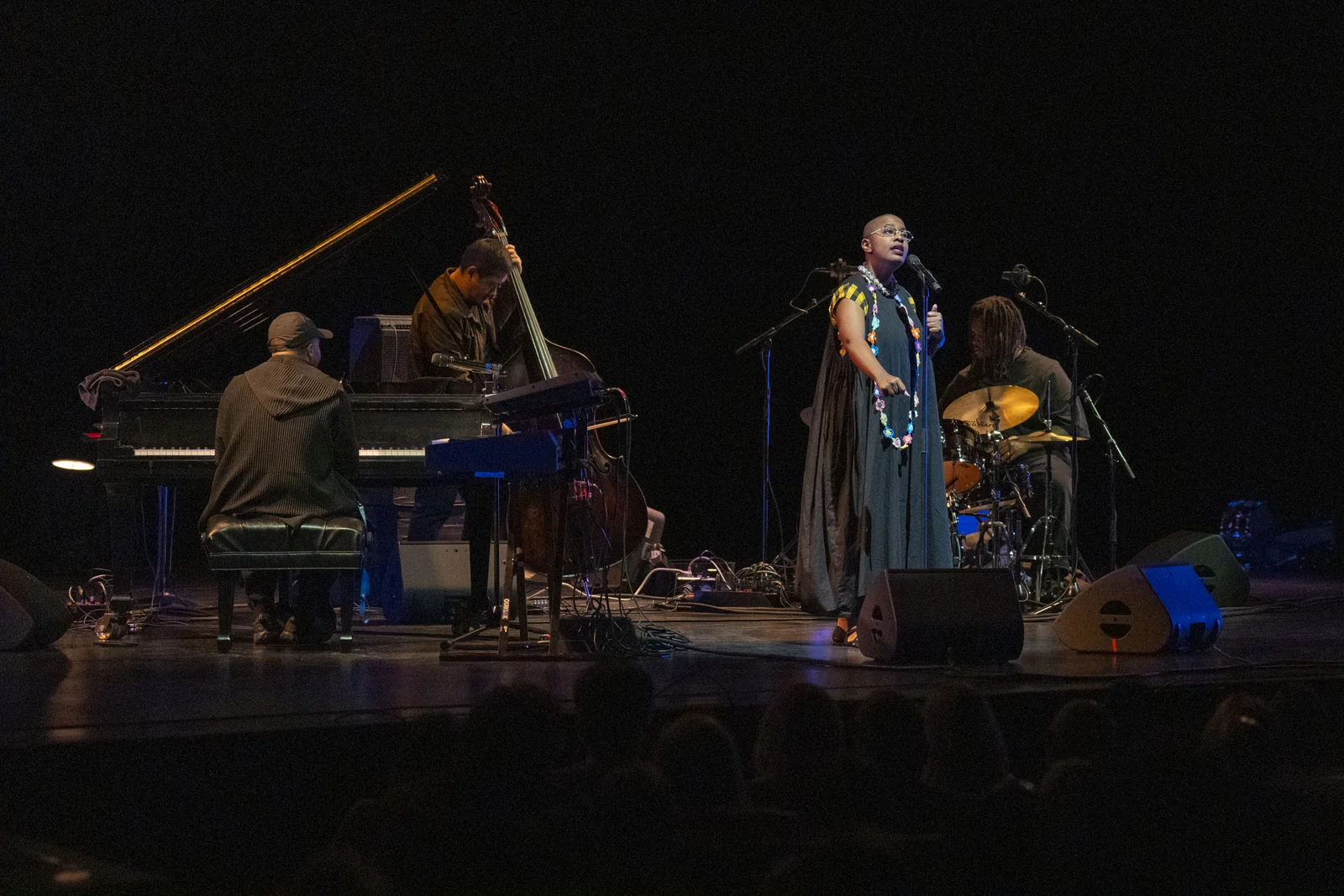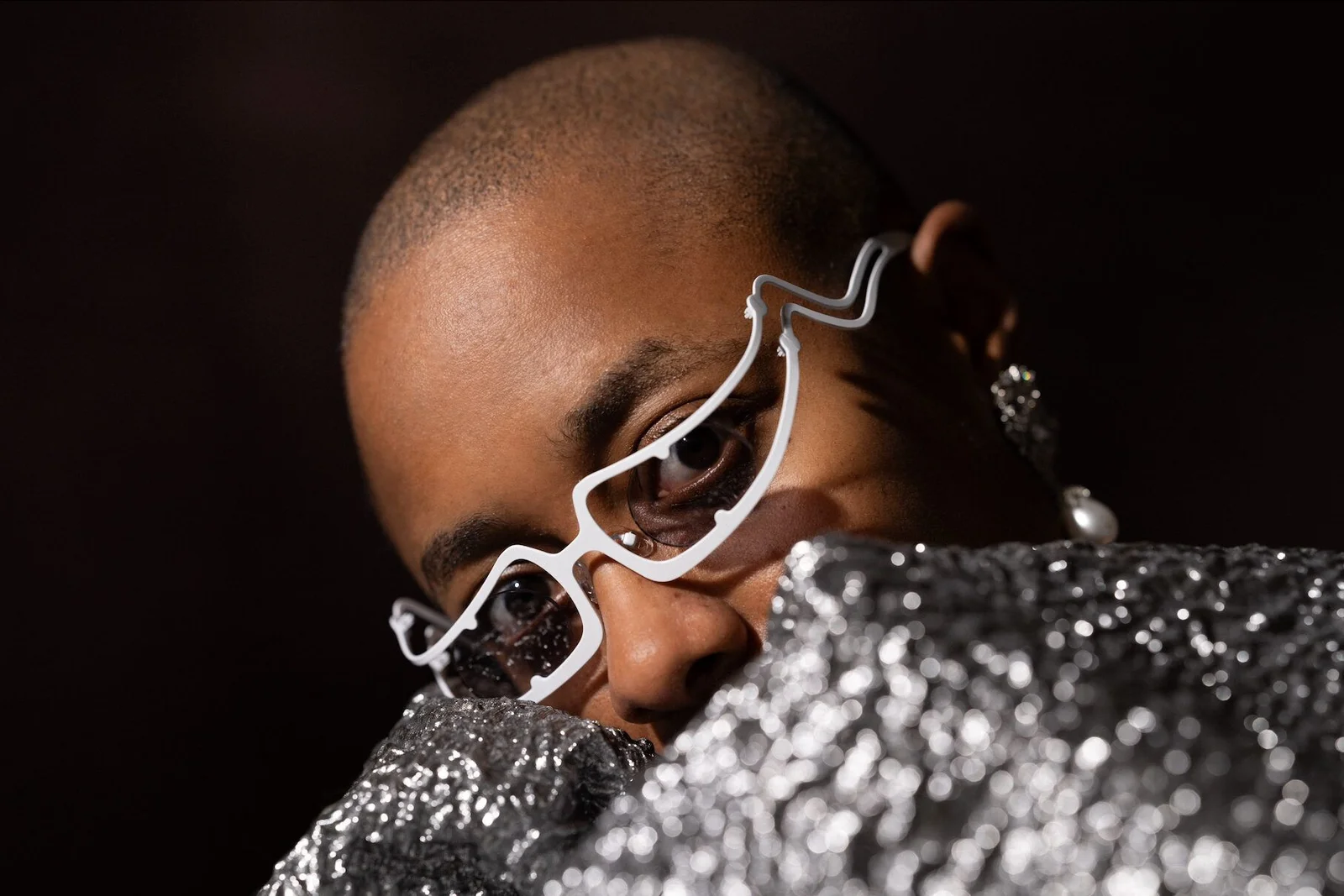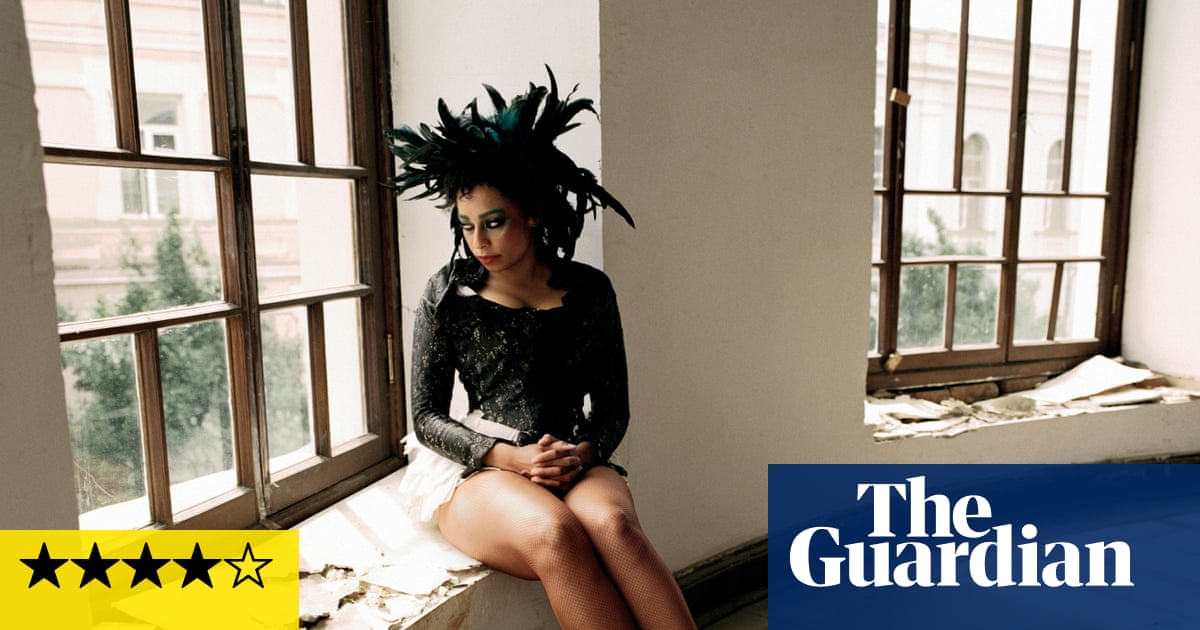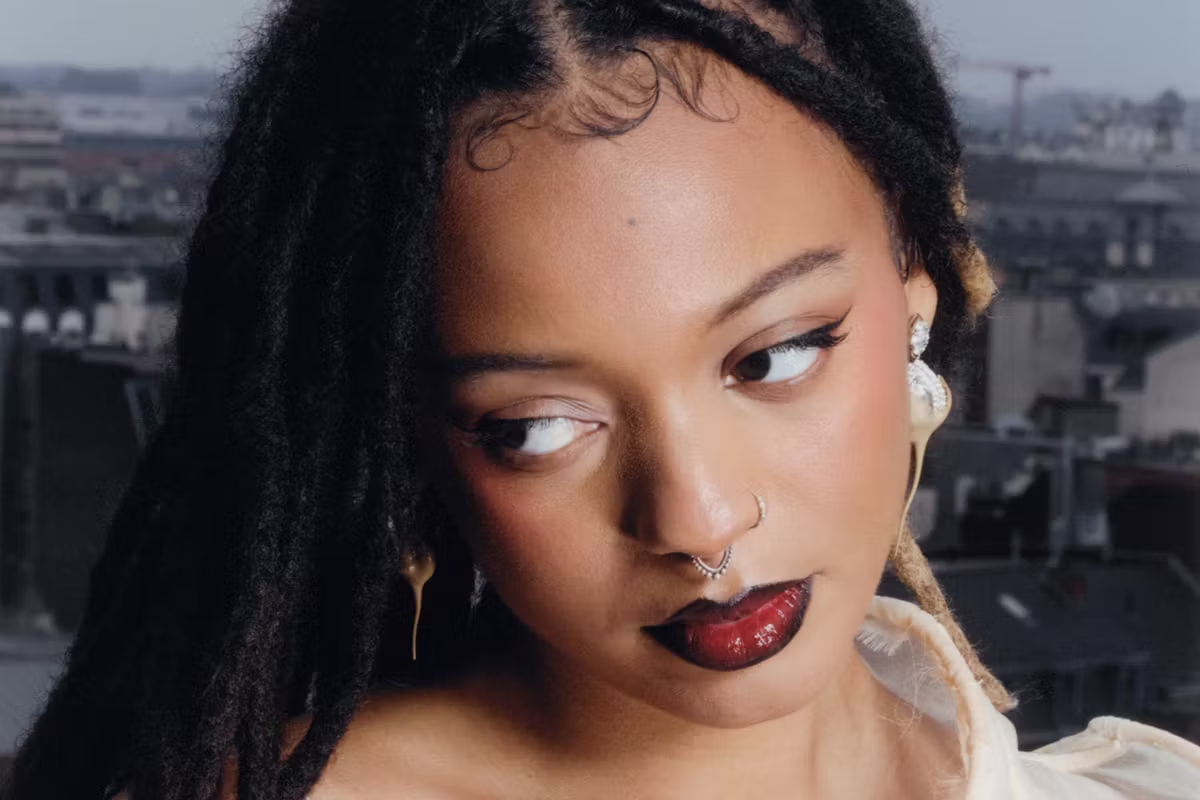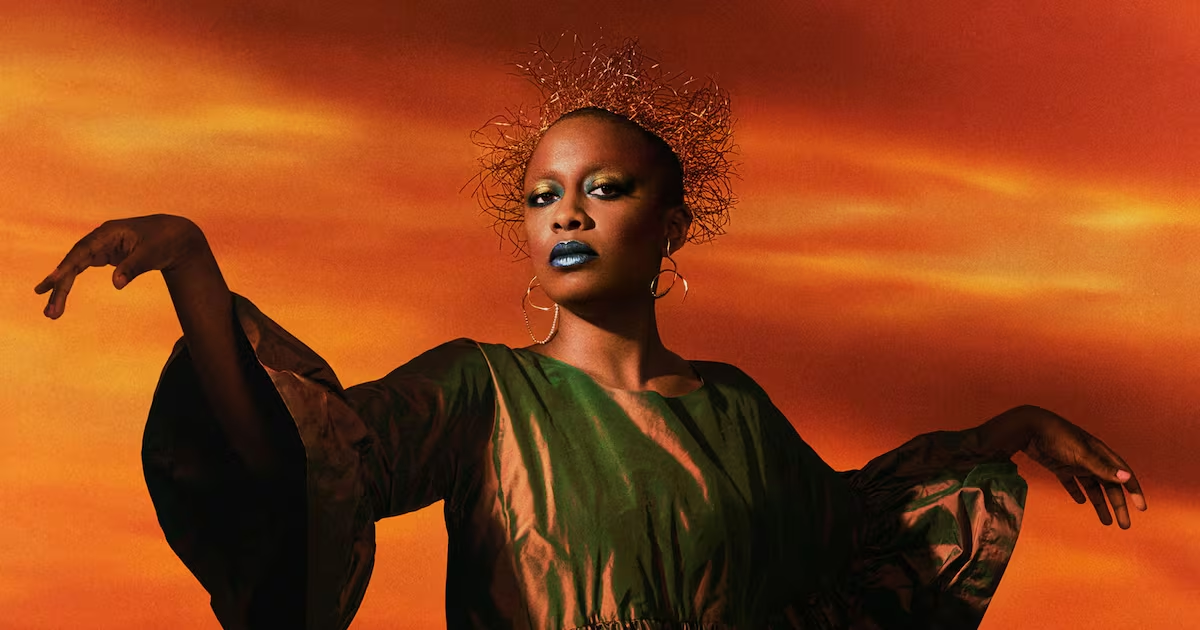
Very few debut albums in jazz have matched the creative heights and critical acclaim of WomanChild. Released in 2013 by the American singer Cécile McLorin Salvant, the record introduced a striking new artist who seemed preternaturally gifted and remarkably fully formed. Not only did the album reveal the range and versatility of her talents – perfect intonation, impeccable diction and a fluid command of vocal colour, accent and texture – it also included three compositions by Salvant herself.Her song selection also showed an adventurous spirit and deep historical acuity. Eschewing typical jazz standards and Great American Songbook tunes in favour of older blues, jazz and vaudeville oddities, and overlooked gems, Salvant seemed to be channelling the entire history of jazz singing into something fresh and entirely her own. You would have to go back to Bright Size Life, Pat Metheny’s 1976 album, and, before that, to Ornette Coleman’s Something Else!!!!, from 1958, to find a debut jazz album that looked so far back and forward at once. WomanChild’s originality and promise were exhilarating.The record went on to earn a Grammy nomination and four awards from the influential jazz magazine DownBeat, including for jazz album of the year. “If anyone can extend the lineage of the Big Three – Billie Holiday, Sarah Vaughan and Ella Fitzgerald – it is this 23-year-old virtuoso,” one critic raved in The New York Times. Many other reviewers agreed; Salvant’s singing was lauded as “astonishingly mature” and “artistry of the highest class”. In a profile of the vocalist in The New Yorker a few years later, the normally sober-headed Wynton Marsalis declared, “You get a singer like this once in a generation or two.”“It was super-crazy and I felt really, really lucky,” Salvant says from her apartment in Brooklyn. “It wasn’t technically my very first album; I’d self-released a record [Cécile] in France a few years earlier that literally not one single person even listened to, let alone wrote about. “So it was crazy for me, at that young age, to have WomanChild so well received; I hadn’t expected or planned for it at all. I mean, I worked at that album – but not from a career perspective. My approach was purely musical and artistic.” Her strong work ethic and aesthetic slant have served Salvant well in the intervening years – and her reach and repertoire now extend far beyond the borders of jazz and blues. She has studied classical and baroque singing and draws inspiration from a dizzying range of sources, including music theatre, art song, folk legend, chanson, cabaret, early music, electronic, animation and visual storytelling. (She has a burgeoning parallel career as an artist, mostly producing drawings and embroidered works.)She sings mainly in English, and sometimes in French, and has recorded songs in Occitan and Haitian Creole. A dedicated scholar of songs, and almost as much a curator and archivist as a vocalist, Salvant has recorded tunes that cross national, historical and stylistic boundaries, from Burt Bacharach to George Gershwin and Michael Legrand via Kate Bush, Duke Ellington and Stevie Wonder.On her new album, With Every Breath I Take, she further explores her love of stage and show tunes by such masters as Stephen Sondheim, Kurt Weill and Noël Coward. She makes most other modern singers seem as if they are operating in a far narrower bandwidth. “My ideal musician is one who transcends and encompasses everything,” she once said. Salvant grew up in Miami with parents who are similarly multifaceted. Her mother, Lena McLorin, was born in Tunisia. Salvant’s maternal grandmother was French and white; her grandfather was from Guadeloupe and black – he worked for Unesco, and the family lived in countries throughout Africa, South America and the Caribbean.“My mom is a traveller,” Salvant says. “She was brought up in at least 10 different places before her teens and learned about so many different cultures as a result.” McLorin is also an educator: she founded and is president of a private bilingual elementary school in Miami. Salvant grew up speaking both English and French.Her father, Alix Salvant, was born in Haiti and works as a doctor. “My dad is an amazing singer, he plays the piano, and he has a lot of respect, love and reverence for music and musicians,” Salvant says. “So even though education and medicine are arguably more practical jobs, both my parents were totally supportive of my desire to pursue music.”Cécile McLorin Salvant Her mother’s travels and her father’s passion led to Salvant growing up in a family in which, she once said, “so many kinds of music were listened to together, ravenously, without being named”. It’s likely that they included, at the very least, Haitian, Cuban, fado, flamenco, Senegalese, Argentinian folk music, classical, disco, reggae and French pop. “To me it was like a big bowl where everything is just mixed together… and there’s this really good broth,” she told the pianist Ethan Iverson. Salvant began piano lessons at the age of four, joined a local children’s choir at eight and studied classical voice from 13. As a teenager, she says, she was “very social, a people pleaser, big reader, and a hard worker at school”. She dreamed of being “a history or literature professor, a writer, some kind of visual artist, an actress or an opera singer”.She was also something of an outsider. “I was hanging out with a bunch of nerds and weirdos, and definitely not fitting into a certain kind of Miami-girl mould,” she says. “But my sister, who is 10 years older than me, was, like, ‘You don’t have to fit in – you’re weird, and it’s okay that you’re weird.’” That affirmation is referenced in Salvant’s lyrics to her song Thank You: “I tried to be normal / You told me not to, you said I should find my own way.” It could be her personal and creative manifesto.At 18, she moved to France to study law at the university in Grenoble and classical and baroque voice at the Darius Milhaud Conservatory in Aix-en-Provence. Salvant also took jazz classes with the reeds player Jean-François Bonnel. She was hesitant, but, after hearing her sing, Bonnel was insistent. “I was, like, ‘I don’t really have time for this,’ but he kept saying, ‘You have to sing. You must sing. I will not take no for an answer.’ I was scared of being a musician, but he was like a parent to me: he really, really encouraged me and gave me so much confidence.” Salvant gradually began to unlearn some of her classical training and to enjoy the freedom and community that jazz singing offered her in France. Three years later, she would record that first album in Paris with Bonnel’s quintet. In 2010, on her mother’s suggestion, Salvant entered the prestigious Thelonious Monk International Jazz Competition for vocalists, in Washington, DC. There were 237 applicants; Salvant won first prize. Judges, musicians, agents and record-label bosses took note; she was on her way.Since WomanChild, Salvant has released six albums marked by her restless instinct for experimentation and an inclination towards playfulness and mischief – as she sings on the 2025 album Oh Snap, her most autobiographical work, “I want to be a river, but I am a volcano.”Remarkably, her next three records for the Mack Avenue label all won Grammys for best jazz-vocal album. For One to Love extended her commitment to recording overlooked songs and original compositions; the double album Dreams and Daggers was recorded live with her trio at the storied Village Vanguard jazz club, in New York, and interspersed with studio takes that added a string quartet; and The Window was a more intimate duo recording with the pre-eminent pianist and organist Sullivan Fortner, who has since become her romantic as well as musical partner.Cécile McLorin Salvant Many of the songs confronted, often with a wry eye, themes of femininity, sexuality, race and agency, while the album’s art and photography increasingly showed both Salvant’s idiosyncratic drawings and bold look: she has a fondness for thick-rimmed glasses and colourful designer hats and clothes, and she wears her hair closely cropped.In 2020, during Covid, she received both the $275,000 Doris Duke Award and the $625,000 “genius grant” from the MacArthur Foundation. Soon after, she moved to the highly regarded and suitably eclectic Nonesuch label, and her musical vision and vocabulary only expanded further. Ghost Song was haunted by themes of yearning, nostalgia and love lost, and displayed an even greater vocal range; Mélusine was a mostly French-language concept album based around folklore and myth; and Oh Snap, an album largely of originals, integrated such home-studio elements as drum loops, digital tools and vocal effects. Her new album sees Salvant record for the first time with an orchestra, the Metropole Orkest, from the Netherlands.One of the strengths that singles out Salvant’s work is the way she invests in a lyric and inhabits a song, especially in its ambiguity, darkness, humour and emotional range. “Most of my favourite singers – Maria Callas, for example – are good actors,” she says. “They really know how to extract the juice from a lyric.”She often approaches songs as miniature theatre pieces; while her prowess and enthusiasm can occasionally get the better of her, at their best, Salvant’s interpretations not only sound definitive but also make you hear a song completely anew. I ask her, in particular, about her version of The Unquiet Grave, a folk tune that is charged with potent storytelling and poignant emotion, and that she imbues with the spirit of sean-nós singing.“A few years ago I got obsessed with sean-nós. I had a compilation album, and there’s this one track by this incredible singer,” Salvant says, breaking off to look up the song on her computer. She spells it out. “Cúirt Bhaile Nua by Treasa Ní Mhiolláin. It sounded so ancient and futuristic, like it was out of time and from another planet. I love that.”Salvant also confesses to a fascination with Ulysses, which she asked her mother to buy her for Christmas when she was just 13. She has tried to finish the novel every year since, listening to podcasts, including the 1982 RTÉ Radio dramatisation and Frank Delaney’s mammoth and unfinished Re:Joyce, in an attempt to get closer to the work. I tell Salvant that her passion for Ní Mhiolláin, who is from Inis Mór, and for James Joyce’s modernist epic of a single day in Dublin make the fact that she has played concerts and festivals throughout Europe but not in Ireland all the more mysterious. “Maybe they just don’t like me over there,” she says, laughing. “But, yeah, I would love to come. Me never performing in Ireland? That’s kind of crazy, right?”With Every Breath I Take is released on Nonesuch on Friday, June 26th. Cécile McLorin Salvant plays the EFG London Jazz Festival with the BBC Concert Orchestra on Sunday, November 22nd
‘My sister was, like, you don’t have to fit in – you’re weird, and it’s okay that you’re weird’
The triple Grammy winner Cécile McLorin Salvant makes music that’s restlessly experimental and entirely her own
1,813 words~8 min read