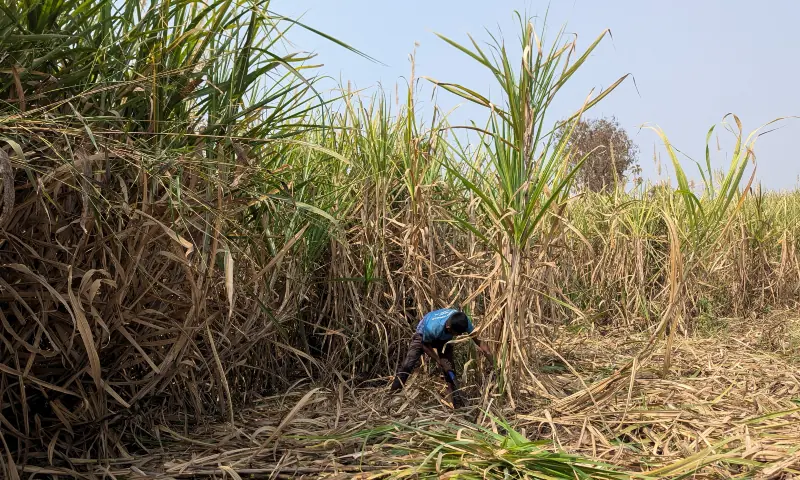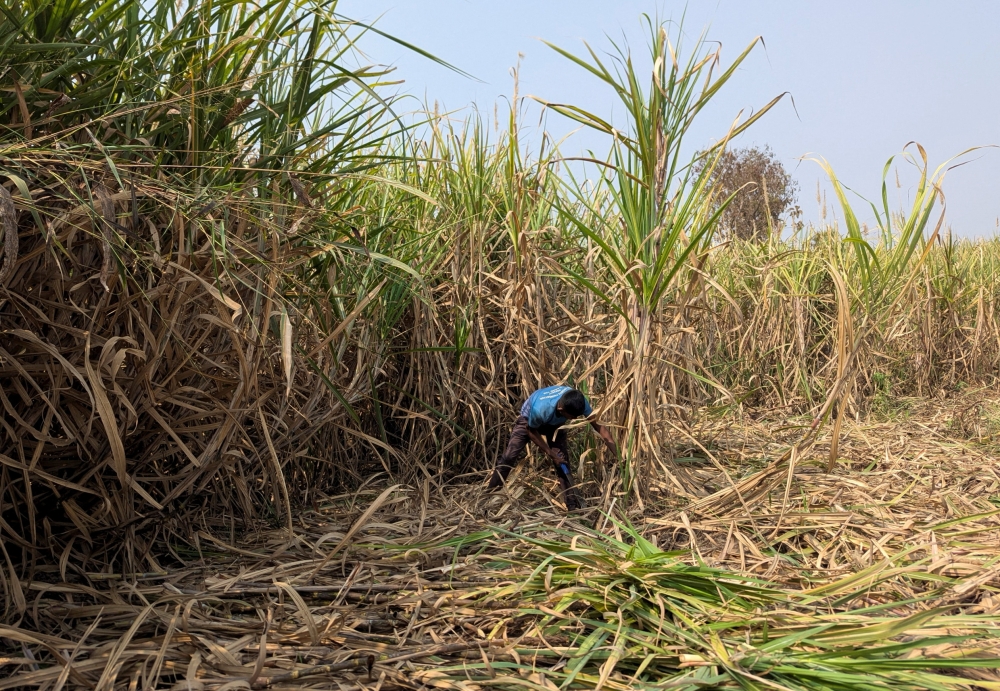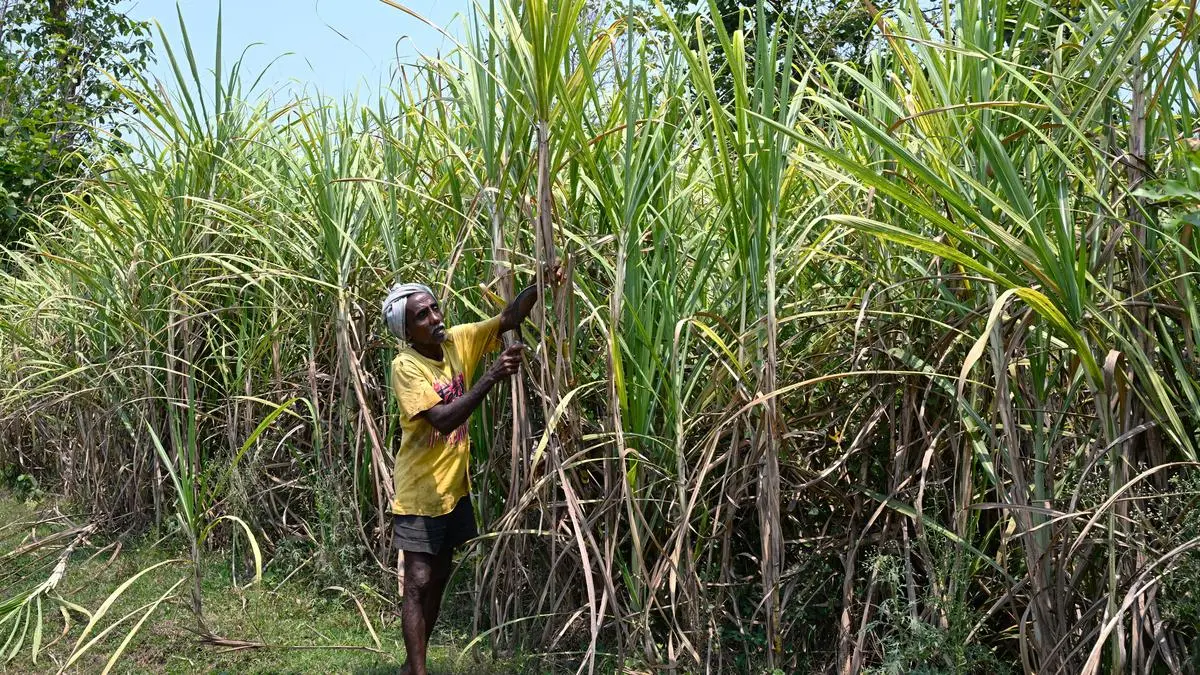
The global sugar market is entering the 2026-27 season with significantly lower stocks compared to the previous year. A recent decline in production in South-Central Brazil, driven by sugar mills prioritising ethanol over sugar due to low international sugar prices and a 30 per cent surge in crude oil prices following the West Asia conflict, has reduced the projected global surplus from a comfortable level to approximately 1.1 million tonnes. While there is no market shortage, there is very little buffer to absorb the impact of a poor harvest anywhere.India’s production: A story of improvementIndia’s 2025-26 season concluded on a somewhat subdued note, with final production falling slightly short of 28 million tonnes as some mills ceased operations by mid-April. However, the outlook for 2026-27 is decidedly positive. Consecutive good monsoons have replenished groundwater reserves and improved yields, while the area under cultivation has expanded by approximately 2 per cent to nearly 6 million hectares. Against this backdrop, the USDA projects production to rise by about 3.6 million tonnes, reaching approximately 33.6 million tonnes. Uttar Pradesh, Maharashtra, and Karnataka which collectively account for nearly 60 per cent of national production are central to this improvement. This significantly strengthens India’s domestic stock position, offering the country greater flexibility regarding exports and ethanol diversion.ExportsCurrently, no export bans or restrictions are in place or proposed. The government has explicitly ruled out any such measures, and according to USDA projections for 2026/27, Indian exports are expected to rise slightly to around 3.6 million tonnes. As seen in previous seasons, actual export volumes may fall short of the permitted quota depending on fluctuations in domestic and international prices, but policy-level restrictions do not pose a hurdle.The Real Threat: El Niño and the monsoonThe most credible near-term risk is weather-related. The developing El Niño phenomenon is a genuine concern, as early monsoon rainfall in parts of the sugarcane belt has already been below normal. A typical El Niño brings hotter and drier conditions to India and Thailand; a marginal decline of 1–2 million tonnes in output from these two nations—combined with Brazil’s already reduced production could be enough to completely wipe out the global surplus stock. Notably, the impact of El Niño on India’s sugarcane crop manifests with a one-season lag: a weak monsoon in 2026 could severely affect the 2027-28 crop by stunting ratoon cane growth and reducing replanting rates, meaning the market needs to monitor this risk over two seasons rather than just one.Bio-energy transition: Moving beyond E20On the bio-energy front, Indian sugar mills are deepening their transformation into integrated energy complexes. While the E20 mandate requires approximately 11 billion liters, current ethanol production capacity stands at around 17 billion liters, leaving a surplus of roughly 6 billion litres. This has prompted the industry to strongly advocate for a shift towards flex-fuel vehicles (FFVs) and higher ethanol blends, such as E85. To avoid the costs and complexities of a simultaneous nationwide rollout and to reduce the carbon footprint associated with long-distance biofuel transport, a phased regional implementation is proposed—focusing FFV infrastructure in surplus sugarcane-producing states like Maharashtra, Karnataka, and Uttar Pradesh. Diversifying feedstock to include maize and damaged food grains alongside sugarcane makes the program more resilient against the volatility associated with relying on a single crop. To offset the higher initial cost of flex-fuel vehicles and the mileage trade-offs linked to high ethanol blends, there have also been calls for consumer incentives modeled on the FAME scheme for electric vehicles.Financial strain: A key industry concernRegardless of shifts in production and trade dynamics, the financial pressure on sugar mills remains real and severe. Domestic sugar prices are currently below production costs, while revisions to ethanol procurement prices remain pending. Industry associations are advocating for an increase in the Minimum Selling Price (MSP) of sugar to safeguard mill cash flows and ensure timely payments to sugarcane farmers; this demand persists regardless of seasonal conditions.The outlook for 2026–27 suggests cautious improvement rather than a crisis; however, El Niño poses a genuine and potential multi-season threat that requires close monitoring months ahead.The author Regional Director, IFGE,Published on June 21, 2026
India’s bio-energy outlook for 2026-27: Rising competition, domestic crop improvement and El Niño conditions
Explore India's bio-energy outlook for 2026-27, highlighting production improvements, export potential, and El Niño's looming impact.
683 words~3 min read