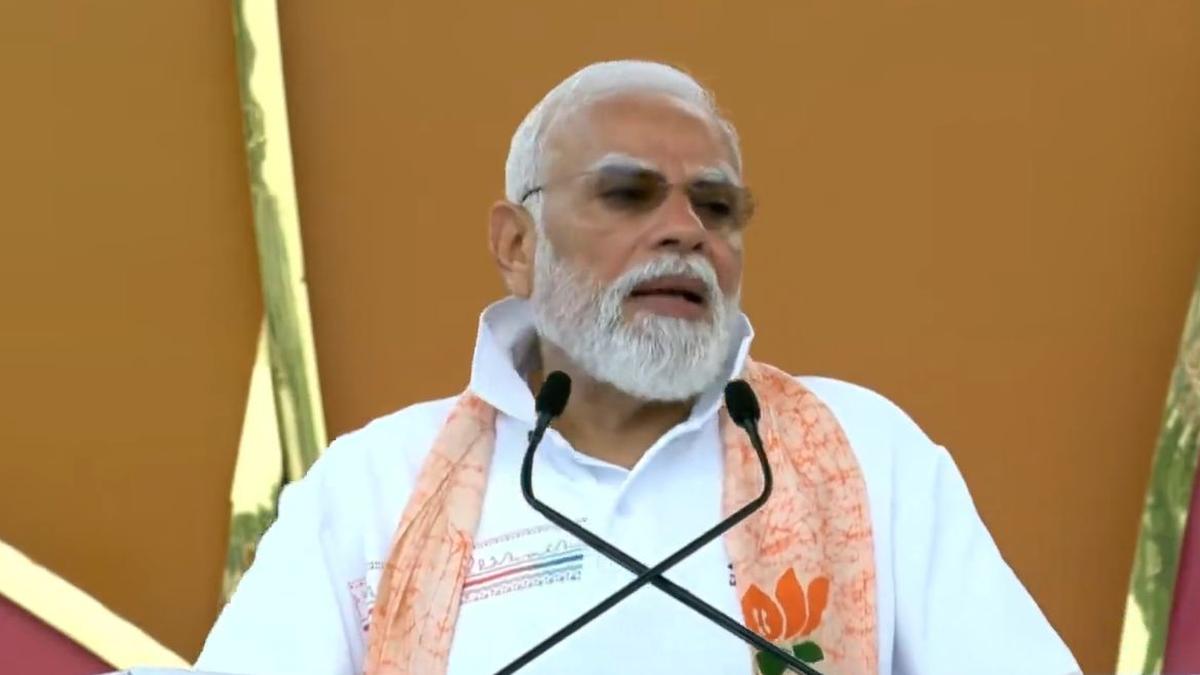
Yoga has become a prominent feature of India’s cultural diplomacy abroad, with the government, from 2014 onwards promoting it more forcefully as a key instrument of soft power.“Yoga is truly universal. Friends, when we do yoga, we feel physically fit, mentally calm and emotionally contained,” India’s Prime Minister Narendra Modi said in 2014.“But this is not just about doing exercises on a mat, yoga is a way of life. A holistic approach to health and wellbeing, a way to mindfulness in thought and action. A way to live in harmony with self, with others and with nature,” he added.Much of this yoga diplomacy has been concentrated in the West.Led by India’s Ministry of Ayush (Ayurveda, Yoga and Naturopathy, Unani, Siddha and Homoeopathy), the Indian government has used yoga as a means of marketing India as a place of peace, harmony and safety.This has been especially egregious given that India has grown increasingly authoritarian and intolerant towards minorities under Modi’s administration.“Modi has mobilised yoga to obfuscate the increasing violence, inflexibility, and intolerance of difference under his administration,” Anusha Lakshmi wrote in 2020.And it is in Palestine that India’s use of yoga has been arguably most problematic.Exhibit A: March 9, 2025In the midst of the genocide in Gaza, the Indian mission to Palestine asked for nominations for the Prime Minister’s Award for yoga.In the graphic shared online, the Mission wrote: “Celebrate the power of yoga in transforming lives.”Just the day before, on March 8, 2025, seven Palestinians were killed by Israel in Gaza, taking the death toll by the end of the day to 48,453 , with a further 111,000 injured, and thousands more still buried under the rubble.The next morning, on March 9, Israel’s Energy Minister Eli Cohen ordered an immediate halt to electricity supplies to Gaza, jeopardising the operation of desalination plants relied upon by hundreds of thousands.It was Ramadan. Aid shortages were worsening, and a tenuous ceasefire hung by a thread.Meanwhile, in the occupied West Bank, attacks on Palestinian civilians in Jenin, Tulkarm, and Tubas continued.It was reported that there were around 10 incidents in January 2025, with attacks surging to nearly 100 in February 2025.“Since the operations began on 21 January, around 40,000 Palestinians have fled camps in Jenin and Tulkarm, marking the largest such displacement since the 1967 Six-Day War,” the Armed Conflict Location & Event Data monitor said.India’s response to these calamities was to promote yoga to Palestinians.
How India is trying to use yoga diplomacy in Palestine to disguise its close ties with Israel
On Sunday, India will ‘celebrate yoga’s universal message of harmony’ in Bethlehem. But what does ‘harmony’ mean when Indian-made combat drones fly over Gaza?
451 words~2 min read