Story audio is generated using AI
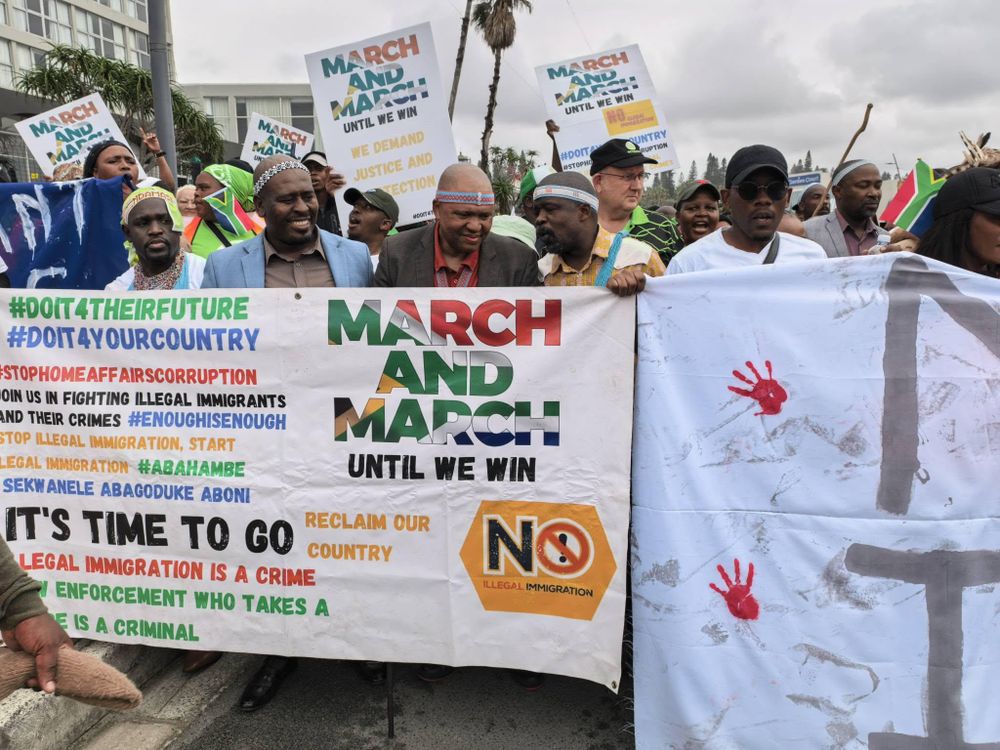
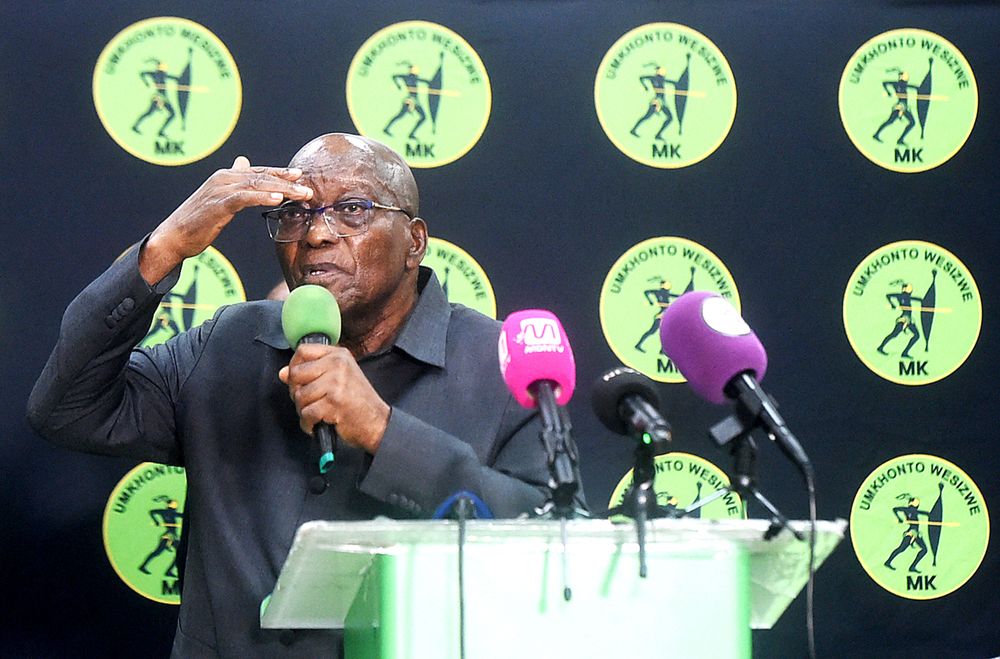
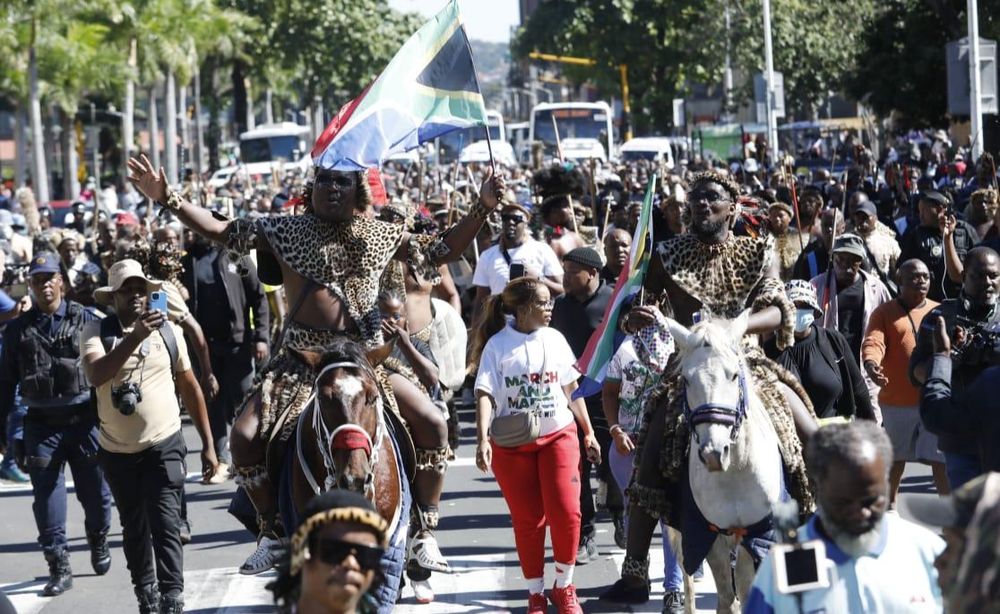
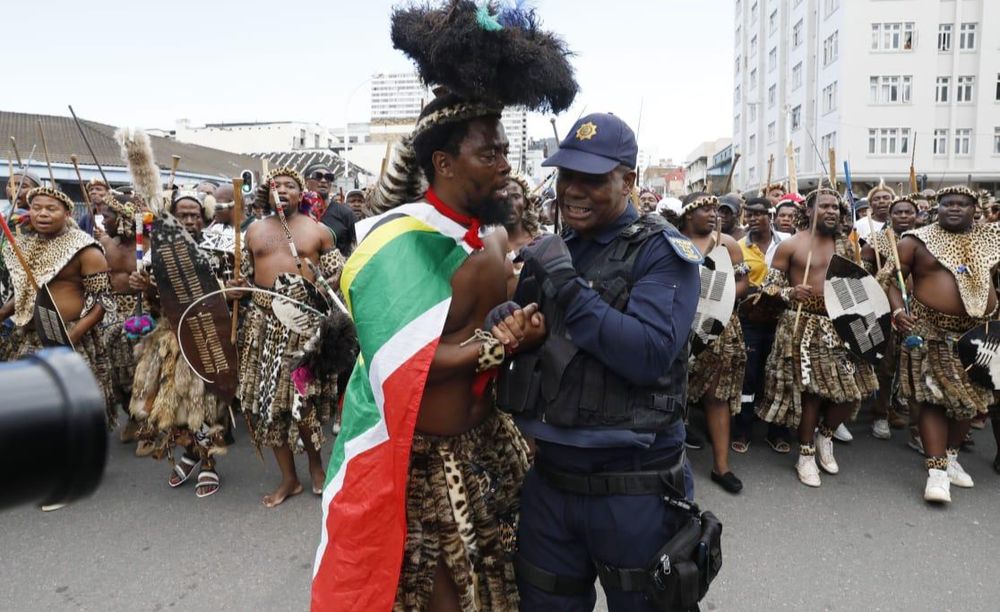
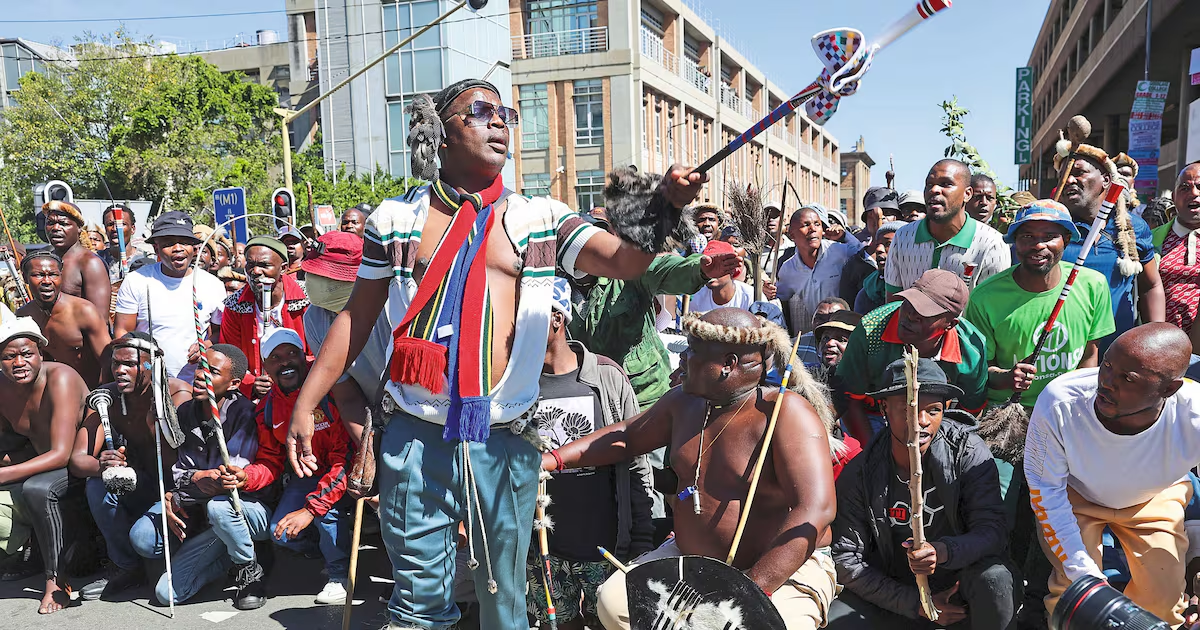
Time and dates matter in the theatre of politics. When a precise date is given political importance, we ought to understand why this is so. There is a good reason Jacob Zuma picked December 16 2023, to announce the formation of the MK Party — it was the date 60 years earlier on which his former political home, the ANC, established uMkhonto weSizwe, its armed wing, to fight the pernicious apartheid regime.Zuma’s message was clear: his iteration of MK was needed to save the country from the “ANC of Ramaphosa”. The strategy worked to great effect, garnering enough votes to catapult the party into third place in the elections a few months later. For its part, the EFF chose July 26 to launch — a watershed day for left-leaning formations ever since Fidel Castro named his revolutionary movement for the date. His forces had staged an attack on an army barracks on that day in 1953. June 30 is pregnant with meaning, both in South Africa and in the international contextAnd because history has no blank pages, March and March (until we win) has picked June 30 as its deadline for all undocumented foreign nationals to leave the country. Yes, private citizens in South Africa have the gall to issue such an ultimatum.These are the signs of the times. June 30 is pregnant with meaning, both in South Africa and in the international context.Here at home, it marks the 1991 official repeal of the notorious Natives’ Land Act of 1913 and the Native Trust & Land Act of 1936, which had confined the black majority to a tiny percentage of the country’s territory.June 30 is the day in 2014 when Zuma, as head of state, signed into law the Restitution of Land Rights Amendment Act, which allowed individuals who were dispossessed by past racially discriminatory laws to lodge or reopen land claims.It must not be lost on South Africans of good conscience and a measure of discernment that the call for undocumented migrants to leave South Africa has strong links to the land question, particularly in big cities where many black people have to scramble for tiny parcels of land.The message from March and March is as loud as it is brazen: South Africa belongs only to those who were born here. Never mind that the constitution dictates that the republic belongs to all who live in it. On the international front, June 30 carries a much darker meaning. It was the day Adolf Hitler embarked on what would come to be known as the Night of the Long Knives — the first act of horror committed by the Nazis.The ruthless purge was the sign of things to come for the European Jews. This Nazi purge also capitalised on homophobia. With March on March led by such characters as Ngizwe Mchunu, a self-confessed homophobe and outright xenophobe, South Africans should be concerned about what this outfit will morph into.The irritable mental gestures spewed by the megaphones of March and March and Operation Dudula suggest a concerning fragility in South Africa’s public discourse: the retreat of the black intelligentsia from shaping public opinionIt matters that the MK Party, led by a man with seriously conservative views on society, has joined the fray.March and March, the MK Party, Afrika Mayibuye Movement (ignore the contradiction; it’s an election year after all), ActionSA and the Patriotic Alliance are a powerful alliance, but it is a partnership based on convenience and expediency, not ideas.This republic is too precious to be left to the likes of March and March to shape its future and policy directions.This group, and its ilk, are what US literary critic and academic Lionel Trilling described in his 1950 essays as people who have no ideas, only impulses, or “irritable mental gestures which seek to resemble ideas”.The irritable mental gestures spewed by the megaphones of March and March and Operation Dudula suggest a concerning fragility in South Africa’s public discourse: the retreat of the black intelligentsia from shaping public opinion. I invoke the black intelligentsia because anti-immigrant sentiment in South Africa has a black face.It would appear the black intellectuals’ voices have been drowned out by the unrelenting noise from the ilk of March and March. They have struggled to assert themselves in the contemporary ideological battleground — social media, a platform that Mchunu and his brigade have used to great effect.In a democracy, the responsibility of intellectuals is not to follow popular sentiment but to uphold principles they know to be true. For public intellectuals, the need to shape public opinion and lend their voices to building a South Africa at peace with itself and its sister countries has seldom been more urgent.The consequence of leaving the floor to those with irritable mental dispositions, posturing as thinkers, is dire. They must be exposed for what they are: pretenders to the moral throne with minds void of ideas.