Five days from now, South Africa faces a moment of reckoning, not because the government has declared a crisis, but precisely because it insists it hasn't.
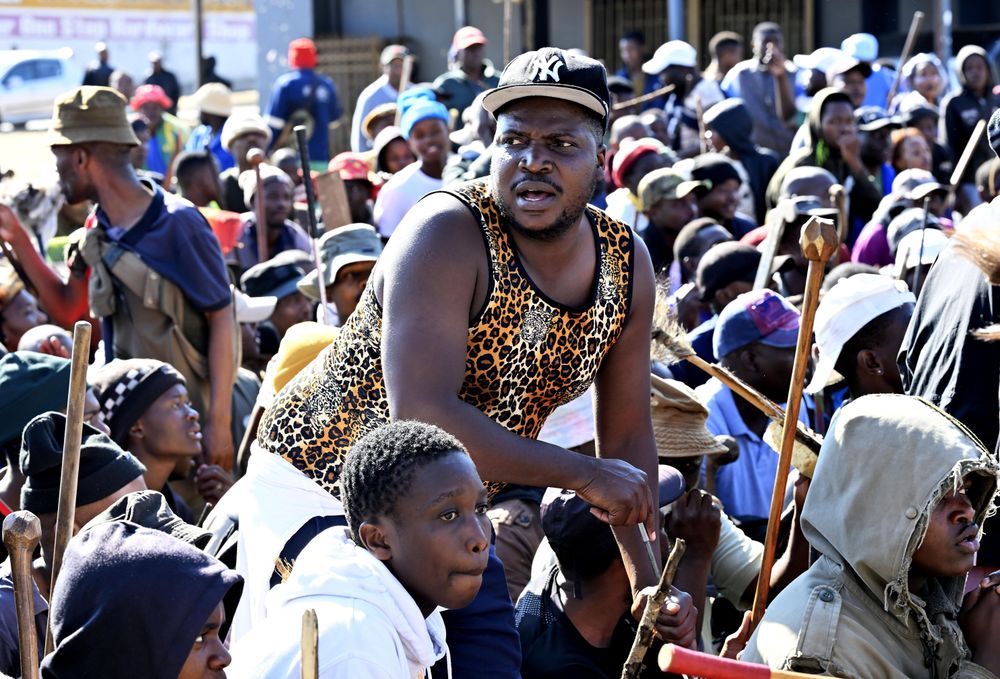
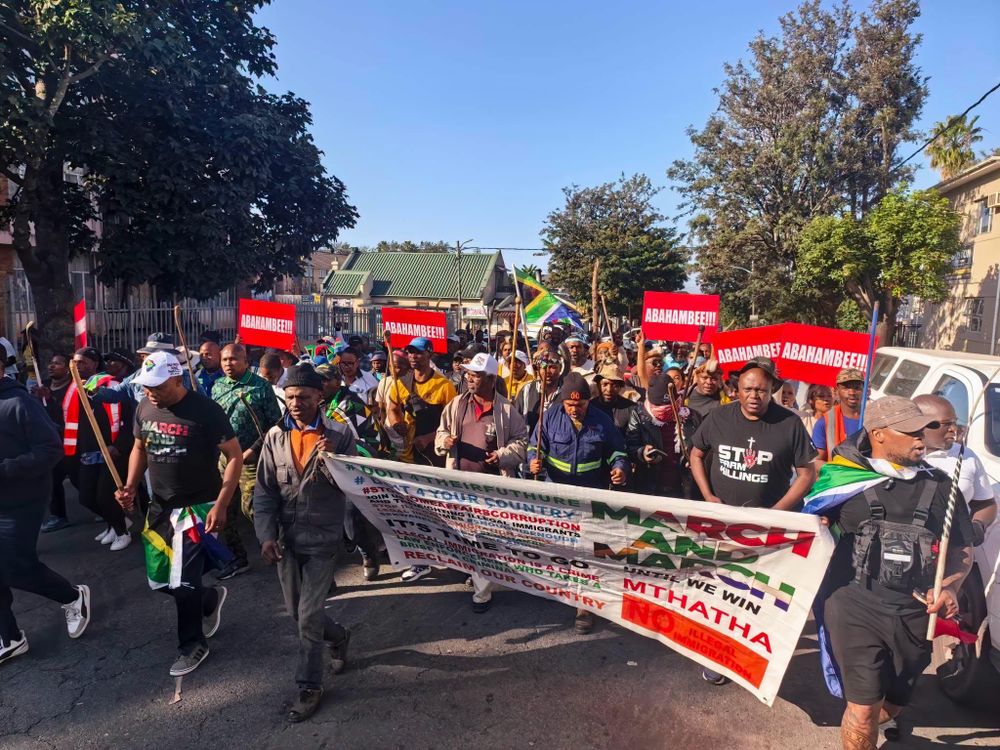
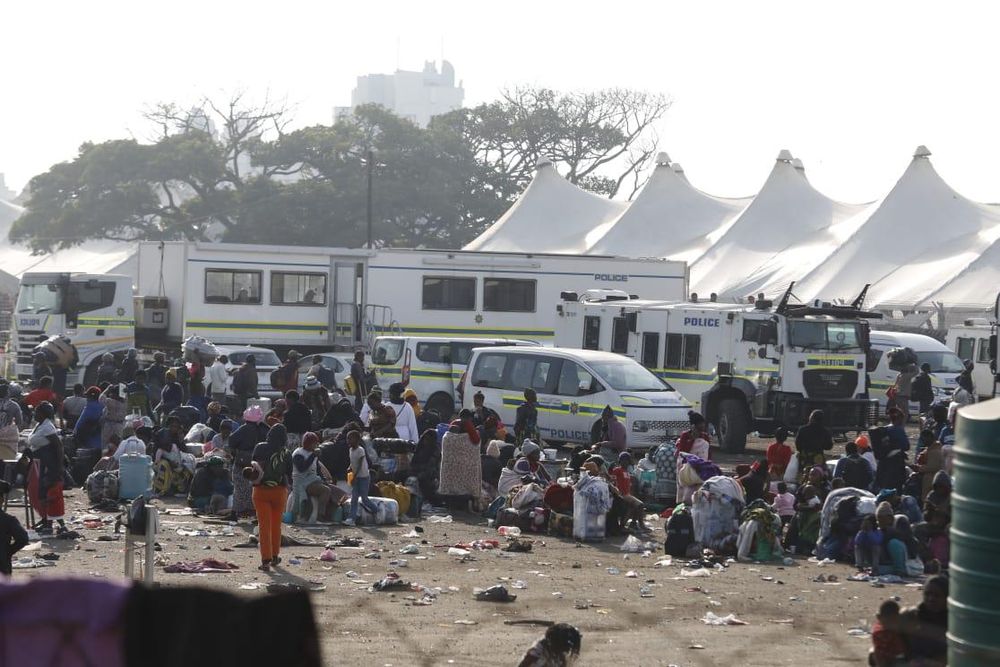
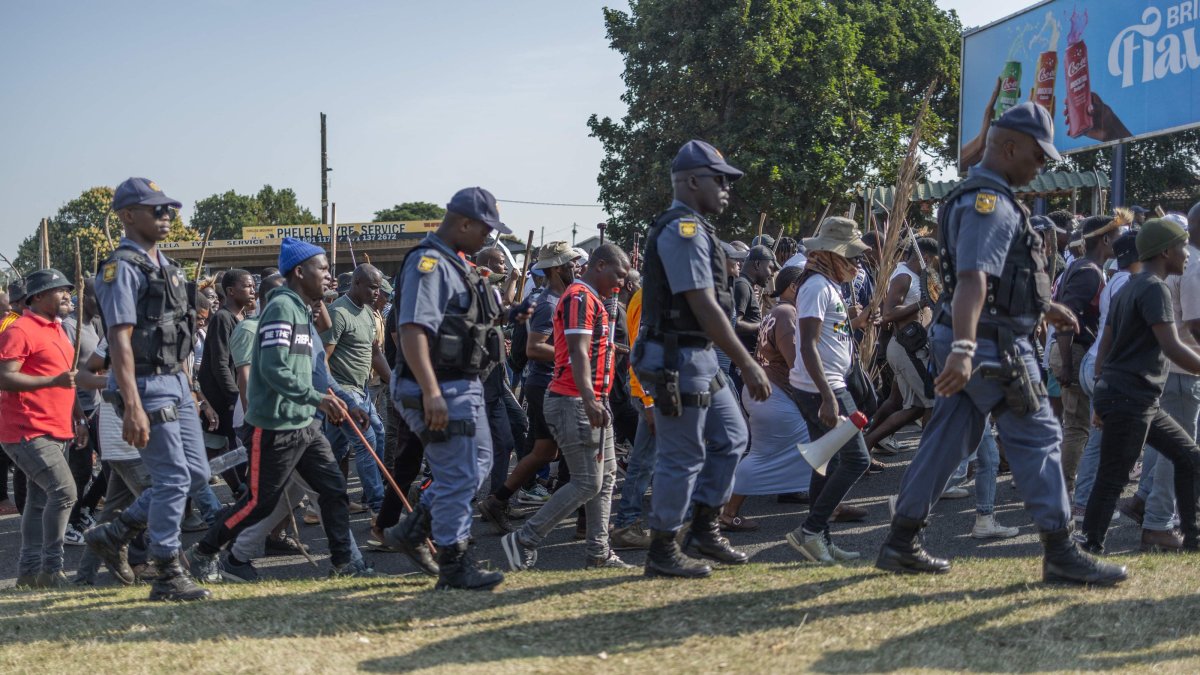
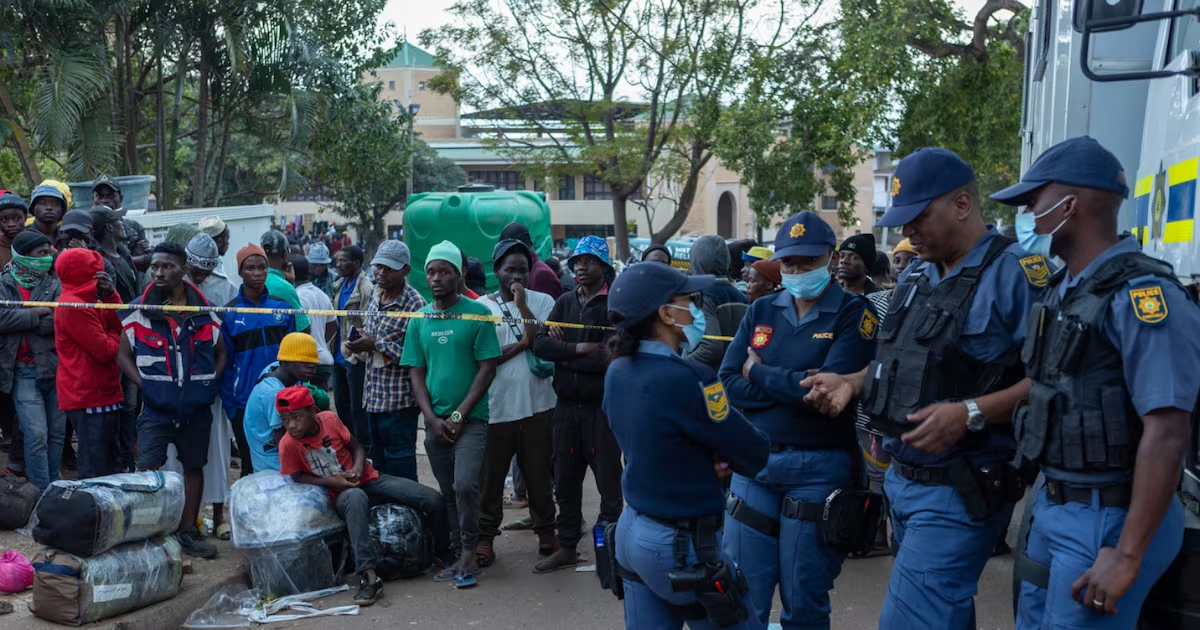
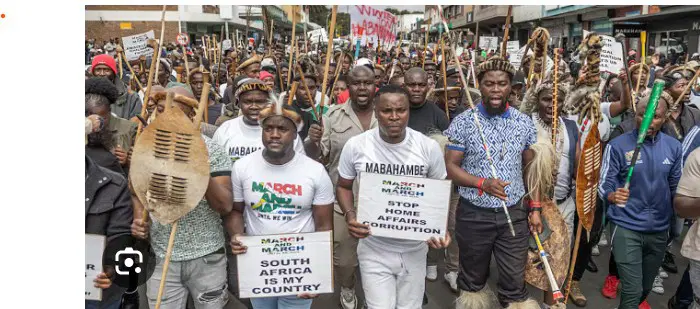
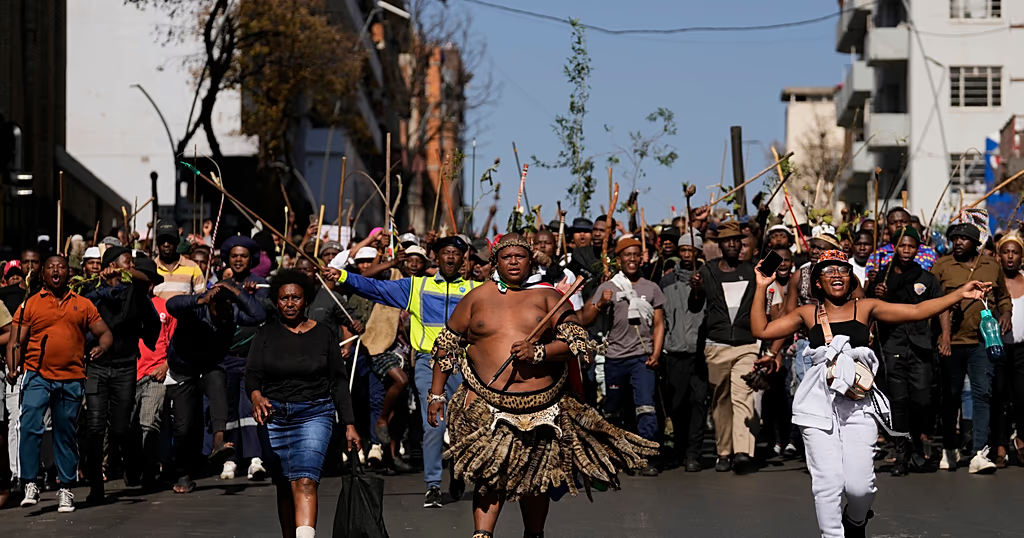
Five days from now, South Africa faces a moment of reckoning, not because the government has declared a crisis, but precisely because it insists it hasn't. The planned demonstrations of 30 June, anchored in the anti-immigration movement March and March's ultimatum for undocumented foreigners to leave the country, have triggered the most visible display of security mobilisation this republic has seen since the catastrophic July 2021 unrest. The question on everyone's lips is not whether the state is prepared, but whether preparation alone is sufficient.
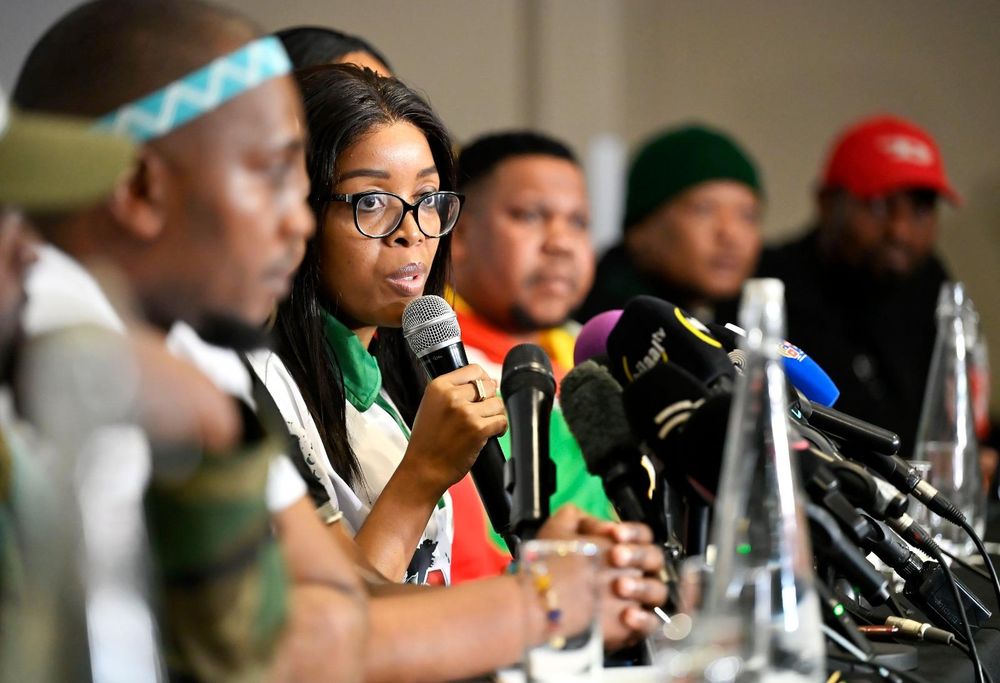
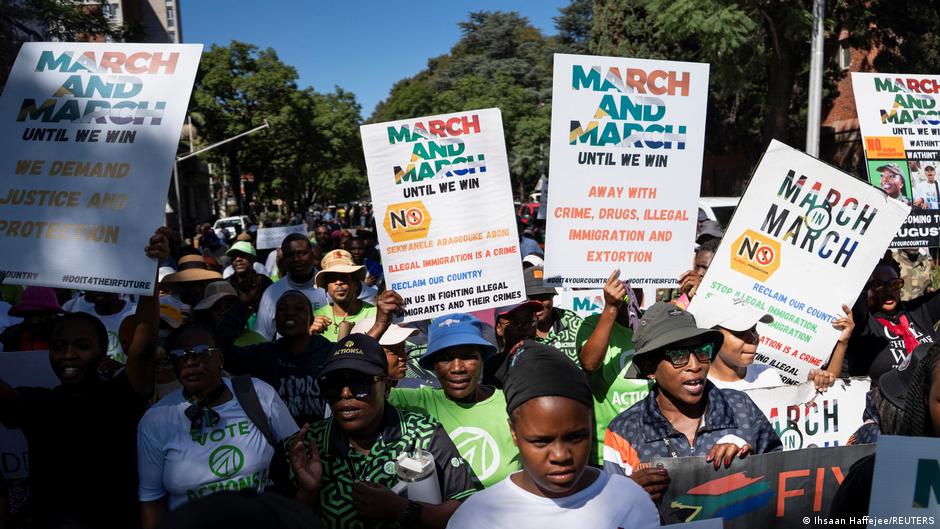
Understanding what South Africa is preparing for requires understanding March and March itself. The movement was founded in 2025 by Jacinta Ngobese-Zuma and has set a 30 June 2026 deadline for undocumented immigrants to leave South Africa, driving nationwide protests that have prompted a government-wide response. The movement frames its campaign as anti-illegal immigration, not xenophobia, but the distinction has proved difficult to maintain on the ground. While organisers have publicly denounced violence, there have been numerous instances of immigrants being assaulted and intimidated, and immigrant-owned shops looted.