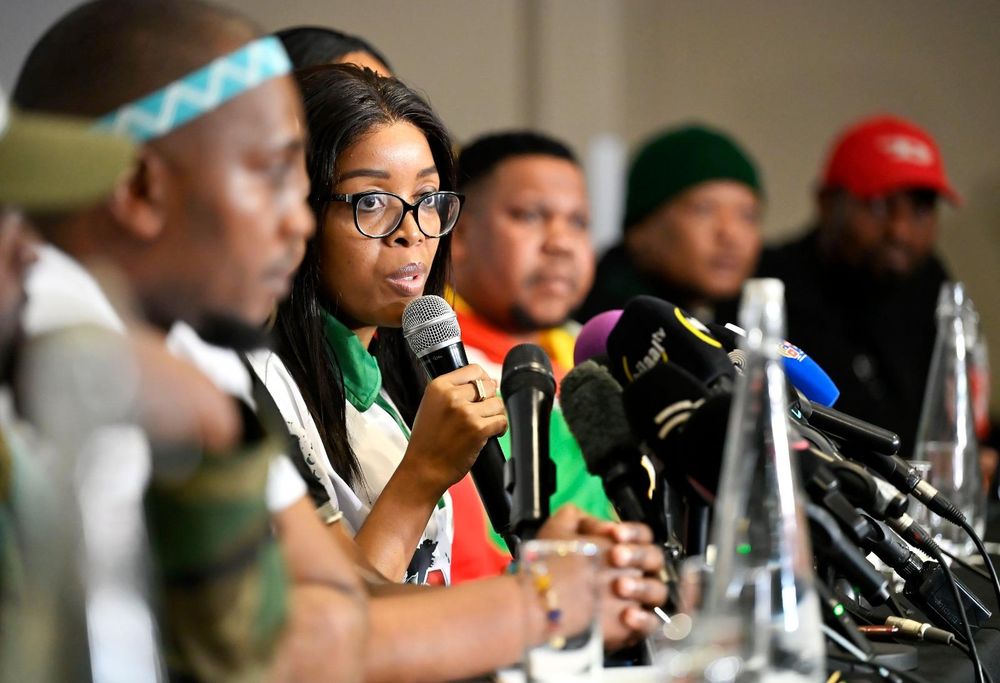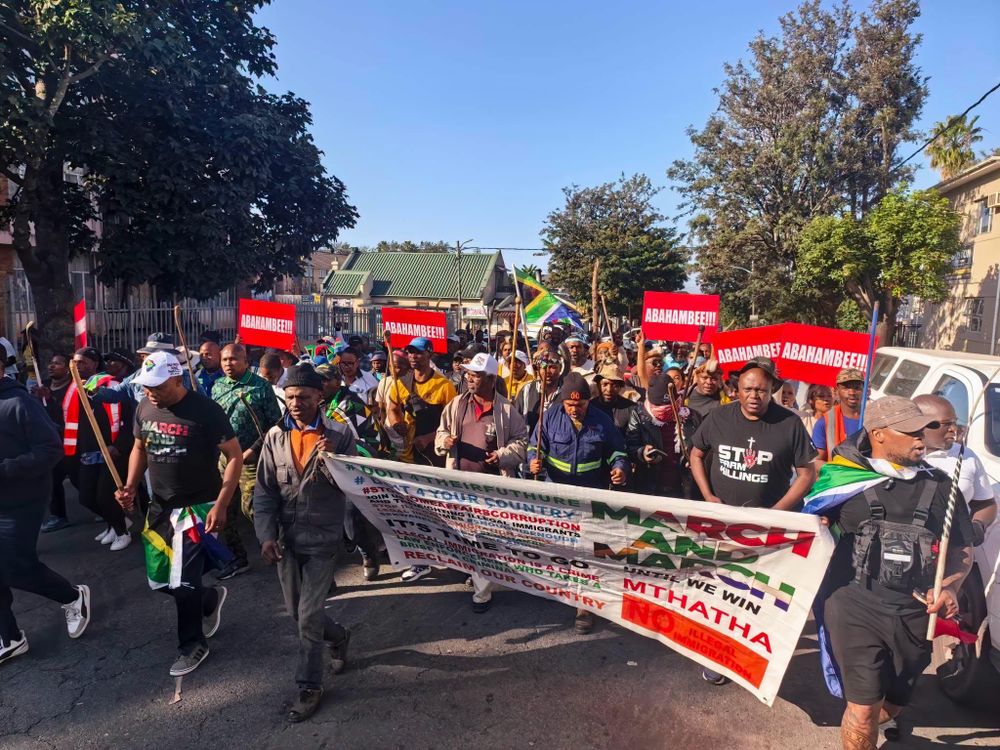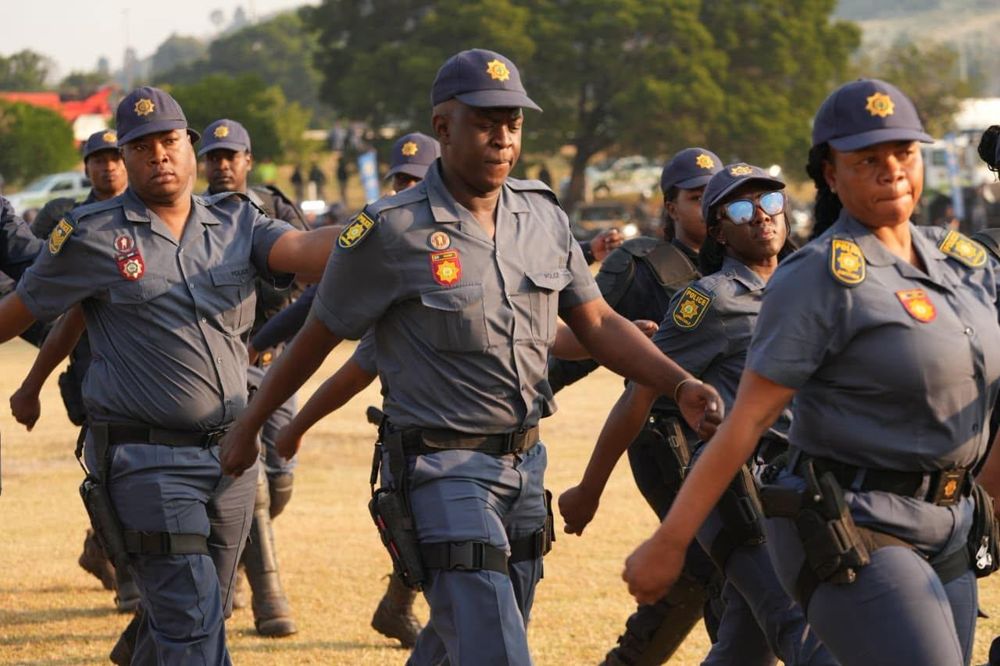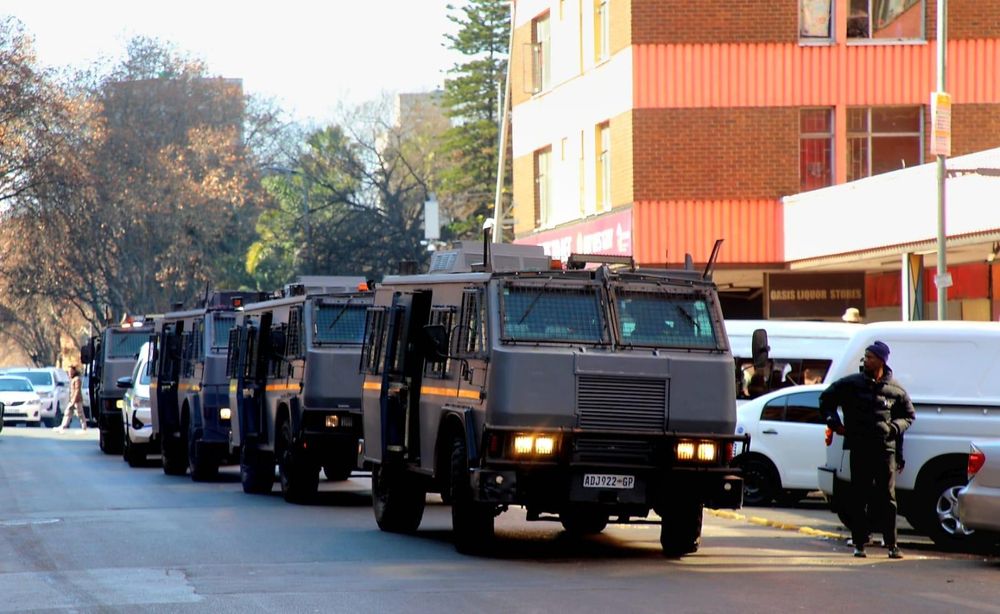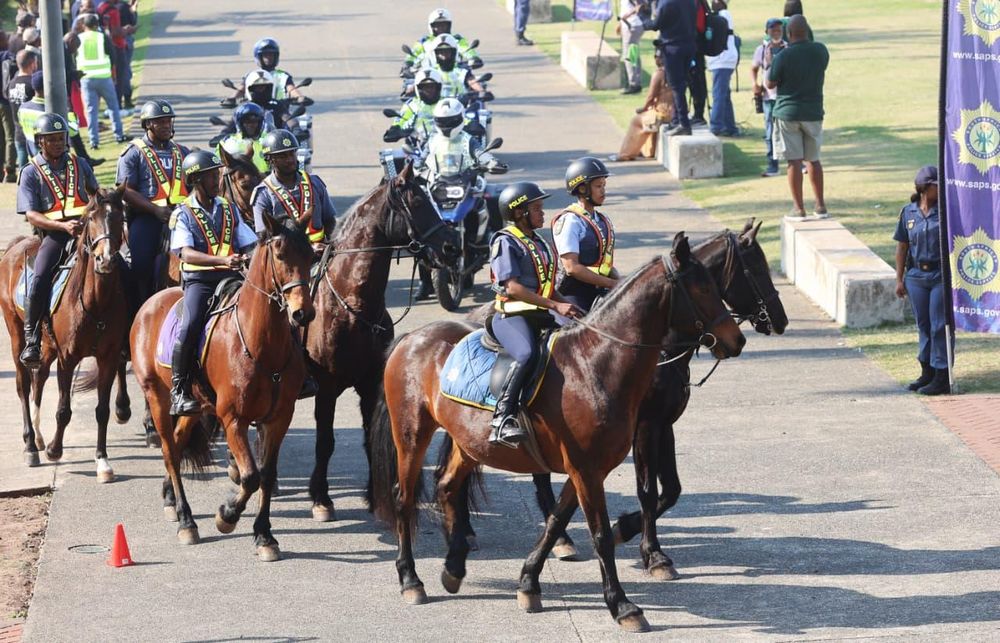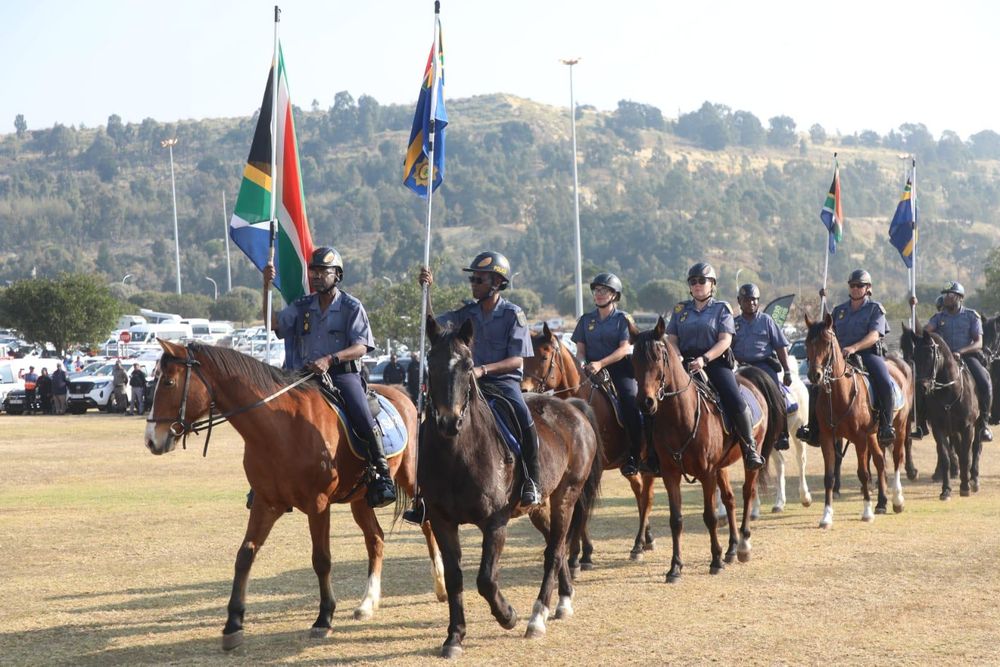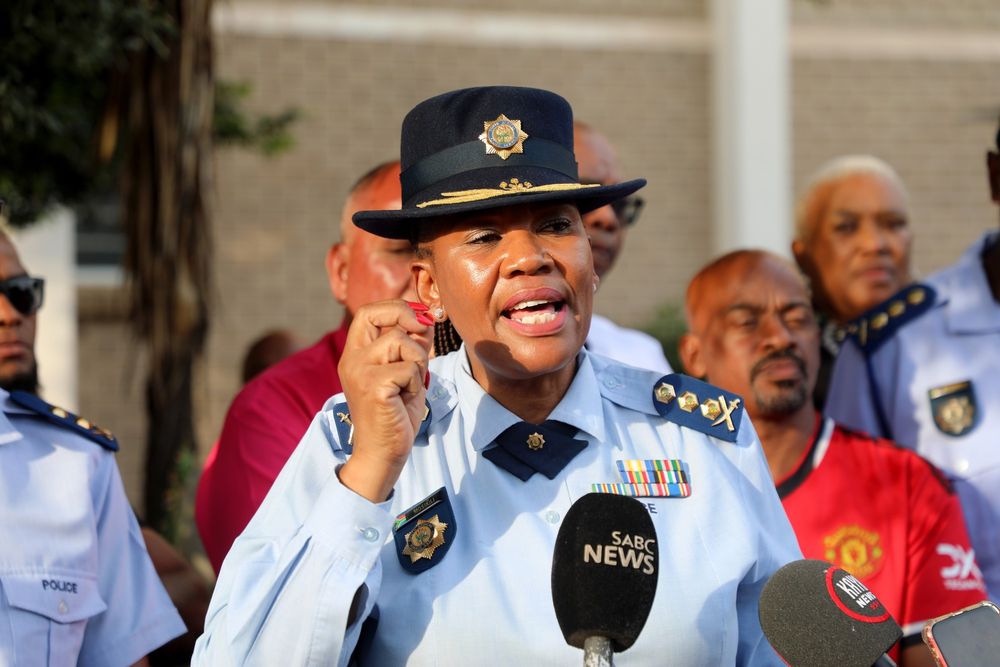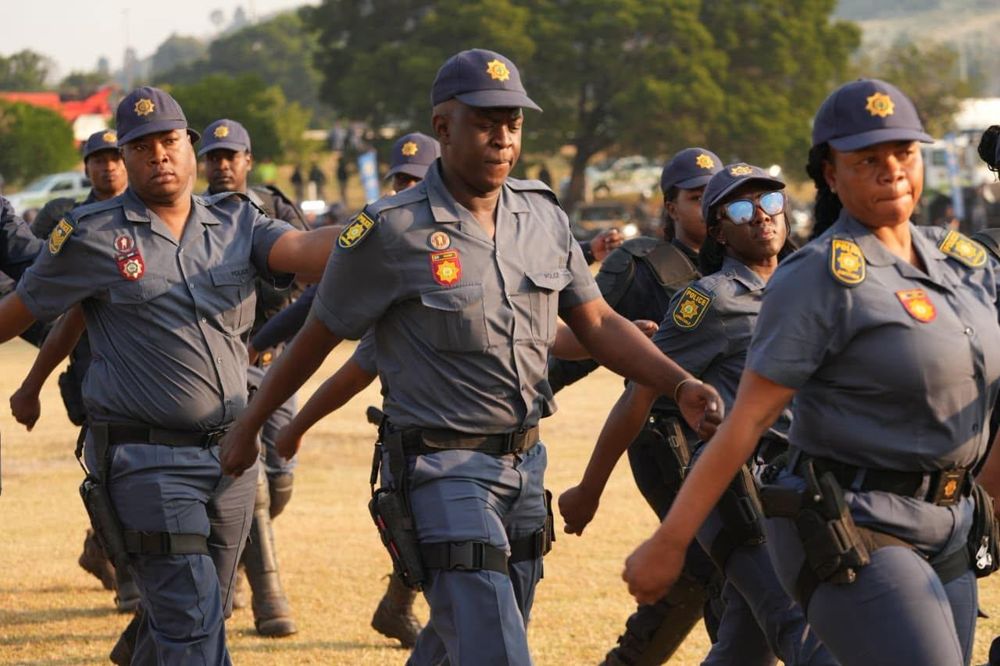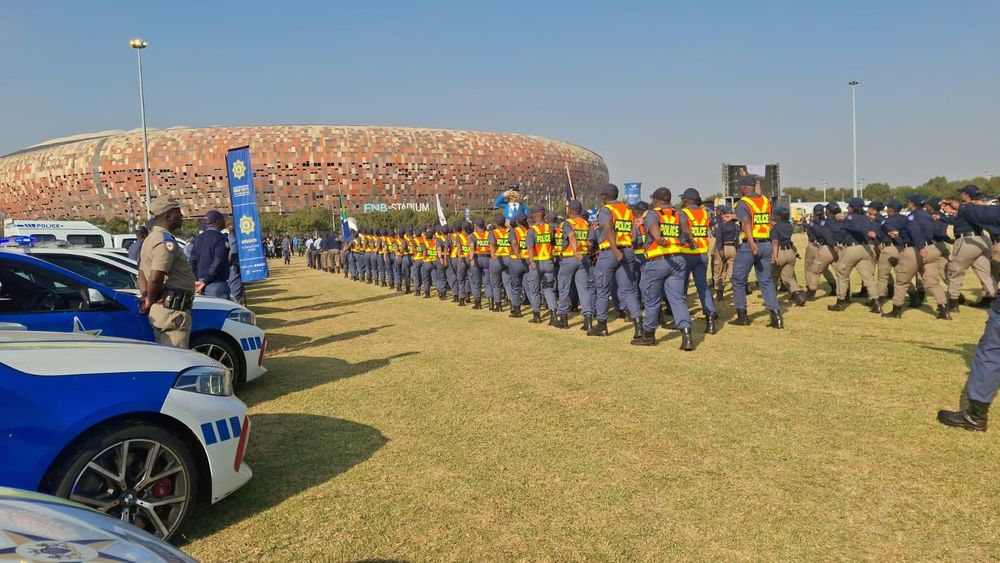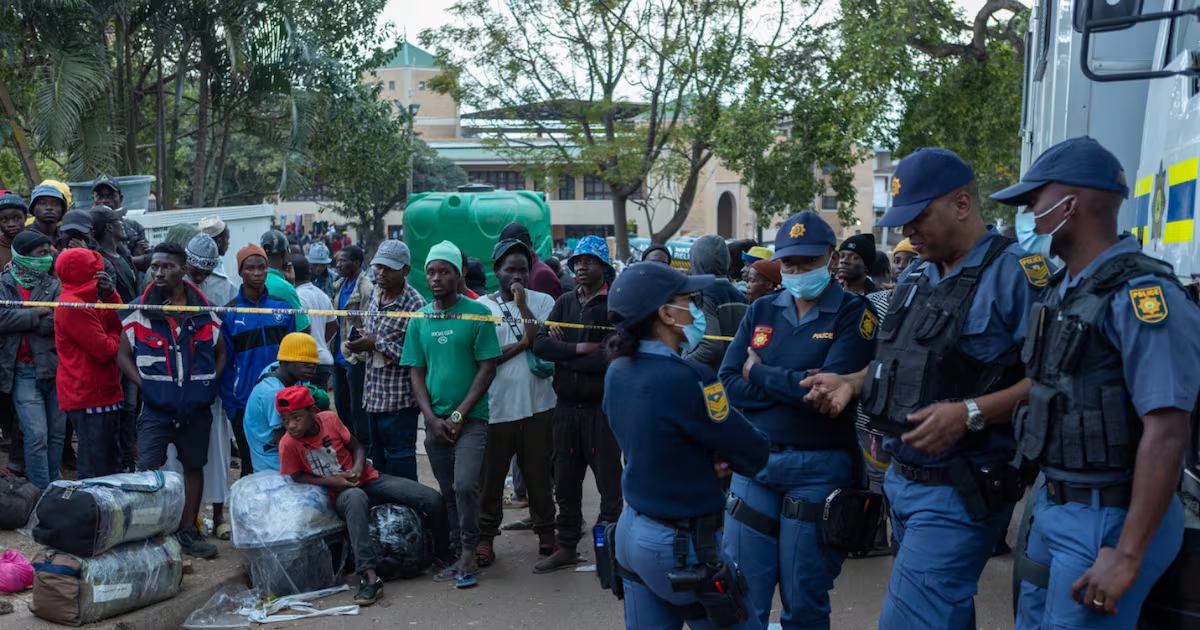
South Africans are understandably anxious, angry and apprehensive about the planned national shutdown on June 30. The day will test whether our law enforcement agencies have learnt from previous demonstrations that turned into mayhem. Organisations like March and March have named June 30 as the deadline by which they say undocumented foreign nationals have to leave the country.In the lead-up to the day, several African governments have voluntarily repatriated large numbers of their nationals from South Africa. Thousands of Malawians, Zimbabweans, Nigerians and Ghanaians are still camping at their embassies, waiting to be assisted out of the country. Tensions are also building up in interstate relations. Ghana, for example, wants the South African protests to be discussed in the July summit of the AU. South African businesses with investments across the continent are nervous that the anti-immigrant movement will provoke retaliatory actions against South African multinationals in hot spots like Nigeria, Ghana and Benin. Ahead of June 30, the government held numerous consultations with business, labour, church and traditional leaders to discuss its approach prior to, during and after the day. Measures include cancelling the leave of all police officers, telling marchers that weapons will not be allowed on the day and assisting those who want to leave the country to do so in orderly fashion. It’s regrettable that we find ourselves in this situation. Successful countries are built through contributions of migrants. This country’s mining industry was built through migrant labour from the neighbouring Lesotho, Mozambique, Eswatini, Zambia, Malawi and Namibia. During the struggle against apartheid, South Africa’s neighbours — the so-called frontline states — hosted thousands of South Africans as refugees and freedom fighters. South Africa, the continent’s most advanced economy, offered the promise of a better life after it welcomed democracy in 1994. In many respects, the following decades have been a story of unrealised potential. It’s a failure that has partially fuelled this ugly xenophobic moment we are living through.Targeted violence, it should go without saying, will only worsen the country’s prospects.The right to protest is guaranteed in the constitution. But those who elect to protest must do so peacefully. Which means that they should not engage in acts of vandalism and intimidation. No civilian has the right to demand identity documents from any person. The protesters have a responsibility to express their grievances within the law. Equally, they have a responsibility to respect the right of those who choose to work and run their businesses. Likewise, law enforcement agencies, private security and the army must demonstrate the utmost professionalism. They are required to do their job, exercise restraint and protect those who will be working on the day. Those requiring protection include emergency service workers and journalists. Too often we’ve seen journalists being caught in the crossfire between protagonists. Tolerance must be appealed for.Recent events are still fresh in South Africans’ minds.In 2012, more than 40 miners were shot — some in their backs — while demanding decent wages. In July 2021, police watched as wanton looting took place in KwaZulu-Natal and parts of Gauteng. Consequence management after both incidents has been slow and uneven. There is no telling whether police public order capability has been strengthened as recommended by the Farlam report. We ask our law enforcement agencies to pass the June 30 test.
EDITORIAL | June 30 will test South Africa’s commitment to law and order
Law enforcement faces a critical test as South Africa braces for nationwide protests
550 words~3 min read