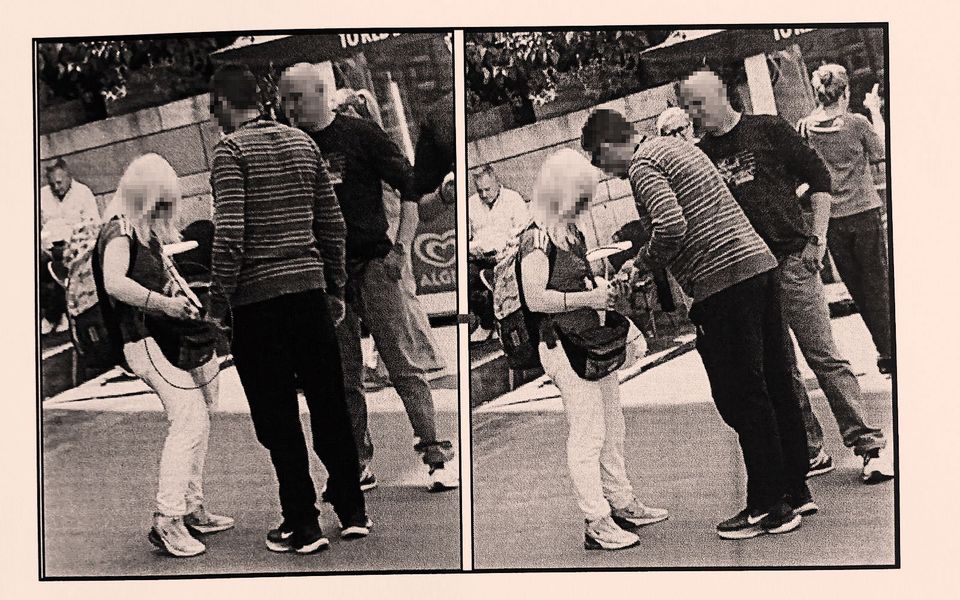
The response from Greece’s Anti-Money Laundering Authority to the latest hotbed of corruption exposed in the country – state agencies responsible for urban development and construction licensing – was swift and sweeping, with the promise of nationwide inspections. But it is not enough.
The roots of corruption are nurtured by our perception of the state, as driven by clientelism, broken up into small fiefdoms, chaotic and faceless, labyrinthine and intransparent, rigid and bloated. By the absolute certainty that impunity from bending the rules is buyable and that even the impossible is possible through shady networks, with some palm-greasing and back-scratching. By the knowledge that backroom deals and underhanded transactions can defy bureaucracy, over-regulation, a sluggish justice system, chaos, deliberate bureaucratic stonewalling and entrenched state foot-dragging. It is this dominant Greek stereotype that sustains this festering wound of our collective consciousness.
As long as we need a corrupt insider, we will have a corrupt insider
Old habits die hard – as the saying goes – but they can be broken. And corruption cannot be eliminated, but it can be contained. It has happened elsewhere through planning, hard work and a commitment to making sure that the younger generations never learn what their elders are incapable of unlearning. Namely, the idea that “strategic” bribery is convenient; that corrupt judges and politicians dipping their ladles into the state pot serve a purpose; and that corrupt pockets within municipalities, tax offices, zoning services and agricultural subsidy payment agencies are useful because lawful avenues fail to deliver the desired result. It’s the law of life, of demand and supply. As long as we need a corrupt insider, we will have a corrupt insider.