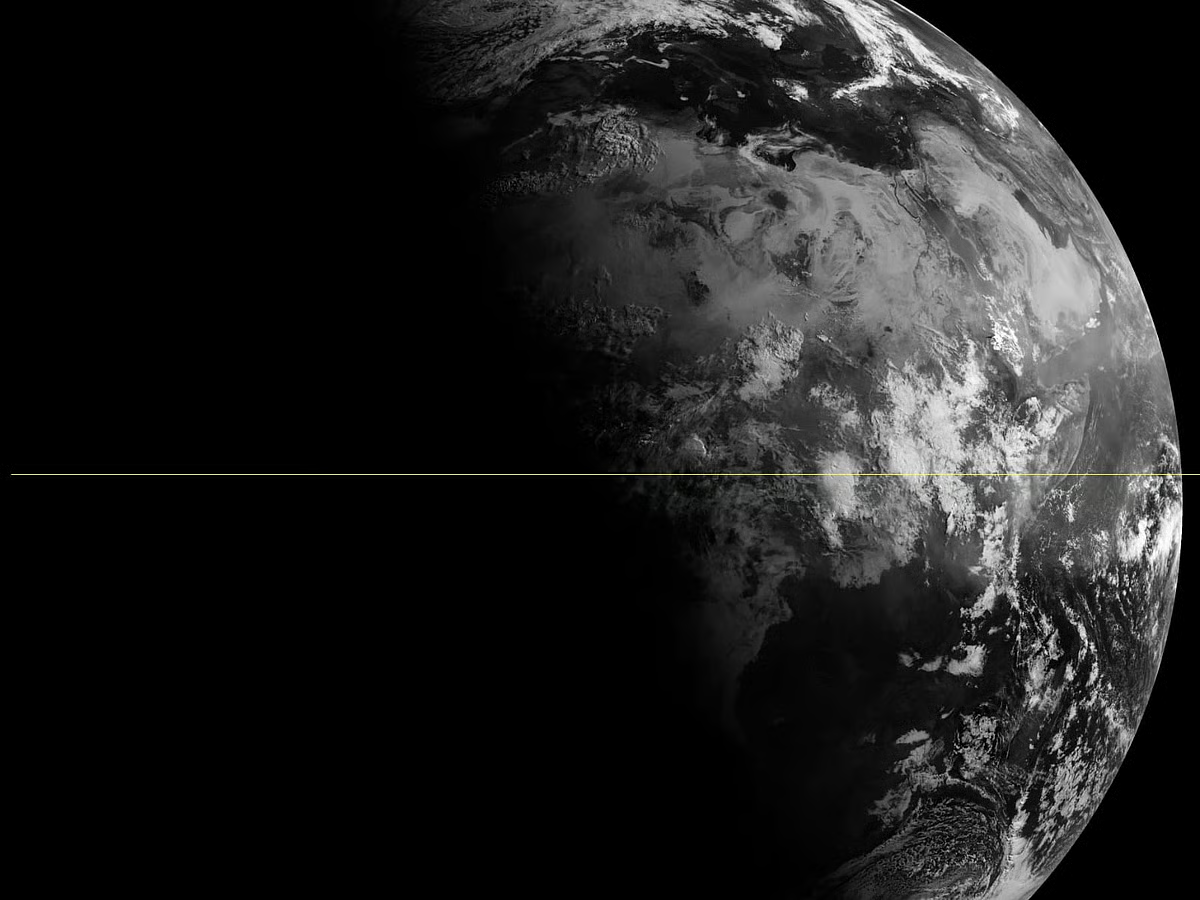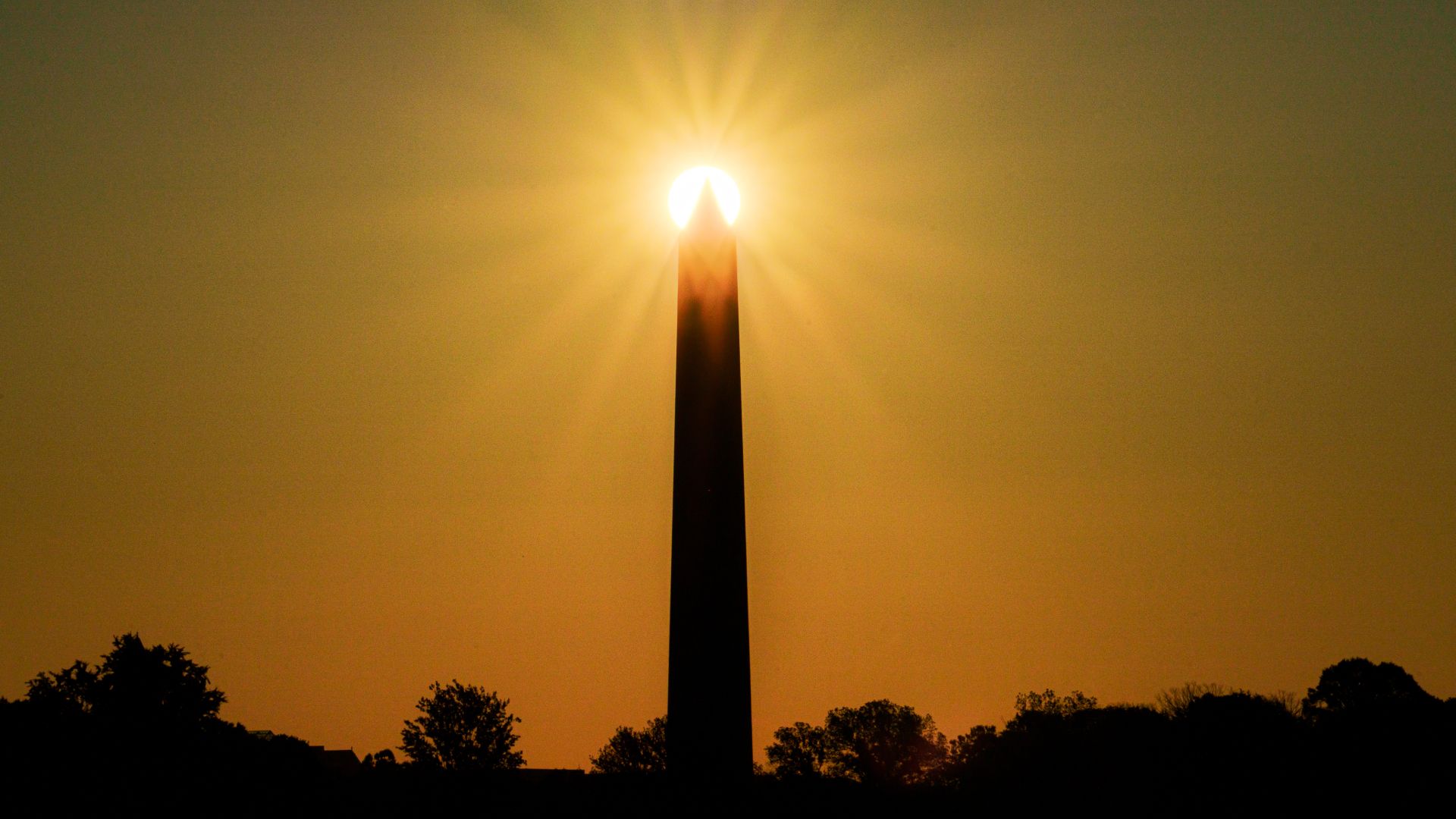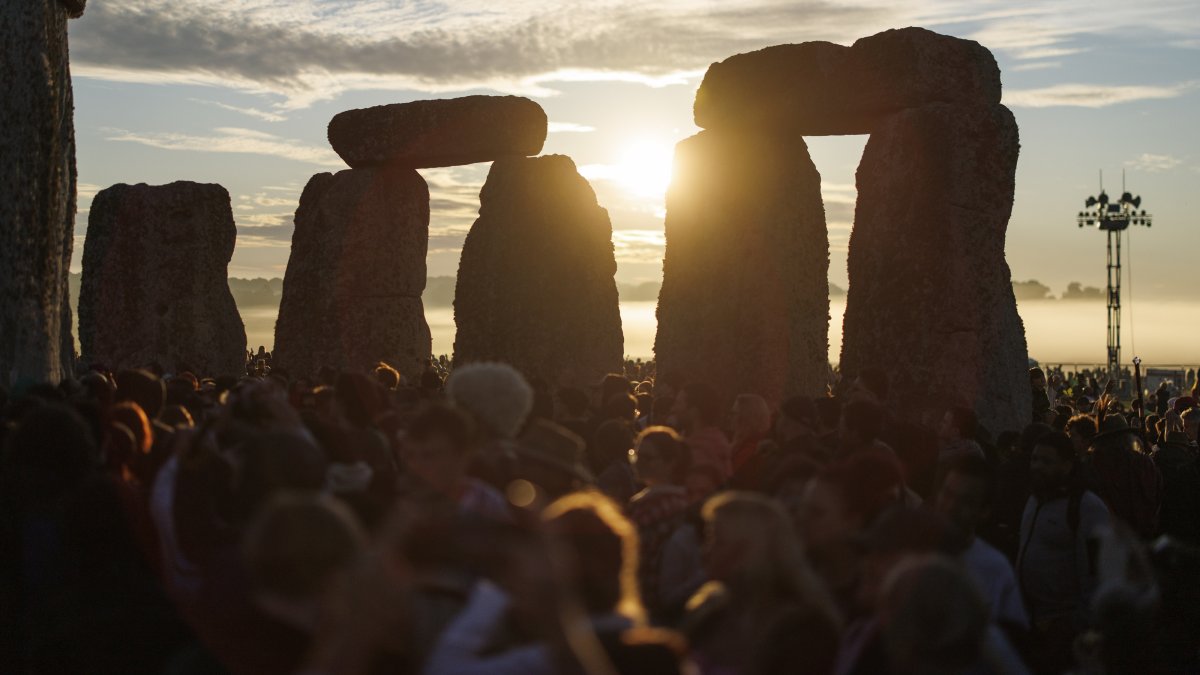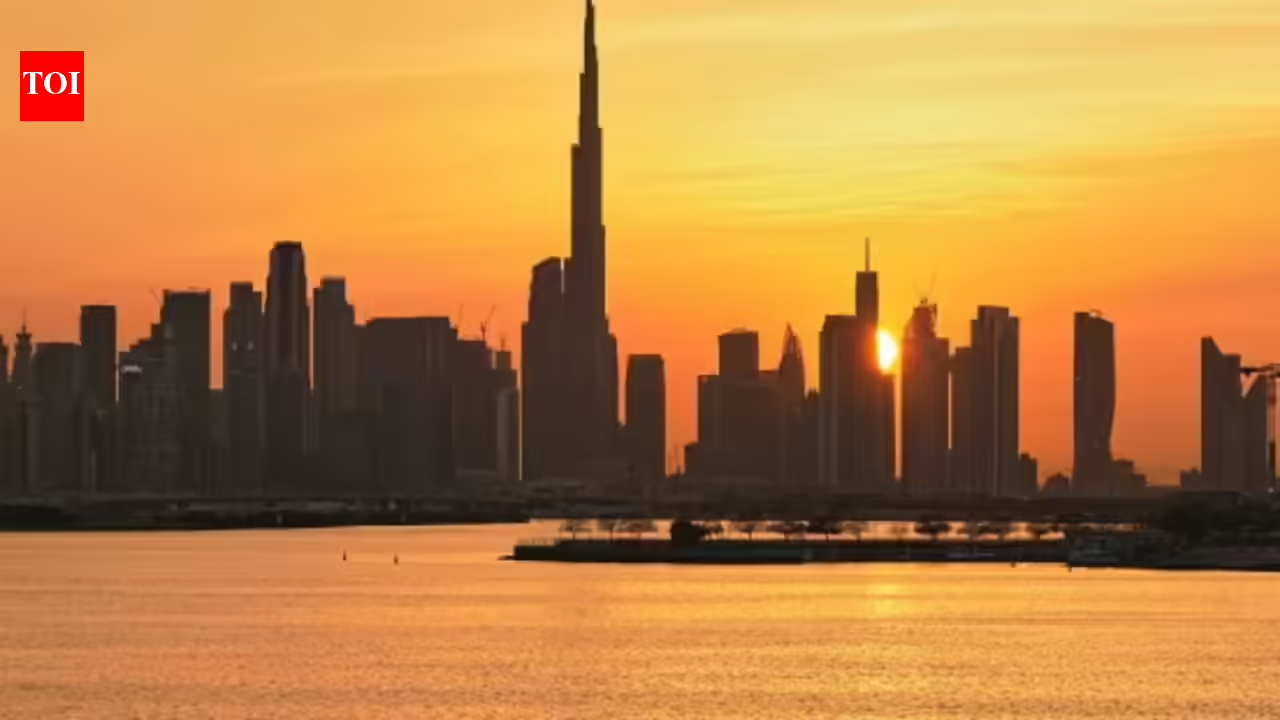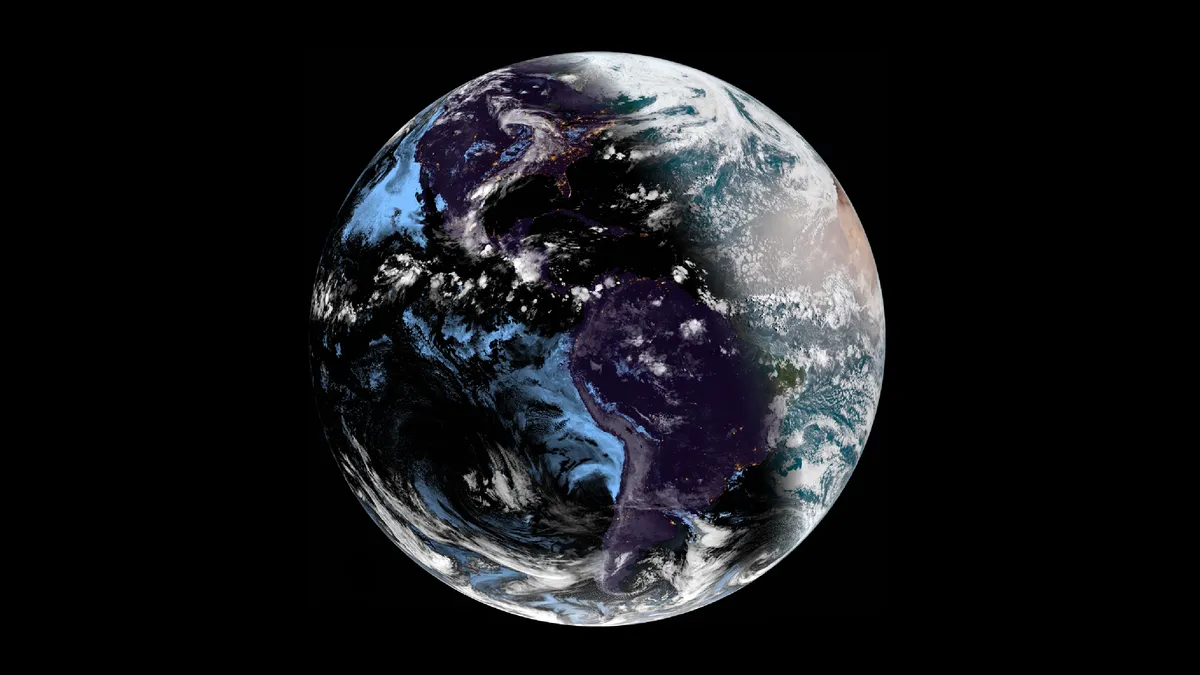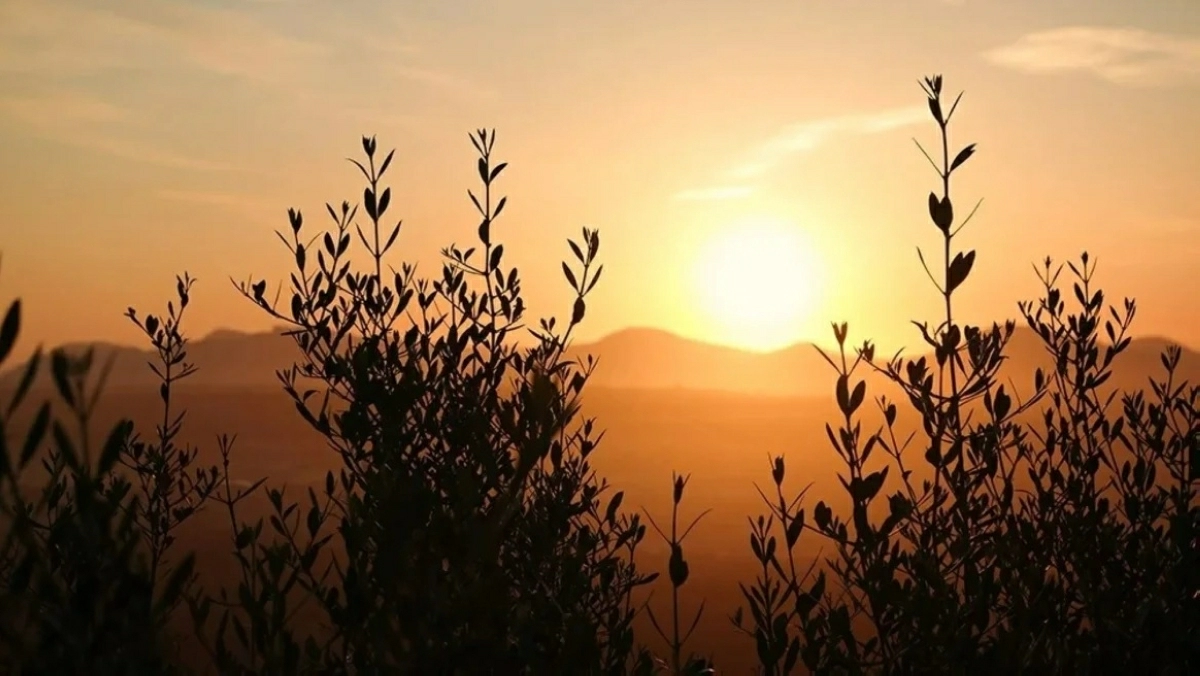
JEDDAH — Countries and regions across the Northern Hemisphere will witness the summer solstice on Sunday, marking the astronomical beginning of summer. At 11:24 a.m. Makkah time, the sun will be positioned directly above the Tropic of Cancer.Eng. Majed Abu Zahra, President of the Jeddah Astronomical Society, said that the summer solstice brings the longest day and shortest night of the year in the Northern Hemisphere. On this day, the sun rises at its farthest point to the northeast and sets at its farthest point to the northwest, while noon shadows reach their shortest length of the year.Abu Zahra noted that summer will last 93 days this year, adding that the hottest periods of the season do not necessarily coincide with the summer solstice due to a phenomenon known as “seasonal lag,” whereby the Earth and oceans require time to absorb and gradually release solar energy. He further explained that daylight hours will begin to decrease progressively after the solstice, continuing until the autumnal equinox on September 23.
Sunday marks astronomical start of summer, lasting for 93 days
Countries and regions across the Northern Hemisphere will witness the summer solstice on Sunday, marking the astronomical beginning of summer.
TL;DRAI
Northern Hemisphere summer solstice occurs Sunday (11:24 Makkah time) with sun directly above Tropic of Cancer; summer runs 93 days until September 23. Seasonal lag phenomenon means peak heat reaches weeks after solstice as Earth absorbs and gradually releases solar energy.
168 words~1 min read