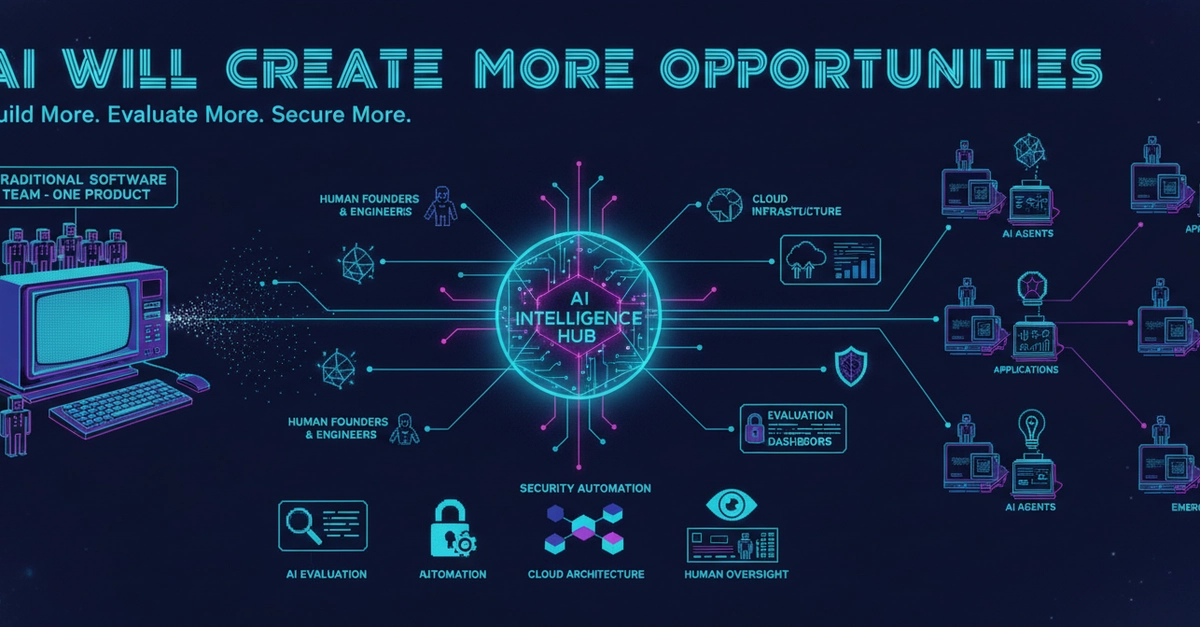
Every major technological shift has produced the same anxiety about jobs. The Industrial Revolution sparked fears that machines would replace craftsmen. Computers were expected to wipe out office work. More recently, automation has taken the blame for everything from factory closures to stagnant employment.
Today, artificial intelligence has become the latest source of that concern, and across Africa the conversation increasingly comes down to a single question: will AI replace workers?
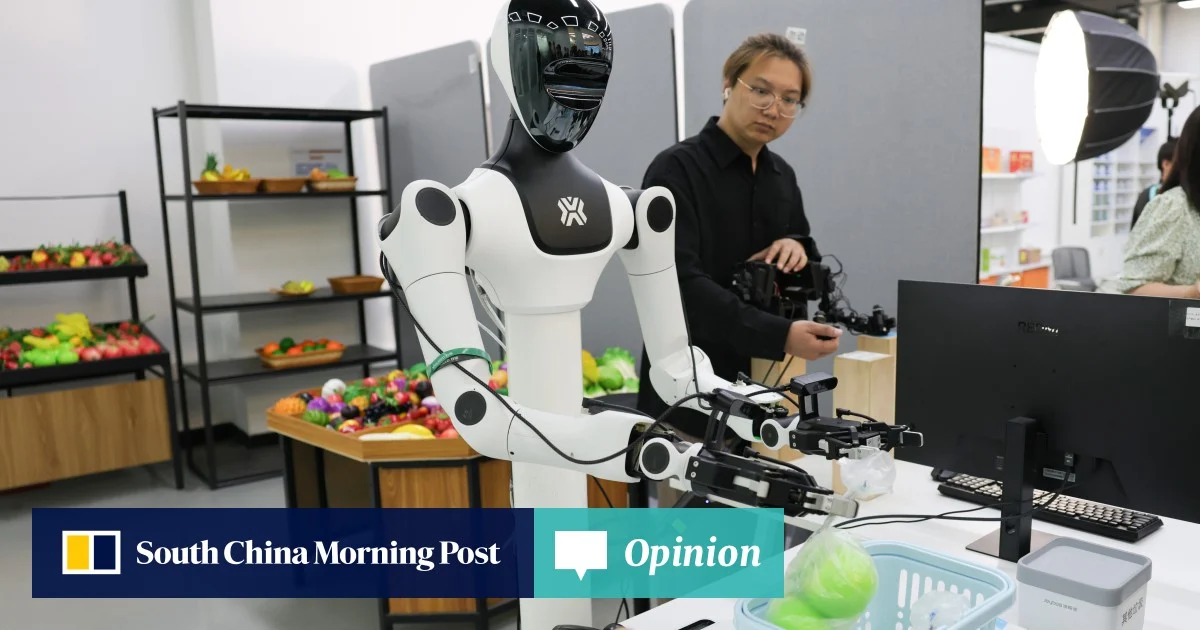
It is a reasonable question. I spent years building and training the kinds of systems people are now anxious about, robotic platforms that learn from data and models that improve the more tasks they’re given.
I understand exactly why a system that writes reports, reviews documents, answers customer queries and generates working code unsettles people who do those things for a living. The capability is real, and it is moving fast. Nigeria’s own numbers say so: NITDA’s Director-General disclosed that 70 percent of the country’s online population already uses generative AI tools, against a global average of 48 percent. That is not a country dabbling in AI. That is a country that has already adopted it faster than most of the world, largely through a young, online, mobile-first population reaching for the tools on its own.