You can't optimize what you don't measure. Every blog post about conversion optimization, A/B testing, or paid ads assumes you have reliable tracking in place. But most developers set up analytics as an afterthought — dropping a script on the page and calling it done. The result is data that's incomplete, untrustworthy, and ultimately useless for making decisions.
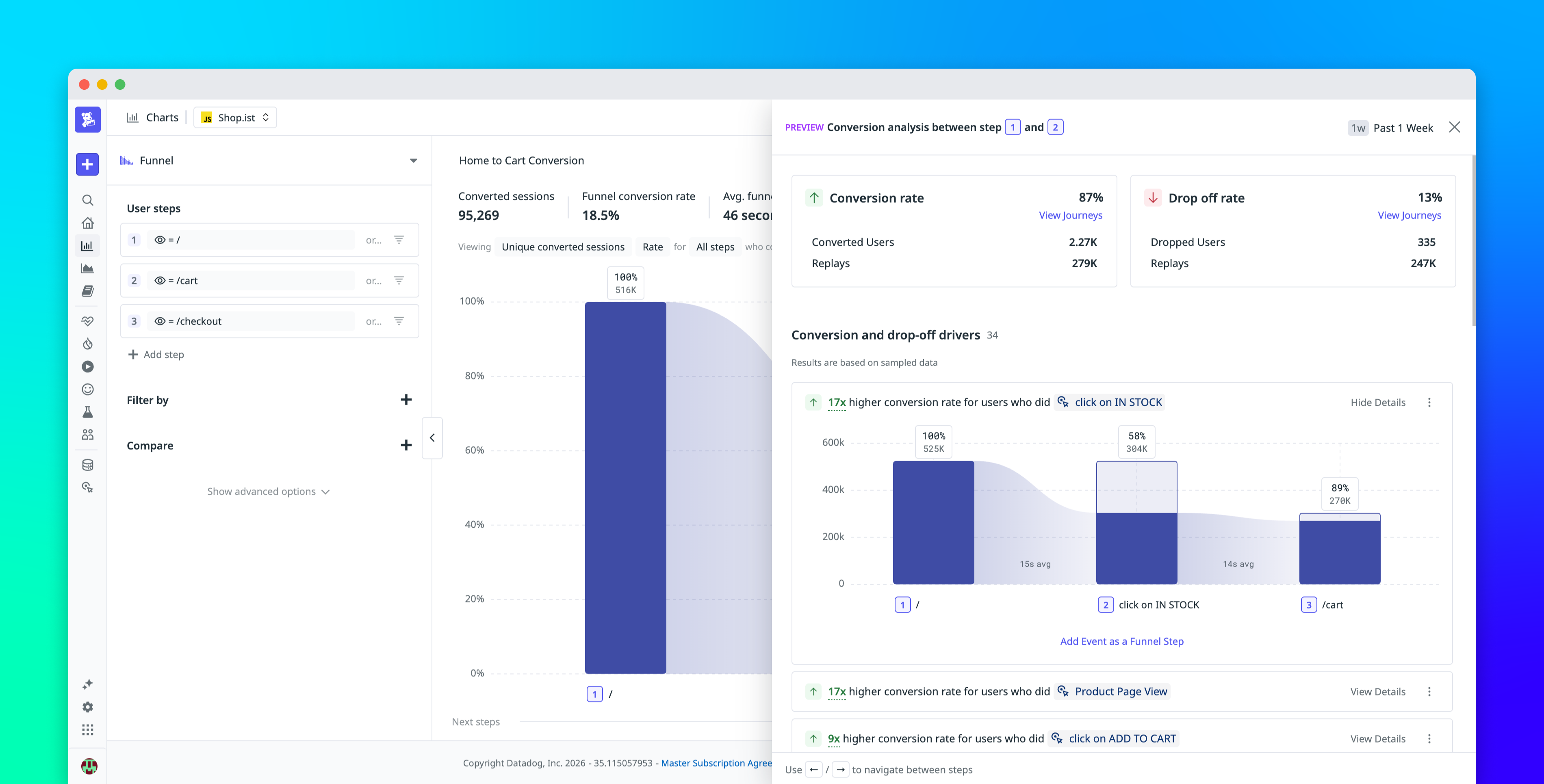
This guide gives you a developer-first approach to conversion tracking. We'll cover event instrumentation, attribution setup, funnel visualization, and the specific tracking architecture you need to answer real business questions. No marketing jargon. No vague advice. Just the exact setup that turns your analytics from a vanity dashboard into a decision-making tool.
The Tracking Mindset
Before you write any code, understand what you're trying to learn. Tracking every possible event creates noise. Tracking the wrong events leads to wrong conclusions.
Start with one question: "What are the 3-5 actions a user takes between discovering my product and paying me money?" Map these actions in order. That's your funnel. Every event you track should map directly to a step in that funnel.