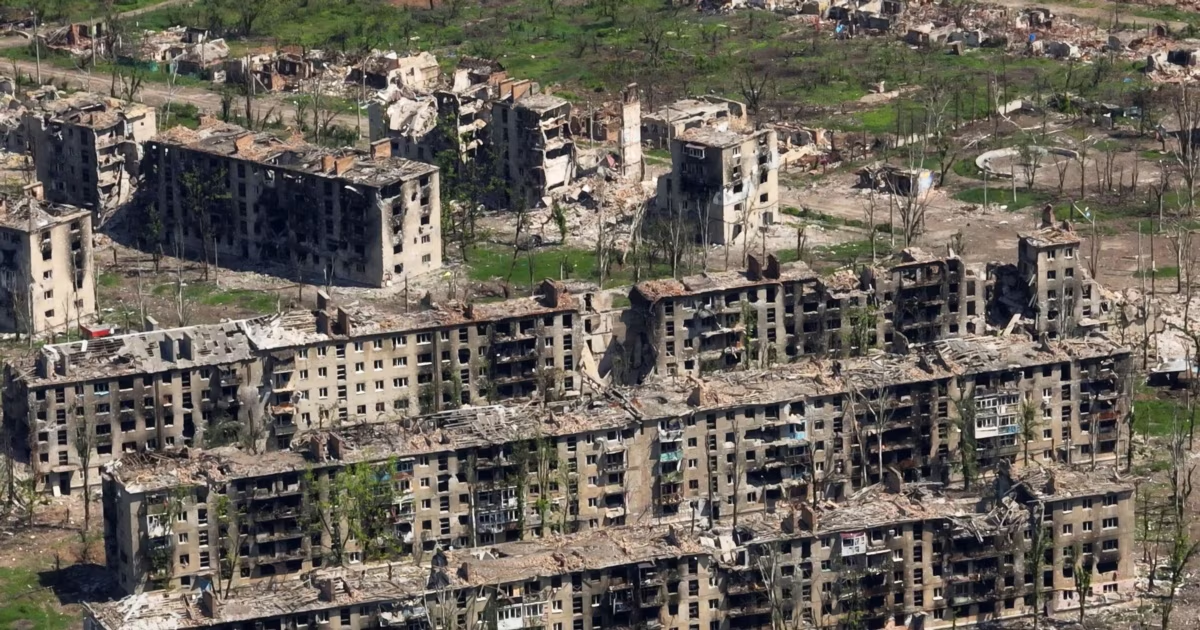
An economy fueled by fighting. From TV screens to classrooms, an all-pervading narrative of civilizational confrontation with the West. Thousands of war-scarred soldiers, some of them violent convicts sprung from prison to fight in the bloodiest battles in Ukraine, returning to cities and towns across Russia.
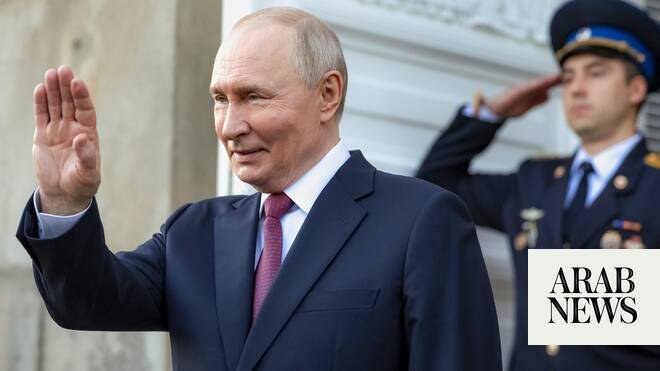
At President Vladimir Putin's showcase economic forum in St Petersburg earlier this month, billowing black smoke from Ukrainian drone strikes on oil facilities near his hometown was a stark symbol of the setbacks hitting Russia in the fifth year of a full-scale invasion he hoped would bring Kyiv to its knees in weeks.
Those and other Ukrainian attacks deep inside Russia have come as dramatic reminders that to have a chance of achieving any of Putin's main war goals, even the capture of Ukraine's Donbas region in its entirety, Moscow's forces will have to fight on.
Less visible at the forum was the welter of domestic factors that, for Putin, amounts to a major disincentive to ending the war he started.
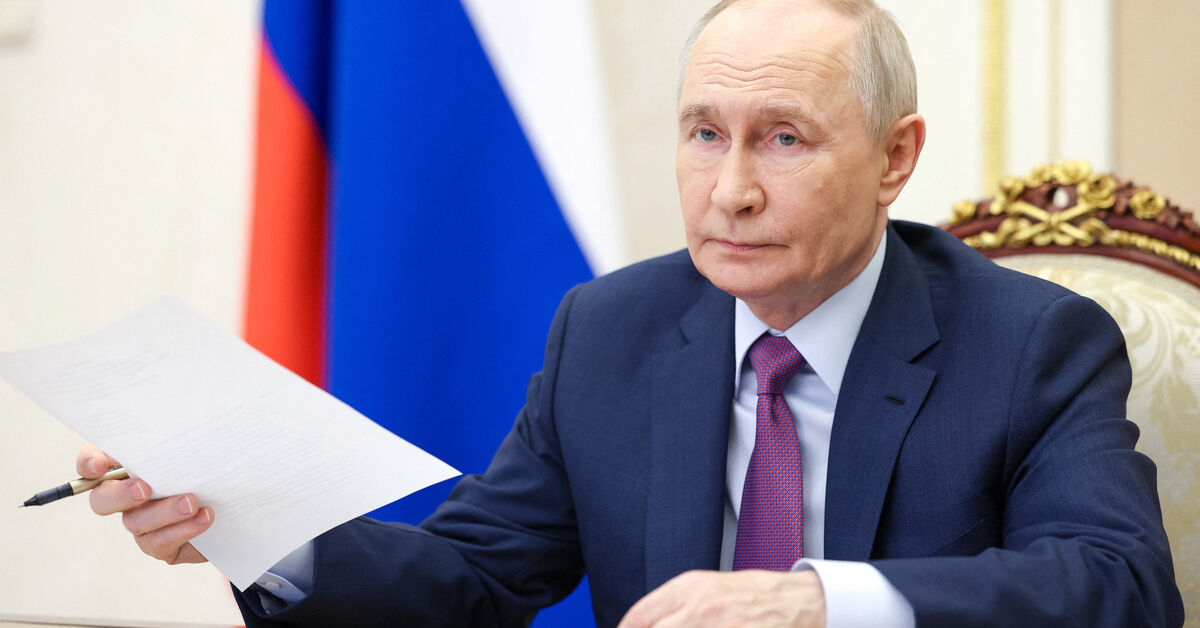
It's a web he himself has spun – and one that would be difficult to undo, analysts say, without creating substantial risks for Russia and for his own political standing after more than a quarter-century in power as president or prime minister.