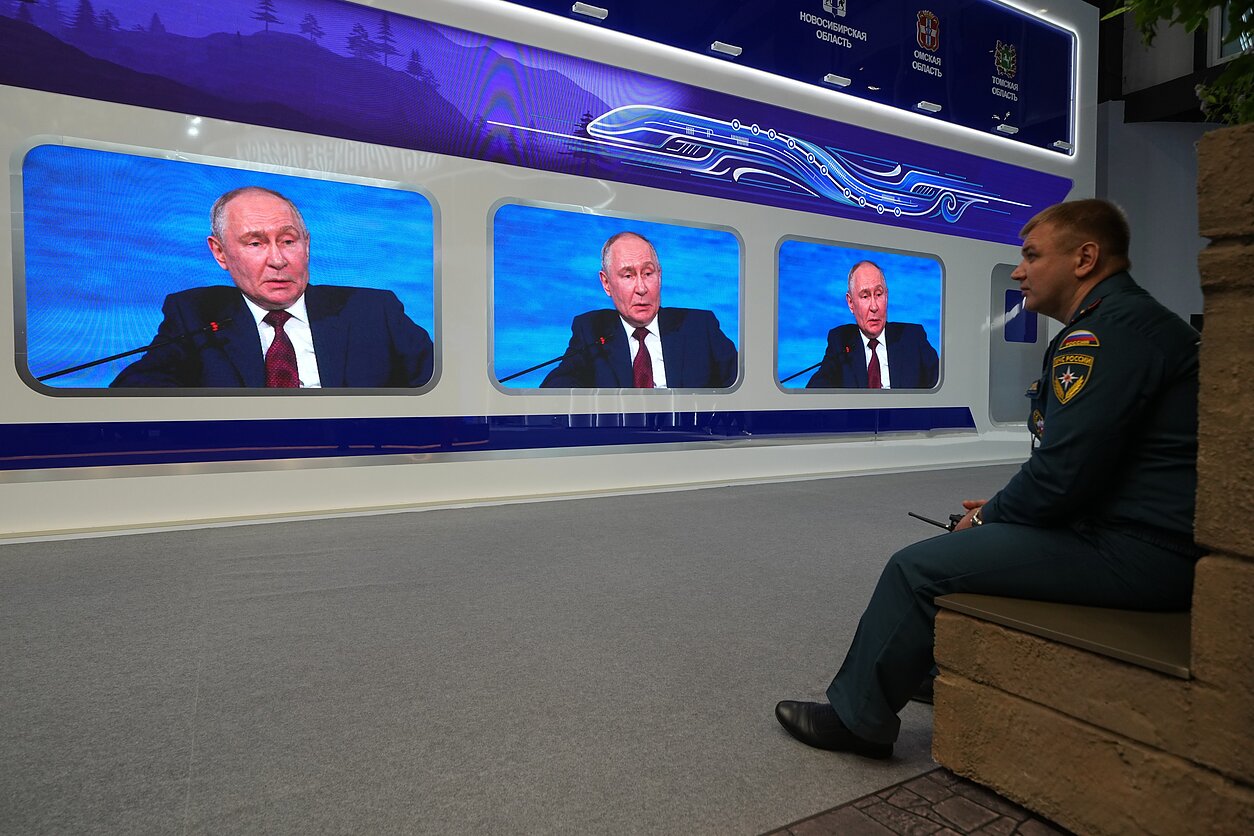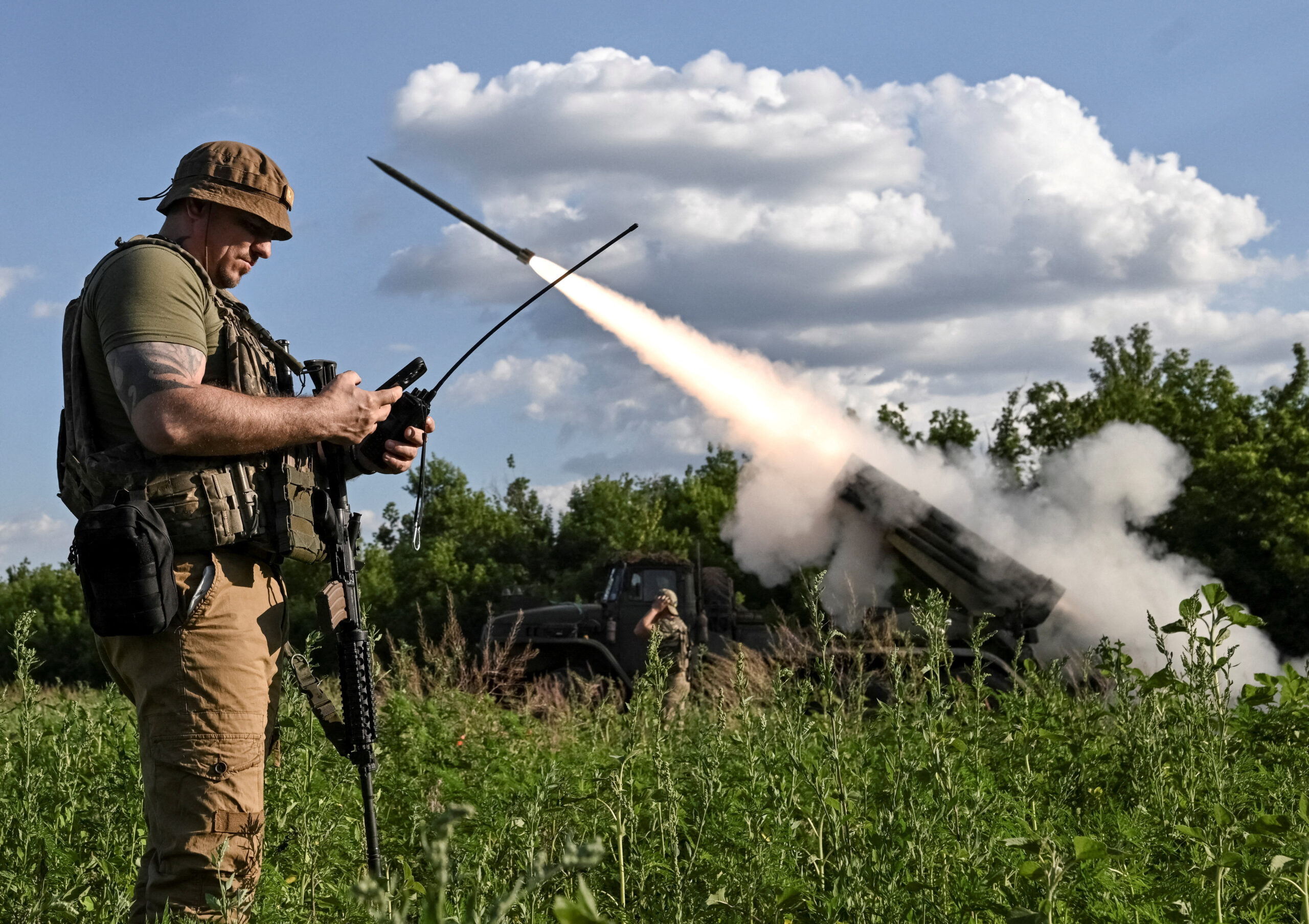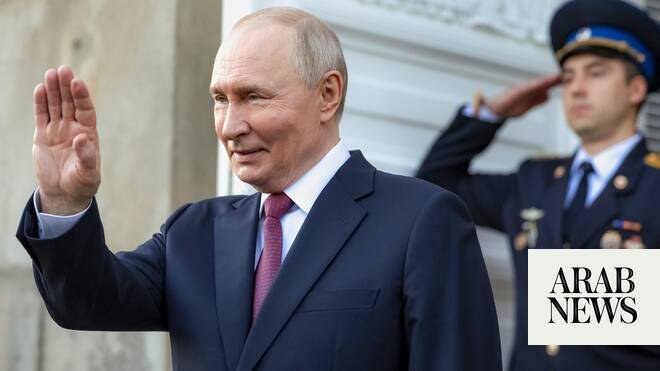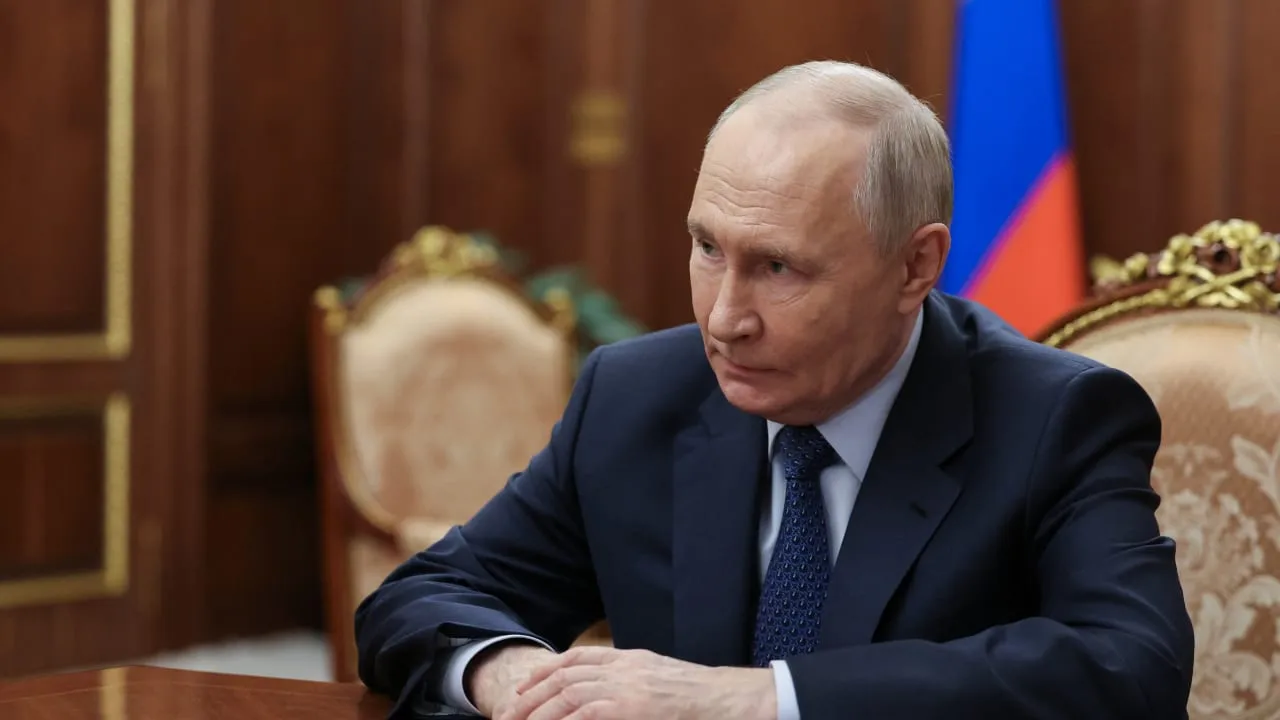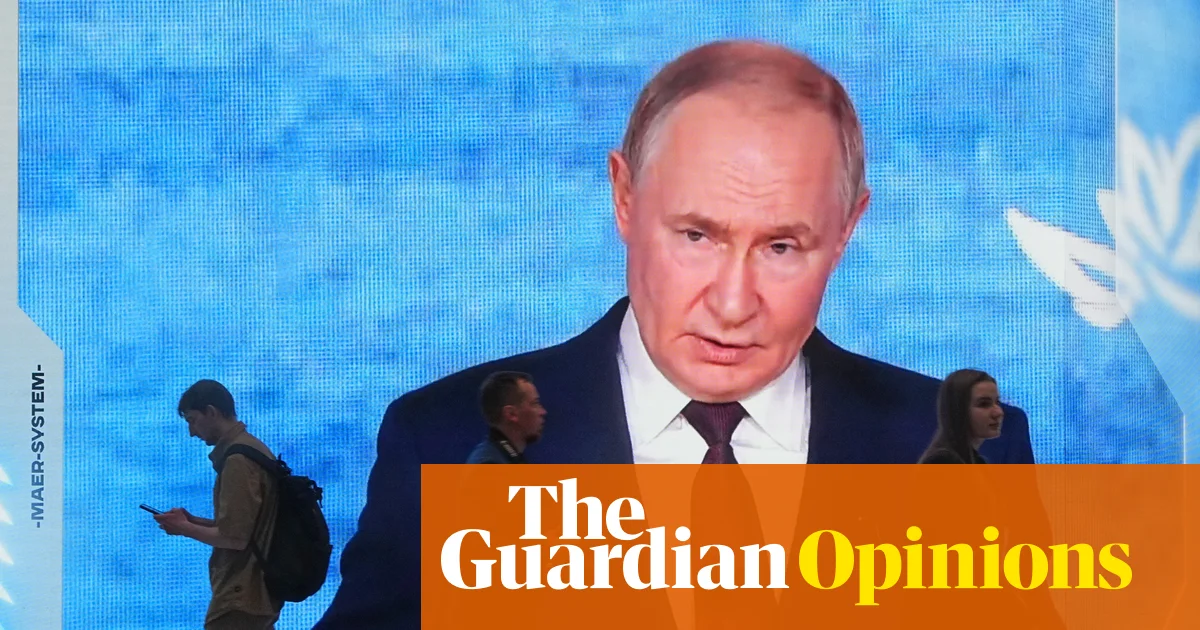
An economy fueled by fighting. From TV screens to classrooms, an all-pervading narrative of civilizational confrontation with the West. Thousands of war-scarred soldiers, some of them violent convicts sprung from prison to fight in the bloodiest battles in Ukraine, returning to cities and towns across Russia.At President Vladimir Putin's showcase economic forum in St. Petersburg earlier this month, billowing black smoke from Ukrainian drone strikes on oil facilities near his hometown was a stark symbol of the setbacks hitting Russia in the fifth year of a full-scale invasion he hoped would bring Kyiv to its knees in weeks.Those and other Ukrainian attacks deep inside Russia have come as dramatic reminders that to have a chance of achieving any of Putin's main war goals, even the capture of Ukraine's Donbas region in its entirety, Moscow's forces will have to fight on.
Less visible at the forum was the welter of domestic factors that, for Putin, amounts to a major disincentive to ending the war he started.It's a web he himself has spun -- and one that would be difficult to undo, analysts say, without creating substantial risks for Russia and for his own political standing after more than a quarter-century in power as president or prime minister.Putin, in effect, has created a monster. Or, as political scientists Seva Gunitsky and Jeremy Morris put it in a recent article in the journal Foreign Affairs , he has "stumbled into a war trap that…no one can easily dismantle.""We're talking about the shadow economy, labor markets, regional budgets, even the social hierarchy inside the country -- all reordered around the conflict," Gunitsky, the George Ignatieff Chair of Peace and Conflict Studies at the University of Toronto, told RFE/RL in an interview. "In that sense, it has become a nationwide institutional and economic order whose inertia constrains even Putin.""Stopping it would mean economic dislocation, social upheaval, and possibly even a political crisis that the regime is simply not prepared to face," he said.Since the start of the full-scale invasion, entire regions, industries, and sectors of the population have become dependent on money streams related to the war, from men joining the military for the high pay to weapons manufacturers.These cash flows "don't benefit the broader population. But for the sectors that do depend on them -- like the arms industry, which employs millions -- the continuation of conflict is essential," Gunitsky said. "Any disruption would be deeply destabilizing."'The Slow Bleed'An end to the fighting would bring many soldiers back home to an uncertain future, including convicted criminals who joined up in exchange for their freedom. Veterans of prison and the war have already carried out a rash of violent crimes across Russia,"Russia faces costs either way -- but they're very different kinds of costs," Gunitsky said. "The costs of continuing the war are slow and diffuse: inflation, labor shortages, civilian stagnation. The costs of stopping the war are immediate and concentrated: mass unemployment, a veteran crisis, and potential collapse in defense industries."