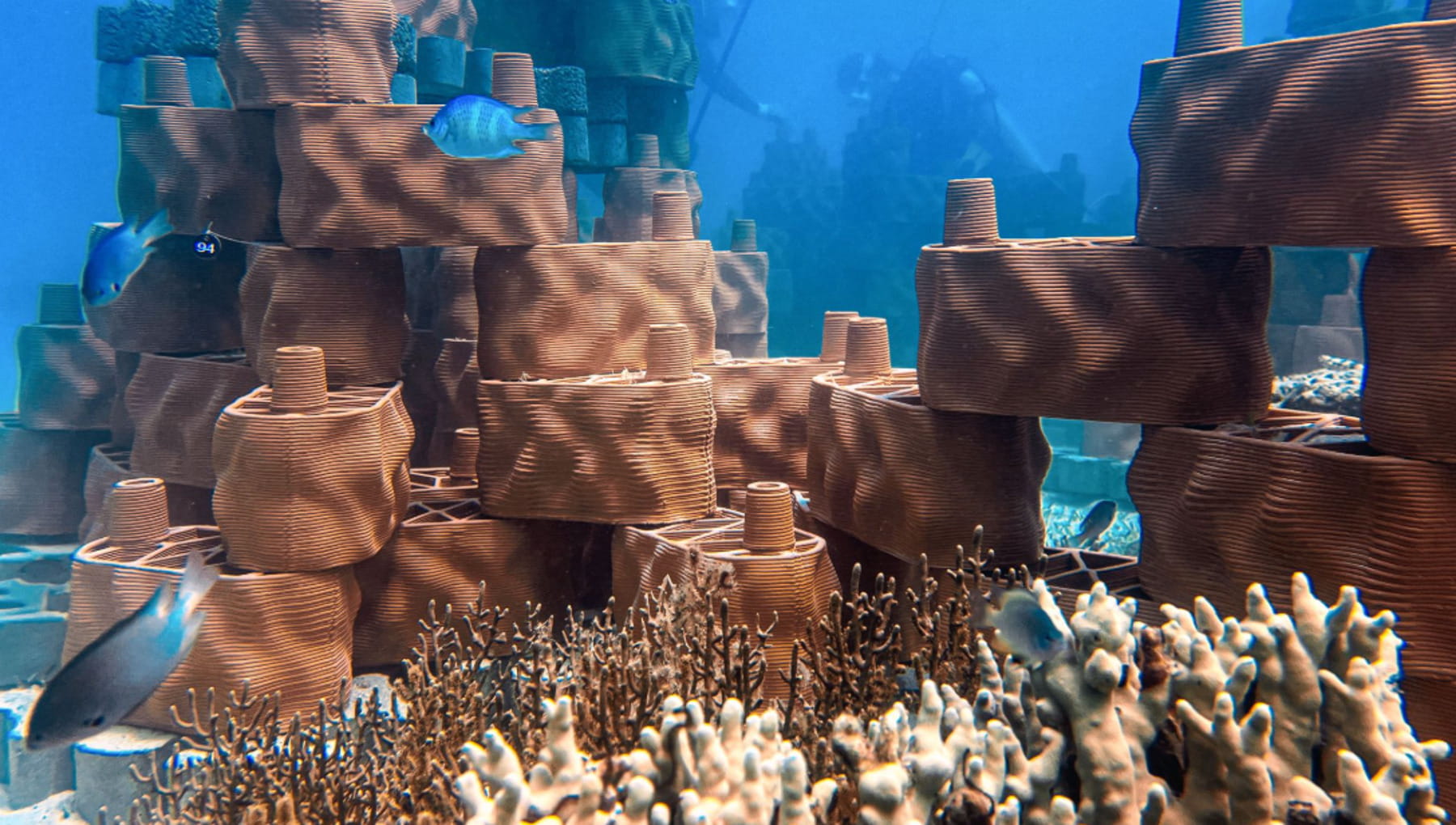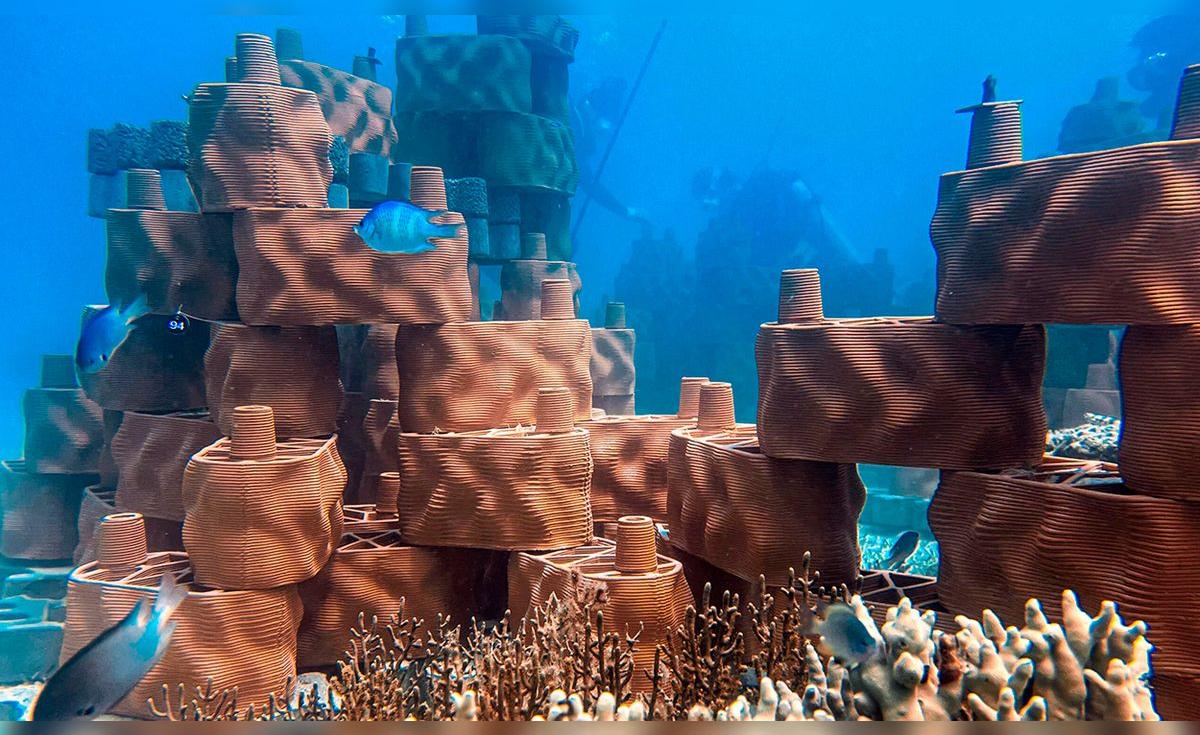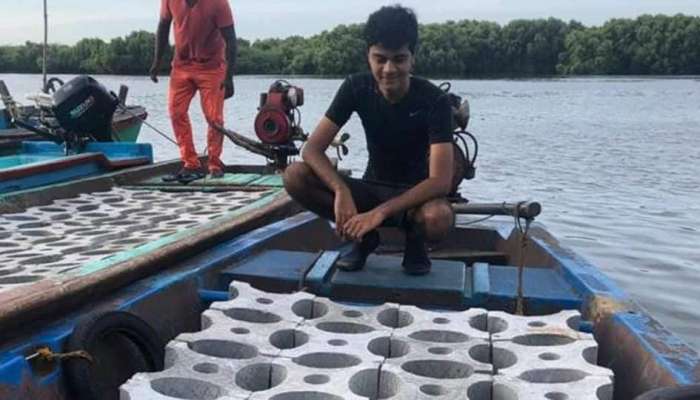
Tamil Nadu is poised to deploy India’s first 3D-printed artificial reef modules, marking a significant step in marine habitat restoration and sustainable fisheries management. The pilot project, scheduled off the Ramanathapuram coast on Sunday under the second phase of the Pradhan Mantri Matsya Sampada Yojana (PMMSY), will test six advanced reef designs developed using cutting-edge 3D-printing technology.The one-tonne modules have been created by Chennai-based startup Tvasta, incubated at IIT Madras, in collaboration with the Visakhapatnam Regional Centre of the ICAR-Central Marine Fisheries Research Institute (CMFRI). Scientists believe the innovative structures could transform artificial reef deployment by offering more effective habitats for marine life than conventional concrete reefs. Designed with intricate crevices, folds and attachment surfaces, the modules mimic natural reef ecosystems and provide shelter and breeding grounds for fish, corals, sponges and other marine organisms. Unlike traditional reinforced concrete reefs, the 3D-printed structures are built without iron reinforcement and incorporate materials that enhance porosity and biological colonisation.The reefs will be installed about two nautical miles offshore, where researchers will monitor their durability and ecological performance under local marine conditions. The pilot aims to assess whether the technology can be scaled up for wider deployment along India’s coastline.According to scientists involved in the project, the 3D-printing approach offers several advantages, including faster fabrication, reduced labour requirements and the ability to customise designs and material compositions to suit specific ecological needs. The increased structural complexity and larger surface area are expected to support greater biodiversity and improve habitat restoration outcomes.The initiative comes at a critical time as coral reef ecosystems around the world face mounting threats from rising ocean temperatures, coral bleaching and environmental degradation. Researchers view innovative restoration tools such as 3D-printed reefs as an important component of efforts to strengthen marine ecosystem resilience.The artificial reef programme is being implemented with the participation of traditional fishing communities in Ramanathapuram, Tiruvarur, Thanjavur and Pudukkottai districts. Officials expect the project to contribute to healthier fish stocks, improved marine biodiversity and enhanced livelihoods for coastal communities.The Ramanathapuram deployment represents the final phase of a larger artificial reef initiative covering 213 sites across Tamil Nadu. The project is jointly funded by the Centre and the state government in a 60:40 ratio and could pave the way for broader adoption of 3D-printed reef technology in marine conservation projects across India.
India set to deploy country's first 3D-printed artificial reef modules
The one-tonne modules have been created by Chennai-based startup Tvasta
384 words~2 min read