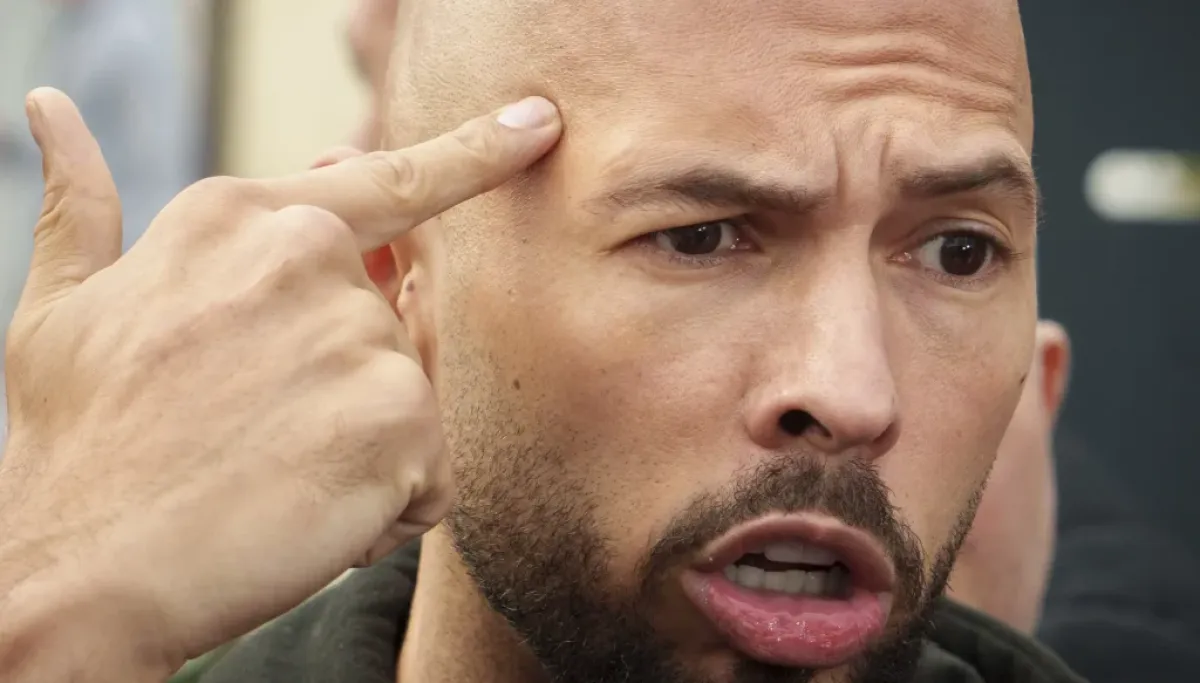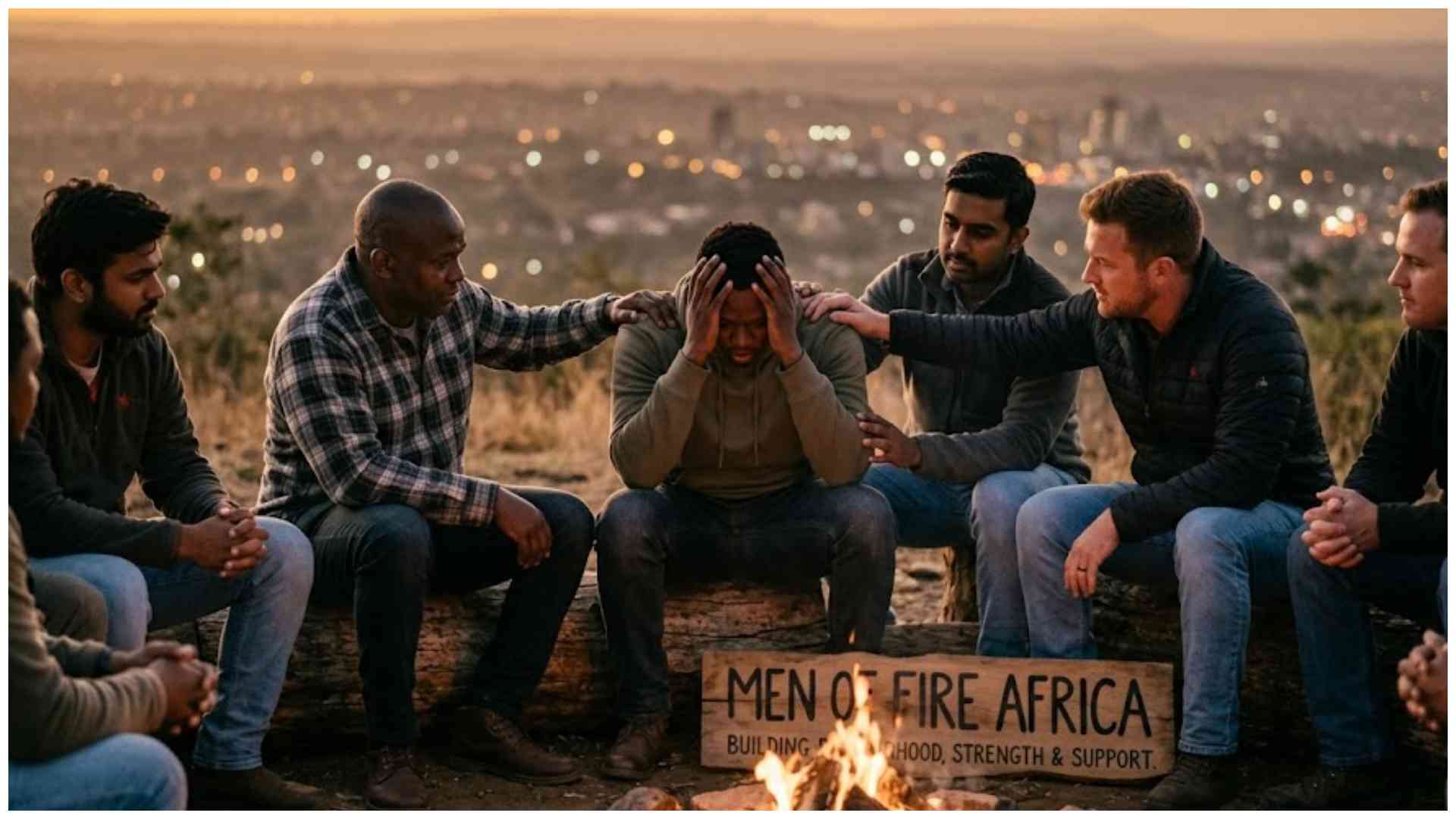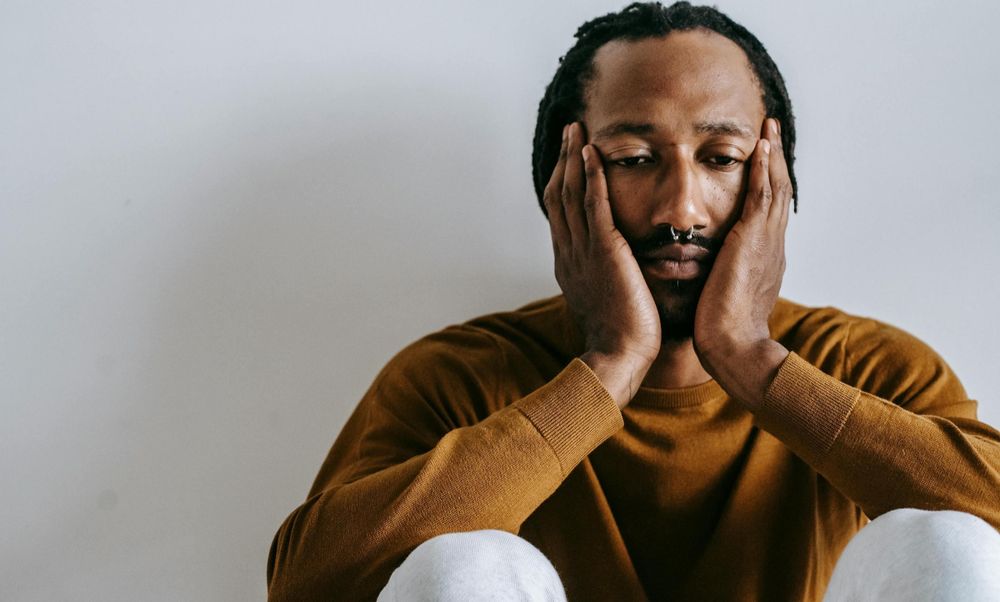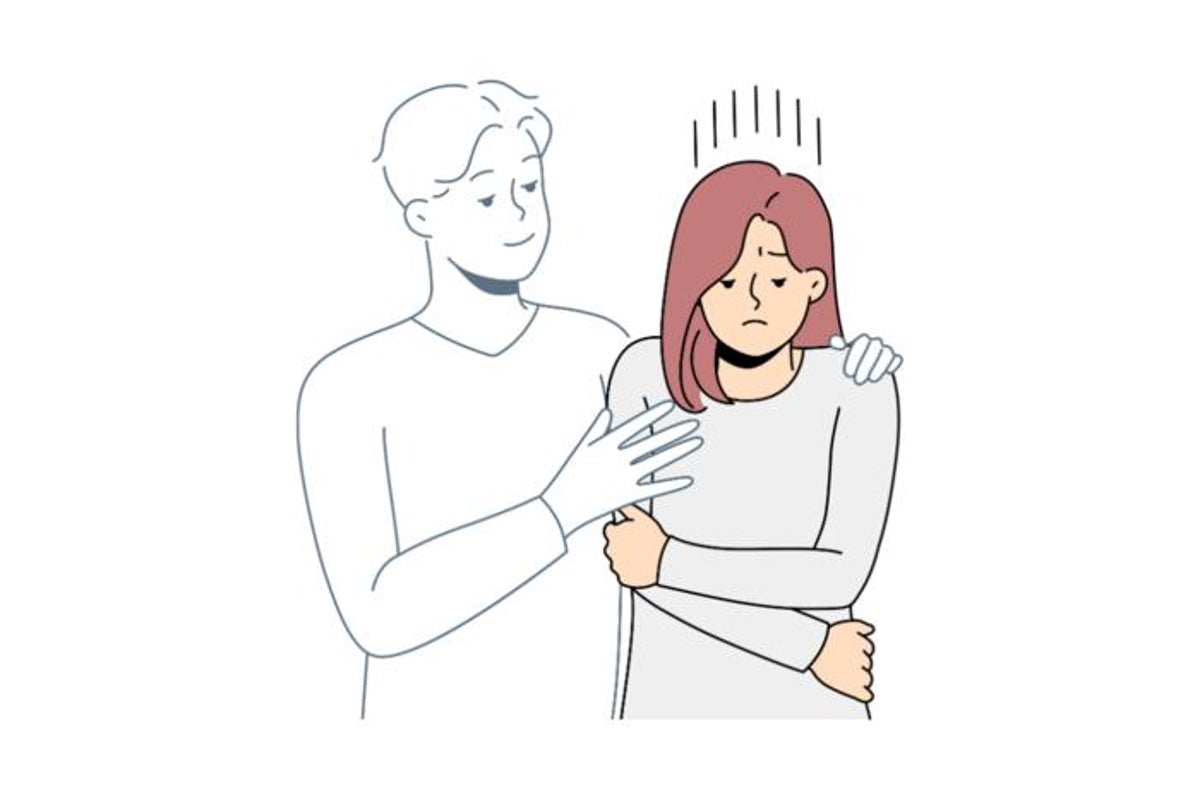
Imagine a man who has never cared much about the gym. Then someone jokingly calls him weak. A few weeks later, he's lifting weights five days a week, taking on extreme fitness challenges, and posting workout updates online.While this might seem like an overreaction, psychologists say it could reflect something deeper about how society views masculinity.According to Precarious Manhood Theory, developed by psychologists Joseph Vandello and Jennifer Bosson, manhood is often perceived as a social status that must be earned and continually maintained. Unlike womanhood, which many people view as a stable stage of biological development, manhood is frequently seen as something that can be lost if it is not constantly demonstrated.This idea has become one of the most influential theories for understanding how social expectations shape men's behavior.Why masculinity can feel like something that must be "proven"In a landmark 2008 study published in the Journal of Personality and Social Psychology, Vandello and Bosson found that participants consistently viewed manhood as harder to earn and easier to lose than womanhood.In simple terms, many people unconsciously treat masculinity like a status that requires regular proof through actions such as strength, independence, courage, competitiveness, or success.That perception can create pressure. When a man's masculinity is questioned, whether through criticism, failure, social rejection, or comparisons with others, he may experience what researchers call a masculinity threat.Why some men become more aggressive after a challengeOne of the most consistent findings in the research is the connection between masculinity threats and aggression.Studies have shown that men whose masculinity is challenged are more likely to display aggressive thoughts and behaviors. Researchers suggest that aggression can act as a way of publicly reasserting toughness and dominance, qualities that many cultures traditionally associate with masculinity.Importantly, this does not mean all men respond aggressively. Rather, the theory suggests that when masculinity is viewed as fragile, some men may feel compelled to demonstrate that they are still "man enough."The surprising link to risk-takingThe theory also helps explain why men are often overrepresented in risky activities.Researchers have found that threats to masculine identity can increase a willingness to engage in dangerous behaviors, from reckless driving and financial gambling to ignoring safety recommendations.Psychologically, risk-taking can function as a signal of fearlessness. When masculinity is perceived as uncertain, taking risks may become a way of communicating confidence and strength to others.In other words, some "watch this" moments may be less about the activity itself and more about what it symbolizes.What the research really tells usThe theory is not an argument against masculinity. Instead, it highlights the psychological burden that can come from treating manhood as something that must constantly be earned and defended.Its central insight is simple: people work hard to protect identities they believe are fragile.The next time someone insists on carrying every grocery bag in one trip or refuses to admit they're lost, psychology offers a possible explanation: they may not just be protecting their pride, they may be protecting a social identity they feel expected to keep proving.
Psychology explains why some men get aggressive after losing a game or drive recklessly and what it means
Manhood, unlike womanhood, is often seen as a social status requiring constant proof, according to Precarious Manhood Theory. Psychologists explain that when men feel their masculinity is challenged, they may resort to aggression or risky behaviors to reassert toughness and dominance. This theory sheds light on why certain actions are performed to defend a perceived fragile identity, urging a deeper understanding of societal pressures on men.
498 words~2 min read