This is Dispatches with Patrick Cockburn, a subscriber-only newsletter from The i Paper. If you’d like to get this direct to your inbox, every single week, you can sign up here.
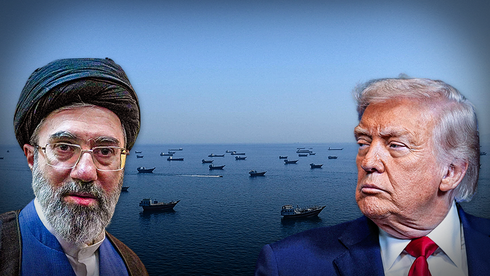
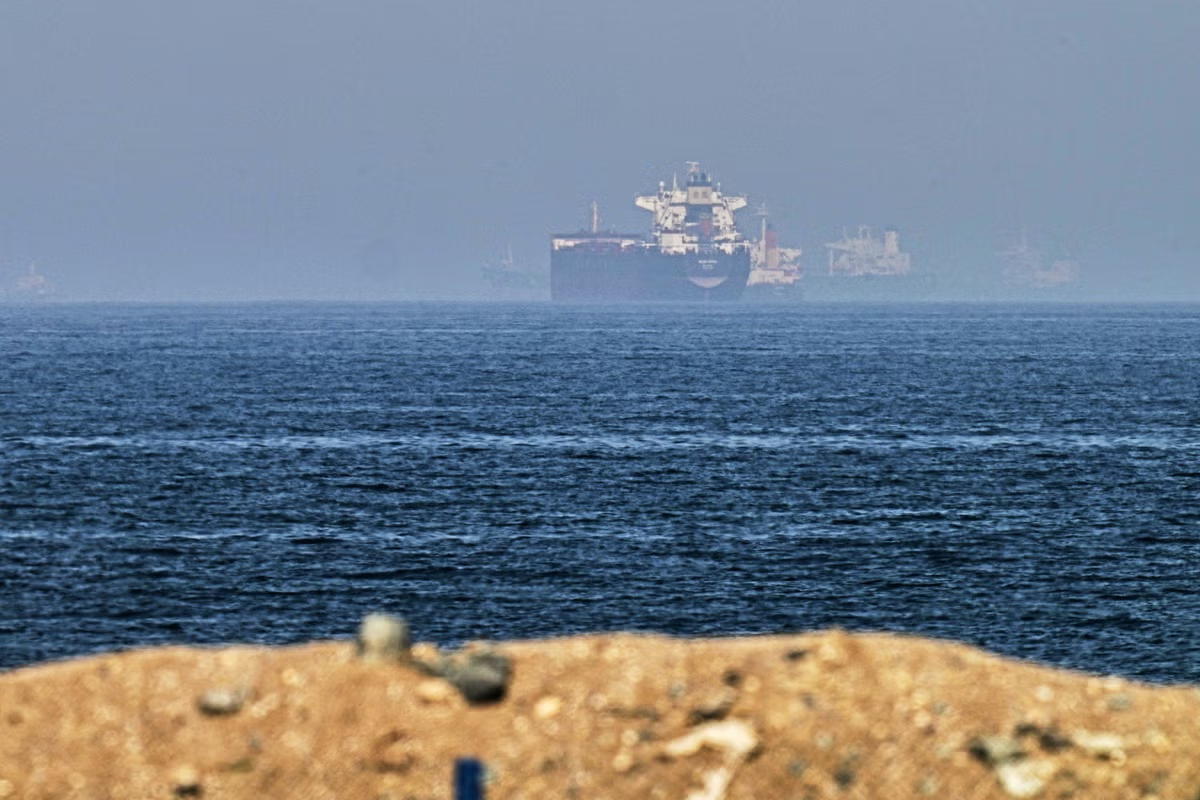
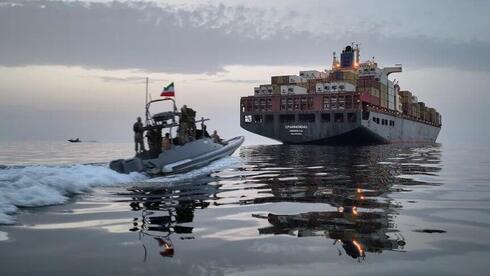
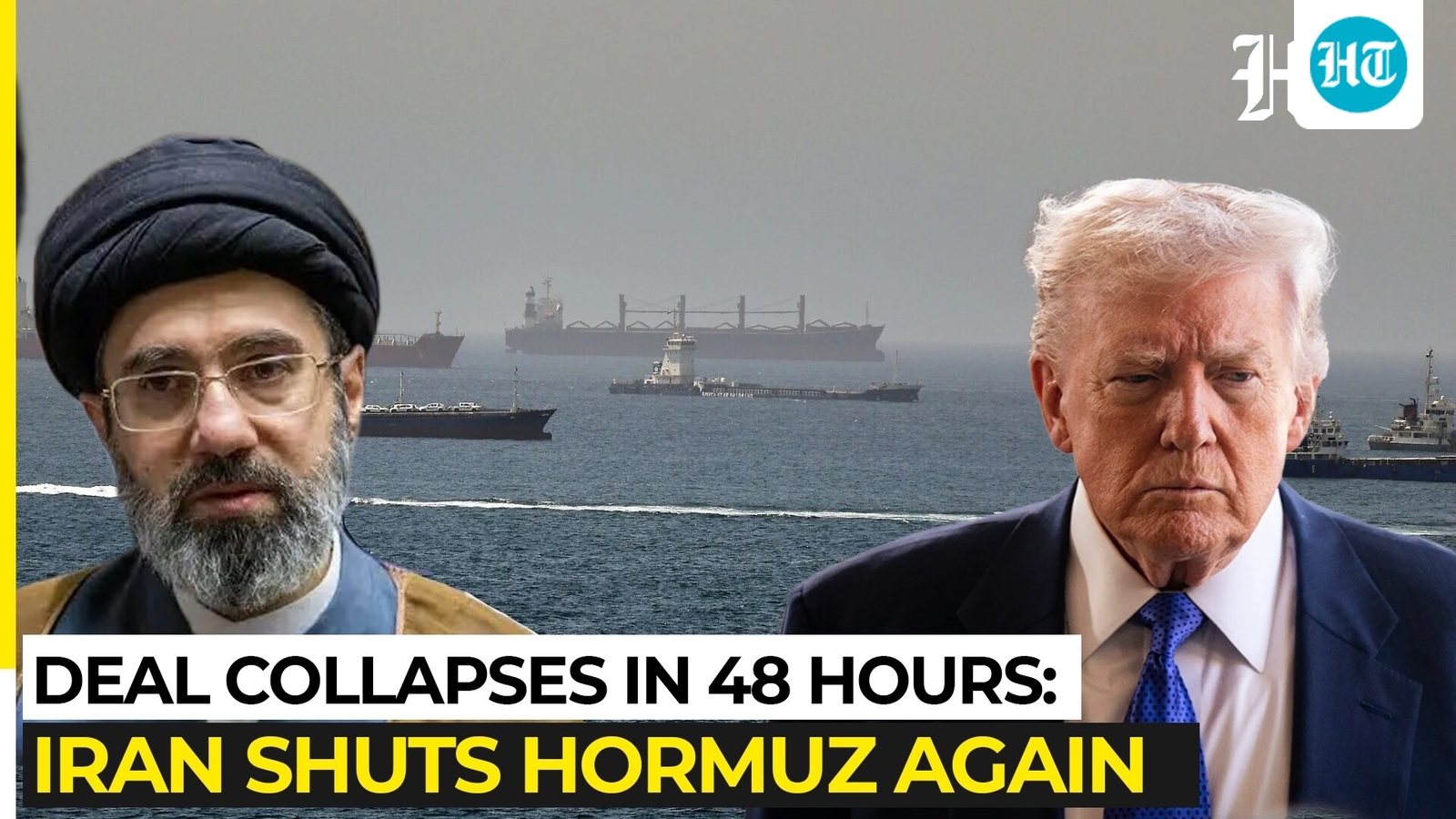
Oil tankers are beginning to make their way nervously out of the Strait of Hormuz for the first time in 10 weeks under the terms of the US-Iran deal to end the war. At the same time, the US has ended its blockade of Iranian ports and suspended sanctions on Iranian oil.
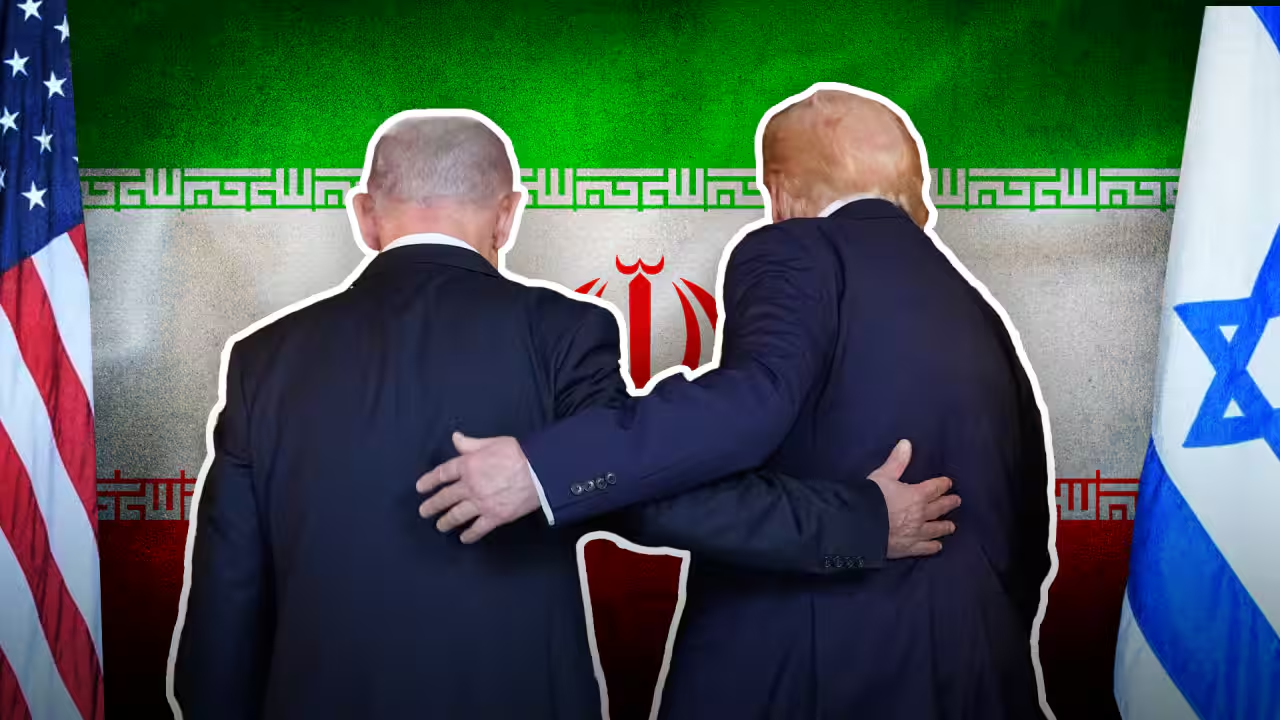
President Donald Trump faces strong criticism from Israel and anti-Iran hawks in the US for agreeing a peace accord, or memorandum of understanding (MOU), which leaves Iran stronger than it was before the war. But the President appears intent on avoiding his own “forever war” like those he had previously criticised in Iraq and Afghanistan. Given the unpopularity of the war in America – and the fact that critics of the deal offer no alternative policy other than more war – he may get away with an utter failure to achieve his original objectives of regime change after a decisive military victory.
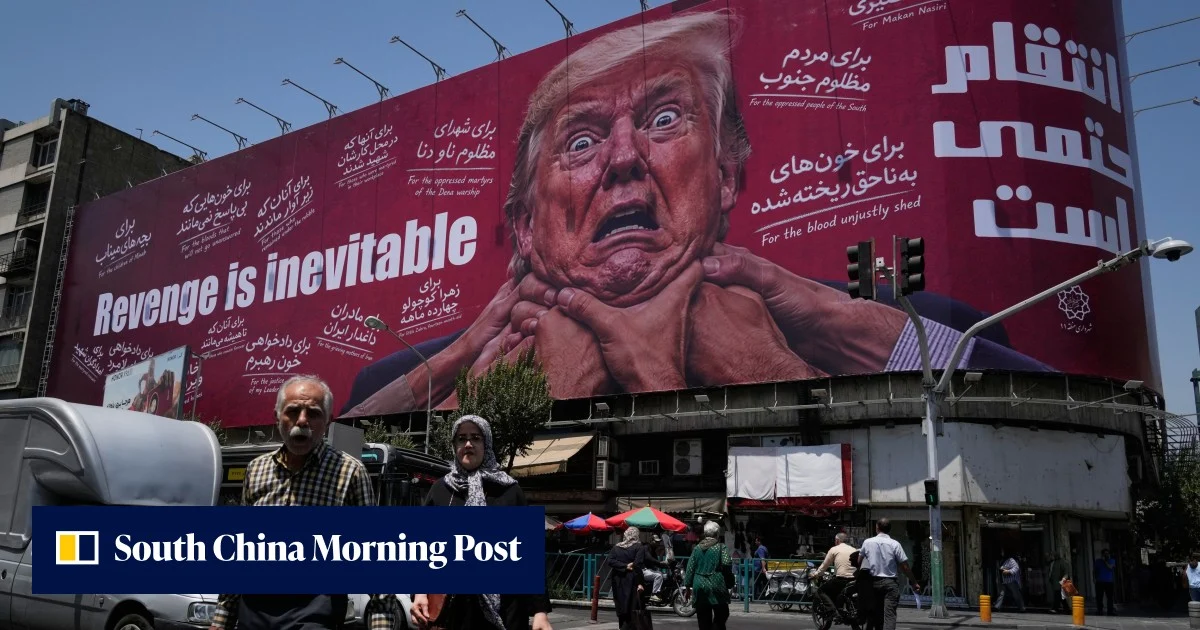
Will the deal last? Friction is already impeding negotiation of the next phase of the pact, with US Vice President JD Vance dropping plans to travel to Switzerland for further talks. Suspicion of the US, which has twice attacked Iran while peace negotiations were under way, has apparently led Iran to wait to see whether or not the US is going to implement the interim agreement.