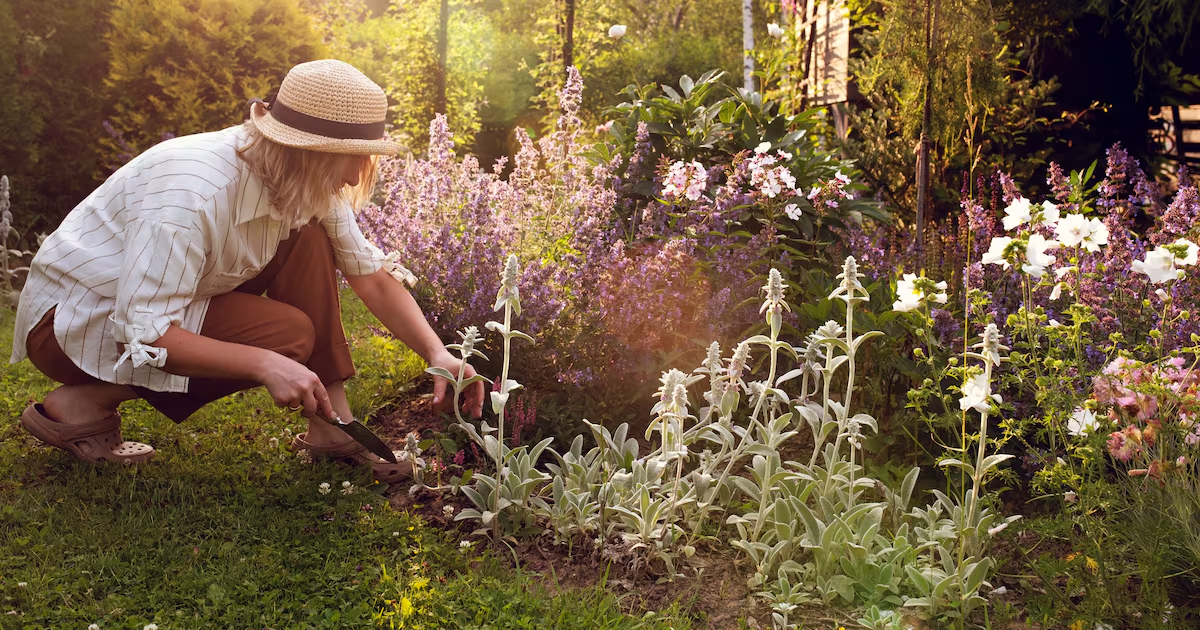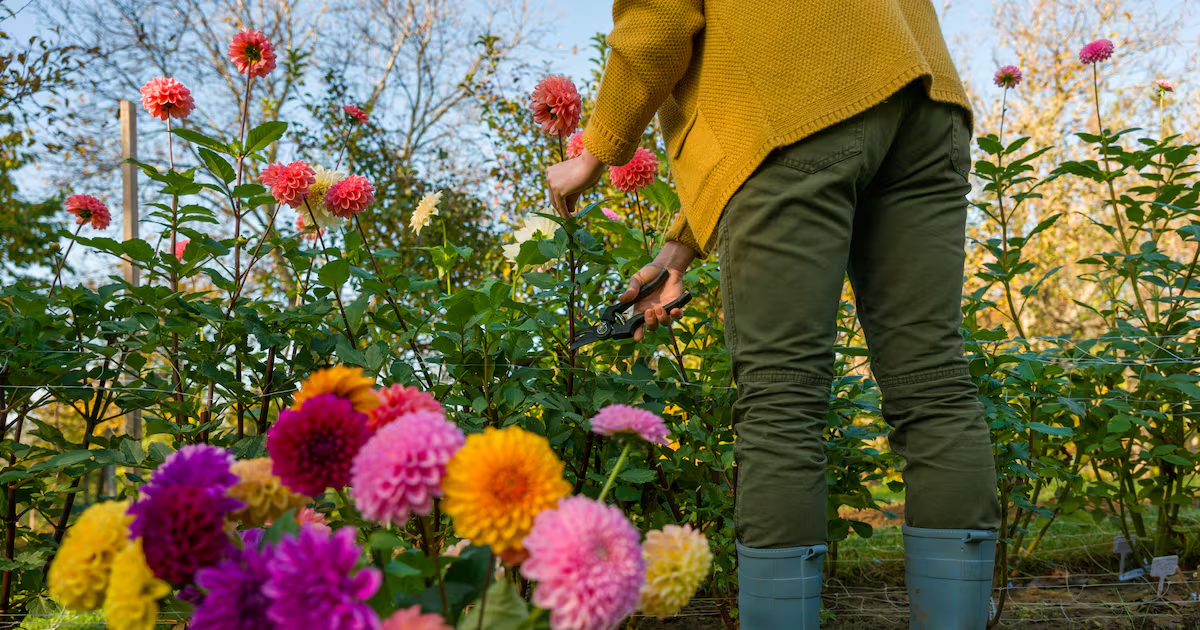
The passing of the summer solstice this Sunday, as any seasoned gardener will confirm, marks an important change in horticultural gears. Almost immediately the pace of vegetative growth will slow dramatically as plants turn their energies to the next phase in their life cycle, one that involves flowering and setting seed as well as storing energy in preparation for the cold, short days of winter.This significant change of pace also has important consequences for the ways in which we need to garden, with the focus shifting to supporting plant health and vigour through seemingly humdrum chores such as weeding, feeding and staking.Make a point over the coming months of keeping weeds in check in flower and vegetable beds, for example, and you’ll do a lot to help minimise the risk of serious damage caused by common plant pests and diseases such as slugs, snails, aphids, various mildews, viruses and bacterial infections. Done regularly, it will also prevent weeds from overwhelming vulnerable garden plants, hogging valuable growing space, blocking sunlight, and robbing precious nutrients and water from the soil.Regular hoeing is one of the most time-effective ways of doing this, by quickly slicing down young weed seedlings before they have any chance to establish strong root systems. For best results, use an oscillating hoe, ideally on a dry, warm day, taking great care not to accidentally damage the roots and stems of any garden plants growing nearby.Unfortunately, hoeing won’t get rid of large, established weeds, especially perennial kinds with extensive underground root systems such as dock, dandelion, buttercup, scutch and nettle. Instead, these should be dug out by hand, a process called spot weeding, bearing in mind that you’ll need to keep excavations to a minimum at this time of year to avoid damaging the root systems of any treasured plants growing nearby.Hoeing won’t get rid of large, established weeds. Photograph: Getty My favourite tool for this precision job is a metal detector’s “grass blade” or knife. Designed to be light, strong and sharp as well as effective and easy to use, this hand tool is vastly superior to the fashionable Hori Hori knife that has become so popular in recent years. I have several in regular use around the garden, the most recently purchased being a natty Quest Diamond Digger with a stainless steel blade and a bright orange, nonslip handle that makes it difficult to mislay.The same tool is also invaluable when it comes to digging up any self-sown seedlings for transplanting elsewhere in the garden, another reason to always keep your eyes carefully peeled when hoeing or hand-weeding at this time of year.Many of these common weeds are very rich in vital plant nutrients that can then be put to good use either on the compost heap or to make a liquid plant feed. When adding them to the compost, just avoid any that have already formed ripe seedheads or have particularly invasive root systems, such as bindweed.Foraged seaweed can also be added to a liquid feed. Photograph: iStock Alternatively, for a nutritious, planet-friendly liquid plant feed, roughly chop them up with a shears and place them in a lidded, waterproof container before covering them with water and leaving to stew for several weeks, stirring occasionally. If you live near the coast and have easy access to some foraged seaweed (only do so in small amounts and never in protected sites), this can also be added to the mix, with excellent results. The resulting foul-smelling liquid can then be strained, diluted down to the colour of weak tea, and used as a foliar feed and all-round excellent natural plant tonic.Or if you live inland, consider investing in a high-quality, concentrated liquid seaweed feed such as Health-Sea Liquid Seaweed (available from Cork-based organic suppliers fruithillfarm.com). This is made from seaweed sustainably hand-harvested off the Irish Atlantic coast and is remarkable in its ability to dramatically boost plant health and vigour. Along with liquid weed feeds, I use it in my own garden as a fortnightly foliar feed on young transplants, on hungry plants such as dahlias and sweet peas, and on those prone to fungal diseases such as roses, always with reliably great results.These organic liquid feeds can also be put to very good use in other ways. For example, many kinds of early-summer flowering perennials will produce a second flush of flowers if you cut the faded flower stems back hard and then follow this with a series of generous liquid feeds to the base of the plant over several weeks. Examples of perennials that respond very well to this treatment include geum, lupin, oriental poppy, achillea, hardy geranium, catmint, astilbe and alchemilla. Just make sure to water the plants well each time before feeding.Weeding, deadheading and feeding aside, another key gardening task at this time of year is staking/supporting many kinds of tall, fast-growing garden plants to prevent them being cruelly toppled by a summer gale or rainstorm. Dahlias, which quickly grow into large, often top-heavy plants as the season progresses, are a classic example. But there are many others, from sweet pea, gladiolus, campanula, delphinium, monkshood, hollyhock and lilies to broad beans, tomatoes, French beans, sugarsnap and peas.Natural materials such as willow, hazel, or the twiggy branches of birch and beech can all be put to good use for this purpose. Alternatives include chicken wire and sheep wire, either held in place horizontally using wooden stakes or lengths of metal rebar hammered into the ground, or scrunched into a loosely enclosing structure around the base of the plant to prevent it rocking in strong winds. Both chicken and sheep wire also provide excellent support for climbing plants when fixed securely against a wall. Just don’t make the mistake of tucking those probing stems through gaps in the wire, which risks damaging them. Instead, use short lengths of natural garden twine to gently secure them in place. Your future self will thank you for it, as will your plants.This week in the gardenAlthough it can feel cruel, it’s important to thin rows of vegetable seedlings to their recommended spacings to encourage the formation of strong, vigorous plants capable of producing decent crops. Tempting as it might be, also bear in mind that seedlings of root vegetables such as carrots, parsnips and beetroots aren’t suitable for transplanting.Pinching out the growing tips of certain kinds of plants at this time of year is a great way to encourage the production of lots of young sideshoots and a bushier, stronger plant. Species suitable for this technique include cosmos, snapdragon, tagetes, zinnia, dahlia, calendula, bedding fuchsia, petunia and surfinia as well as many kinds of annual herbs including basil, coriander and thyme. Pinching out is typically done after the young plant has produced three to four sets of true leaves.Dates for your diary Tullynally Annual Plant Fair Tullynally Castle & Gardens, Castlepollard, Co Westmeath. Today, Saturday, June 20th. tullynallycastle.ie Limerick Garden Festival Limerick Milk Market. Tomorrow, Sunday, June 21st, from 11am. limerickgardenfestival.com Delgany & District Horticultural Society’s Annual Rose Show St Patrick’s Primary School, Greystones, Co Wicklow. Saturday, June 27th, 3pm-5pm
As summer solstice approaches, it’s time to shift gear in the garden
Change your focus to weeding, feeding and staking
1,180 words~5 min read