Research suggests longest day is a cue for beeches and other species to launch their growth strategies
F
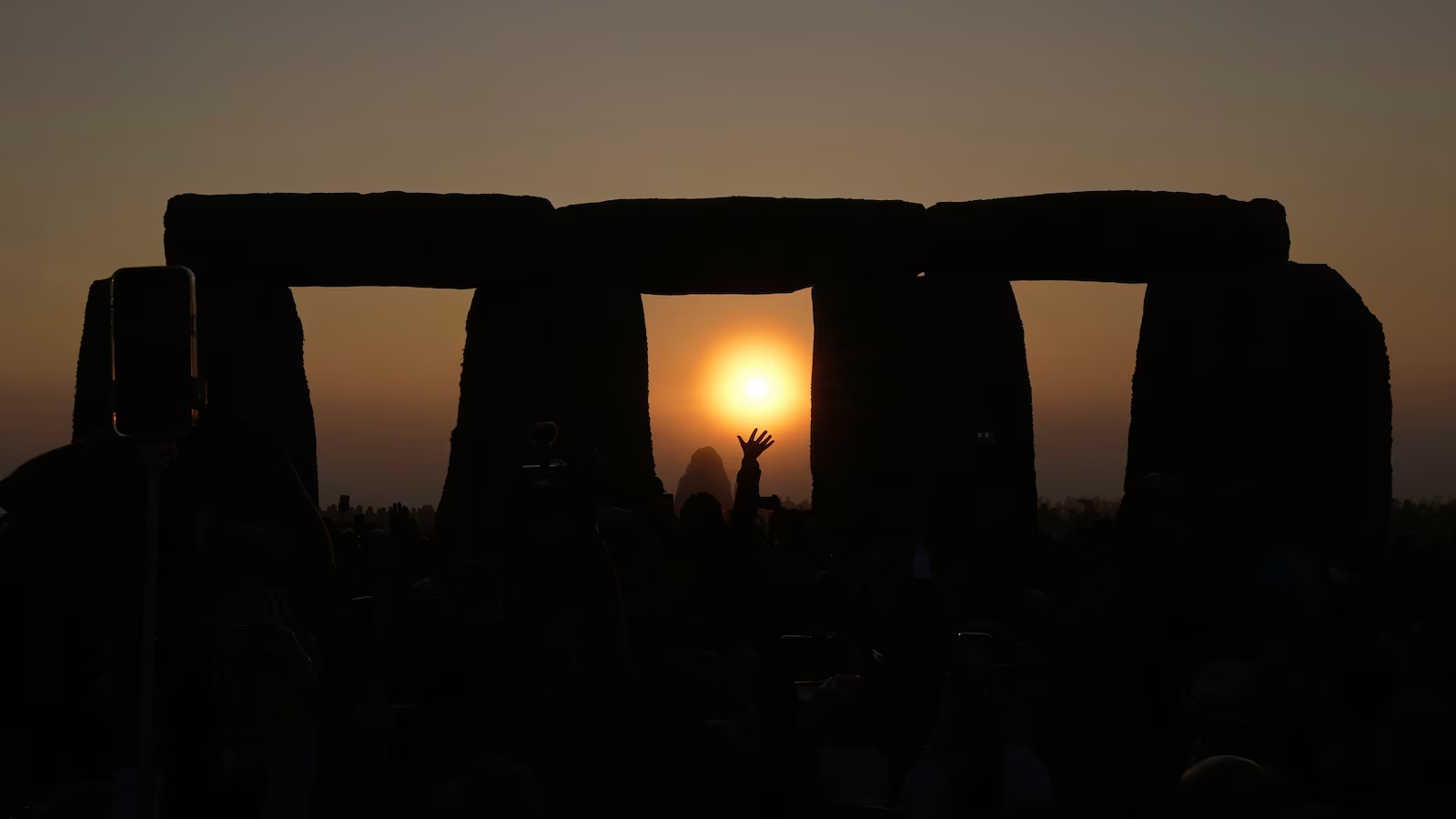
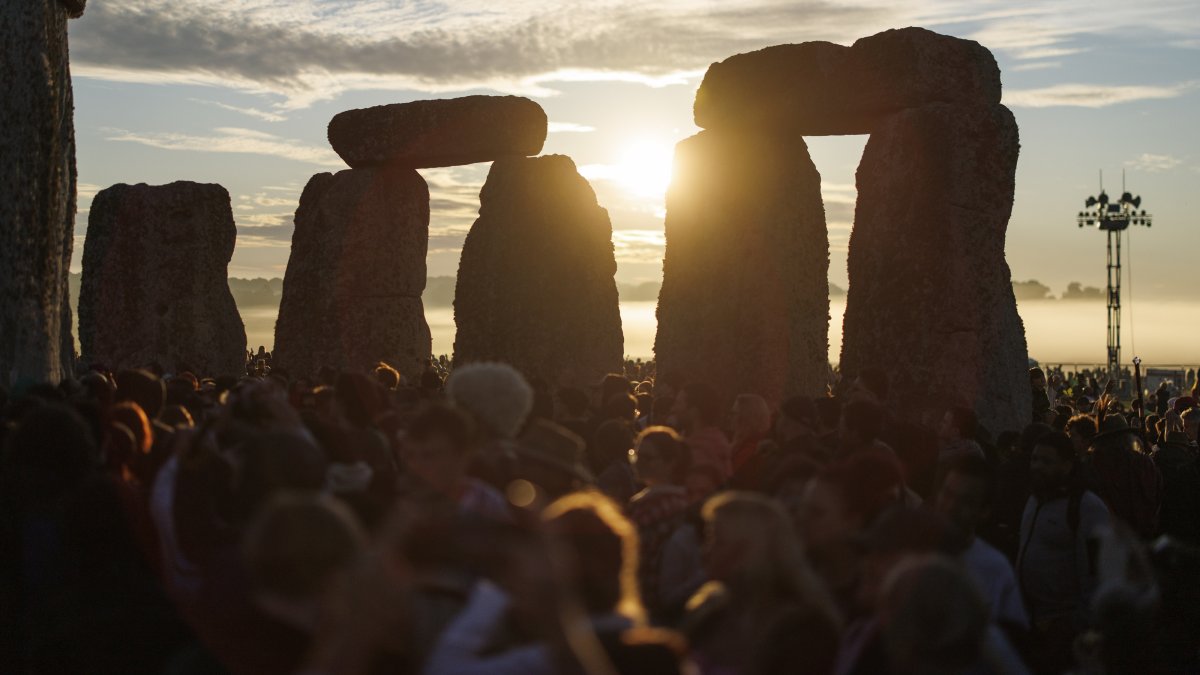
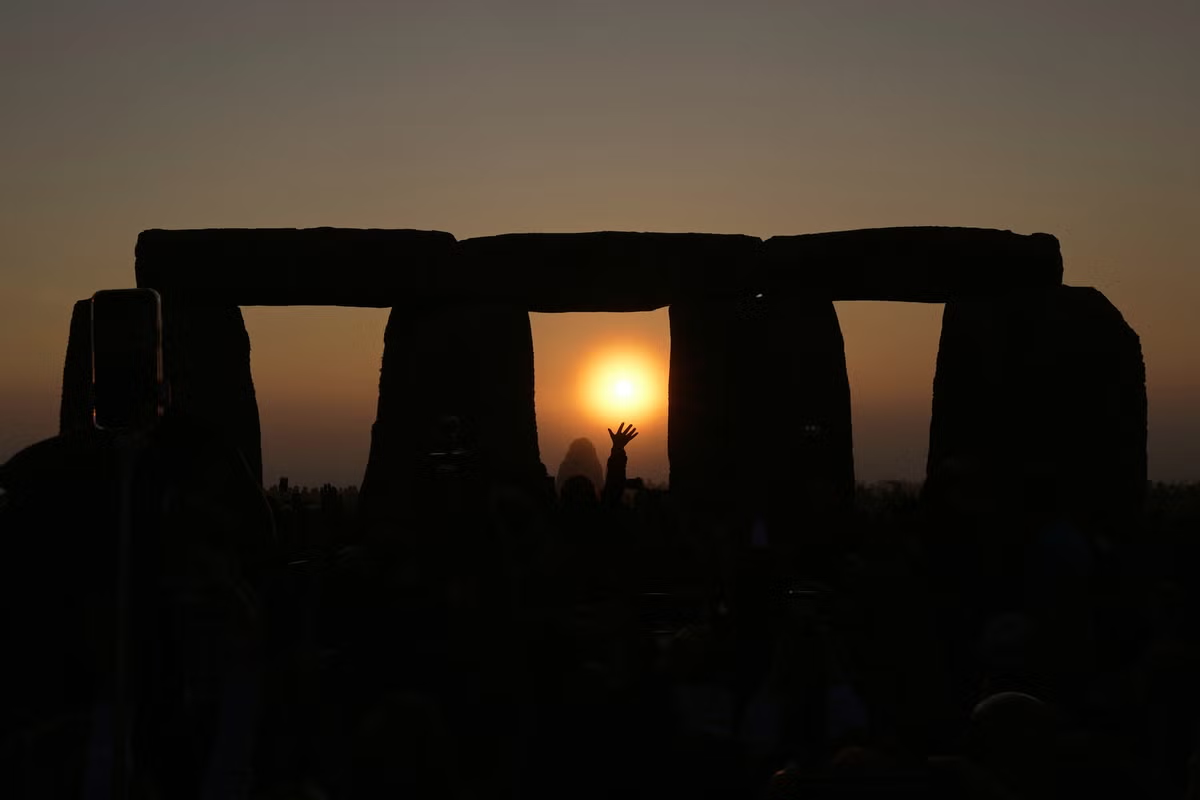
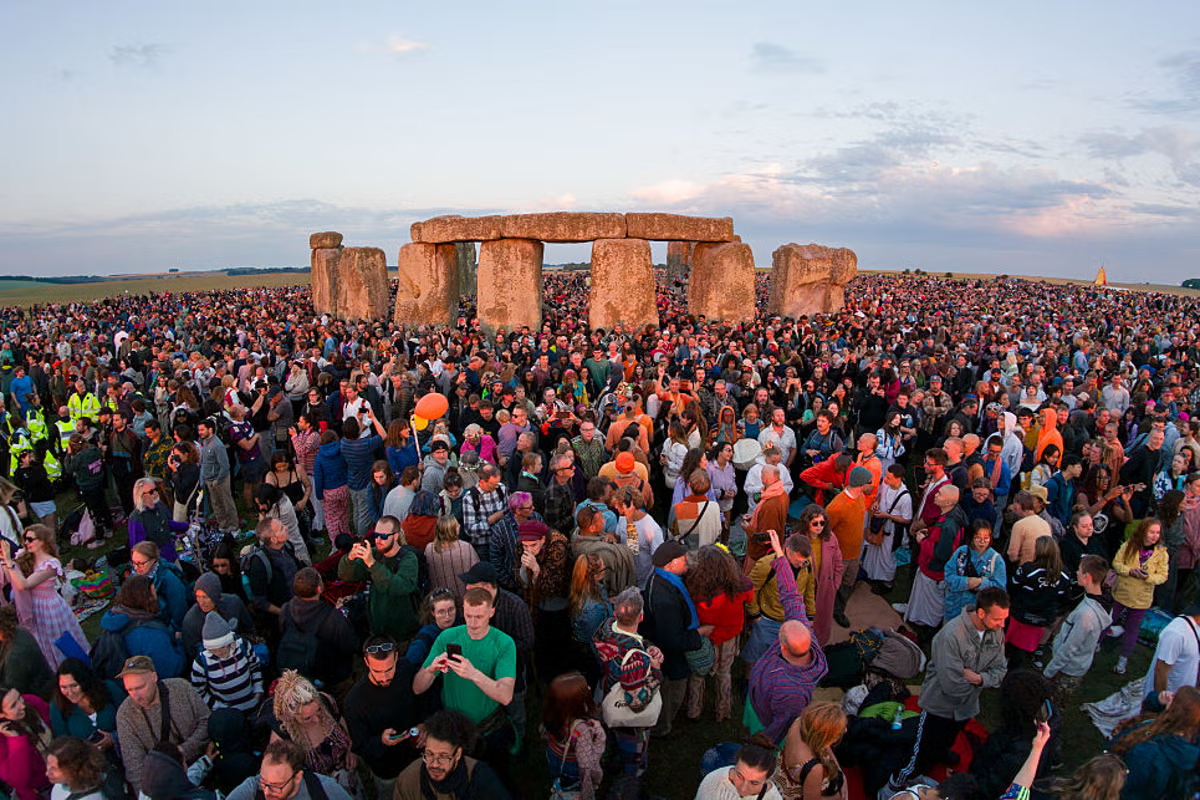
or millennia, the summer solstice has marked a pivotal moment in the human calendar – a turning point steeped in mythology, when the oak king is said to yield to the holly king, and the days begin to shorten.
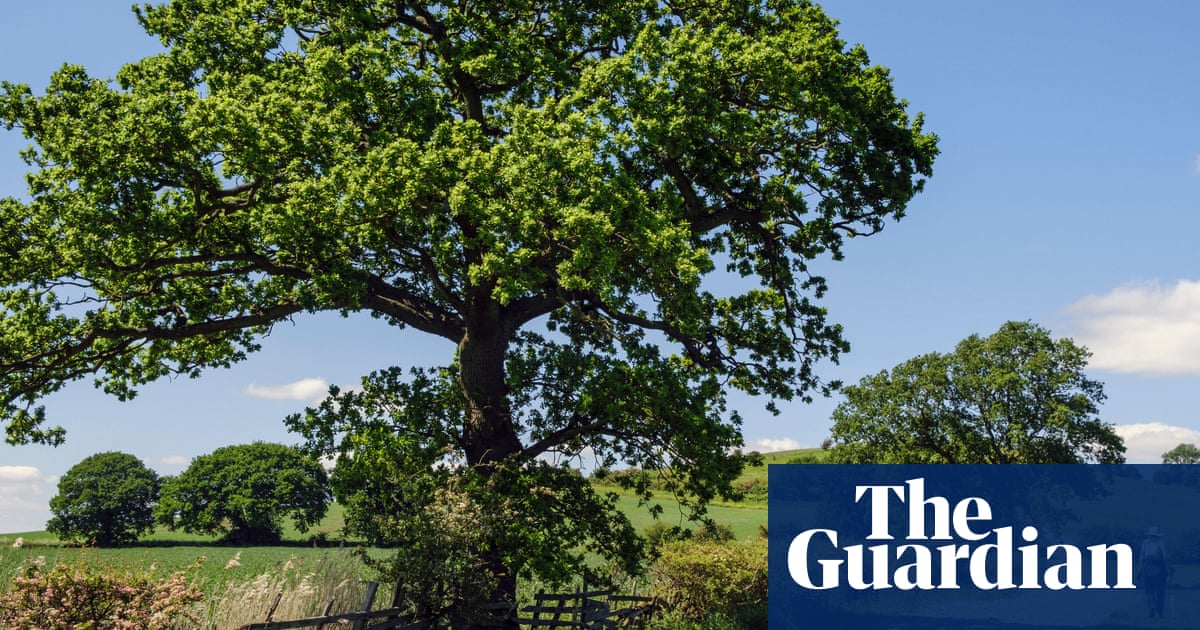
Now, science is increasingly revealing that trees really do respond to this celestial shift, with changes in their growth and reproductive strategies occuring immediately after the calendar’s longest day. A study gives fresh insights into why this happens, with implications for how forests might adapt to changing climates.
Although it has long been known that plants use daylight to cue seasonal activities such as leaf growth, botanists have recently begun to question whether the summer solstice itself, which occurs between 20 and 22 June in the northern hemisphere, could act as a celestial “starting gun” for certain events.