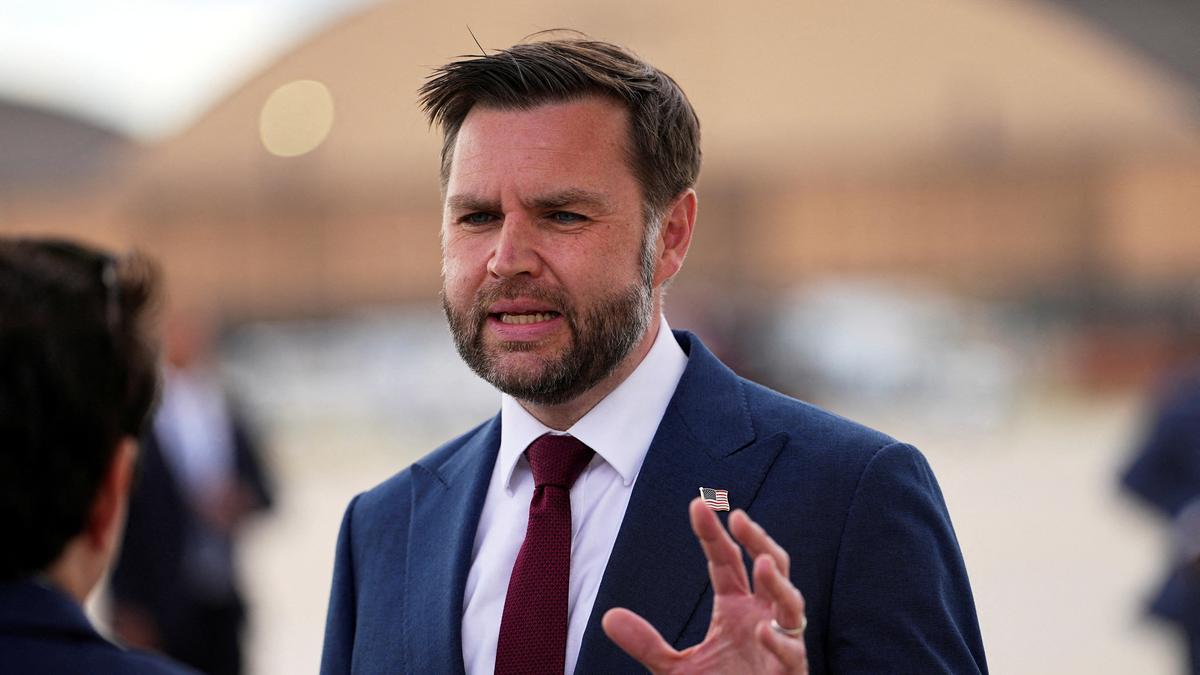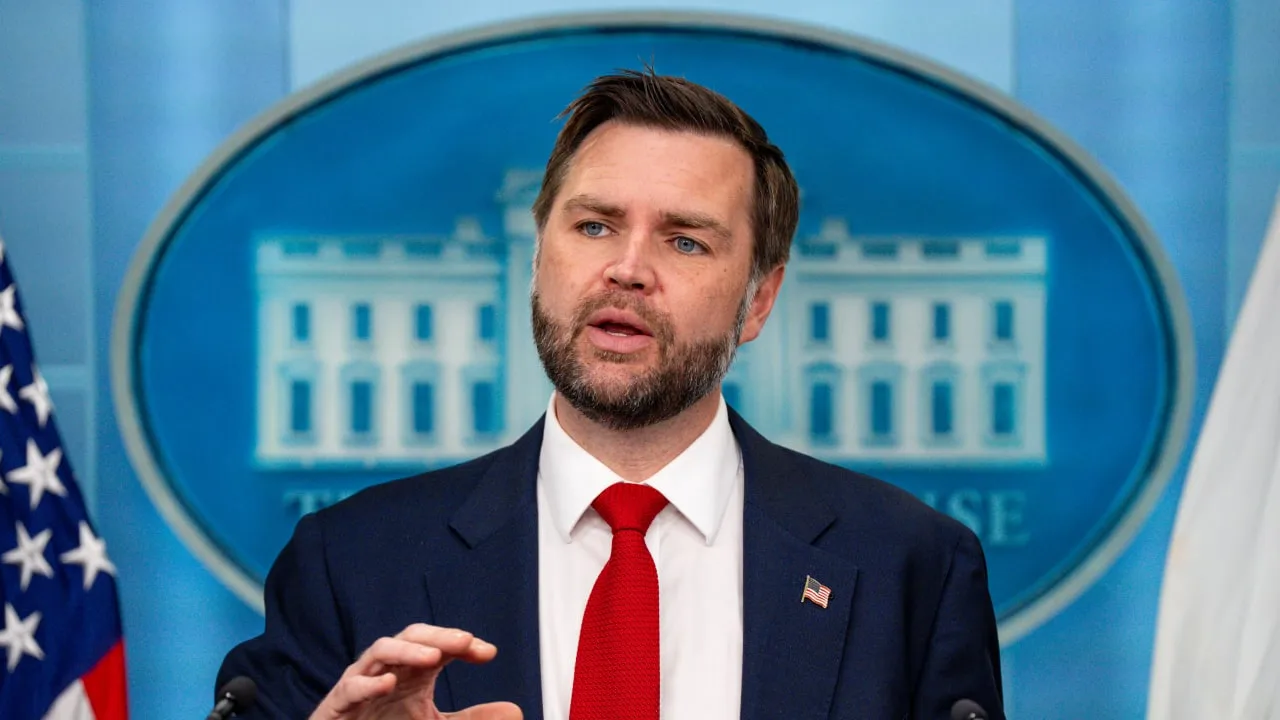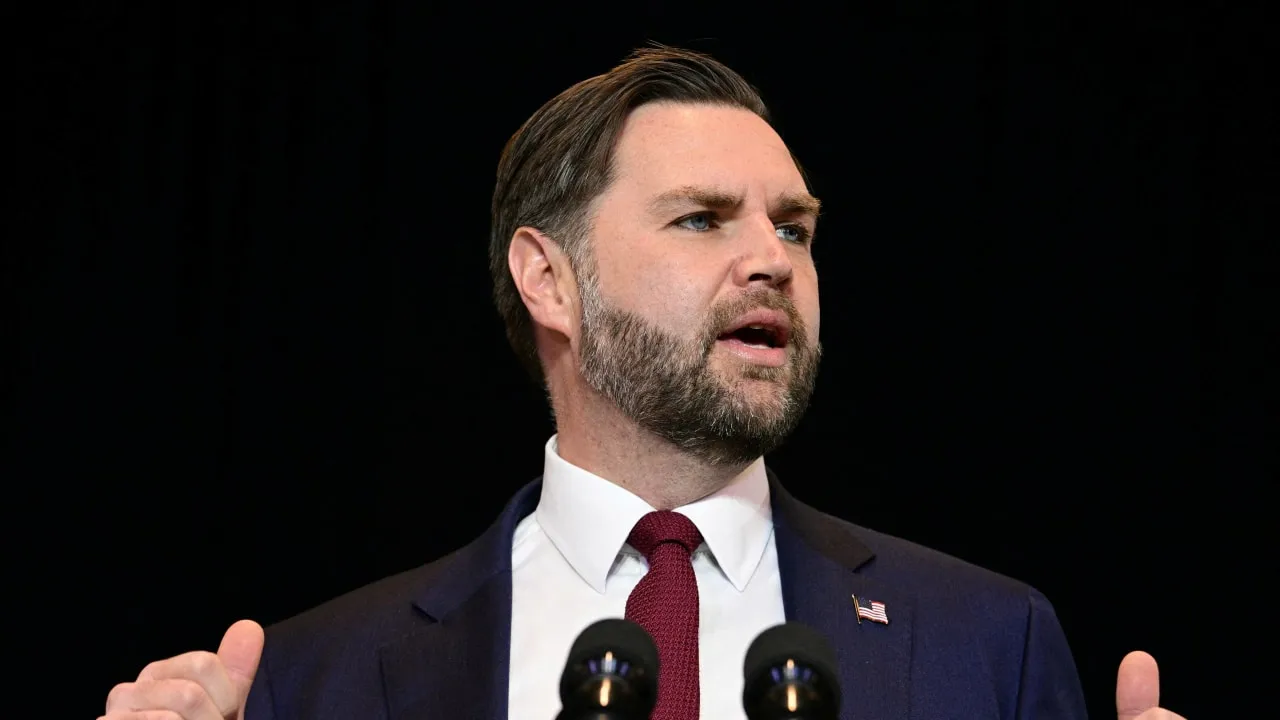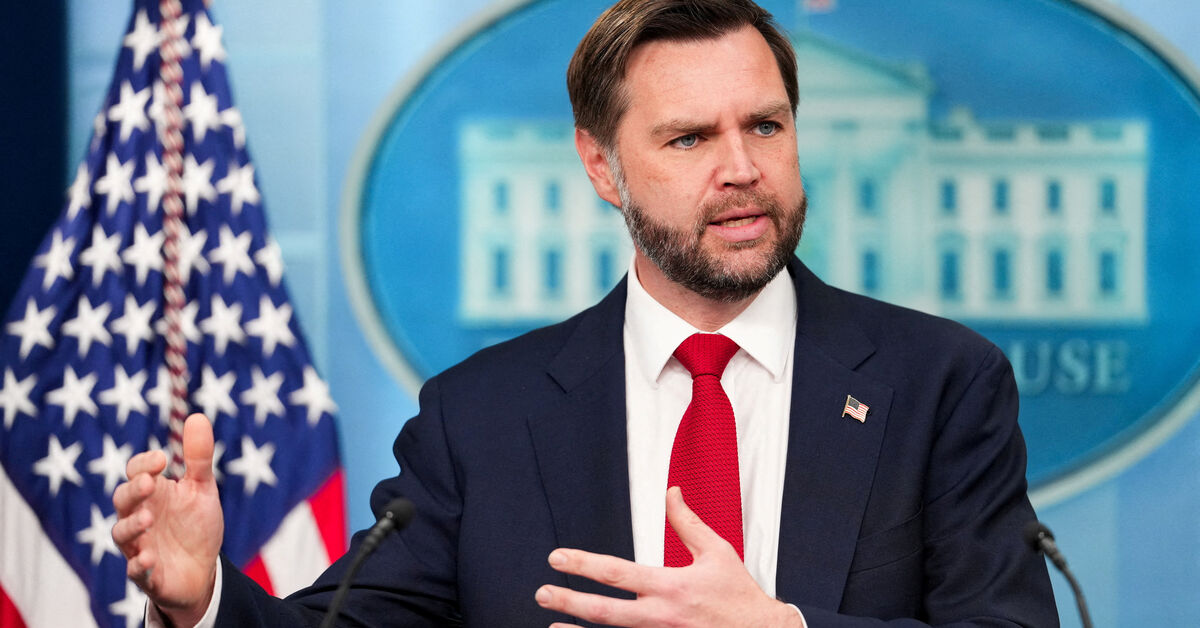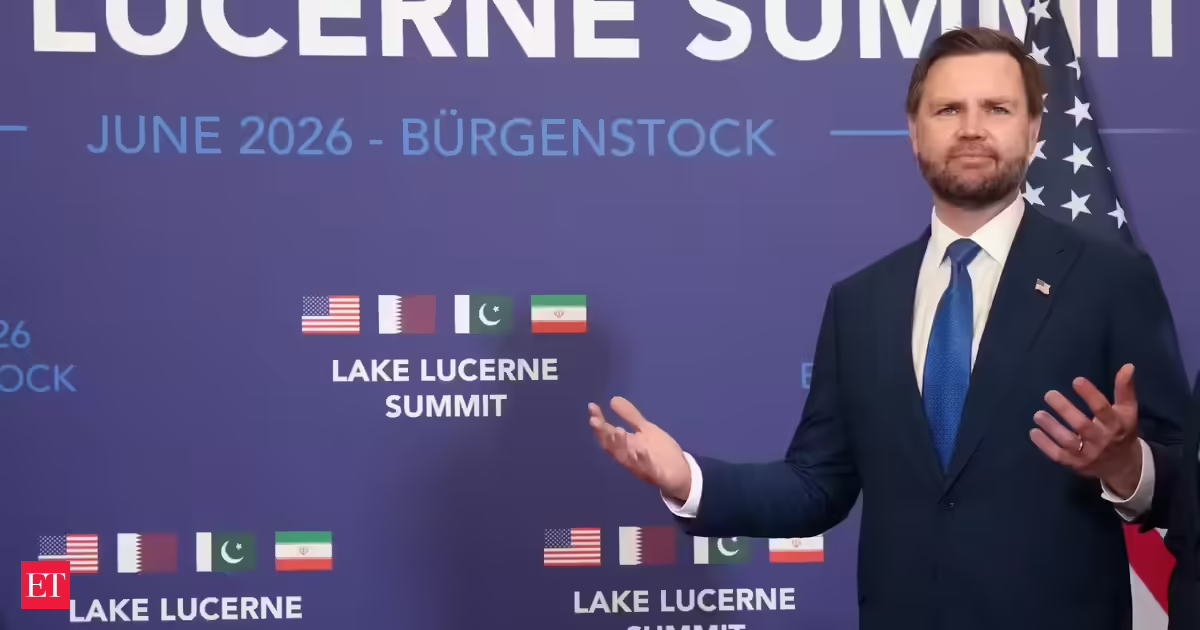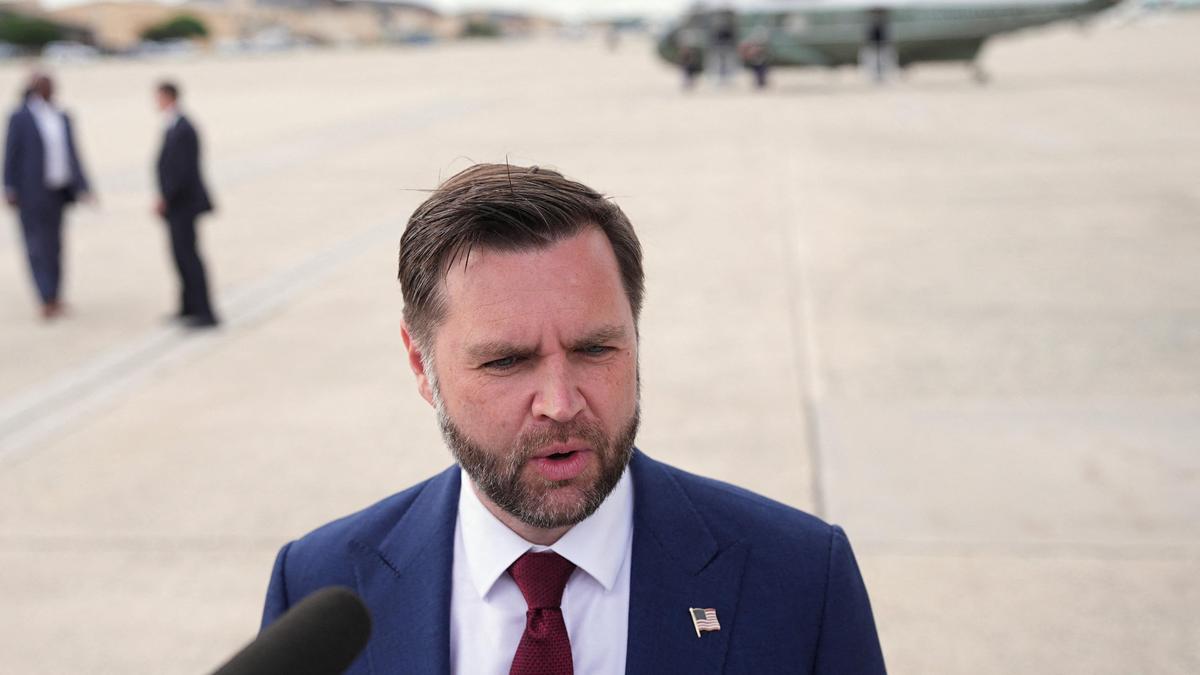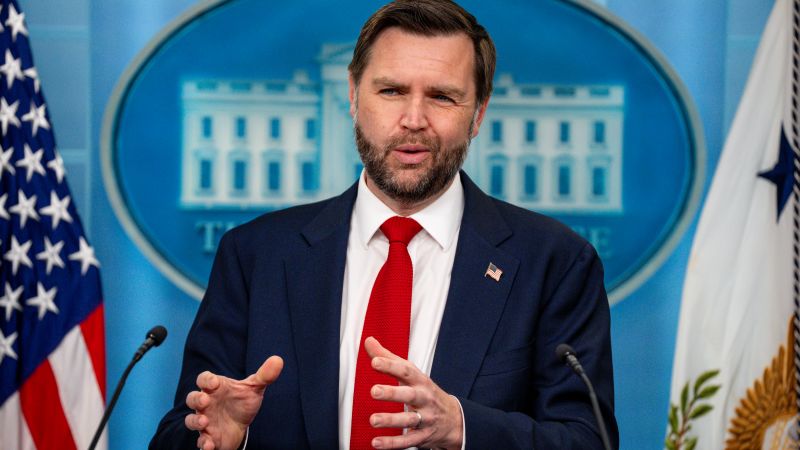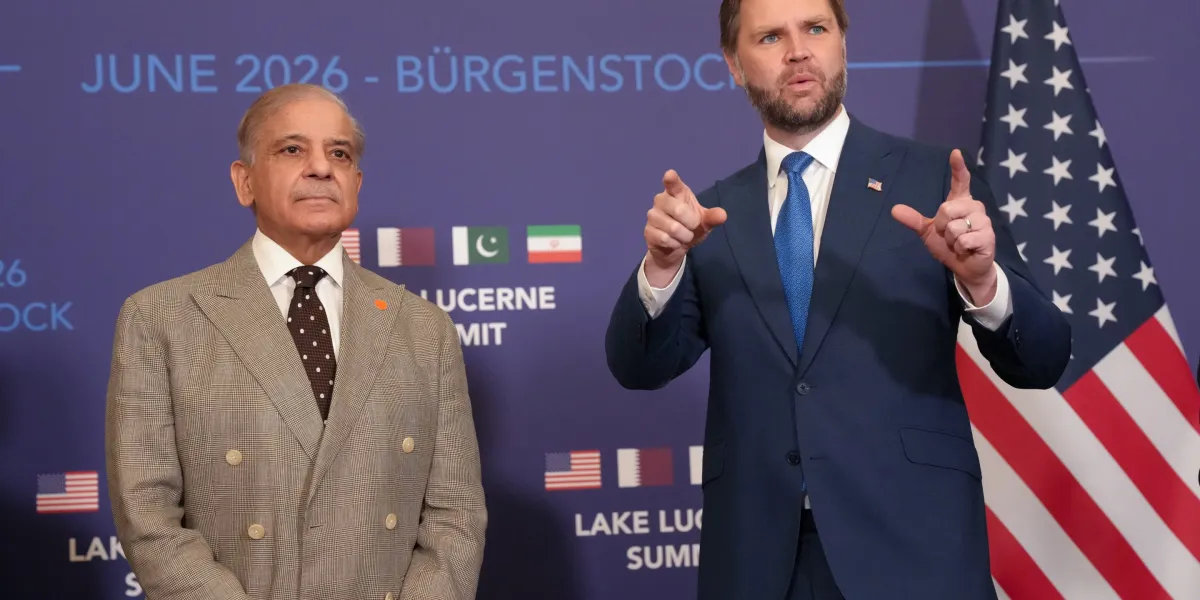
Vice President JD Vance has stepped into what might be the most consequential diplomatic role of his career, leading US negotiations on a provisional peace agreement with Iran signed virtually on June 15, 2026. The deal, reached alongside President Donald Trump and Iranian Parliament Speaker Mohammad Bagher Ghalibaf, halts active military hostilities that began in late February 2026 and opens a 60-day window for negotiations on some of the thorniest issues in Middle Eastern geopolitics.
What the deal actually covers
The memorandum of understanding establishes a temporary ceasefire and carves out 60 days for the two sides to negotiate on several fronts. Iran’s nuclear program is on the table. So is the role of Iranian proxy groups across the region. And critically, the agreement addresses safe passage through the Strait of Hormuz, the narrow waterway through which a massive share of the world’s oil shipments travel.
Vance, whom Trump named lead US negotiator after the conflict erupted, has framed the agreement as a “win-win” and emphasized that the US would not be making financial payments to Iran under the MOU.
The deal didn’t materialize overnight. Previous negotiation attempts, including talks held in Pakistan in April 2026, failed to produce a lasting ceasefire.