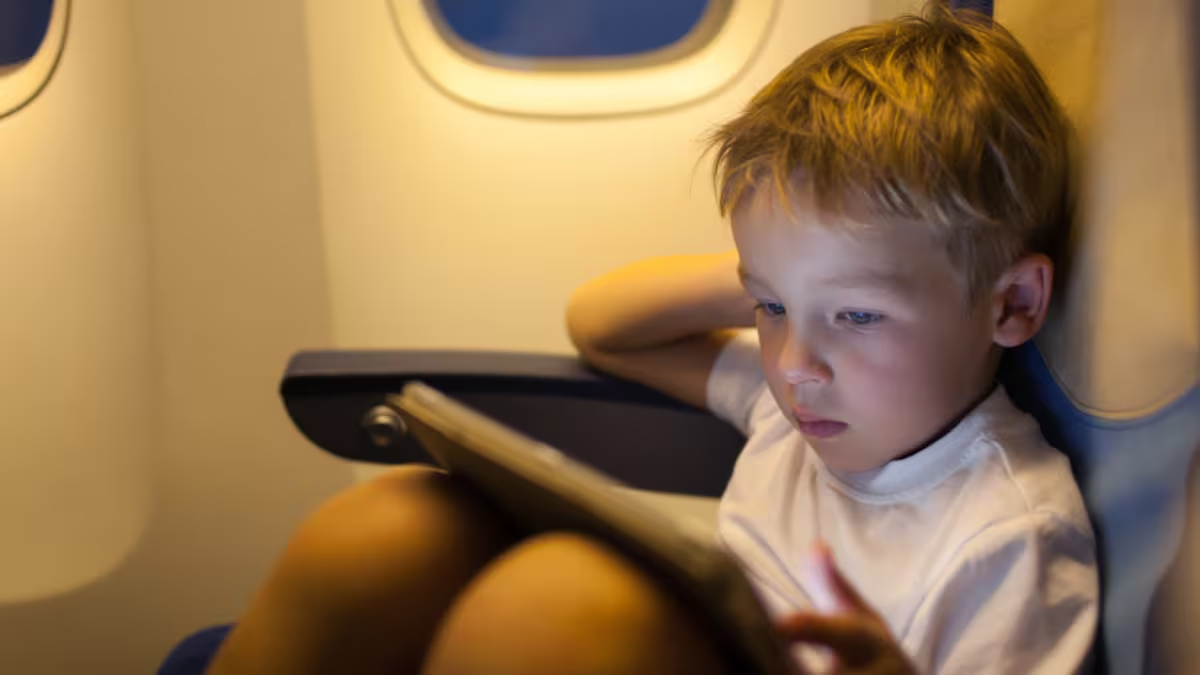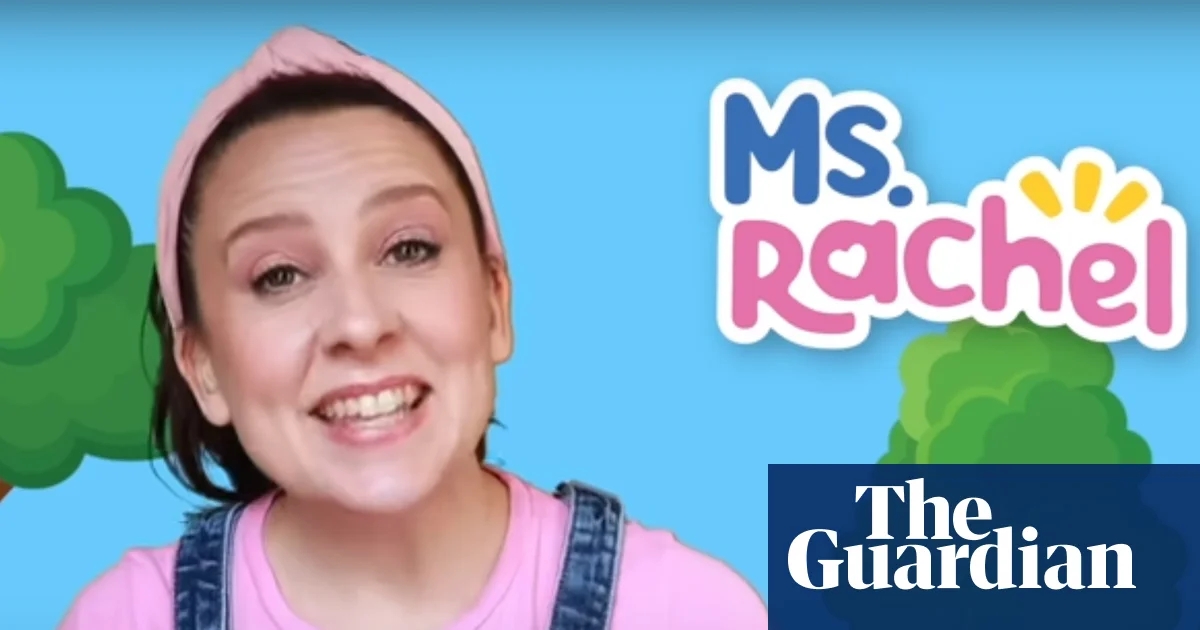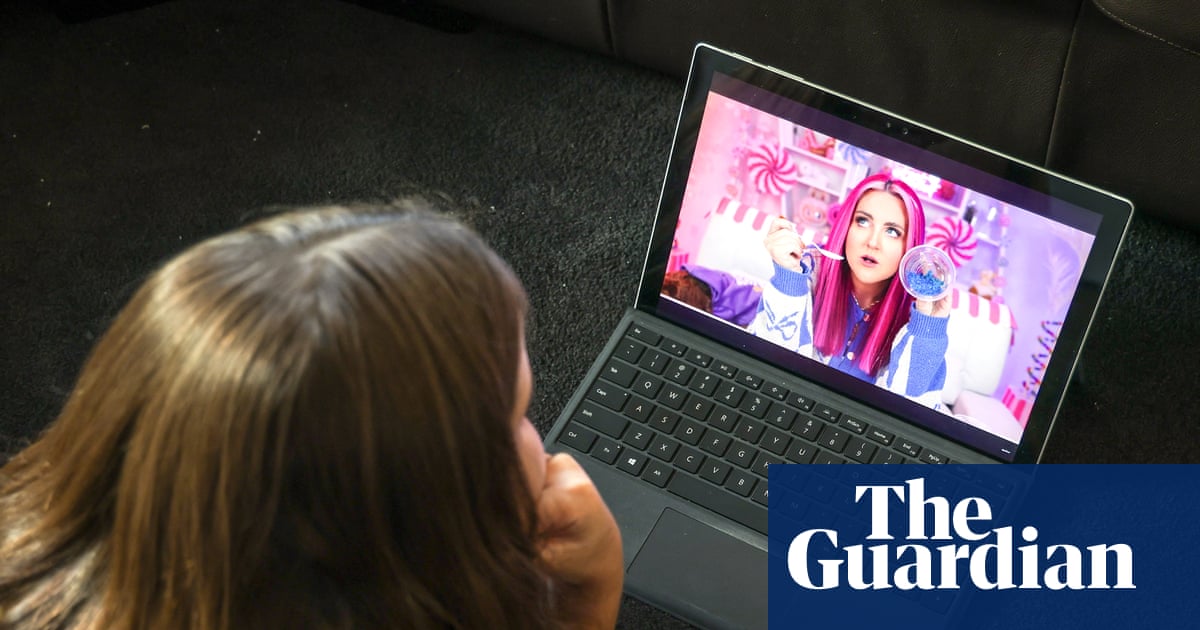
Booting children off YouTube so they can spend more time watching the BBC sounds wonderfully wholesome to a generation of adults with fond memories of Play School, Jackanory and Blue Peter. But in 2026, children’s television is not so innocent.
Can’t children’s television programmes just be entertaining and informative?
Like literature, education, clubs such as the Scouts and Guides, libraries, art galleries, museums, and just about anything else children might encounter, television is now political. So it is hardly a surprise to learn that CBBC producers have been lobbied by charities and campaigning organisations that are keen to get their message across in output aimed at primary school-aged children. These groups boast of having influenced programme-makers on pro-migrant storylines, according to an investigation this week in the Daily Telegraph.
They have good reason to show off. Heard, a charity that works ‘with people and the media to inspire content that changes hearts and minds’, appears to be particularly successful. Its website features a brief clip of Prince William, suggesting, if not royal endorsement, then certainly influence at the very highest levels. Netflix, the BBC, ITV, Sky, Channel 4: Heard seems to have worked with just about every major media outlet going. And this pays: Heard has received more than £4.5 million in grant funding since its inception in 2021.