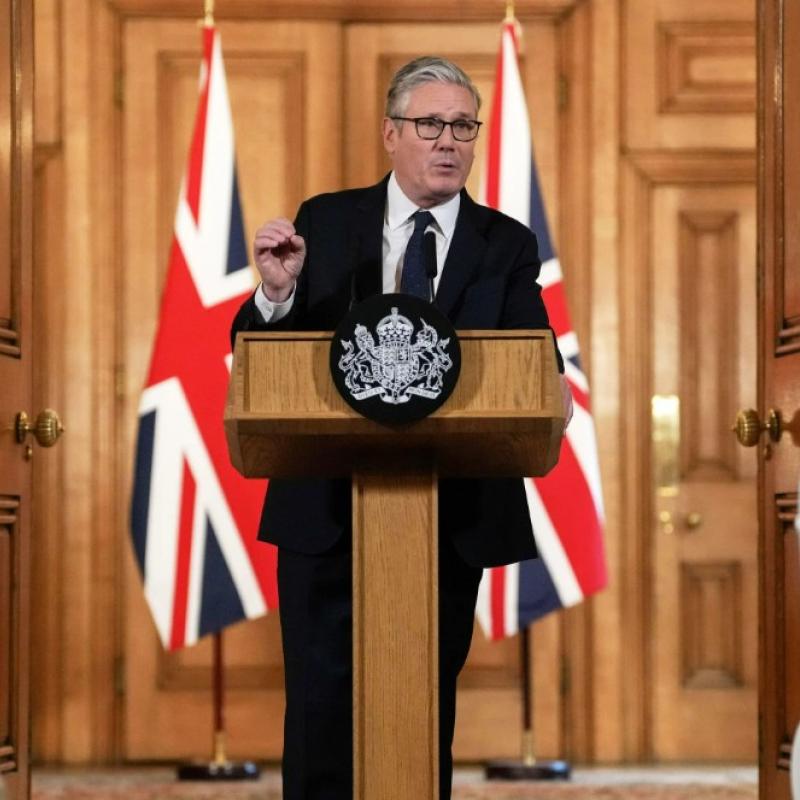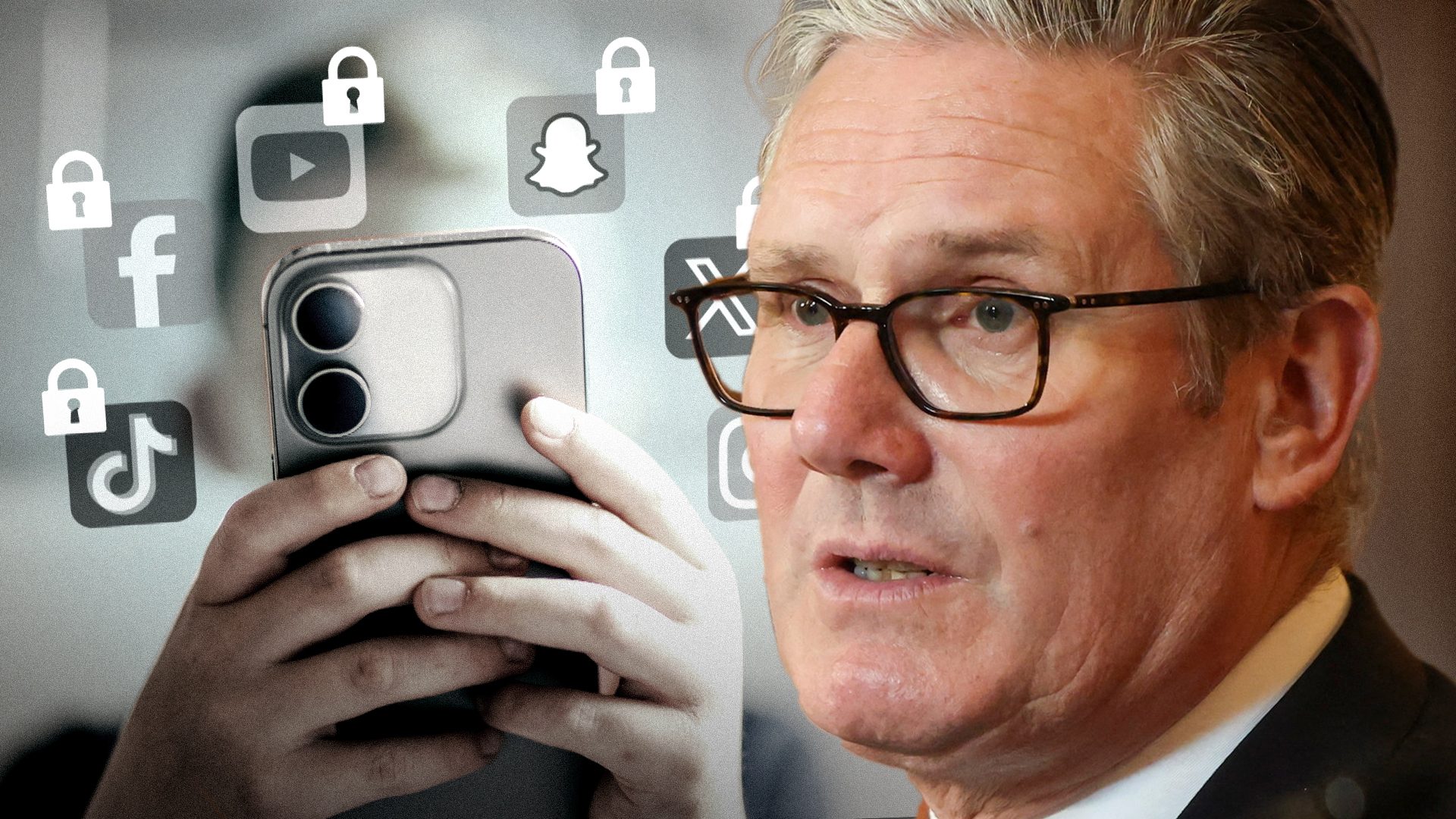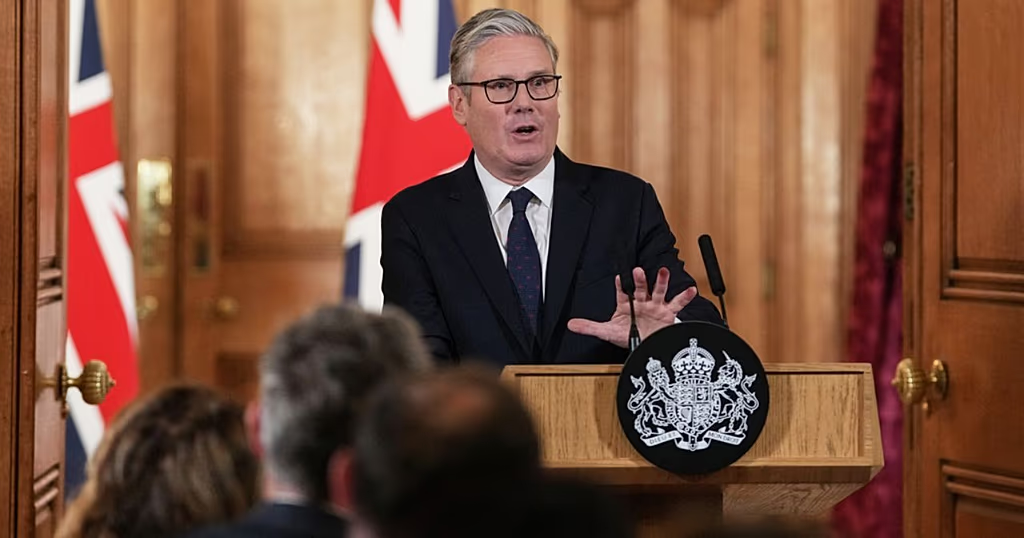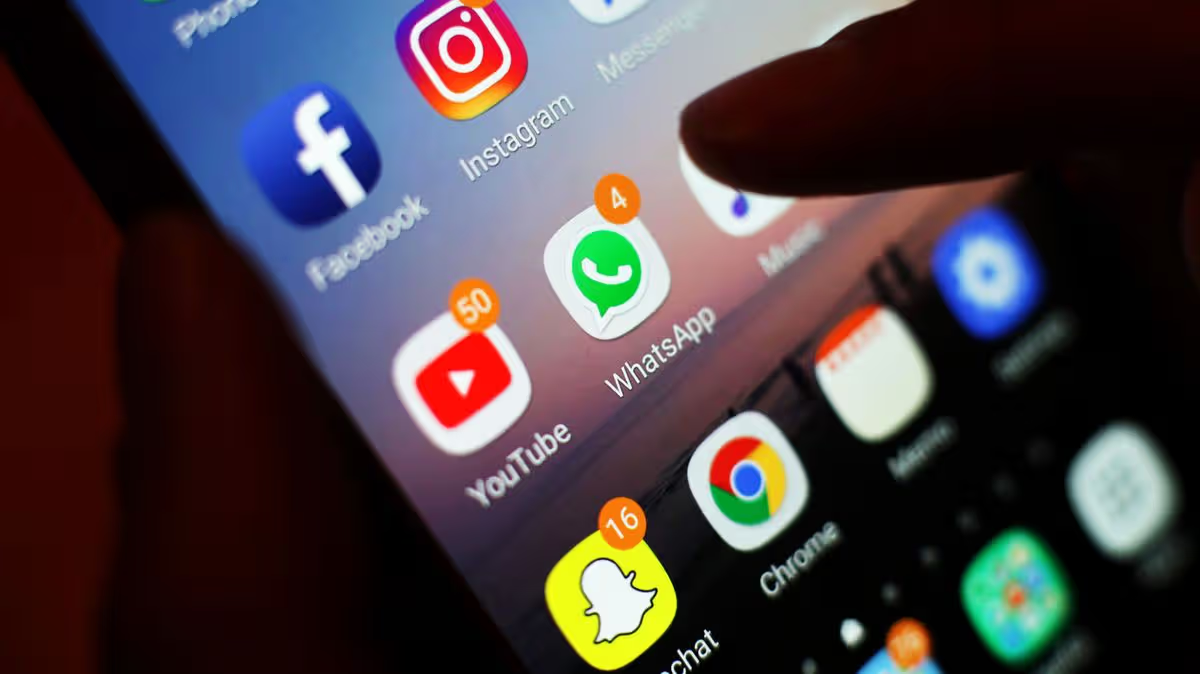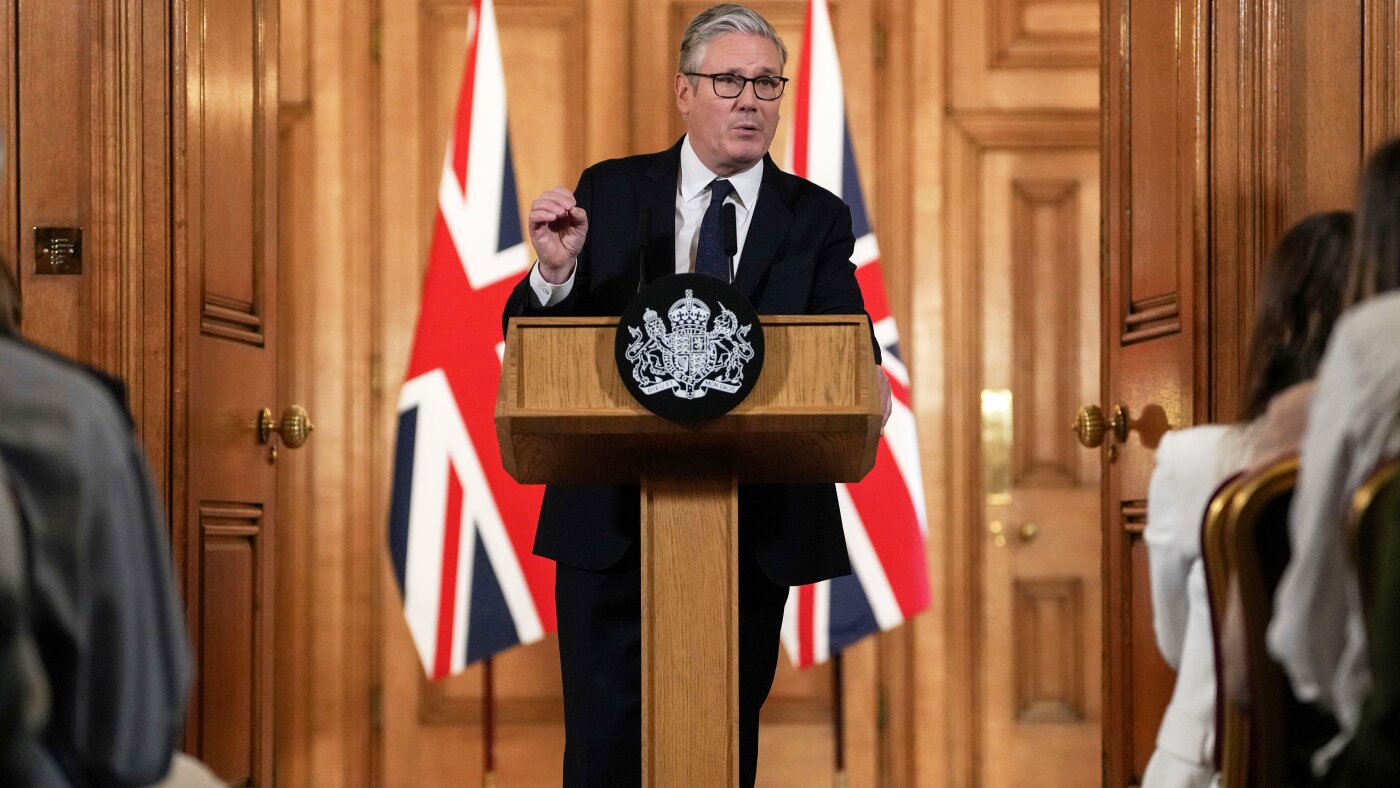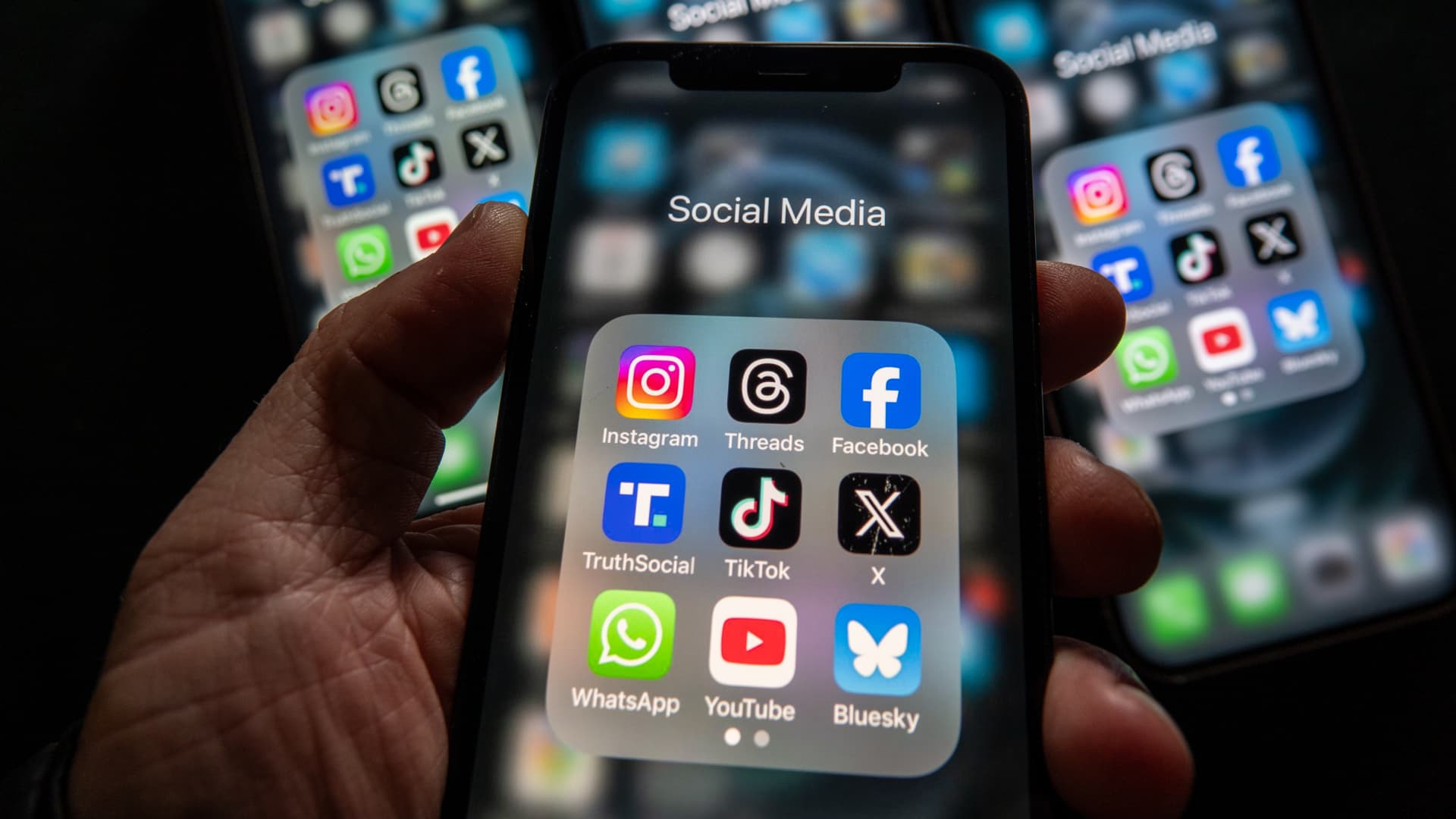
Keir Starmer is expected to announce a ban on social media for under-16s within the next 10 days, following Australia’s lead. This isn’t surprising given the research that shows just how harmful TikTok and Instagram are to kids. But why aren’t we also talking about YouTube?
YouTube is apparently used by 67 per cent of children in the UK, and out of secondary school children who have come across harmful content, 53 per cent encountered it on TikTok and 36 per cent on YouTube.
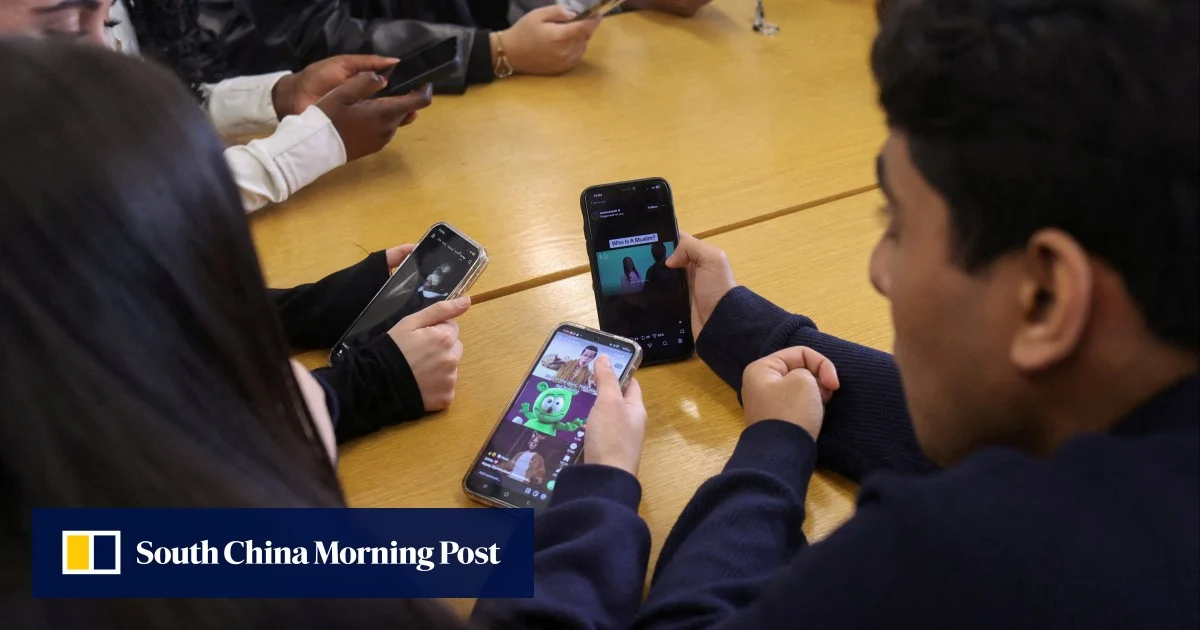
YouTube is treated as one of the “safer” platforms by parents, often perceived as the “cuddly, more child-friendly”. I often see toddlers scrolling through short-form content on buses and tubes, quickly moving from one video to the next.
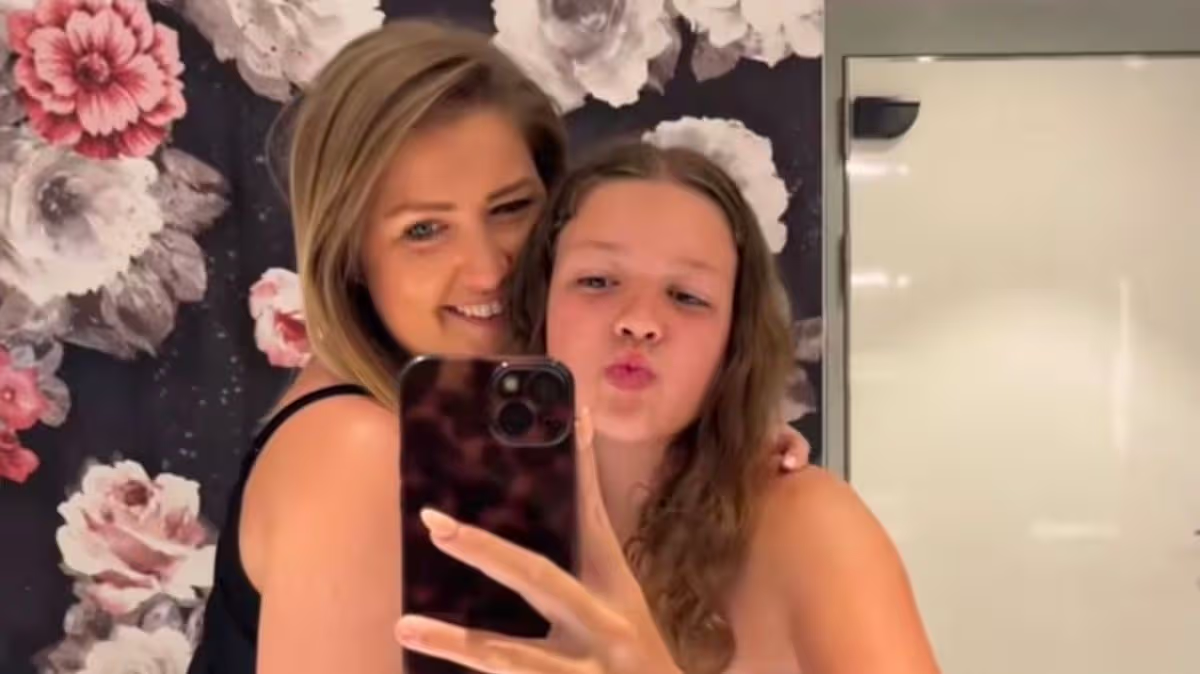
My daughter Rae was six when the first lockdown started back in 2020, and YouTube was often her go-to. It was for many parents who were trying to navigate a global pandemic and survive without tearing their own heads off.
The content seemed bizarre. There was a series of videos that showcased ‘embarrassing moments,’ and had young actors coming to school and discovering only a plastic carrot in their packed lunch box instead of a delicious feast. But, it looked relatively harmless. Quite soon, however, she started to develop an obsession with slime. I didn’t even know where this obsession came from until I saw what she was watching on YouTube. Her videos were now all about the ideal slime ingredients, how to get the perfect consistency and influencers unboxing fresh deliveries of slime.