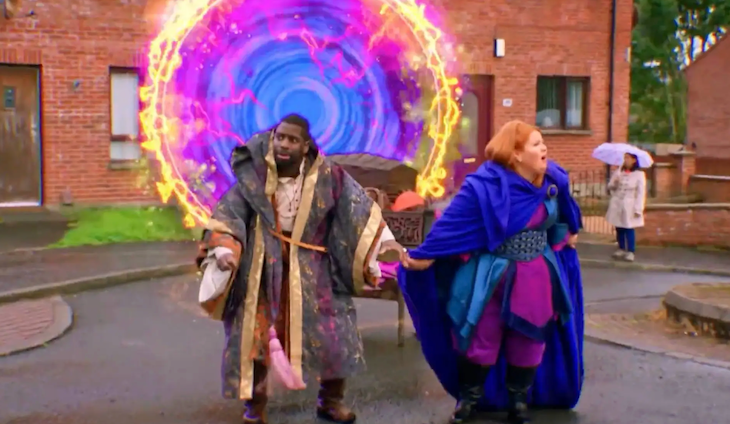
When I was a nipper, a staple of children’s television was a show called Why Don’t You? The full title, as the theme song made clear, was: “Why don’t you just switch off your television set and go and do something less boring instead?” Very “meta”, as we didn’t then say. And, of course, generations of children sat on the sofa gormlessly drinking Um Bongo while we watched the show’s cast demonstrate all the wholesome arts-and-crafts activities we could have been doing instead of watching TV. This was a few years before our parents discovered the joys of eating microwave TV dinners while watching Master Chef.
A previous generation feared that the rise of television would put an end to children reading. It didn’t
I start with this to give a bit of context. A nagging sense that children are losing their childhoods to screen-based entertainments – that they are passively consuming a mediated version of the world rather than actively participating in it – isn’t a new thing. It was well enough established that children’s television could make a knowing joke about it half a century ago. That’s why I think the children’s laureate Frank Cottrell-Boyce – interviewed ahead of a lecture he’s delivering on Thursday titled “The Kids Are Not Alright” – is right to temper his concerns about screens a little. He says he’s an optimist. “I don’t think AI and technology is going to bulldoze us. We have to learn to master it, and I think we can.”