1. China faces a rapidly aging population and rural household depletion, formalizing "mutual elderly care" where younger seniors care for older neighbors.[para. 1]2. Eleven government departments, including the Ministry of Civil Affairs, issued guidelines for mutual elderly care, mandating 70% of communities with supporting facilities by 2030 and a comprehensive system for check-ins, social engagement, and emotional support by 2035.[para. 2]3. Mutual elderly care involves healthier younger seniors voluntarily aiding frailer elders in neighborhoods; it originated in 2008 in Feixiang, Hebei, renovating abandoned schools into free housing where seniors cared mutually, with children funding essentials.[para. 3]4. Rural seniors suffer greater isolation than urban ones as family care declines; 2022 Ministry of Civil Affairs data shows over 50% of elderly are empty nesters nationwide, exceeding 70% in some rural villages, while rural nursing homes are scarce due to staffing shortages, transport costs, and supply gaps.[para. 4]5. The government has promoted mutual care since 2011 State Council proposals and the 14th Five-Year Plan, which calls for rural networks via village drop-in spots and neighborhood centers.[para. 5]6. Guidelines task village officials and community leaders with leading; younger seniors provide meals, cleaning, transport, medical aid, emergencies, rehab, and prevention; special-needs or remote seniors should relocate to compliant centralized communities.[para. 6]7. Infrastructure involves renovating supermarkets, stores, vacant houses for accessibility; existing senior facilities must open and set up outposts.[para. 7]8. Section on sustainability and funding struggles.[para. 8]9. Rural mutual care's viability is challenged; original Feixiang model faced legal ambiguity, unstable funding, and exclusion of dementia or severely disabled seniors.[para. 9]10. Funding mixes local governments, foundations, and collectives but is unstable due to strained local budgets, making programs reliant on external organizations.[para. 10]11. Rural charities are scarce, prioritizing children's projects or urban/smart elder care over grassroots rural efforts, heightening government dependence.[para. 11]12. Guidelines suggest diversified funding: government subsidies, collectives, family payments, donations; locals urged to use welfare lottery or rural earnings portions.[para. 12]13. In Fulemiao village, Sichuan, subsidies fund centers, collective revenue supports care, and agricultural/handicraft projects generate income.[para. 13]14. Western mountainous villages report mutual care viable only in wealthy, flat areas; elsewhere, with no dividends and rare family visits, seniors self-rely.[para. 14]15. Section on "Banking time for the future."[para. 15]16. Younger seniors' participation is vital; "time banks" reward care hours with credits redeemable later for services, credits, or family transfers.[para. 16]17. In Chibi, Hubei’s Shuguang Cooperative, annual care costs 6,000 yuan ($833); land leases offset 2,000 yuan, labor (farming, caregiving) in points covers rest, plus pensions/subsidies.[para. 17]18. Shanghai foundation's Zhong Tiehua emphasizes rural model's autonomy, mobilizing healthy seniors as resources who later become beneficiaries.[para. 18]19. Professor Wang Hui recommends dedicated funds, performance subsidies, utility waivers, and linking care to agriculture via technique-sharing, cooperatives, and senior jobs in sorting/packaging/harvesting.[para. 19]AI generated, for reference only
China Leans on Younger Seniors to Solve Rural Elder-Care Crisis
A new policy pushes a mutual-aid model for the countryside, but funding deficits and agricultural realities threaten its sustainability
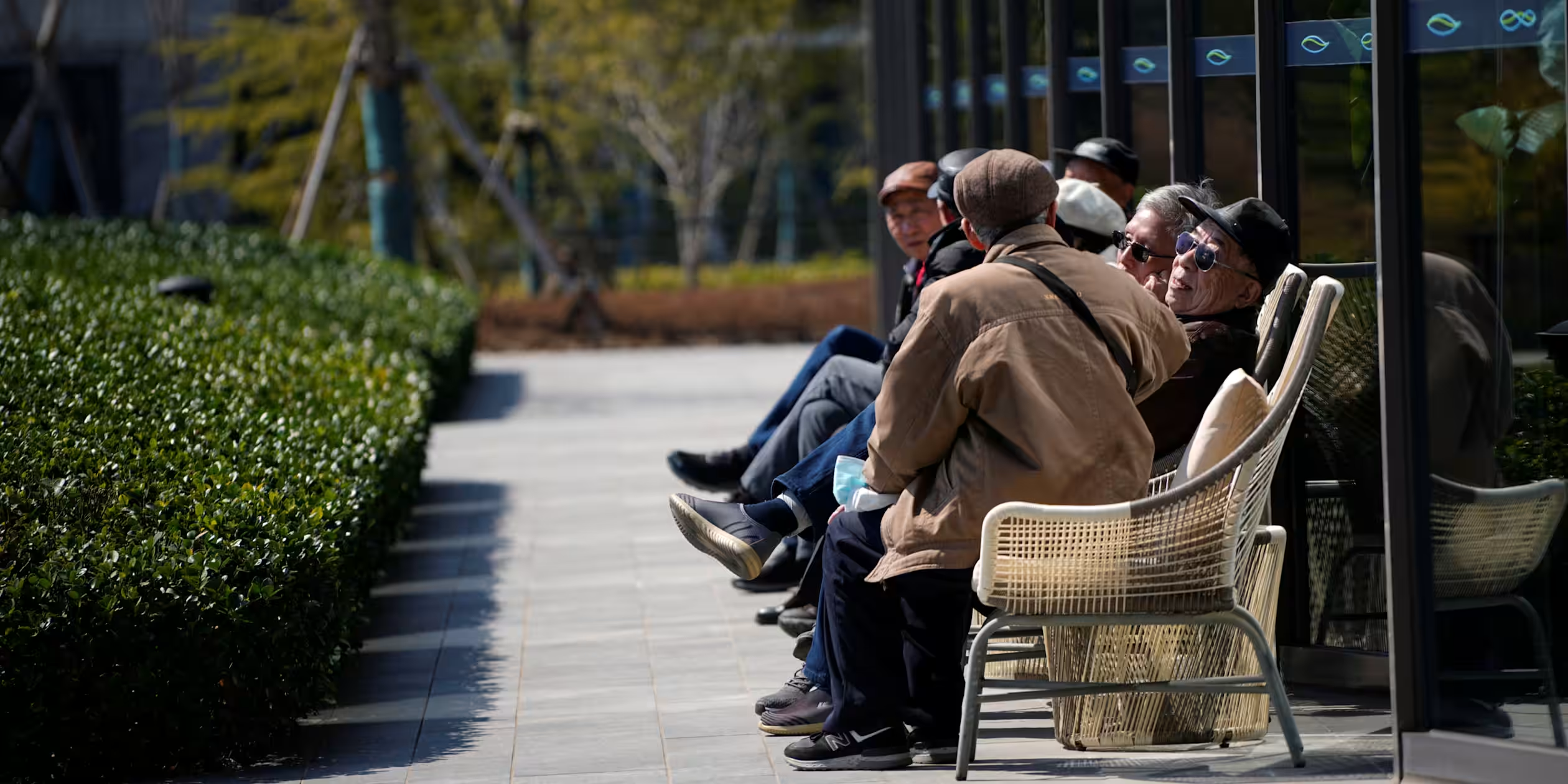
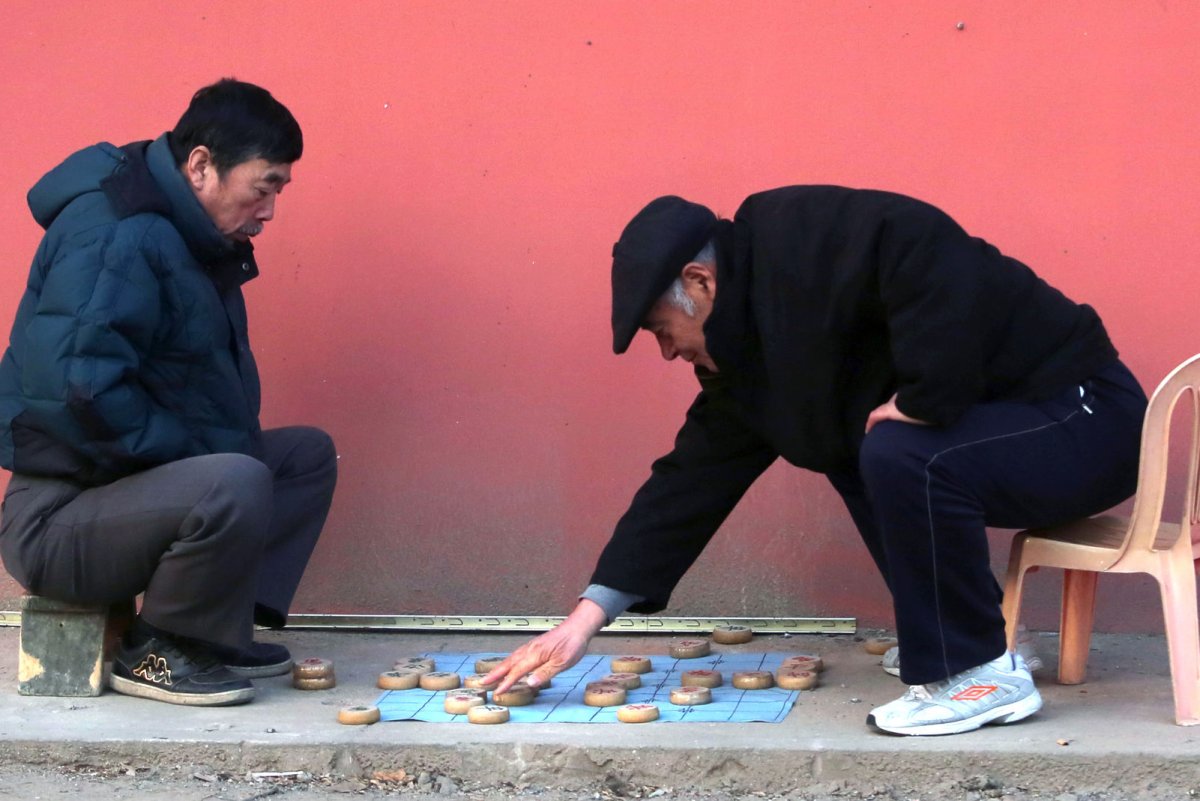
458 words~2 min read