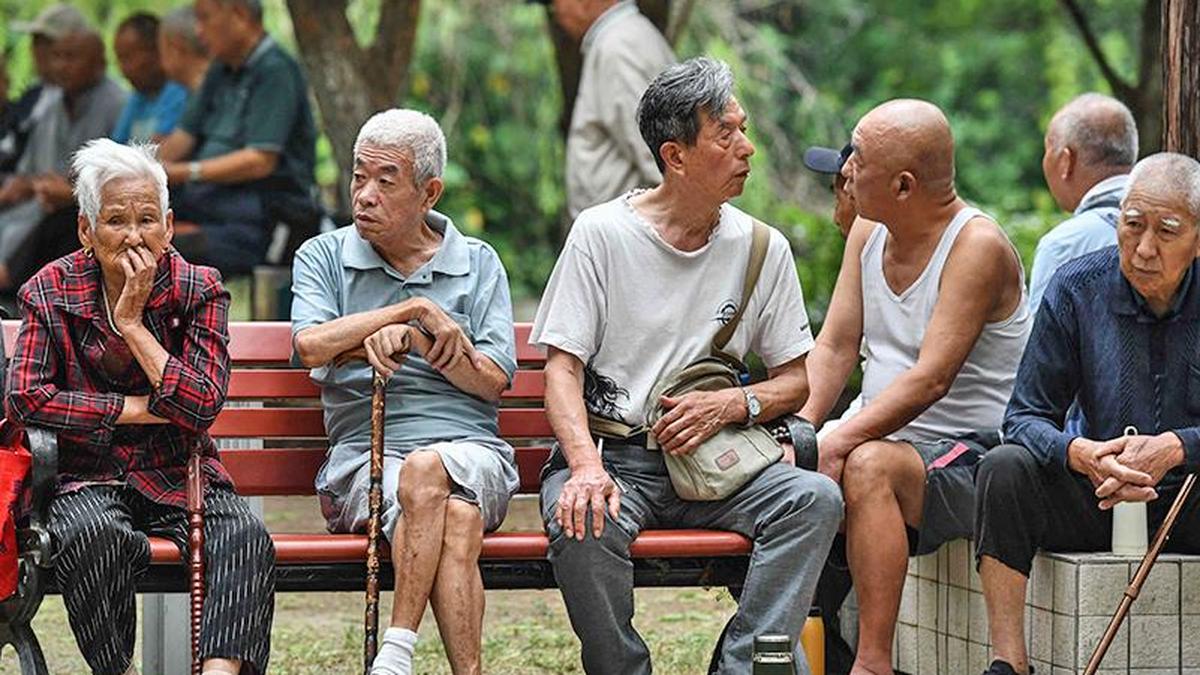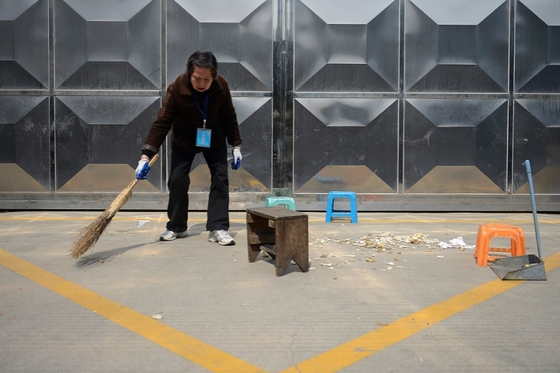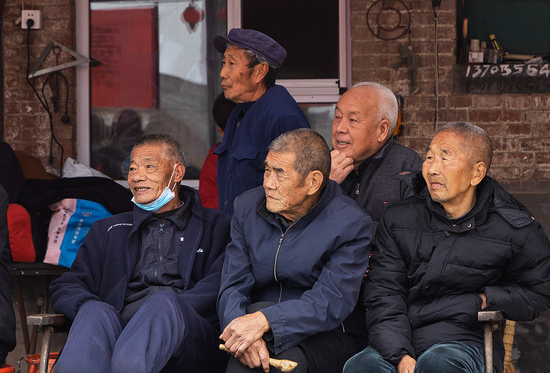
1. China is currently grappling with a significant demographic crisis marked by an aging population and consequent pressures on the social pension system and urban labor markets. In response, many Chinese cities are beginning to view their elderly populations as a potential “demographic dividend.” During annual parliamentary meetings in March, national officials advocated for upgrading public facilities to be age-friendly, broadening job opportunities for seniors, and optimizing age-related employment and social security policies. Initiatives like the "Silver Age Action" are being deepened to foster elderly social participation, with cities such as Shanghai and provinces like Henan introducing policy measures since March to improve employment support and protect the rights of older workers. [para. 1][para. 2][para. 3]2. Shanghai stands out as China's first megacity to experience deep aging, with 5.769 million residents aged 60 or above by the end of 2025, pushing the city’s aging rate to 38%. While Shanghai’s elderly enjoy some of the highest life and healthy life expectancies nationwide—life expectancy for a 60-year-old male rising from 21.35 years in 1990 to 24.71 in 2020—the actual labor participation among seniors has declined, dropping from 296,000 employed elderly in 1990 to 197,000 in 2020. Rural seniors in Shanghai have notably higher employment rates than their urban counterparts, indicating a pool of untapped potential among city-dwelling elderly. [para. 4][para. 5][para. 6]3. In a bid to address these trends, Shanghai’s government, led by the Civil Affairs Bureau and 27 other departments, launched an implementation plan to boost elderly social participation and optimize employment for seniors. Central to this plan is leveraging public employment service platforms for job information, providing skill development services, and addressing pervasive age discrimination in the labor market. The plan also encourages companies, especially those in the elderly care sector, to create tailored jobs for seniors and supports re-hiring retired professionals like teachers, doctors, and scientists. Furthermore, a long-standing deterrent—lack of work-injury insurance for older workers—is being addressed, as the new plan seeks to expand insurance coverage and improve the social security system for flexible and gig-economy jobs. [para. 7][para. 8][para. 9][para. 10][para. 11][para. 12]4. The policy shift is fundamentally about promoting “active aging” rather than simply easing pension burdens, framing the elderly as a "silver dividend" and marking a conceptual evolution in urban aging management. Nationally, continued employment among seniors is being normalized, with the population aged 60 and above surpassing 320 million by the end of 2025, and an estimated 87 to 120 million being overage workers. Job-seeking activity among retirees has increased at an average annual rate of 15% over the past three years, with companies increasingly advertising retiree-preferred roles. [para. 13][para. 14][para. 15][para. 16]5. The main employment opportunities for seniors cluster in two categories: technical experts/consultants and basic service/administrative support roles. Technical roles leverage retirees’ professional experience and expertise, while basic service roles benefit from their stability and responsibility. Seniors are also finding new pathways like entrepreneurship or online professions. Motivations for re-employment are shifting toward personal fulfillment, social connection, and maintaining health, rather than financial necessity. [para. 17][para. 18][para. 19][para. 20][para. 21][para. 22][para. 23]6. The government is facilitating these trends; for instance, the Ministry of Education and Ministry of Finance launched the “Silver-Age Lecture Plan” in 2025, aiming to recruit 7,000 retirement-age teachers back into compulsory education. Elderly workers’ strengths—experience, stability, and trustworthiness—are seen as crucial assets for managing demographic transition and fostering development. However, seniors still face obstacles such as high job-market entry barriers and limited job opportunities, often restricted to service roles. Targeted education and training programs, along with expanded skill-training subsidies, are being implemented in select regions like Anhui to improve older adults’ employability and better tap into this growing labor force. [para. 24][para. 25][para. 26][para. 27][para. 28][para. 29][para. 30]AI generated, for reference only
In Depth: Shanghai Pioneers New Pathways to Put China’s Aging Population Back to Work
Facing mounting pension burdens and labor shortages, some Chinese cities are rolling out policies to turn a growing elderly demographic into a new workforce dividend
623 words~3 min read