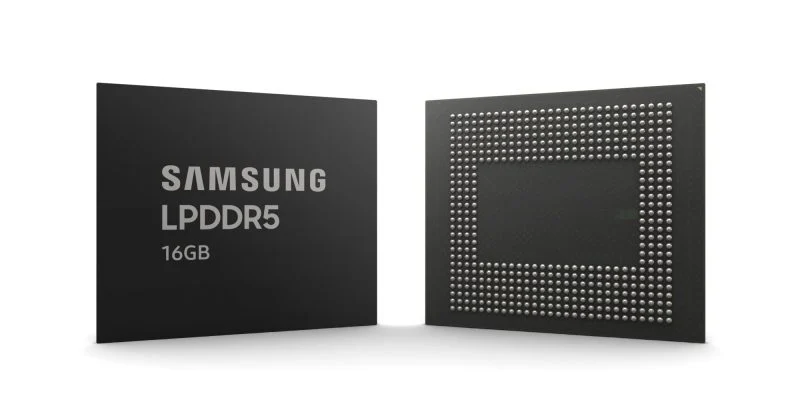
The three companies that collectively manufacture over 95% of the world’s DRAM chips have made a choice. They’re feeding the AI boom, and your next laptop, phone, or TV is picking up the tab.
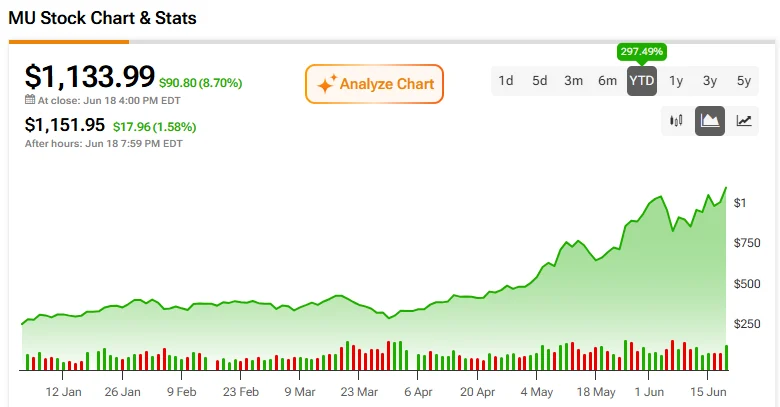
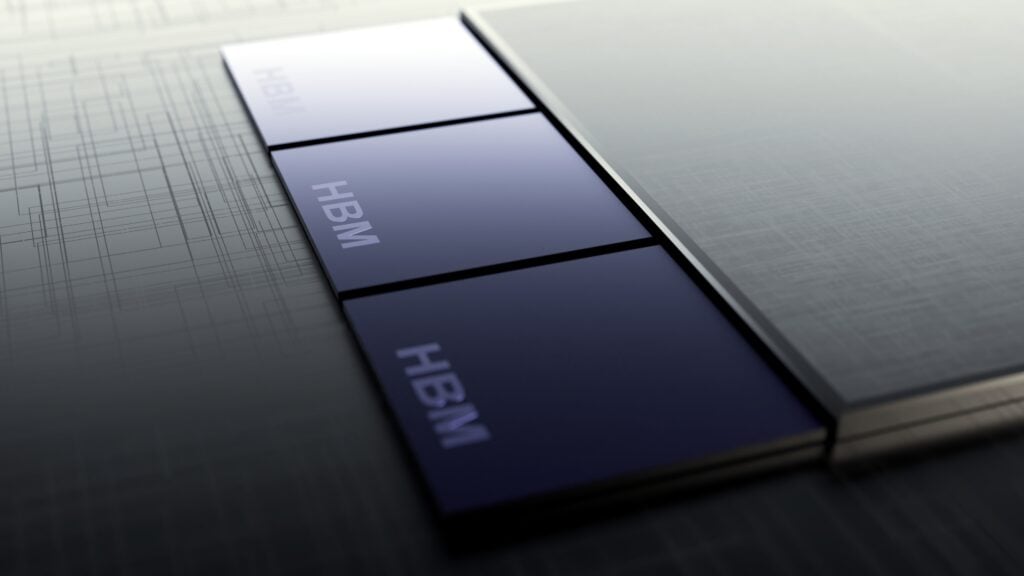
Samsung Electronics, SK Hynix, and Micron Technology have reallocated approximately 93% of their combined manufacturing capacity to high-bandwidth memory, the specialized chips that power AI accelerators like Nvidia’s GPUs. The factories that used to make the memory for your everyday gadgets are now cranking out premium silicon for data centers instead.
The economics of abandoning consumers
HBM chips generate an estimated 3 to 5 times more revenue per wafer than traditional DRAM. With the vast majority of production capacity now devoted to AI-grade memory, the supply of consumer-grade DRAM and NAND flash has cratered.
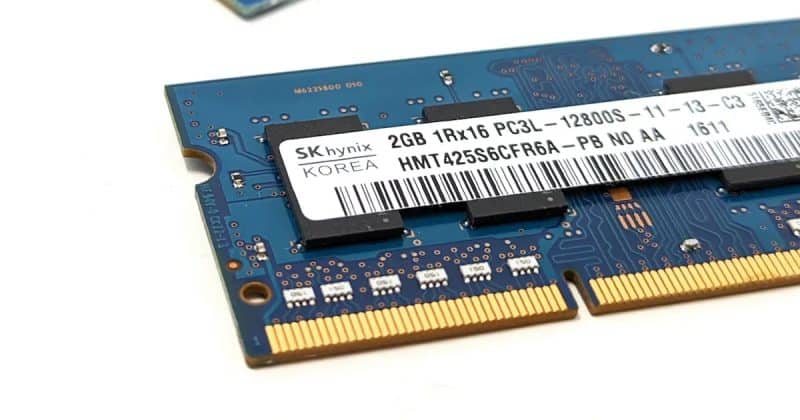
DRAM’s share of a television’s bill-of-materials costs has jumped from 2.5-3% to 6-7%. For products already operating on thin margins, it’s the kind of cost increase that gets passed directly to whoever’s holding the credit card at Best Buy.