A year ago, a mainstream PC memory kit cost about $75. Today, the same kit can sell for as much as $460. The easy explanation would be another chip shortage. But this time, the culprit isn’t a lack of factories or broken supply chains. It’s a business decision.
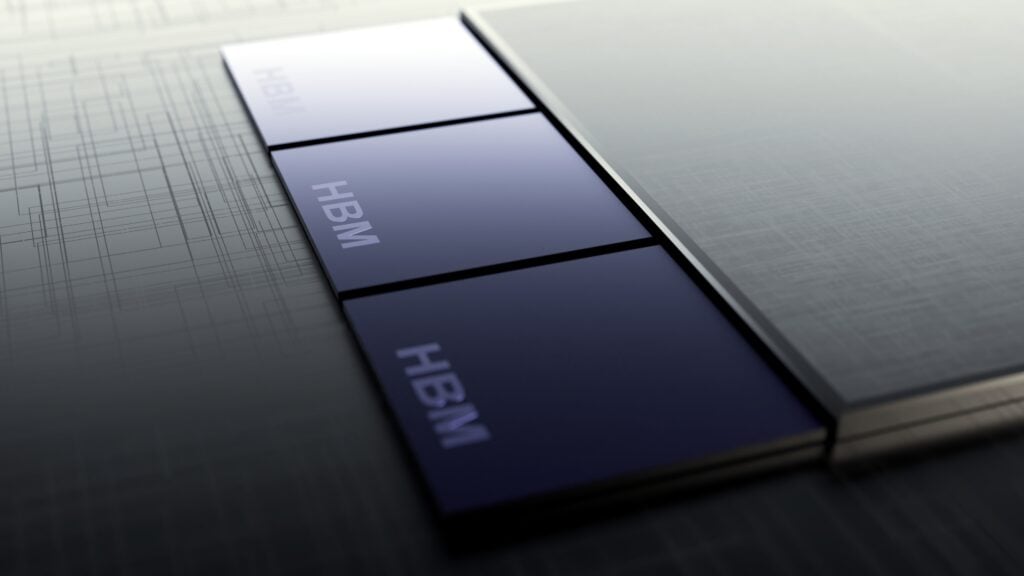
As artificial intelligence spending accelerates, Samsung Electronics Co., Ltd. (OTC:SSNLF), SK hynix Inc. (NASDAQ:SKHY) and Micron Technology, Inc. (NASDAQ:MU) are increasingly allocating manufacturing capacity to high-bandwidth memory (HBM)—the premium memory chips powering Nvidia Corp.‘s (NASDAQ:NVDA) AI accelerators and hyperscale data centers. Conventional DRAM for laptops, desktops, smartphones and other consumer devices is taking a back seat.
The result? AI customers get priority, while everyone else pays more.
AI Is Paying More—So It Gets The Wafers
Samsung, SK Hynix and Micron control the vast majority of the global DRAM market, giving the three companies enormous influence over where memory production goes.