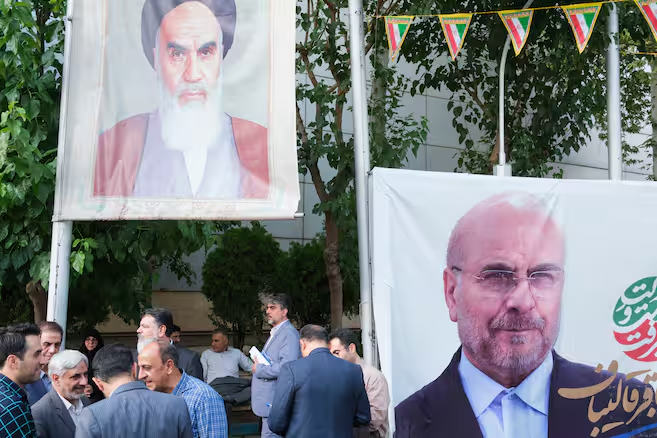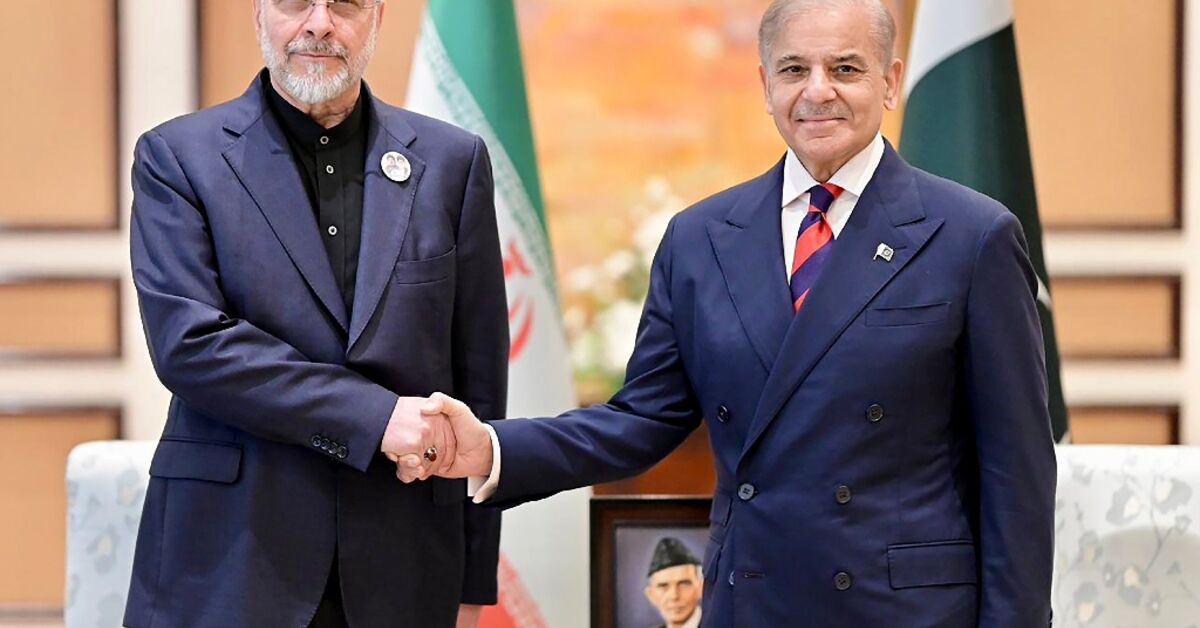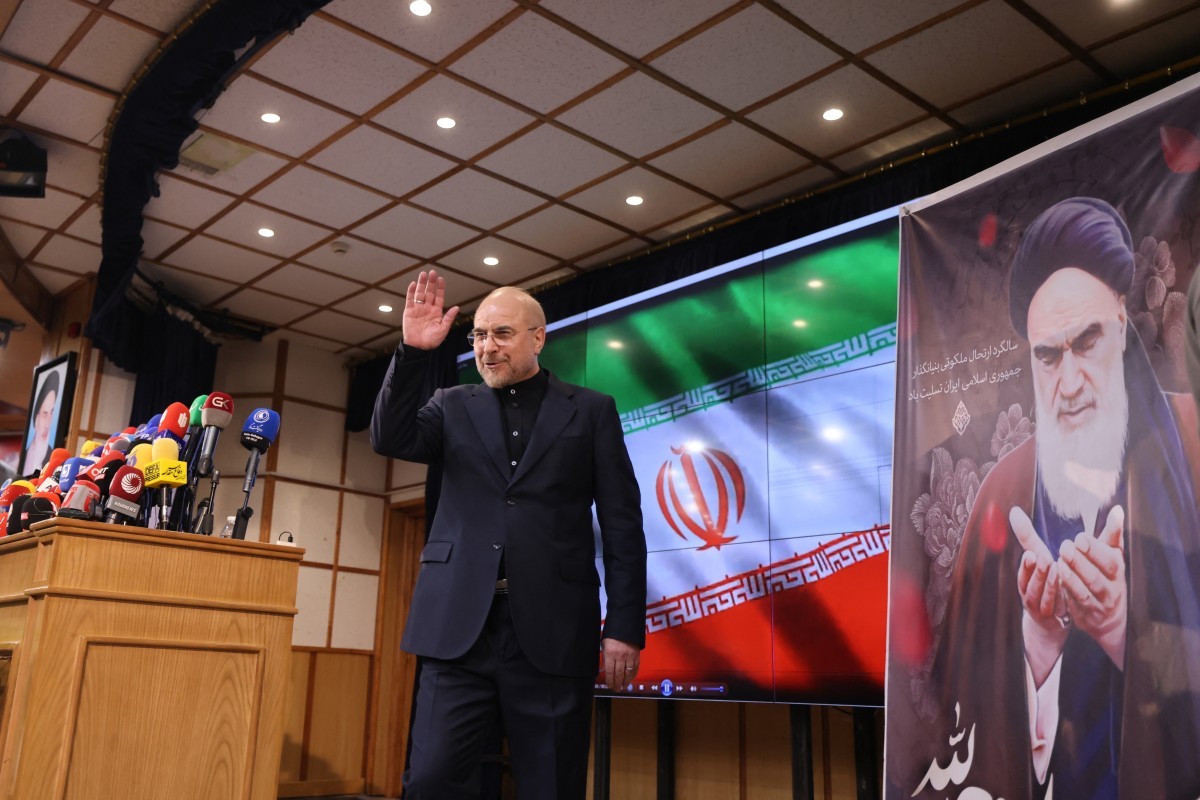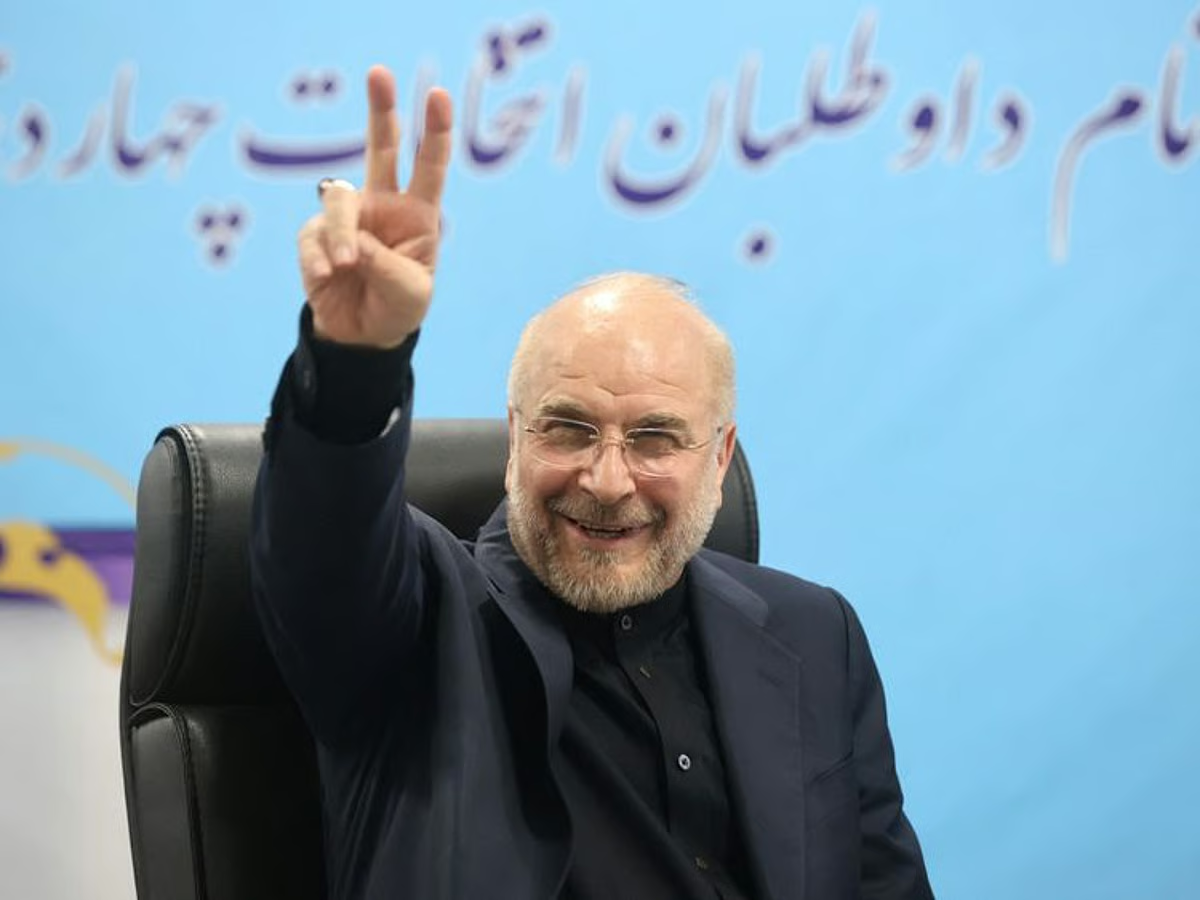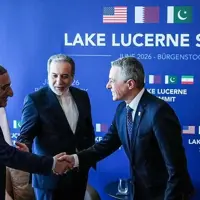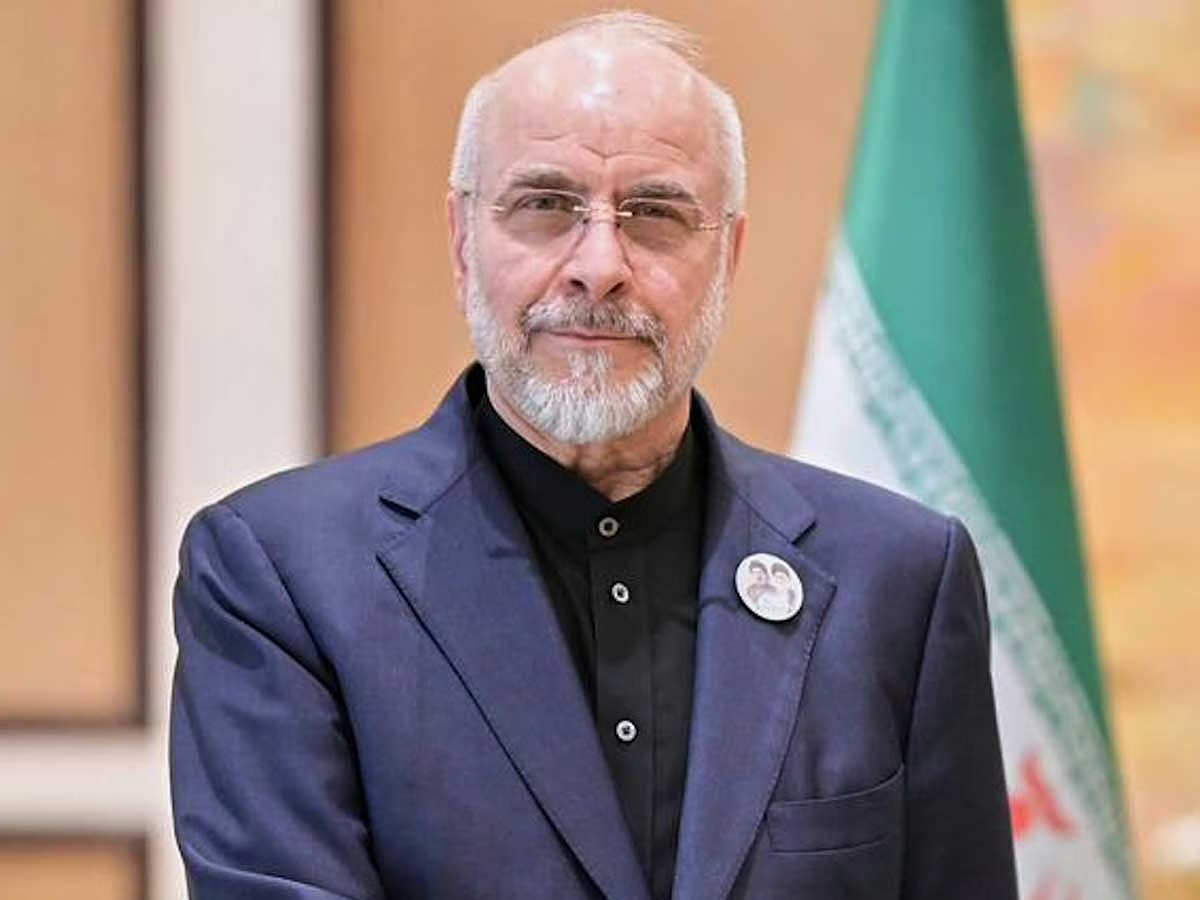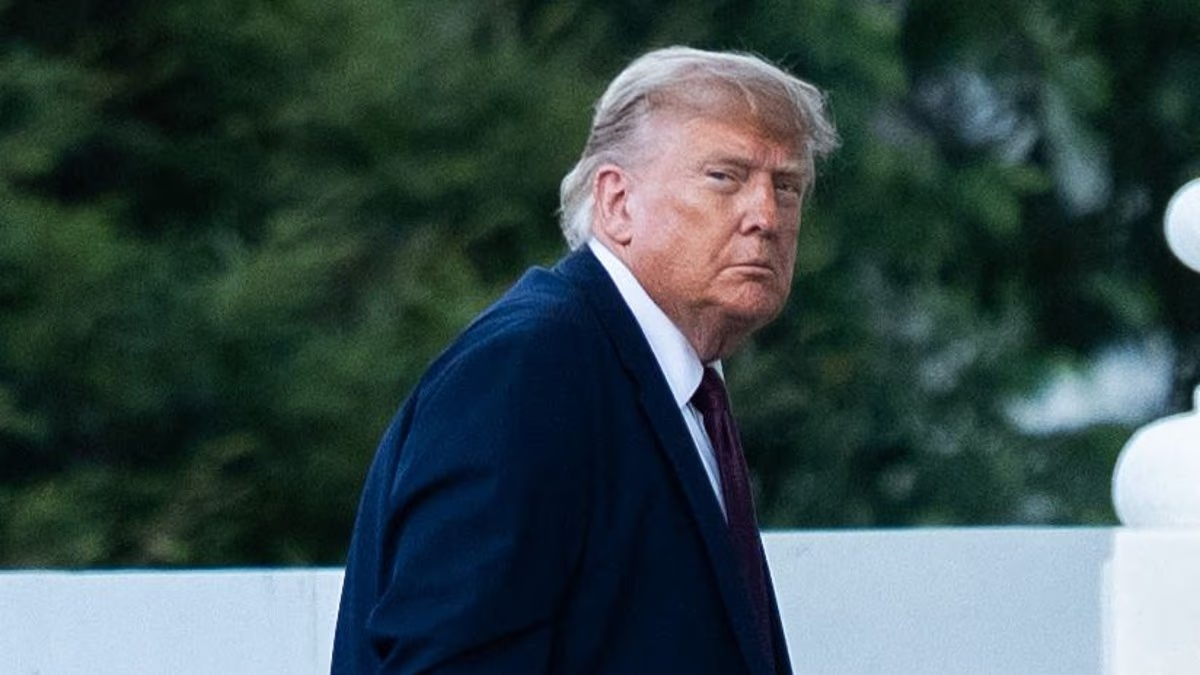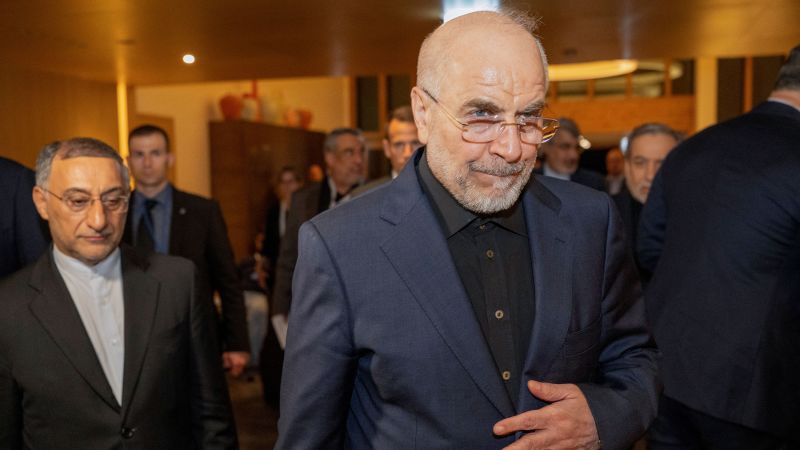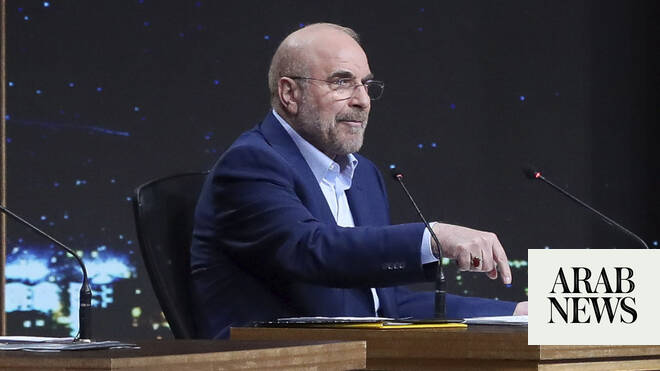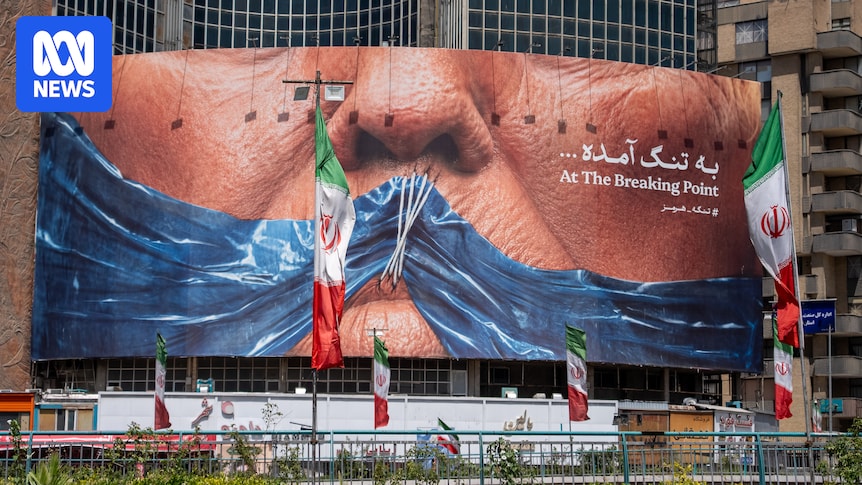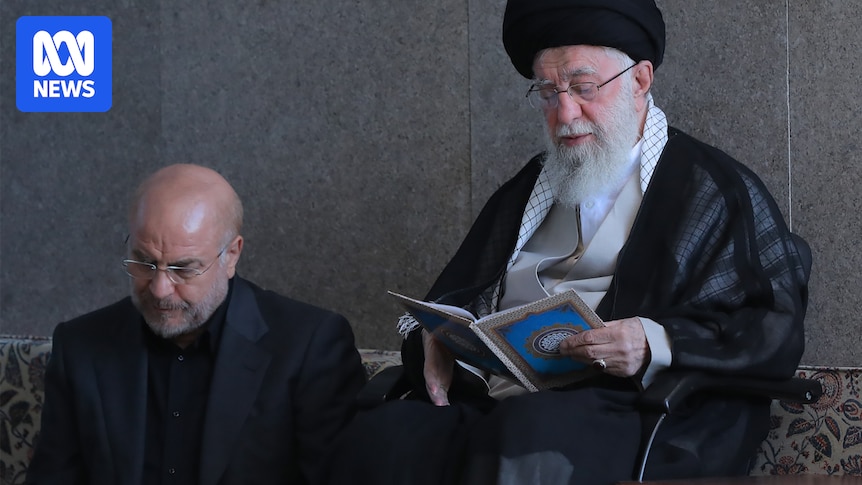
When Iran and the United States inked a deal on the war this week, one unlikely figure on the Iranian side emerged from the shadows of the negotiations and into the open.Mohammad Bagher Qalibaf, a former commander of Iran's powerful Islamic Revolutionary Guard Corps (IRGC) who now serves as parliamentary speaker, has been an outspoken critic of the US and Israel during their conflict with Iran.He's mocked US administration officials, claimed Tehran's enemies will not achieve their goals — and declared the June 14 deal, per the semiofficial Fars news agency, "a record of America's failure".And yet the "authoritarian technocrat", who is described by analysts as "pragmatic, managerial and opportunistic", has also been one of the chief negotiators for the Iranian side as it worked with the US and mediators to find a way to end more than 100 days of war.For months, Donald Trump has spoken of a "new group of leaders" in Iran who were seeking to make a deal with the United States, but not much was known about who they were and what they wanted."They have a new group of leaders and actually I think they're smarter," the US president said again this week."I think they're very smart. I think they are far less radicalised."It appears Mr Qalibaf was one of the men Mr Trump was referring to in his strange praise of the regime.The parliamentary speaker's status as a top negotiator is all the more striking given that up until a few months ago he was on a "kill list" as Israel systematically struck key officials and commanders in Tehran."The Israelis had their coordinates and wanted to take them [Qalibaf and Foreign Minister Abbas Araqchi] out, we told the US if they are also eliminated then there is no-one else to talk to, hence the US asked the Israelis to back off," a Pakistani source with knowledge of the discussions told news agency Reuters in March.But analysts have told the ABC that while the speaker is a figure the US can negotiate with, he has deep ties to Supreme Leader Mojtaba Khamenei, the broader Iranian regime and its security apparatus."Mohammad Bagher Qalibaf is one of the most significant regime figures left standing after the war," said Andreas Krieg, a senior lecturer at King's College London.And Dr Krieg said Mr Qalibaf's transformation from Israeli "target" to deal signatory has only strengthened his stature as "a regime stabiliser".Now, the "wannabe strongman" in Tehran will be among a core group looking to sell the "ceasefire" as a victory for Iran and a humiliation for its enemies.'Authoritarian technocrat' with deep links to the IRGCThe son of a shopkeeper, Mr Qalibaf was 18 years old when revolution gripped Iran, transforming the fates of millions of people.He joined the Basij militia, one of the branches of the IRGC, not long afterwards and fought in the country's bloody war with Iraq.Mohammad Bagher Qalibaf, who is a certified pilot, has deep ties to the IRGC. (Getty: Mohamad ESLAMI RAD/Gamma-Rapho)Mr Qalibaf rose quickly through the organisation's wartime command structure to become one of its youngest commanders.Along the way, he reportedly developed deep ties with Khamenei and other future leaders of the revolutionary guards, connections that later served him well on his climb to the top of Iran's political ladder.After serving in several key positions following the Iran-Iraq war, including as head of the IRGC air force, Mr Qalibaf was appointed by Khamenei as the national police chief in 2000.His selection arrived not long after a tense moment in Iran's regime as student protests broke out across Tehran.What had begun as demonstrations in response to the government's closure of a ground-breaking reformist newspaper, Salaam, and the parliament's approval of a regressive new media law, quickly grew into the most dramatic anti-regime upheaval in many years.When protests broke out again in 2003, Mr Qalibaf ordered the arrest of countless journalists, authors, and activists and reportedly directed authorities to use live gunfire against students."It is absolutely fair to describe him as closely associated with the IRGC," Dr Krieg said. "But he is not best understood as a purely ideological IRGC hardliner."He is more of a praetorian technocrat: authoritarian, deeply embedded in the security state, but also pragmatic, managerial and opportunistic."Having made a name for himself within the regime, Mr Qalibaf eyed his next role: the presidency.The rise of a 'strongman'In Iran, ultimate authority rests with the supreme leader, but the elected president is still the head of the government.And Mr Qalibaf, who had cut a path to power by crushing dissent in the country, wanted the top job.Qalibaf has run for the Iranian presidency four times but each time, he was unsuccessful. (Getty: Mohamad ESLAMI RAD/Gamma-Rapho)"Qalibaf is Iran's wannabe strongman," Sina Azodi, director of Middle East studies at George Washington University, told the Washington Post in March."A hardliner with a pragmatic streak."Starting in 2005, he has unsuccessfully run for the presidency four times. But that hasn't stopped Mr Qalibaf from trying to craft an image of himself as a bold leader.During the 12-day war with Israel in June last year, he reportedly moved around Tehran by motorcycle to evade detection.And in the most recent conflict, he has been outspoken on social media, taunting Iran's enemies in frequent posts.Dr Krieg said Mr Qalibaf's lengthy career, in which he also served as mayor of Tehran for 12 years, gave him a "rare combination of political, security, technocratic and economic networks"."His power comes from being acceptable to several constituencies at once," he said.IRGC veterans, parts of Iran's conservative political class and now the supreme leader's office under Mojtaba Khamenei were among them.It is perhaps for this reason that he became a target of Israel during the war."It captures the paradox of this war: Israel treated [him] as [a] strategic node in the regime, while the United States now treats [him] as [an] indispensable interlocutor," Dr Krieg said.Mr Qalibaf's status as a former Israeli target is now "useful propaganda" for Tehran, he explained, because the regime can say America has to negotiate with someone Israeli wanted dead.Speaker of the Parliament of Iran Mohammad Bagher Qalibaf attends the opening ceremony of Iran's 12th parliament in Tehran, Iran, on May 27, 2024.
Trump makes peace with Iran's regime and the men Israel once set out to kill
When Iran and the United States inked a deal on the war this week, one unlikely figure on the Iranian side emerged from the shadows of the negotiations and into the open.
TL;DRAI
Trump reaches Iran cease-fire June 14; Mohammad Bagher Qalibaf, ex-IRGC commander and parliament speaker, becomes lead negotiator. IT leaders benefit: reduced geopolitical risk on semiconductors, supply chains, and international technology governance.
2,165 words~10 min read