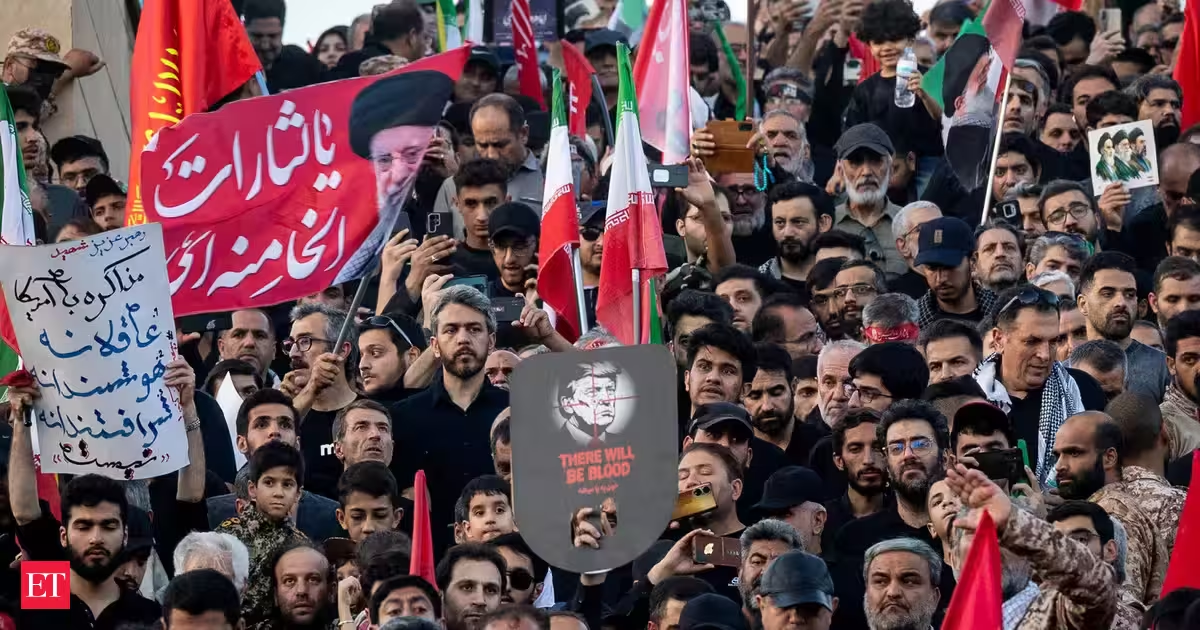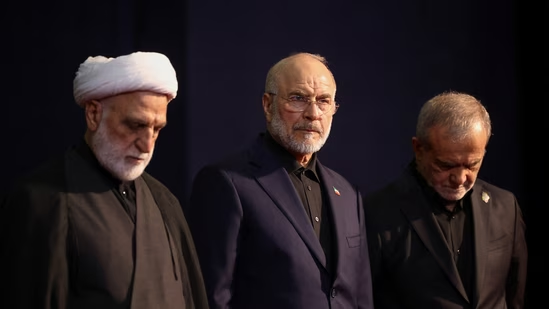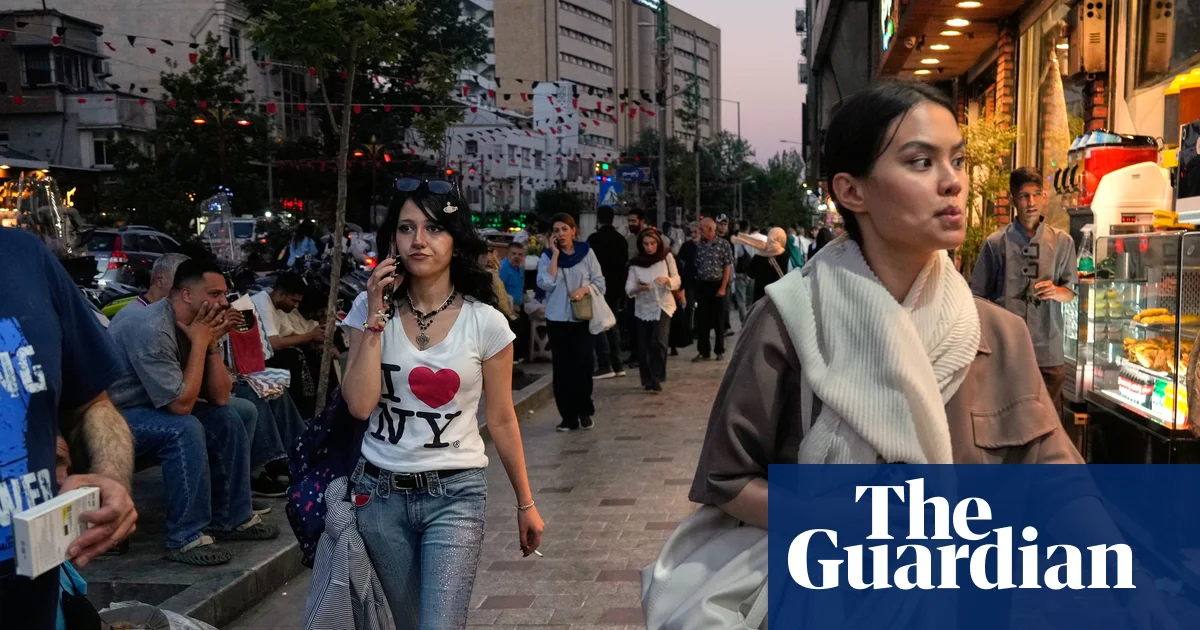
The Islamic Republic is dead in the heart of every Iranian whose personal and factional interests would not be blown away by its collapse. Even assuming this regime is a skilled negotiator that has achieved a good memorandum of understanding, it remains dead in the hearts of the people. This death is far too profound for the likes of Ghalibaf, Araqchi, and Pezeshkian to be able to breathe life back into it by signing an agreement. The intent here is not to negate the contents of the memorandum, but rather to highlight the track record of a government from which a vast population of the country has turned away, even if they still show up and work in administrative, service, production, and commercial sectors, seemingly forgetting the distant past, the 1980s and the recent past of January.
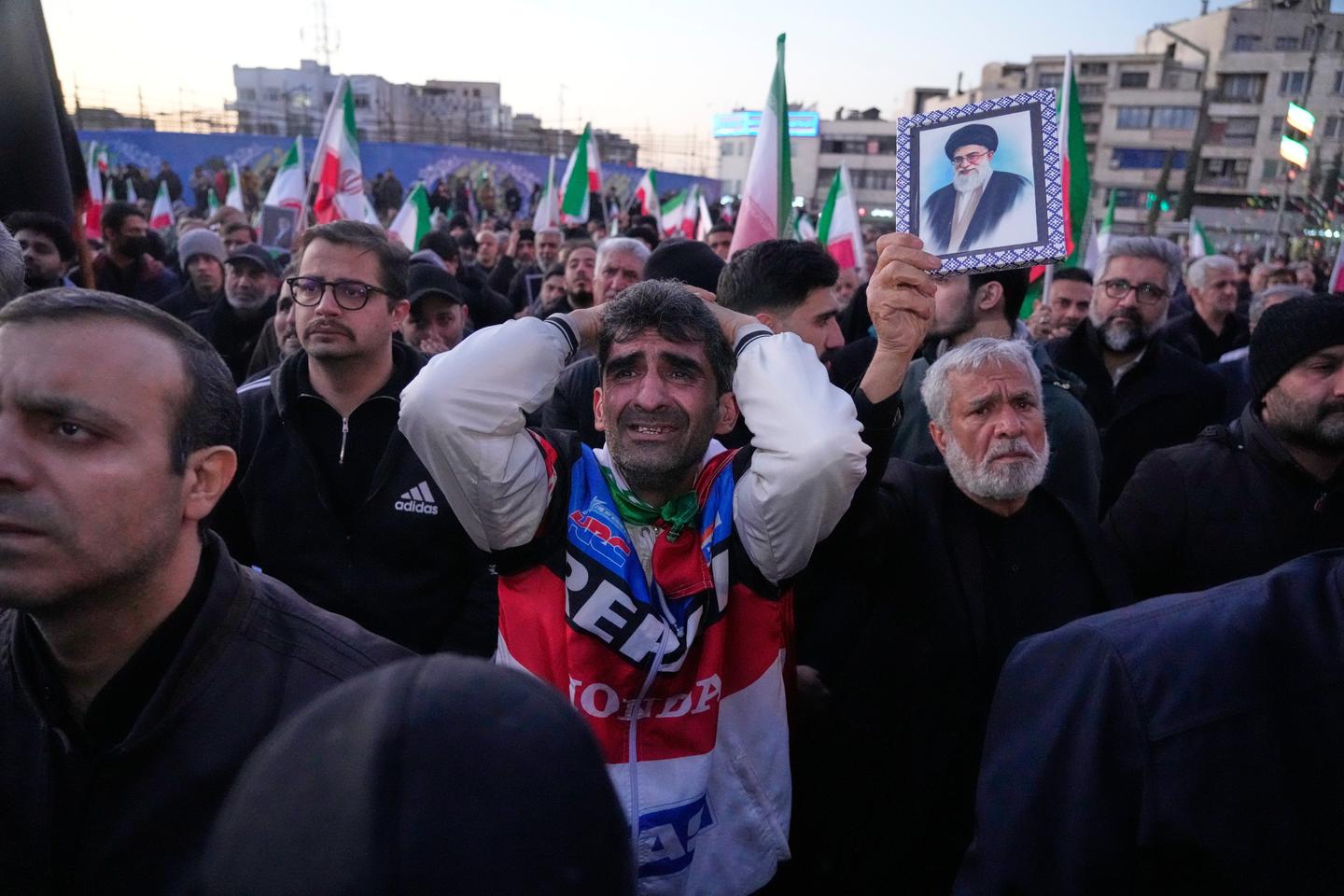
Regrettably, the United States brought military strikes right to the edge of a massacre. As a result, thousands upon thousands of mourners, under the weight of bombardment and “war-centric” repression, were unable to continue their mourning and demands for justice over the graves of their loved ones with hysterical dancing, singing, wailing, and self-inflicted grief, and thus went unseen. What a pity. In common parlance these days, the high level of resilience among Iranians is constantly emphasized. The signs, however, tell a completely different story.