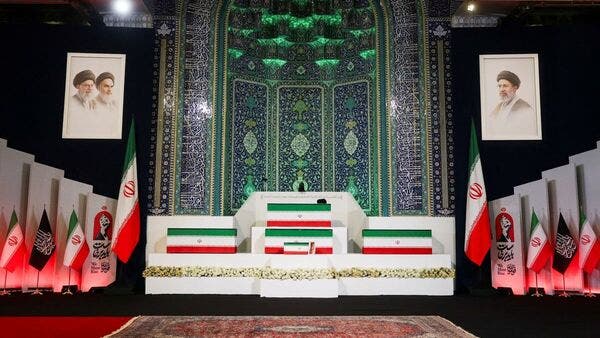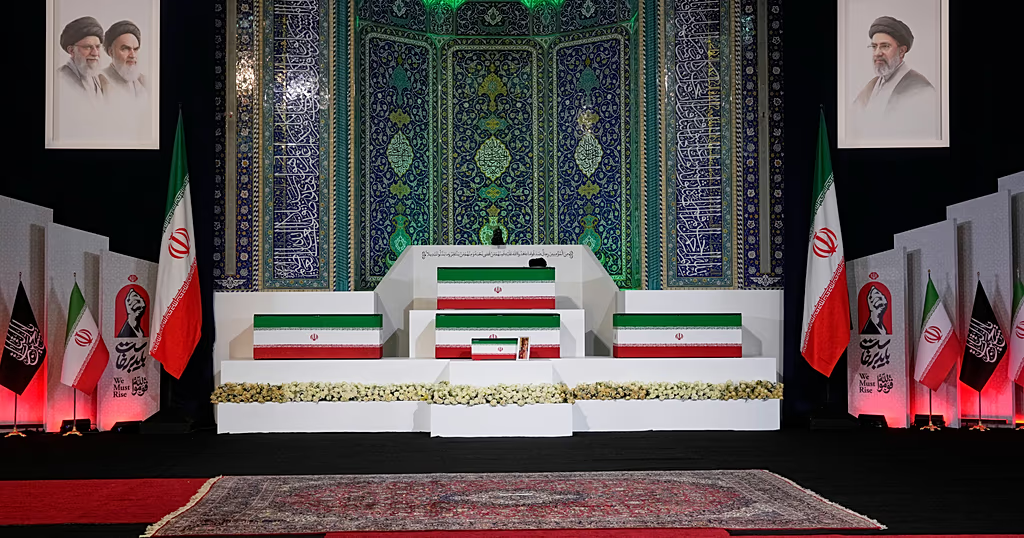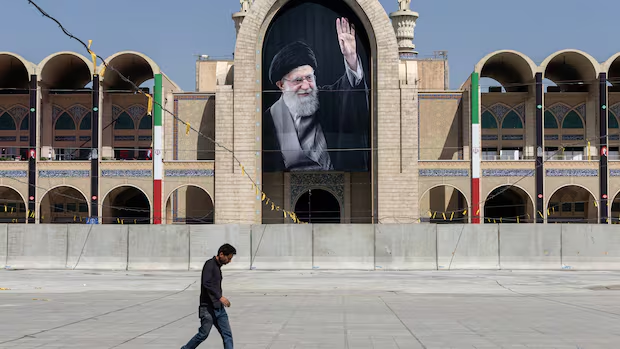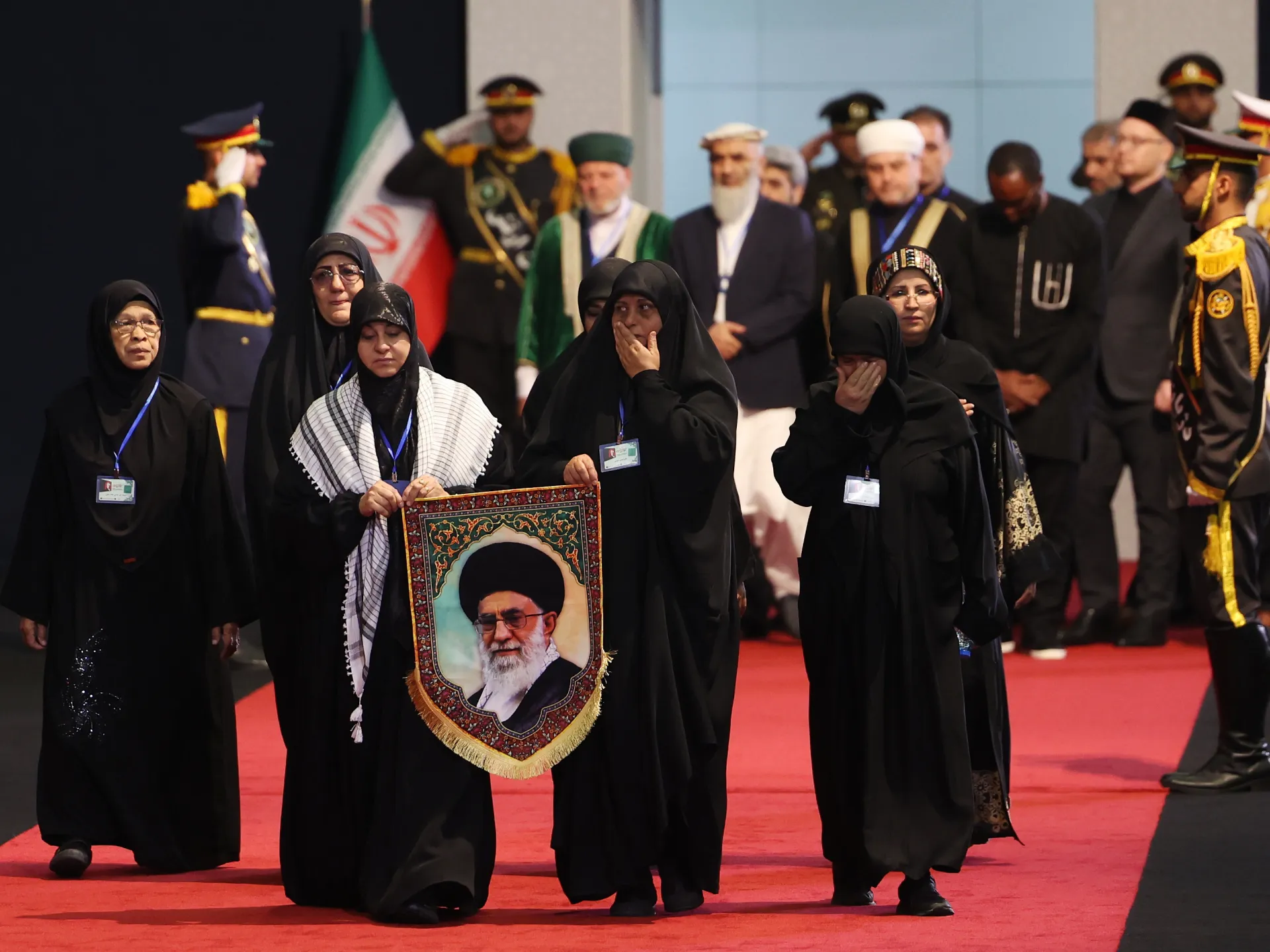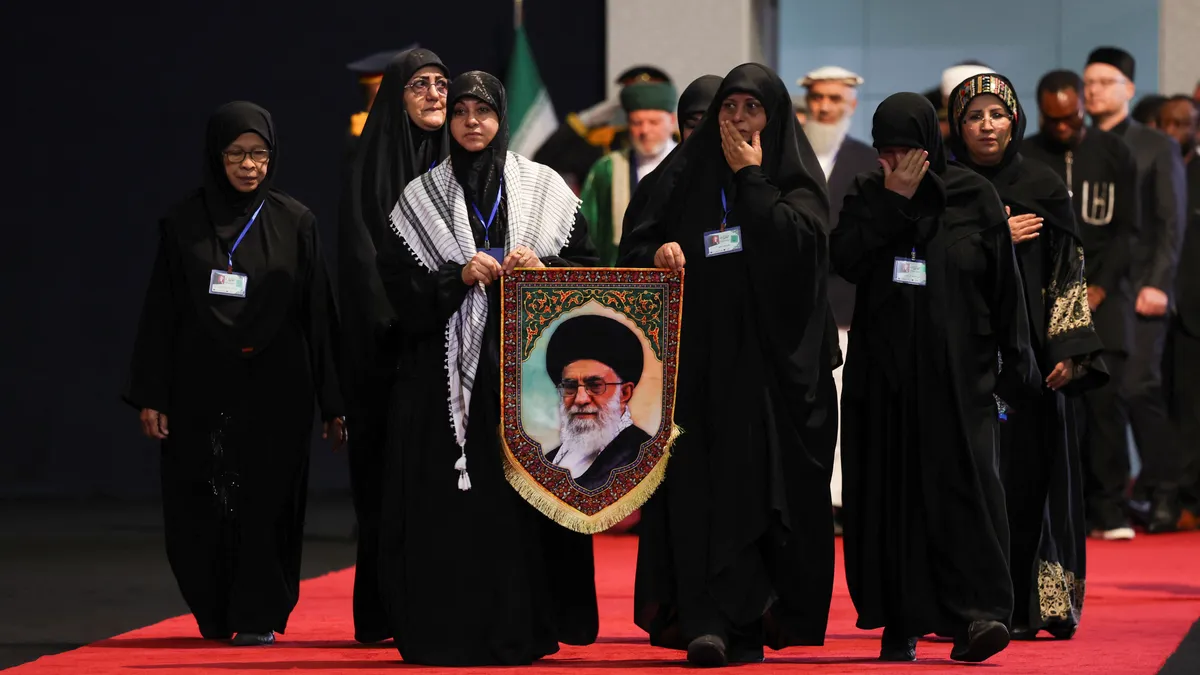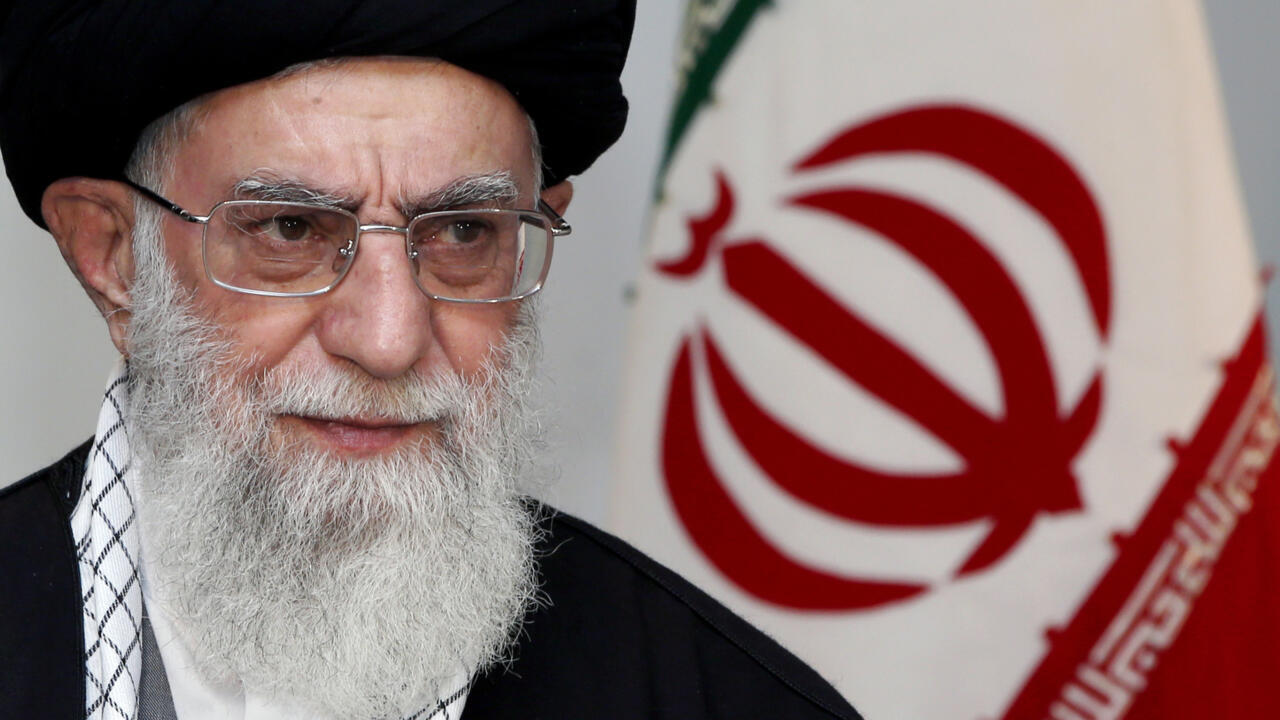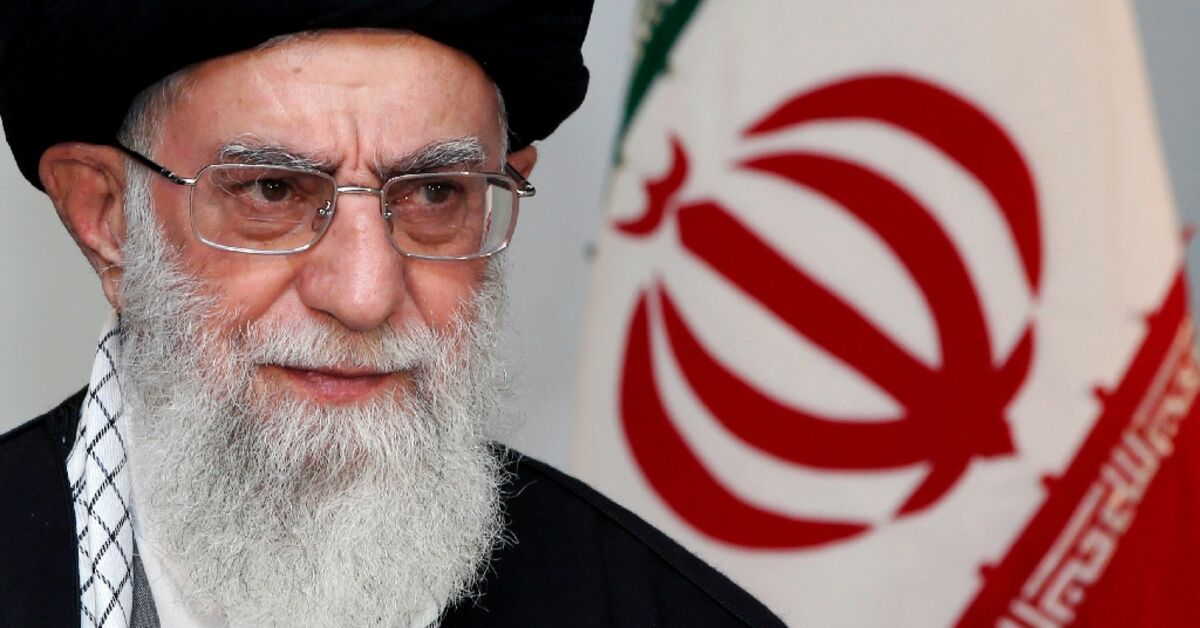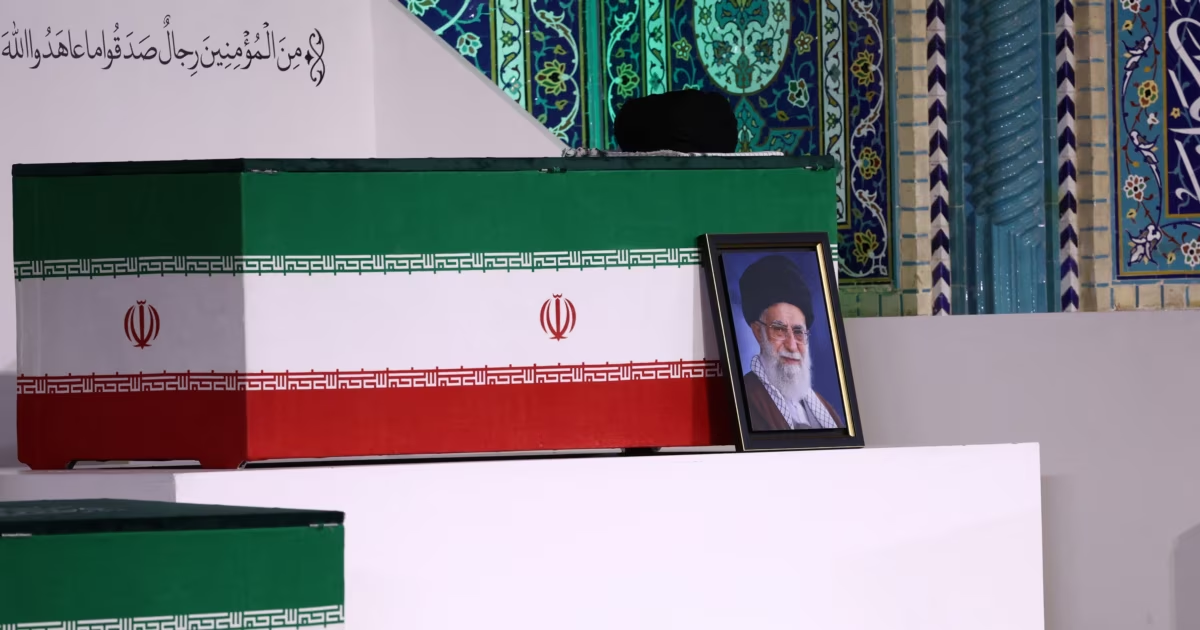
The body of Iran's late supreme leader, Ayatollah Ali Khamenei, was laid in state in Tehran on July 3 as authorities began a week of funeral processions for the slain cleric amid mixed reactions among Iranians over a man whose more than three decades in power was marked by oppression and the death of tens of thousands of Iranians through crackdowns and executions.Foreign dignitaries began arriving in the capital early in the day ahead of official mourning ceremonies set for July 4 for Khamenei, who was killed at the age of 86 in US and Israeli air strikes on February 28.It is unclear whether Mojtaba Khamenei -- who was appointed to replace his father but has not appeared in public since his parent's death -- will attend the ceremonies."This goes beyond an ordinary funeral procession," Babak Dorbeiki, a UK-based political analyst, told RFE/RL's Radio Farda."It serves a full political function, a legitimizing function, and it's meant to reinforce their own propaganda."
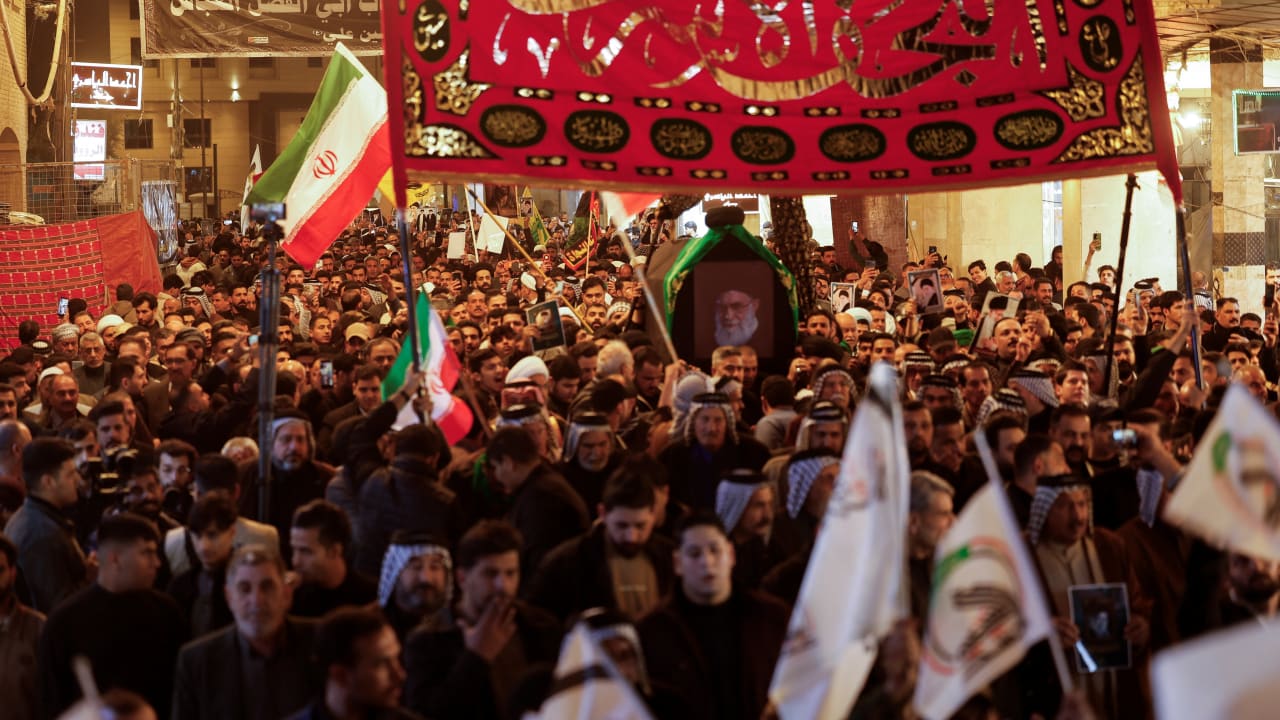
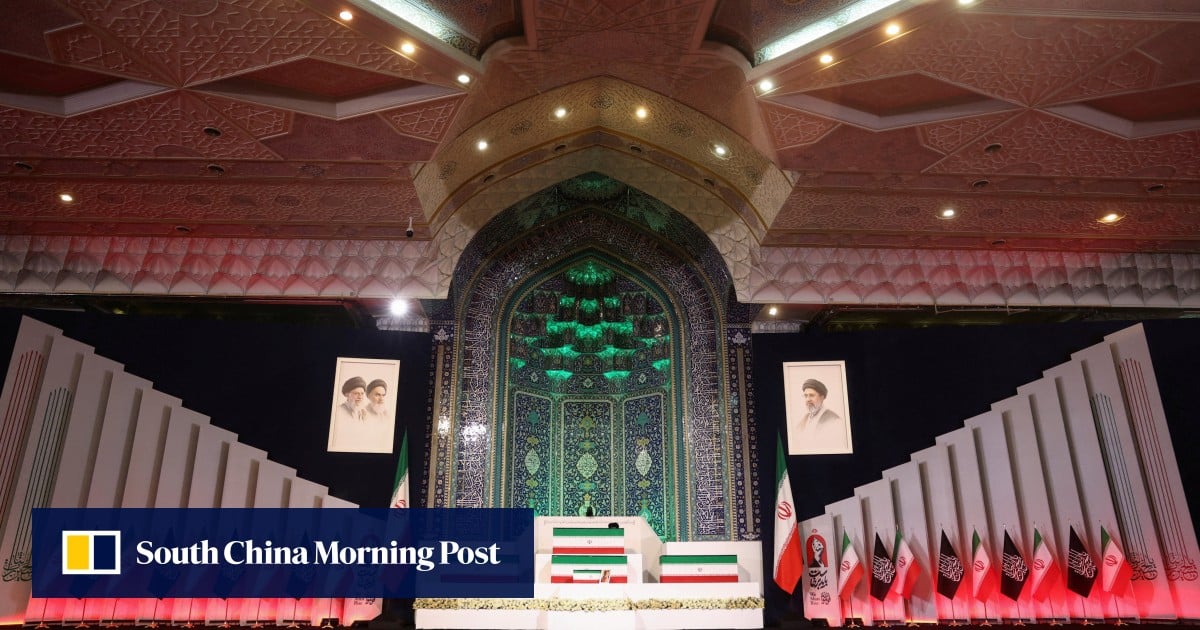
During Ali Khamenei's rule, the Islamic republic pursued a policy centered on confrontation with the United States and the West while supporting its regional proxy groups. That policy repeatedly heightened tensions with the United States, other Western countries, and some of Iran's neighbors.Khamenei's coffin, along with those of several other family members killed in the attacks, lay on July 3 in the Grand Mosalla prayer grounds built to honor his predecessor, Ayatollah Ruhollah Khomeini.Amid reports that authorities are pressuring Iranians to take part in the funeral ceremonies, millions are expected to attend services that will be held in the processions as his body moves from Tehran to Qom, Najaf and Kerbala, the Shi'ite centers in Iran and Iraq.Khamenei's body will be laid to rest on July 9 in his native Mashhad, home to the country's holiest pilgrim shrine.Khamenei's rule was marked by repression, intimidation, arrests, and tight political and social restrictions, prompting some Iranians to welcome the final chapter in his reign.One man who said his child died in a state crackdown told RFE/RL's Radio Farda that when he heard of the supreme leader's death, he felt that "justice had prevailed over oppression.""It brought comfort to the wounds my heart carried for years. It was as if a light of hope for a future free from fear and repression had been kindled within me," he said.