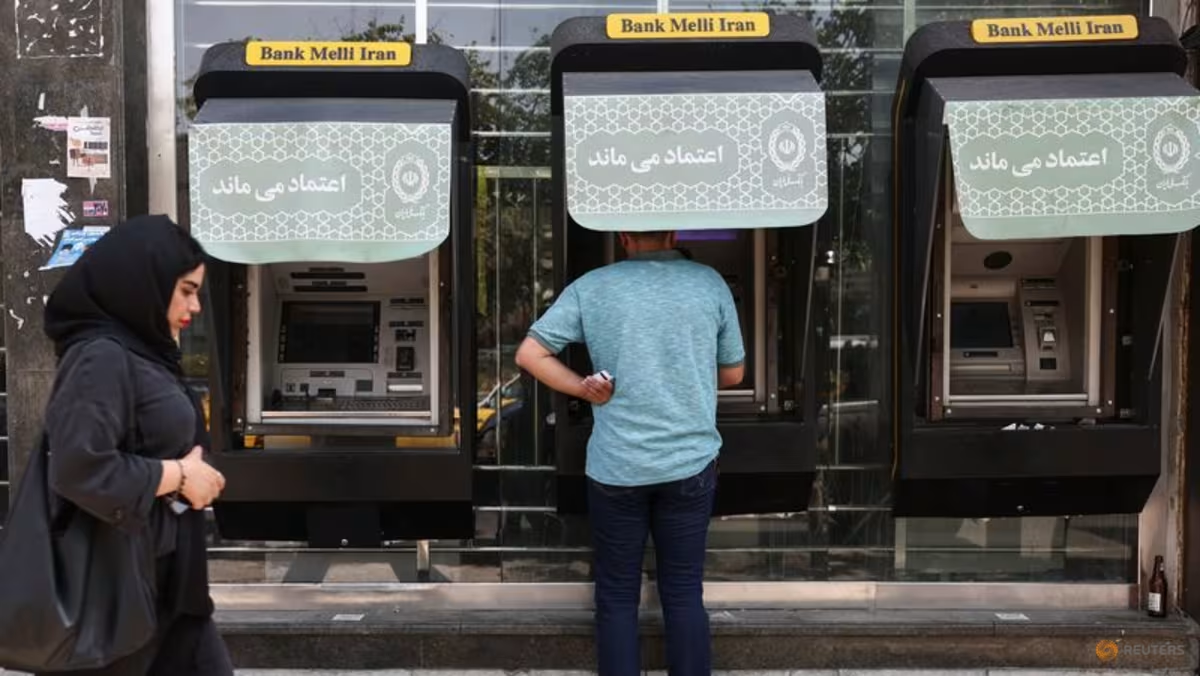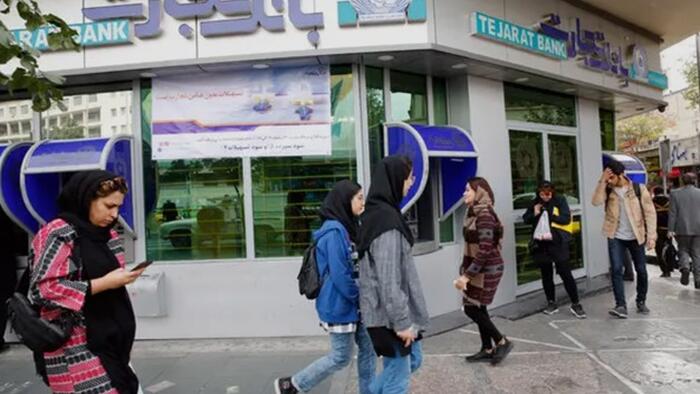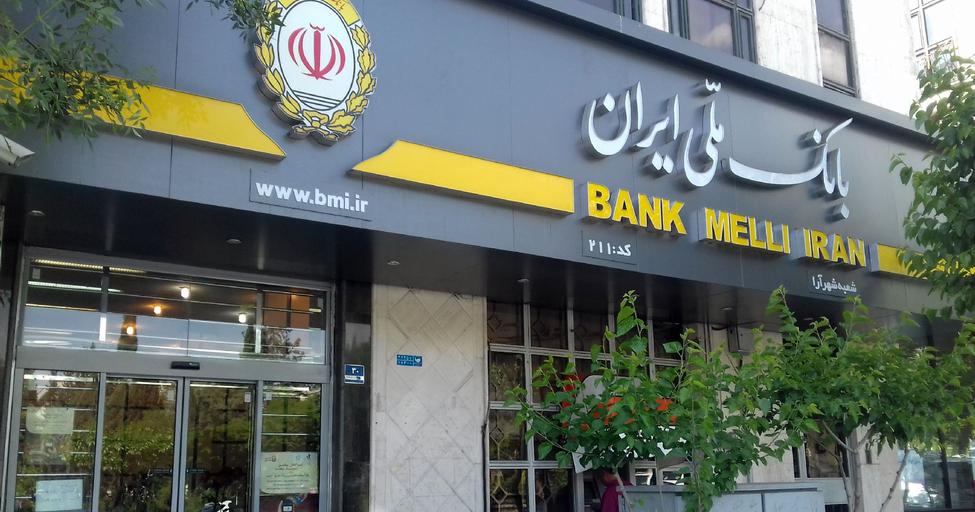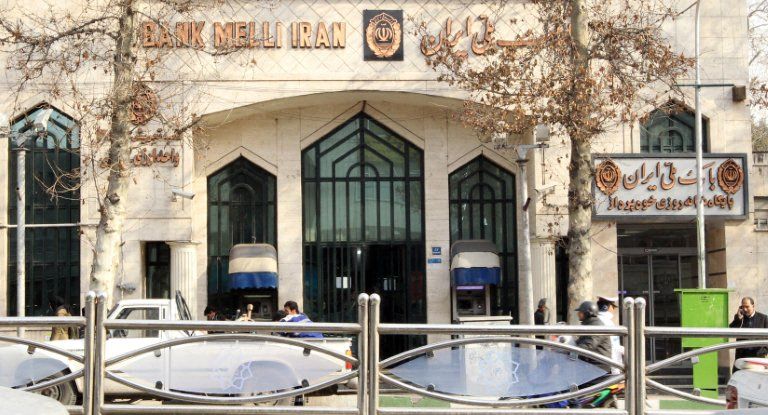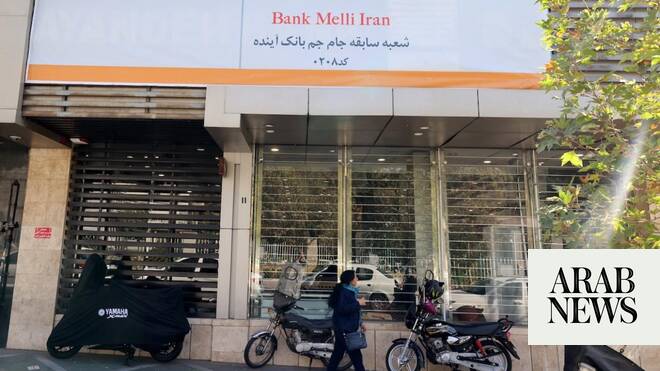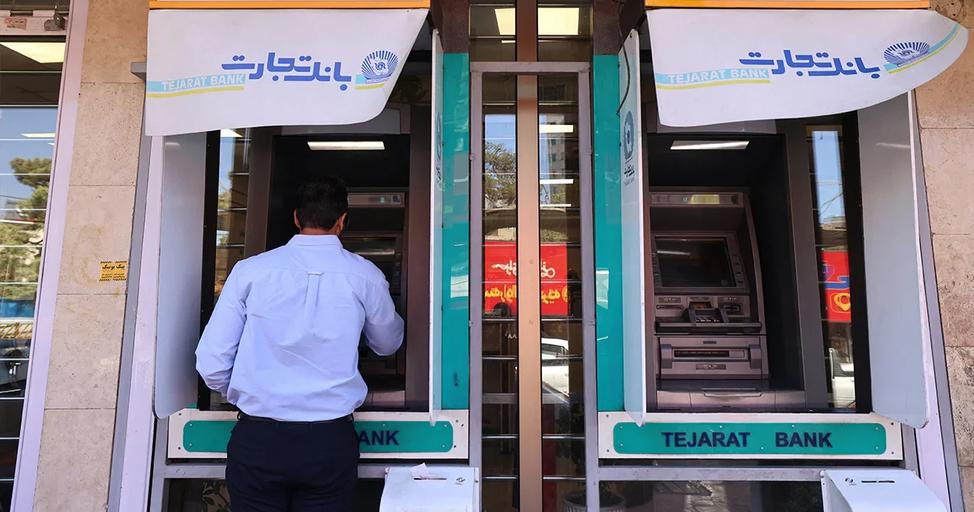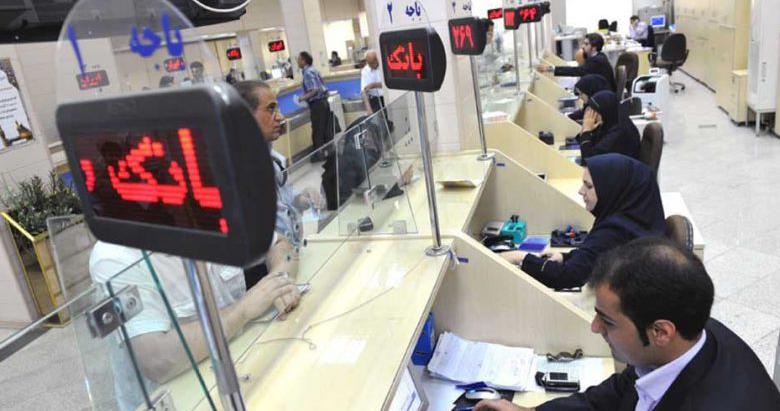
The widespread disruption in banking services on Saturday, June 13, affecting four major banks - Bank Melli, Bank Tejarat, Bank Saderat, and the Export Development Bank of Iran (EDBI) - was caused by a “limited cyberattack on the shared communication infrastructure” of these institutions.
According to banking authorities, the attack caused simultaneous outages across key services, including point-of-sale (POS) terminals, ATMs, internet banking, and mobile banking applications. The scale of the issue across multiple major banks indicates that a shared point within the country’s banking infrastructure was targeted.
Official authorities announced that the attack aimed to disrupt service availability, resulting in temporary interruptions to certain transaction-processing systems and interbank communication routes. However, they emphasized that there has been no evidence of unauthorized access to customer information or data deletion so far.
According to experts, when a shared layer within a banking network is disrupted, the impact can manifest simultaneously across multiple banks and affect a wide range of financial services. This pattern was observed in the recent incident, which impacted ordinary users as well as merchants and businesses reliant on electronic payments.