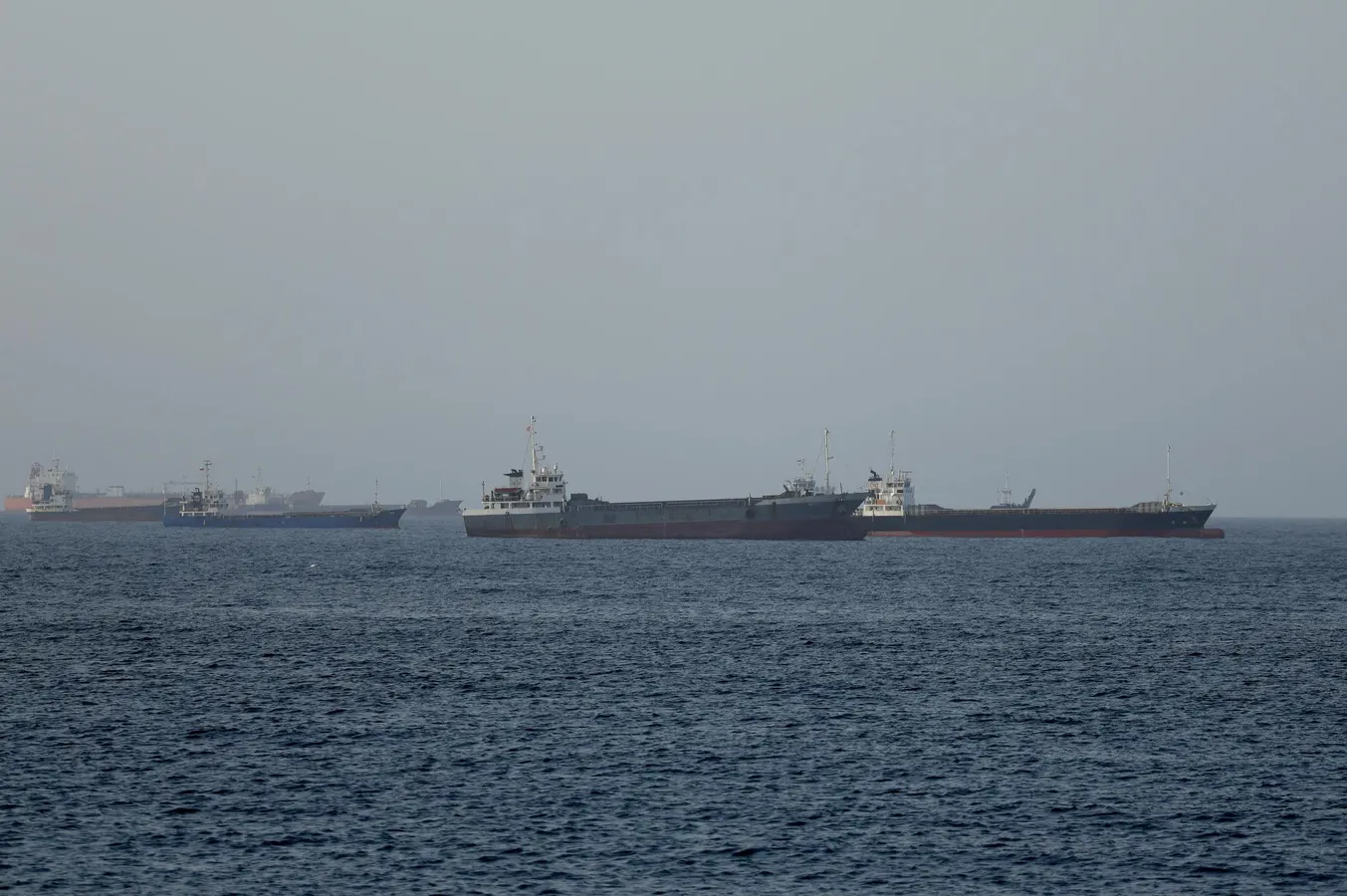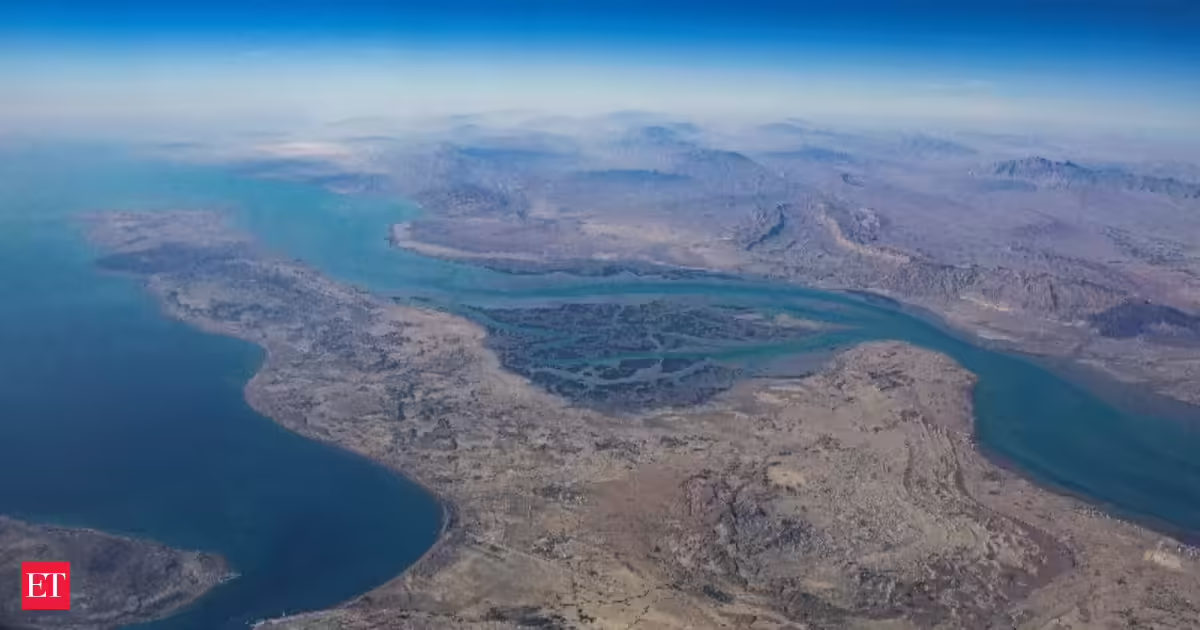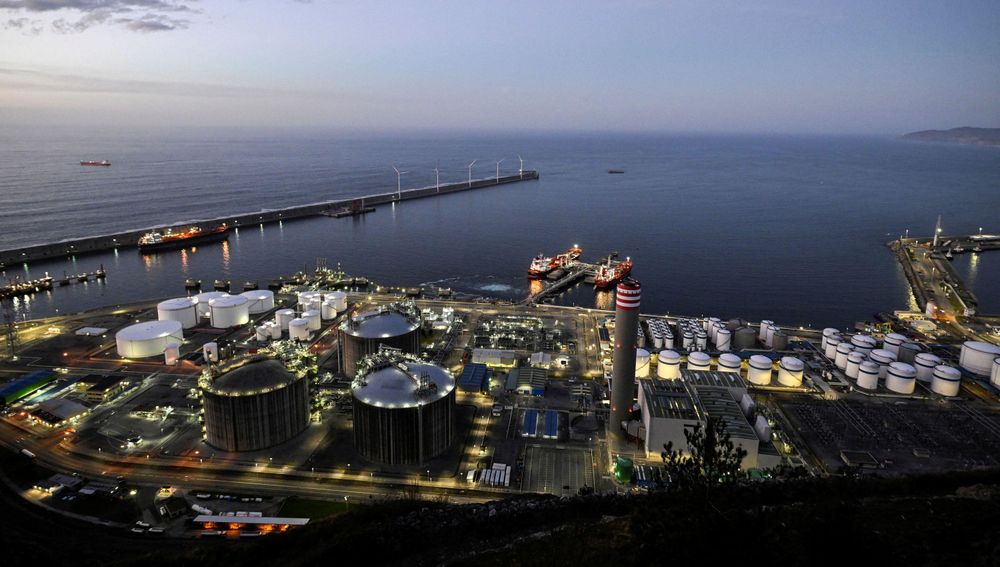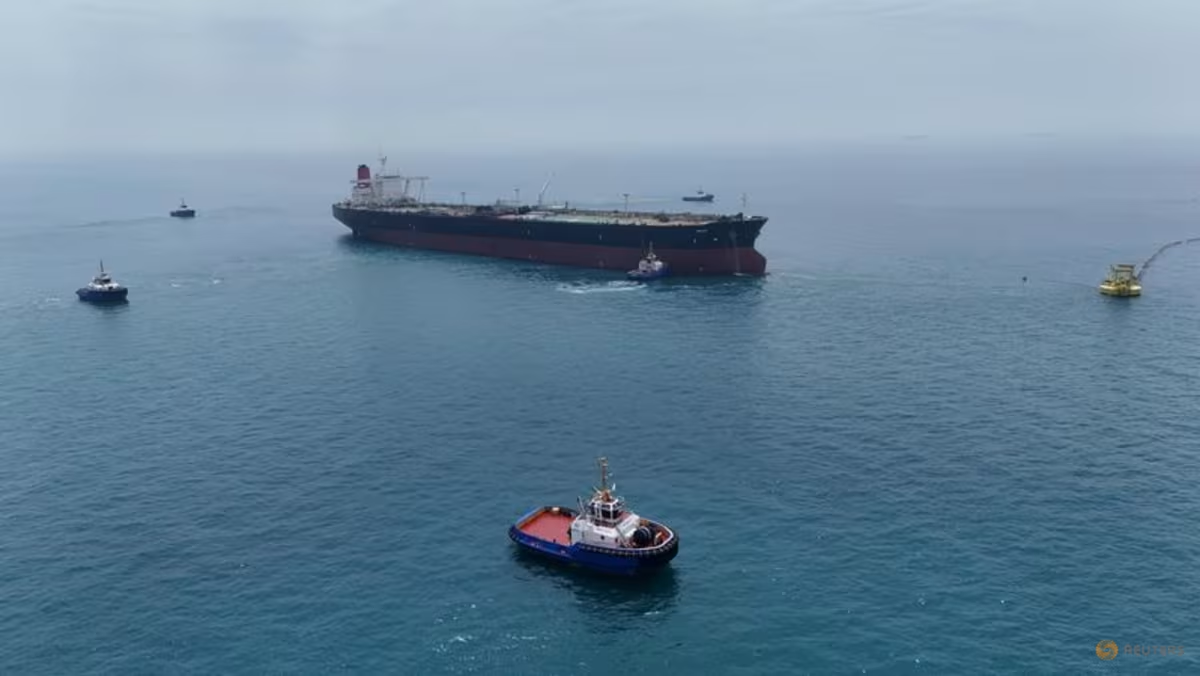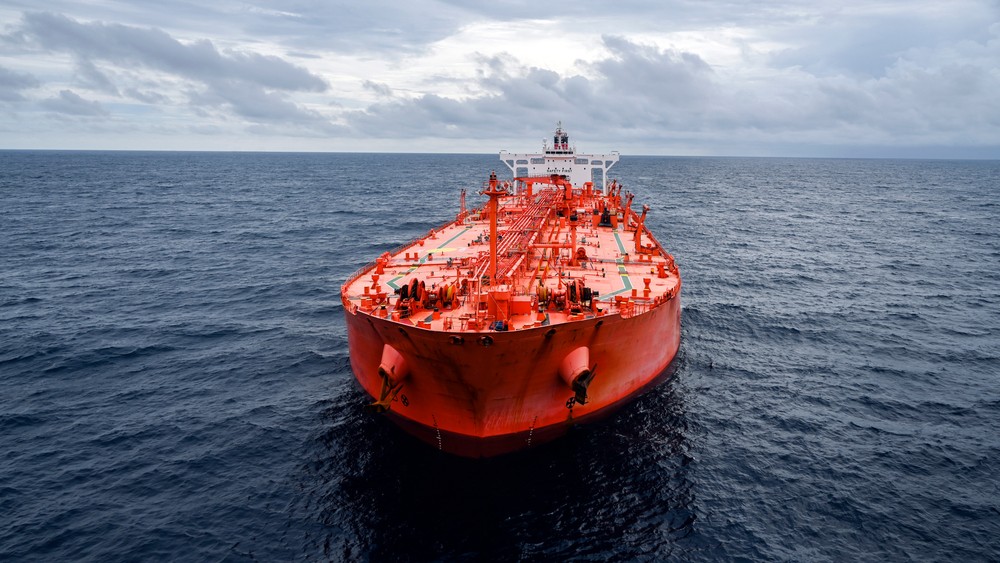
Oil prices tumble as markets bet on a Hormuz reopening despite slow tanker movements following the U.S.-Iran ceasefire. Friday, June 19, 2026 The signing of the US-Iran ceasefire agreement might provide a 60-day evacuation window for all crude tankers stuck since March in the Gulf; however, up until now, the pace of outflows has been surprisingly low. With the Israel-Lebanon issue hanging by a thread, Iran has tried to reassert its authority over Hormuz in the first days since Trump’s signing of the MoU, yet the oil markets still anticipate the much-sought reopening to happen sooner or later. ICE Brent is set to close this week with a $8 per barrel week-on-week loss, falling to $80 per barrel.OPEC Sees Infinite Oil Demand Growth. OPEC has published its 2026 edition of the World Oil Outlook, boosting its expectations of crude demand growth, expecting an incremental 8 million b/d of growth between now and 2030, with peak consumption to be reached by 2050 around 124 million b/d. Tehran Eyes Reassertion of Control over Hormuz. Tehran has announced that ships crossing the Strait of Hormuz still need the permission of the Persian Gulf Strait Authority to pass the key waterway, potentially setting the stage for future tolling agreements should the current 60-day ceasefire lapse.White House Lets Russia Waiver Lapse. The White House has allowed its waiver of Russian oil sanctions to expire on June 17 after President Trump suggested the US-Iran ceasefire agreement will boost global crude supply, ratcheting pressure on Moscow as its oil exports soared to 6 million b/d in May.Iran Crude Starts Flowing Again. Iran’s crude exports have resumed after three tankers with an aggregate capacity of 5 million barrels have transited the Gulf of Oman this week, marking the end of the US’ two-month blockade of Tehran’s oil flows and paving the way for a recovery of Gulf exports. Norway’s Oil Giant Gives Up on Power. Norway’s state oil company Equinor (NYSE:EQNR) has officially shelved its 2030 renewables target, telling investors at its New York capital markets day that it would allocate 90% of capital expenditures to oil and gas projects, up from a 50% pledge a year ago.Brazil Eyes End to Fuel Subsidies. The government of Brazil will end fuel subsidies for diesel and gasoline if crude oil prices stabilize for at least a month around the $80 per barrel mark, as per the country’s Finance Ministry, with the monthly cost of subsidies estimate to come in at around $600 million.Pakistan Doubles Down on Coal Use. Pakistan’s average coal generation soared to an all-time high of 4.28 GW in May, spearheaded by higher coal imports as the country’s usual LNG deliveries from Qatar was disrupted by the closure of the Strait of Hormuz just as temperatures started to reach 45-50° C. Kuwait Lifts Force Majeure on Operations. Kuwait, one of the Middle East’s most impacted countries that saw its production drop from 2.6 million b/d in February to 580,000 b/d last month, has lifted all previously issued force majeure measures on its upstream operations, seeking to restore output.China to Import More Coal on Mine Disruptions. Chinese imports of coking coal are set to increase in 2026 after more than 150 mines remain shut in the northern province of Shanxi, the largest coal producer nationally, with buyers turning to Canada and Australia to compensate for missing volumes.Iraq Starts to Ramp Up Production. Oil production in southern Iraq, the region most impacted by the closure of the Strait of Hormuz, is showing signs of quick recovery after the state-owned Basra Oil Corp. stated that it is now pumping around 1.5 million b/d, up from some 900,000 b/d a month ago.Iron Giant Slides on Cost Overruns. Shares of the world’s largest iron ore miner BHP (NYSE:BHP) plunged by more than 5% this Friday after the Australian giant flagged cost overruns and a $2.3 billion charge at its Jansen potash project in Canada, the third time it exceeded cost estimates for the project.Saudi NOC Is on the Lookout for Storage. Saudi national oil firm Saudi Aramco (TADAWUL:2222) is actively seeking to develop more international crude oil storage facilities on the heels of the ongoing US-Iran conflict, currently operating several tank farms in South Korea, Japan and Egypt. Ukraine Drones Strike Moscow Refinery. Ukraine carried out its second drone strike on Russia’s Moscow refinery in a matter of days, with the 240,000 b/d immediately suspending sales of oil products at Russia’s Spimex exchange, fuelling concerns of exacerbating gasoline shortages in the country.Ceasefire or Not, Iraq Wants to Divert from Hormuz. The government of Iraq is targeting 50,000 b/d of crude exports through the territory of Syria from July, building on the success of recently launched fuel oil and naphtha diversions, with Baghdad eyeing these flows even in case the US-Iran ceasefire holds.By Tom Kool for Oilprice.comMore Top Reads From Oilprice.comGermany Considers Extending Oil Reserve Relief Despite Falling PricesIEA Sees Massive Oil Surplus In 2027 As Middle East Supply ReturnsFalling Murban and Dubai Prices Open Arbitrage to U.S. and Europe
Why Oil Prices Are Falling Even as Tankers Remain Trapped | OilPrice.com
Oil prices tumble as markets bet on a Hormuz reopening despite slow tanker movements following the U.S.-Iran ceasefire.
836 words~4 min read