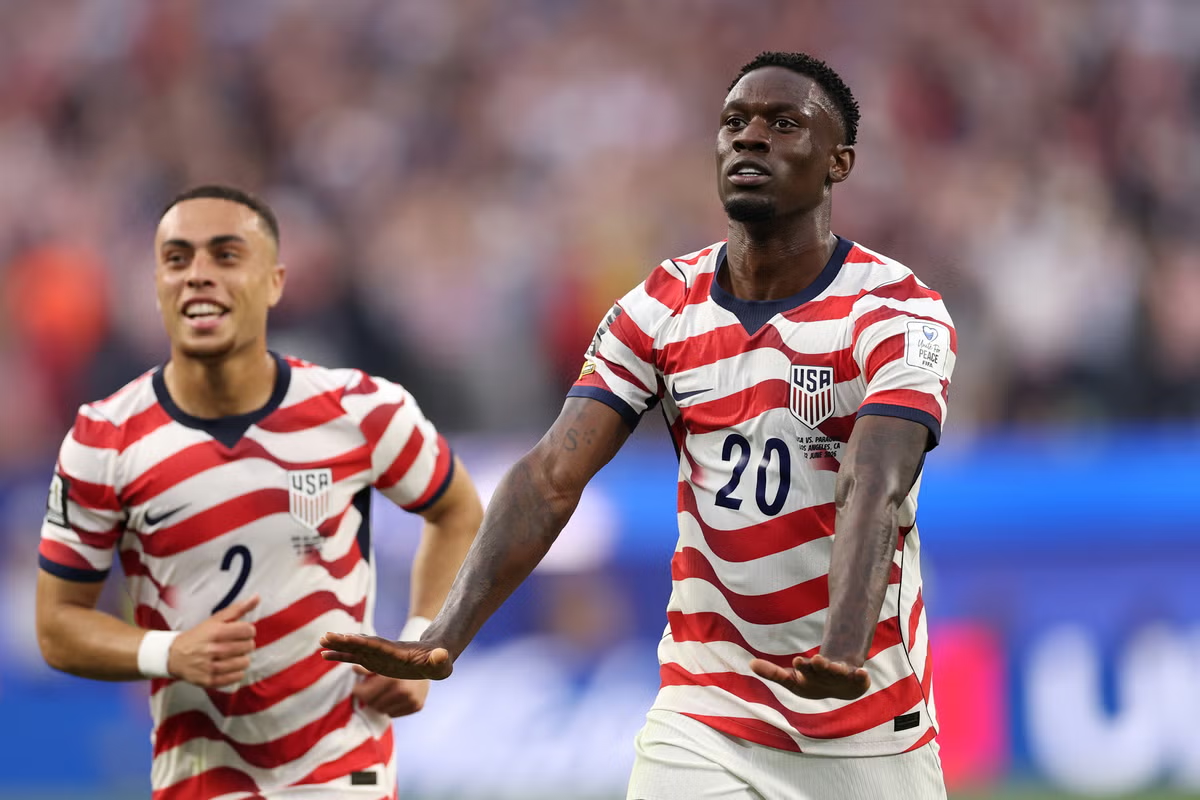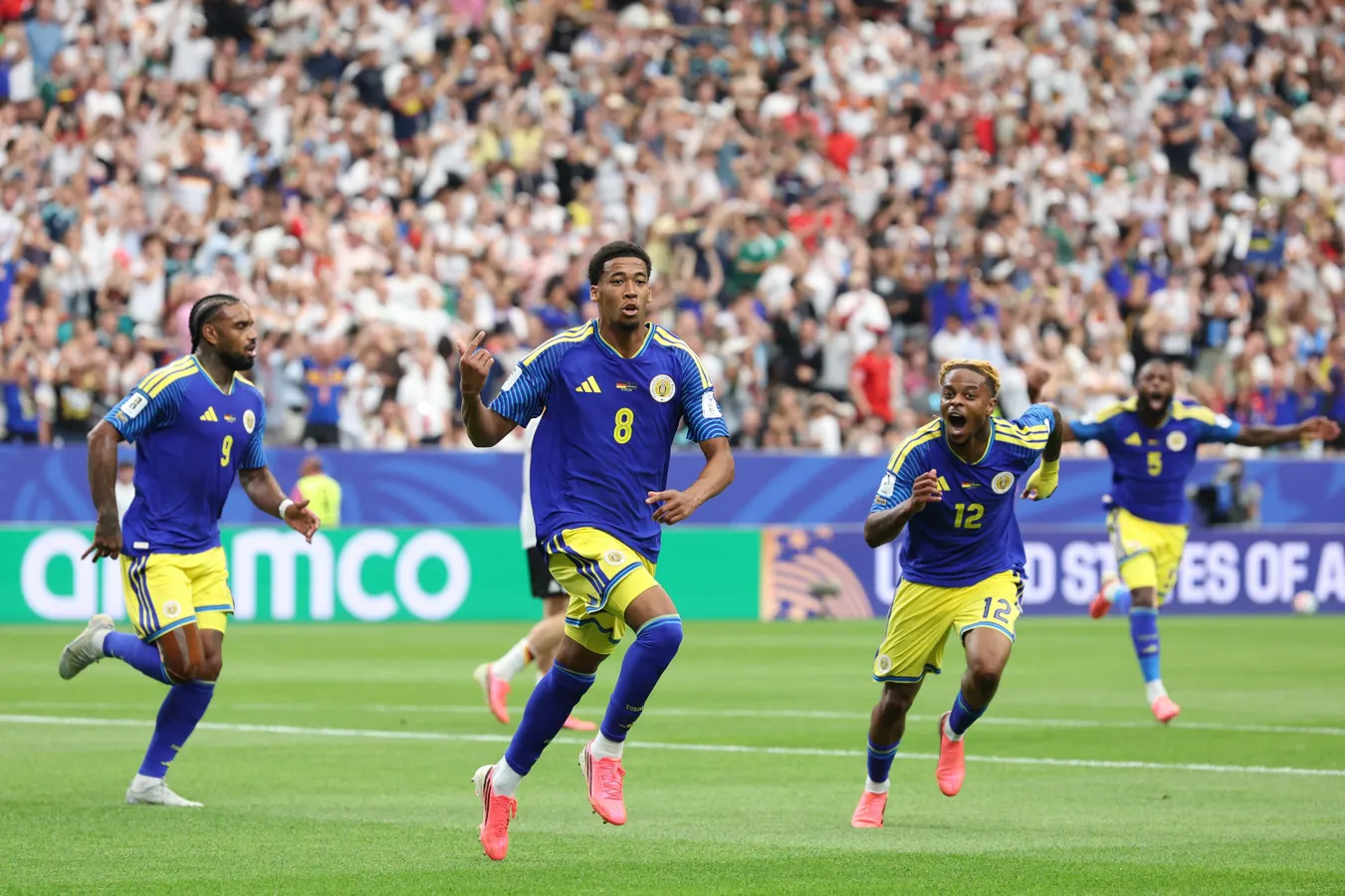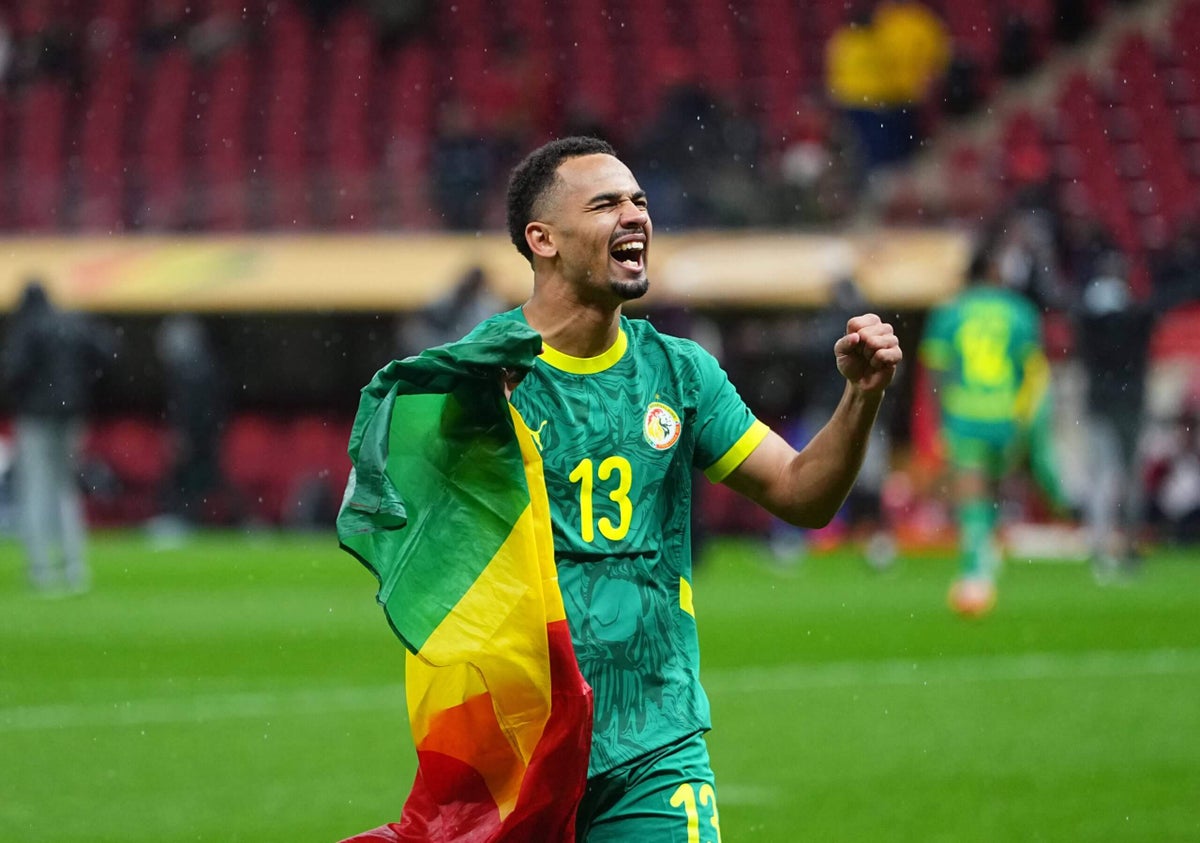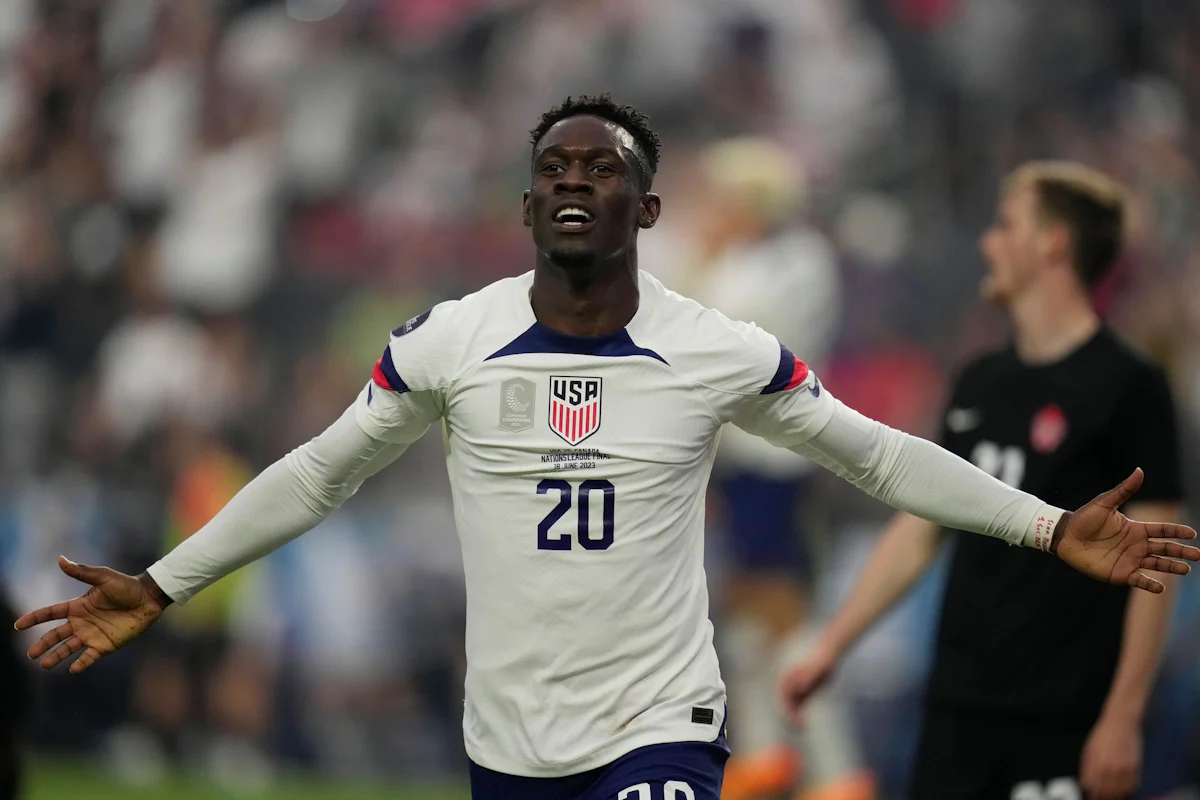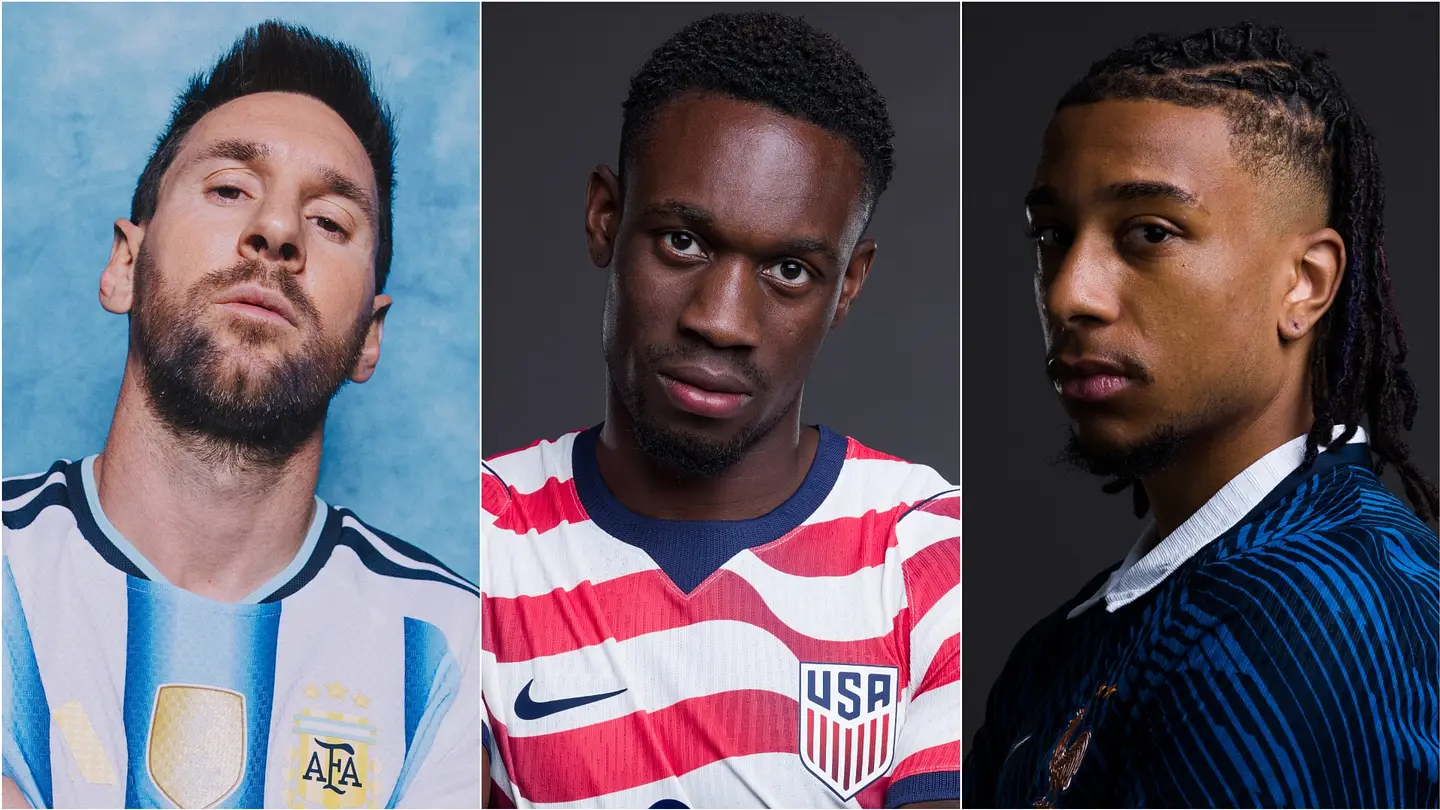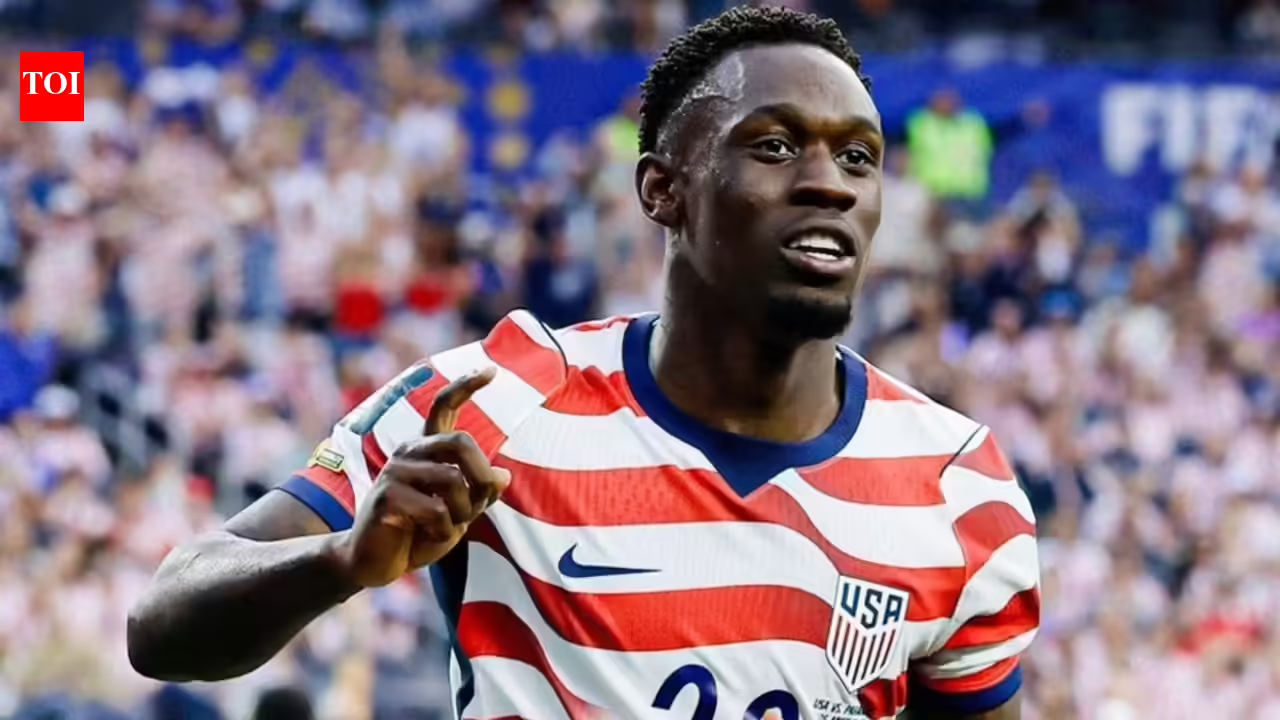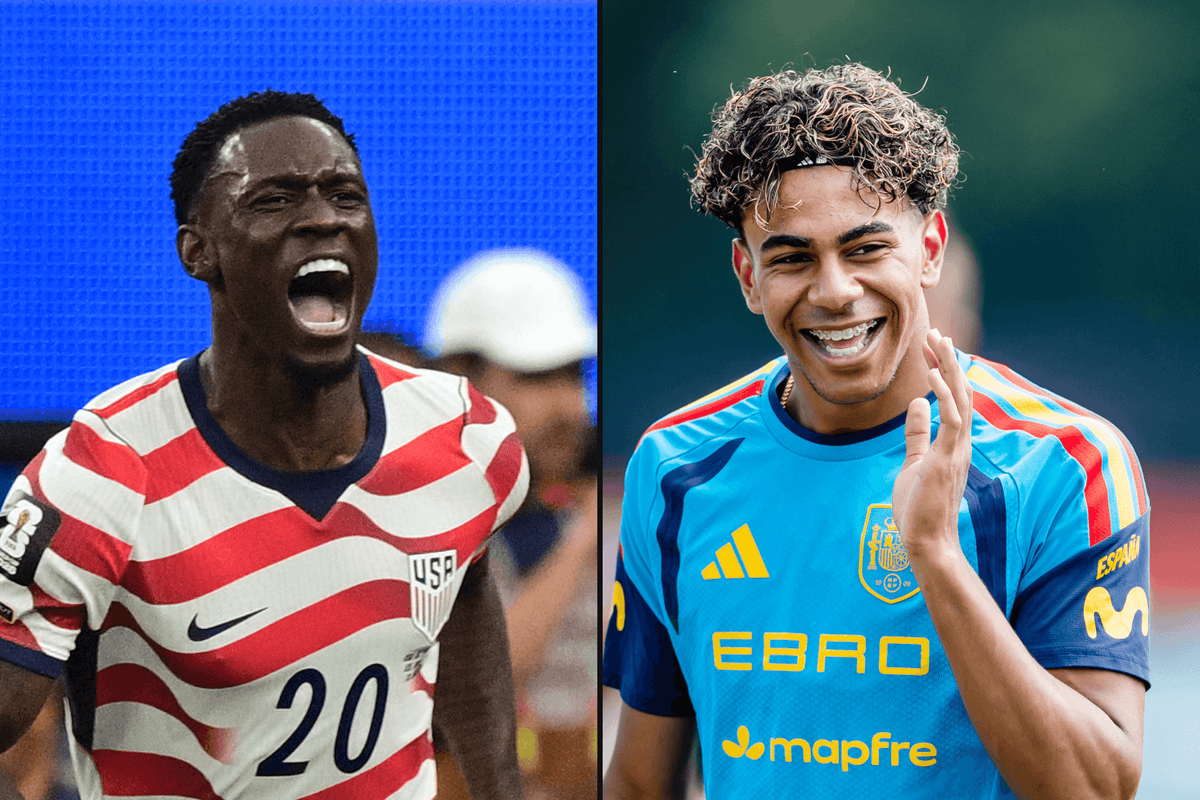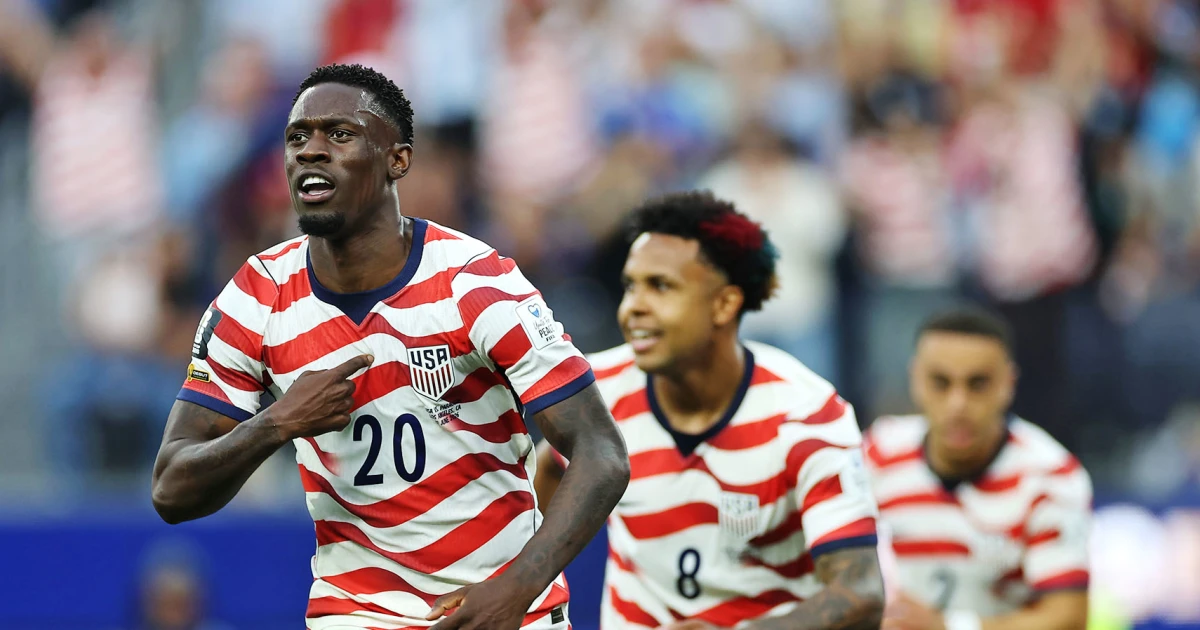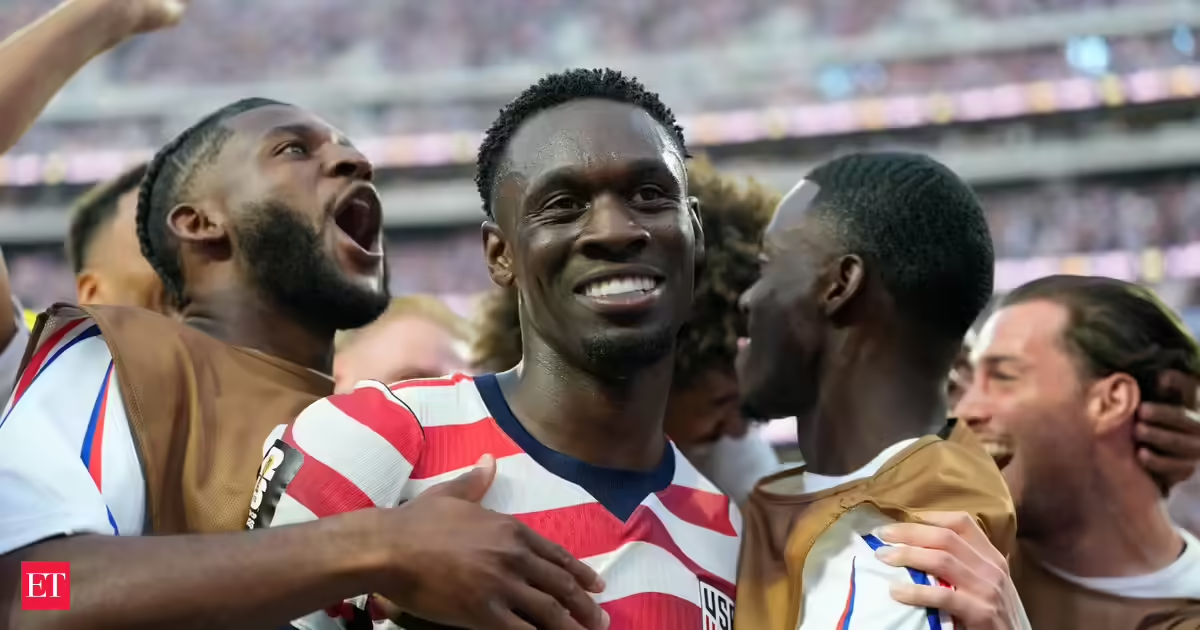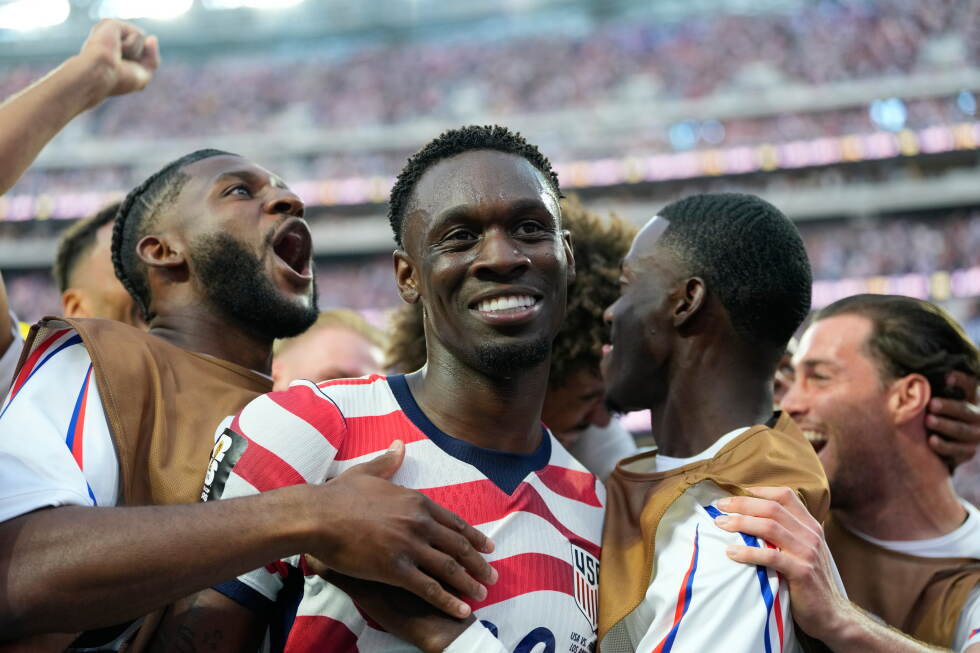
GENEVA (AP) — Almost every World Cup matchup has a storyline of a player who could have represented another country.Take Folarin Balogun who scored twice in the United States’ opening win over Paraguay. He chose to play for the U.S. where he was born instead of England where he grew up or Nigeria where his parents came from.Or Yasin Ayari, who picked Sweden over his father’s native Tunisia, a decision that came into focus as Sweden defeated the North African team 5-1 with two goals from Ayari.And there’s Ayyoub Bouaddi, an 18-year-old standout who switched national teams from France to Morocco just weeks before the tournament kicked off.The World Cup in the U.S., Mexico and Canada is the biggest melting pot in the tournament’s history. Decades of migration are reflected in the rosters of major European teams like France, England and Germany. Meanwhile, many teams in Africa and the Caribbean rely heavily on their diaspora, made easier by a relaxation of FIFA’s eligibility rules.Dozens, if not hundreds, of players at this World Cup are playing for a country other than the one in which they were born. Many with mixed backgrounds switched allegiances when turning senior, following their heart – or their ambition.
World Cup players with dual eligibility face a tough choice about which country to represent
The World Cup is showcasing players with diverse backgrounds who could have represented different countries.
TL;DRAI
Nearly 100 France-born players represent other nations at this World Cup; Morocco fields 19 foreign-born athletes. Nations strategically recruit diaspora talent—a trend mirroring tech's global hiring wars where talent mobility drives competitive advantage.
1,175 words~5 min read