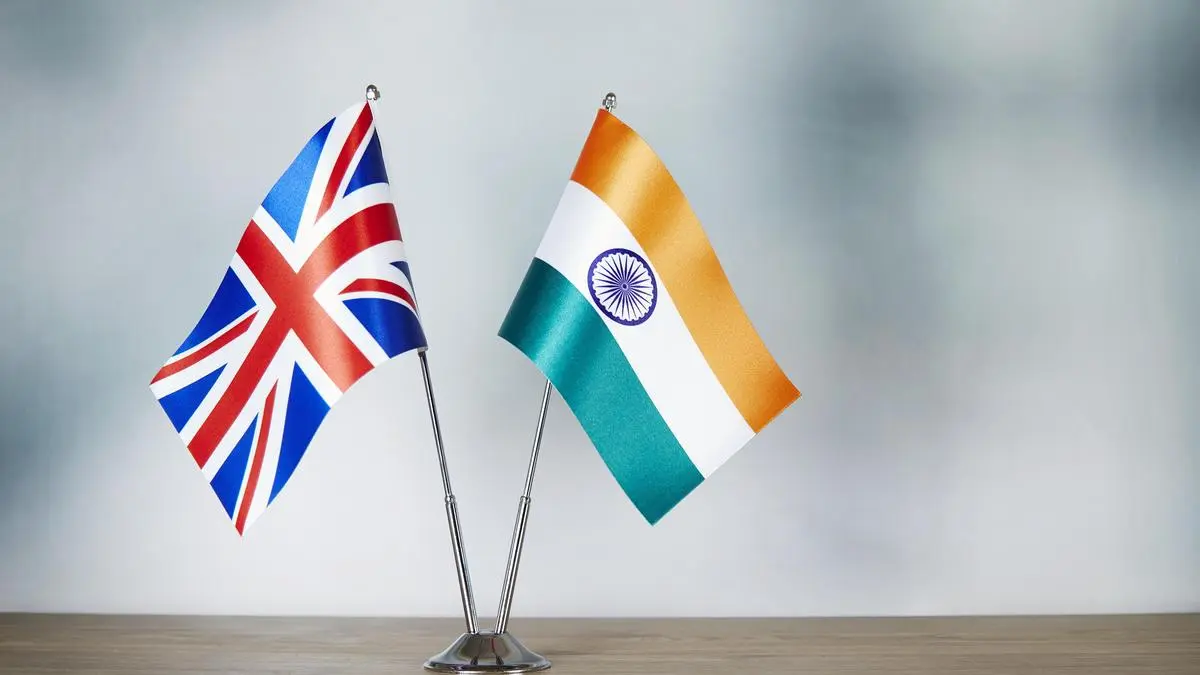
The higher quota for India through the free trade agreement provides marginal relief and help steel companies to widen their market presence as they will become more competitive than other countries.The India–UK Comprehensive Economic and Trade Agreement (CETA) delivers a projected 7-10 per cent tariff advantage in the UK market.However, India exports to UK accounted for just 0.085 per cent of the total exports. In FY26, India exported 137,100 tonnes of steel to the UK of its total finished steel production of 161.7 million tonnes. Nearly 85 per cent of these exports are already outside the scope of the UK’s safeguard measures. Only about $137 million worth of exports are directly affected.Brij Bhushan Agarwal, Chairman & Managing Director, Shyam Metalics and Energy, said India has guaranteed tariff-free, competitive access to a critical global market by shielding 85 per cent of Indian steel exports from the UK’s imminent safeguard measures and securing vital country-specific quotas for the remainder.The export revenues and margins preserved by avoiding punitive 50 per cent safeguard duties allow Indian producers to aggressively fund the capital expenditures required for deep decarbonisation as the UK’s Carbon Border Adjustment Mechanism (CBAM) taking effect from next January, he added.“The FTA quota enables us to solidify our supply chain footprint in the UK today, ensuring that when CBAM goes live, our sustainably produced steel remains highly competitive,” he said.Starting July, UK has decided to reduce tariff-free steel quotas by 60 per cent and impose a duty of 50 on shipments beyond the limit. The pact will bring over 99 per cent of India’s exports to the UK under zero-duty coverage in a market worth over $500 billion. On the proposed CBAM India has been waiting for final framework to negotiate with UK.Antu Eapen Thomas, Senior Research Analyst, Geojit Investments, said the 50 per cent out-of-quota penalty tariff still applies above the limit. However, India secured workable access for the remaining 15 per cent as well. So, the deal preserves a viable pathway for most of India’s traditional export volume, he said.“CBAM is a separate carbon levy policy that comes into force in 2027. The deal’s tariff benefit will be partly offset by it unless domestic production is rapidly decarbonised,” he said.Bhavik Bhagwanji Shah, Analyst (Metals & Mining), Choice Institutional Equities, said the deal provides greater export visibility for Indian flat and specialised steel producers and supports smoother implementation of the India–UK CETA.The UK CBAM, expected to be implemented from January 2027, remains a separate structural challenge. The trade agreement does not provide a blanket exemption from future carbon-related costs, he added.“If Indian exporters face CBAM-related charges without a mutually accepted carbon accounting and verification framework, the benefit from additional quota access could be partially offset by carbon costs,” he said.Published on June 19, 2026
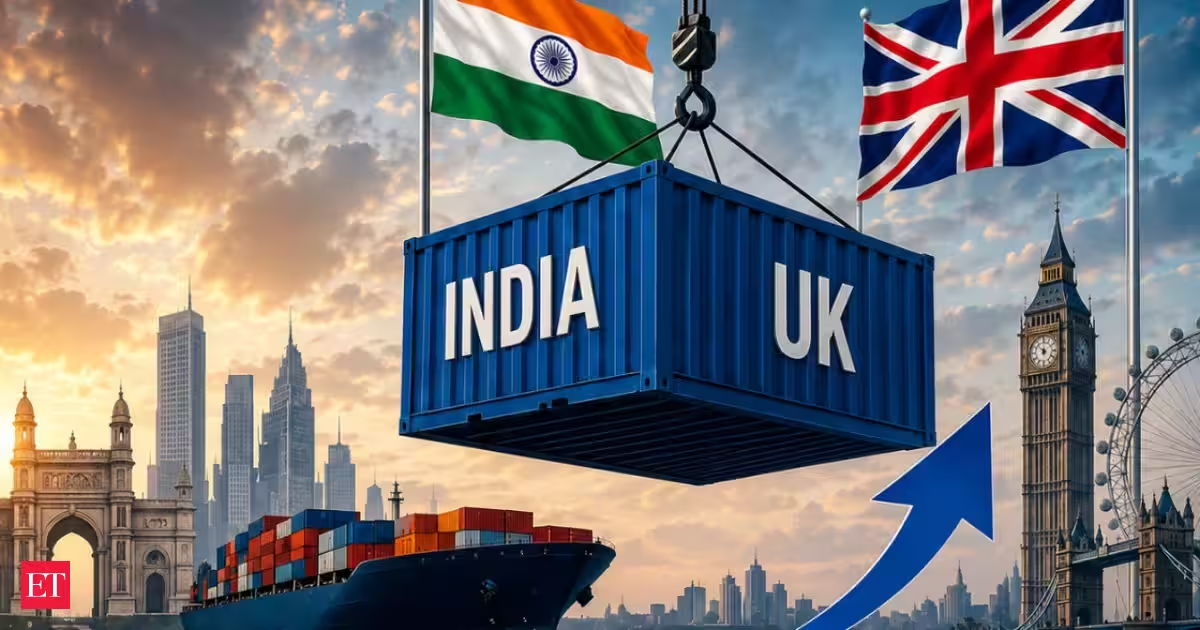
India-UK CETA to provide marginal relief for steel exporters
India-UK CETA offers steel exporters a 7-10% tariff advantage, enhancing competitiveness despite challenges from carbon regulations.
462 words~2 min read