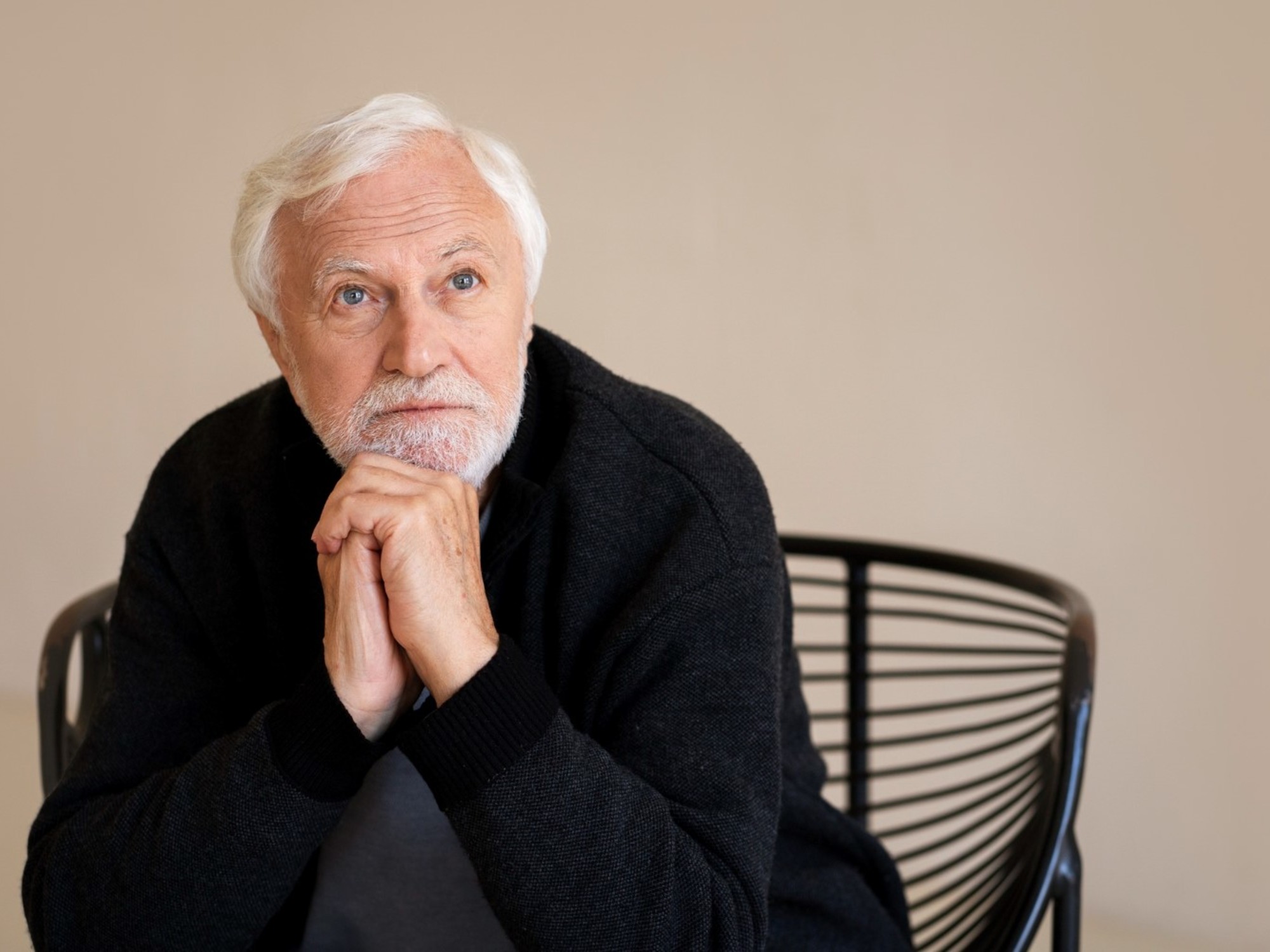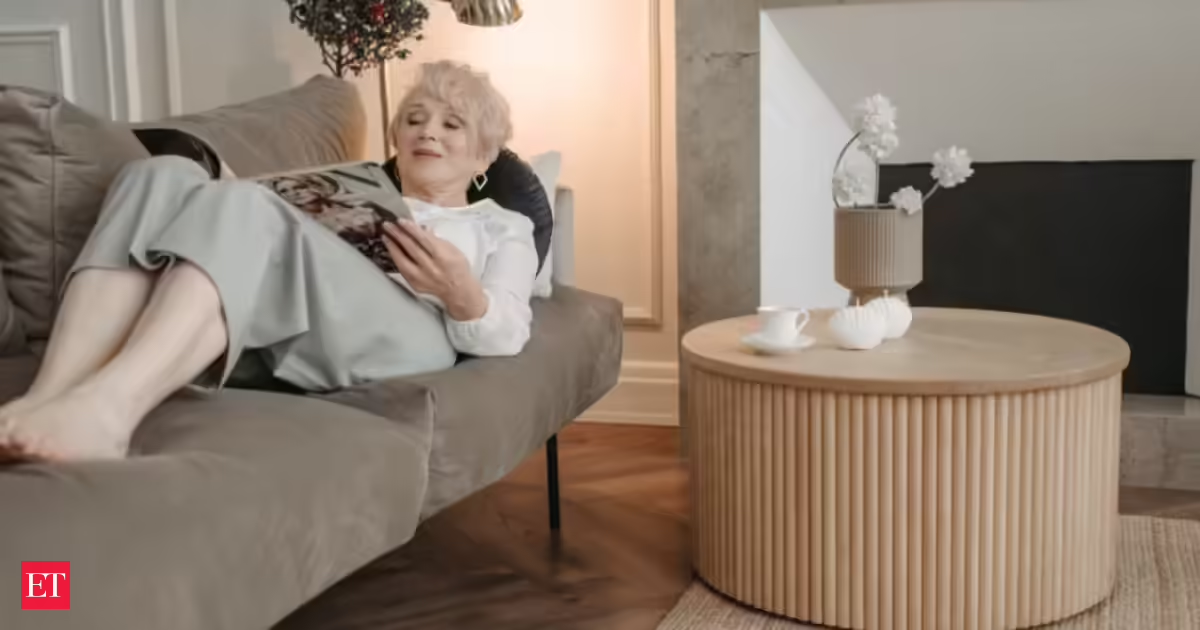
For many people, middle age brings a subtle shift in how energy is spent and restored. Activities that once felt exciting can begin to feel exhausting, while an evening at home that might once have seemed uneventful starts to feel deeply satisfying. Psychology research suggests that this change is not necessarily a sign of withdrawal or declining social interest. Instead, it often reflects a growing awareness of what genuinely supports well-being.Studies on aging, solitude, and emotional regulation increasingly show that older adults can experience time alone differently from younger adults, often finding it more restorative and emotionally comfortable. For introverts especially, peace in later life may come not from becoming more outgoing but from building routines that align with their temperament rather than constantly pushing against it.What looks from the outside like choosing less social stimulation may actually represent a more accurate fit between personality, lifestyle, and emotional needs.Solitude may become less associated with boredom or exclusion and more associated with recovery and personal comfort | Pexels Solitude often feels different in later adulthoodOne reason this pattern appears so frequently is that older adults often experience solitude differently than younger people. A 2024 experimental study published in Psychology and Aging found that older adults reported better emotional well-being during periods of solitude than younger adults, experiencing less negative emotion and, in some situations, even more positive emotional states. The findings are important because they suggest that age changes the experience of being alone rather than simply increasing tolerance for it. Solitude may become less associated with boredom or exclusion and more associated with recovery and personal comfort. For introverts in their 50s and 60s, this shift can feel liberating. Instead of treating quiet time as something that needs justification, they may begin viewing it as a legitimate source of well-being. The result is often not isolation but a more relaxed relationship with time spent alone.Solitude and connection serve different purposesA common misconception is that enjoying solitude means valuing relationships less. Research suggests the opposite. A daily-life study of healthy older adults published in The Journals of Gerontology found that social interaction and solitude often served complementary functions rather than competing ones. Social interactions tended to support belonging and connection, while solitude supported recovery and restoration. This distinction helps explain why many contented older introverts do not become less social overall. Instead, they become more selective about when and how they engage.A quiet Friday night at home may not represent avoidance. It may simply be the recovery period that allows meaningful social engagement at other times. The healthiest pattern is often balance rather than constant social activity or constant withdrawal.Autonomy changes how solitude feelsAnother important factor is autonomy. Research published in Personality and Social Psychology Bulletin found that older adults and individuals with greater autonomy reported more positive experiences during everyday solitude. The study suggests that solitude feels different when it is chosen rather than imposed. This distinction matters because many introverts spend years feeling pressure to conform to social expectations that do not match their natural preferences. Later adulthood often brings greater freedom to shape schedules, social commitments, and living environments according to personal needs.When people gain more control over how they spend their time, quiet evenings tend to feel less like missed opportunities and more like intentional choices. That sense of ownership can significantly improve emotional well-being.Self-acceptance may matter more than sociabilityFor many introverts, this development can reduce the pressure to perform a more extroverted version of themselves. Rather than constantly questioning whether they should be attending more events or expanding their social circles, they may become more comfortable recognizing what genuinely works for them.The result is not necessarily less social engagement. It is often less guilt about choosing environments that feel psychologically sustainable. Peace frequently arrives when people stop viewing their temperament as a problem that requires correction.Older adults often thrive when they stop measuring themselves against expectations that no longer fit | Pexels Well-being depends on fit, not transformationA 2019 study published in Personality and Individual Differences found that psychological flexibility explained a substantial portion of the relationship between personality traits and well-being. The implication is that happiness may depend less on changing who someone is and more on adapting life in ways that support existing strengths and needs. For introverts, this can mean scheduling social activities thoughtfully, protecting downtime, and creating living environments that do not demand constant stimulation.Studies on person-environment fit among older adults support a similar conclusion: well-being improves when the environment aligns with individual preferences and capacities. In practical terms, many of the calmest introverts are not people who transformed themselves into social butterflies. They are people who stopped fighting their nature and started designing their lives around it.Older adults often thrive when they stop measuring themselves against expectations that no longer fit. Research on solitude, autonomy, self-acceptance, and psychological flexibility suggests that many introverts become more content not because they grow more social, but because they become more honest about what restores them.A quiet Friday night is not necessarily evidence of shrinking horizons. For many people, it represents a deliberate choice that supports energy, balance, and emotional well-being. The peace comes not from changing personality, but from finally allowing personality to guide the structure of everyday life.
Psychology says introverts who seem most at ease in their 50s and 60s are not the ones who overcame introversion; they are often the ones who stopped viewing their need for solitude as something that required justification
As individuals transition into middle age, the allure of peaceful evenings often supersedes the excitement of lively gatherings. Studies suggest this change signifies not a waning interest in socializing, but rather a deeper appreciation for what fosters true well-being. Many older adults, particularly introverts, discover solace in solitude, embracing their inherent nature and creating a fulfilling balance between quiet reflection and meaningful relationships.
Psychological research shows introverts aged 50-60 achieve well-being through accepting solitude and gaining autonomy, not overcoming introversion. For tech managers: team retention and performance depend on environment fit—supporting remote work, focused time, flexible schedules—not enforced collaboration culture.