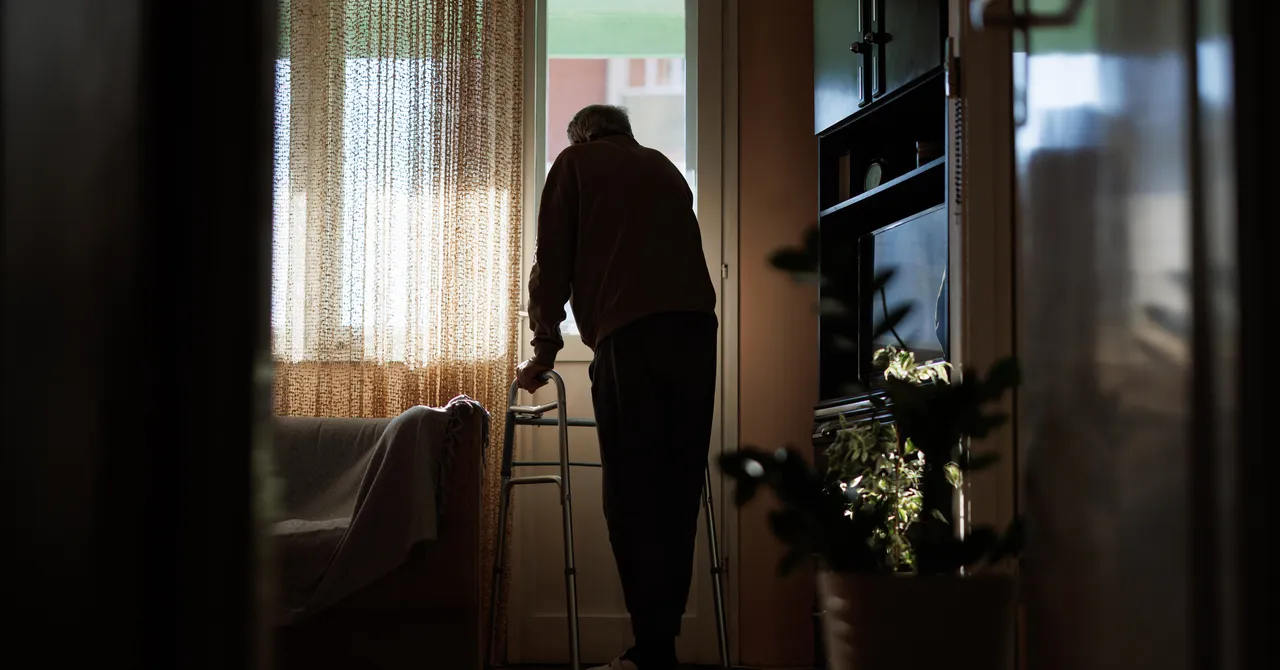
Some people might not mind spending time alone, but new research with data from 18 countries suggests that older people who struggle with loneliness—rather than strictly being alone—may experience faster mental and physical decline.
The study, led by the University of California, Davis, used advanced statistical modeling to chart loneliness and social isolation as older adults move through stages of cognitive impairment and mortality. The results suggest that loneliness plays a much stronger role in cognitive impairment and shorter life spans than social isolation on its own.
"Loneliness is a perception," said Tomiko Yoneda, an assistant professor of psychology at UC Davis and the study's lead author. "You could be surrounded by a crowd of people and still feel lonely, whereas isolation is just being alone. Some people might not be lonely at all and be completely content in their solitude."
The study was published in the Journal of Personality and Social Psychology.
Modeling people's lifetimes